


Ghanteshwar Temple
About Ghanteshwar Temple
The temple was originally known simply as Shri Hanuman Temple. As word of answered prayers spread and devotees began leaving brass bells as offerings of gratitude, the accumulation of these bells became so substantial that the community decided to rename the shrine Ghanteshwar Hanuman Temple to reflect this defining characteristic. The temple is managed by the Shri Ghanteshwar Hanuman Jayanti Utsav Mandal, a local organization based in Mumbai.
The exact age of the original shrine is not documented in available sources, though its status as an established place of worship in the Khar area suggests considerable antiquity within the neighbourhood's history.
Daily Worship and Darshan
The temple maintains two distinct darshan periods each day to accommodate different schedules. Morning darshan runs from 5:00 am to 2:00 pm, serving early risers and those visiting before work commitments. Evening darshan extends from 5:30 pm to 11:00 pm, allowing visits after the day's activities conclude. The temple remains open throughout the week, though Saturdays and Tuesdays draw noticeably larger congregations, reflecting their traditional significance in Hindu worship practices.
Visitors should note that timings may shift during major festival periods. It is advisable to contact the temple office at 098199 59761 before travelling during these occasions to confirm any changes to the regular schedule. The temple provides basic amenities including drinking water, prasad (blessed food offering), shoe storage, CCTV security, and parking facilities for those arriving by vehicle.
Major Festivals
Hanuman Jayanti and Ram Navami stand as the principal festivals celebrated at Ghanteshwar Temple, both drawing significant numbers of devotees for special observances. These occasions are marked by enhanced decorations and heightened ritual activity throughout the shrine. The temple also observes other festivals in the Hindu calendar, including Diwali, Vasant Panchami, and Raksha Bandhan, though specific details about observances on these dates remain limited in available sources.
During festival periods, the temple becomes particularly busy and is decorated extensively. Visitors planning to attend major celebrations should contact the temple in advance to understand any schedule adjustments or special arrangements.
Visitor Etiquette and Facilities
As an active place of worship, the temple should be approached with mindfulness of ongoing rituals and the devotional space one is entering. Standard practices observed at Hindu temples apply here: remove footwear before entering the sanctum, dress modestly, and maintain respectful behaviour during worship. The dedicated shoe storage area is provided specifically to accommodate this custom.
Those interested in offering a bell should inquire directly with temple staff about the process and any associated practices or costs. Prasad is distributed to visitors, and drinking water is available. The presence of CCTV security and parking reflects the temple's role as an active shrine serving a steady flow of devotees from across Mumbai.
How to Reach the Temple
Ghanteshwar Temple is located at 11th Road, Madhu Park, Khar West, Mumbai, Maharashtra. The Khar area benefits from good connectivity via both train and bus services, making the temple accessible from various parts of the city. For navigation, use the coordinates 19.0714°N, 72.8361°E, or consult Google Maps for step-by-step directions from your location.
The temple's position within an established Mumbai neighbourhood means public transportation options are readily available. For specific directions or further inquiries, contact the temple office at 098199 59761.
How to reach
Temples near Ghanteshwar Temple
Rasmancha of Sitaram temple of Bera family
A historic rasmancha (performance stage) dedicated to Lord Rama, built by the Bera family in 19th-century Bengal. This traditional structure serves as a venue for Krishna devoti…
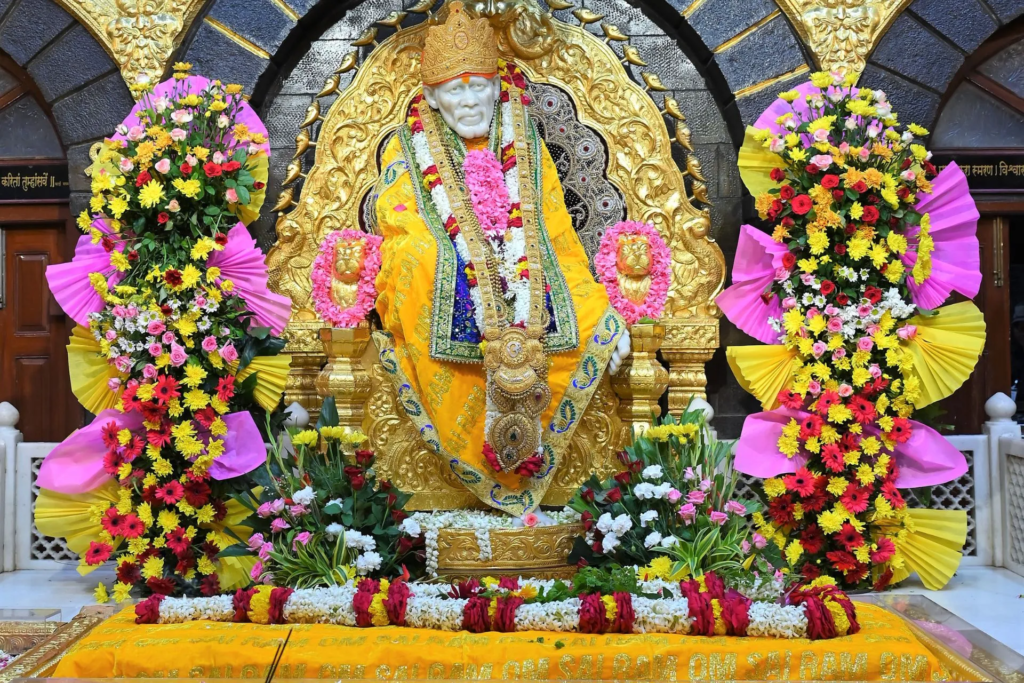
Rasmancha of Shridhar temple
The Shirdi Sai Baba Temple houses the samadhi of Sri Sai Baba, a 19th-century saint revered across religions whose teachings emphasize universal love, compassion, and selfless s…
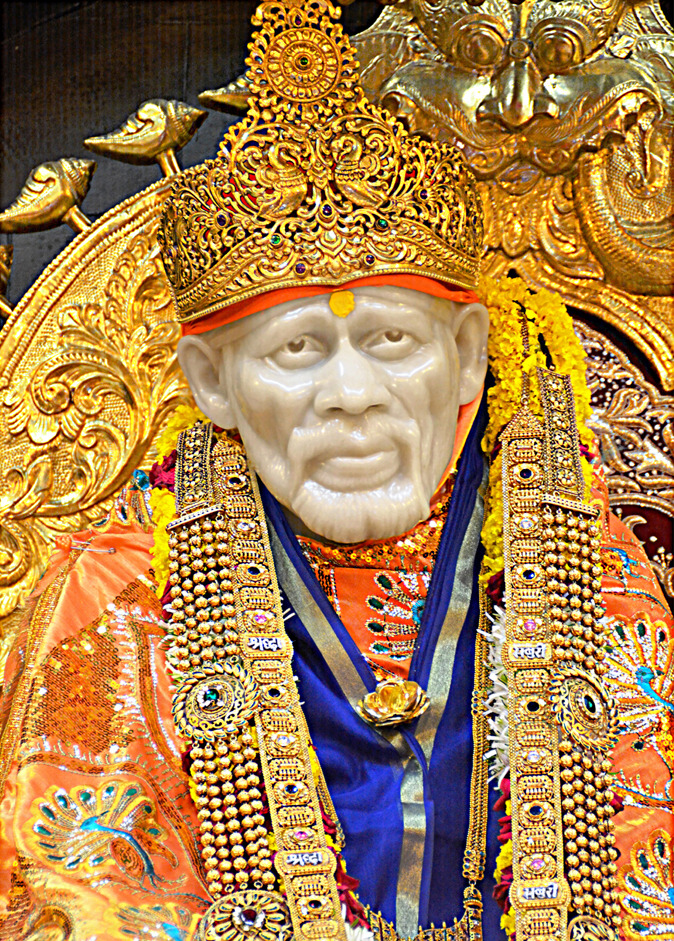
Rasmancha of Shridharjiu temple
The Samadhi Mandir of Shri Sai Baba in Shirdi is a white-marble shrine built in 1922 over the resting place of the revered saint who lived in the village for sixty years. The te…
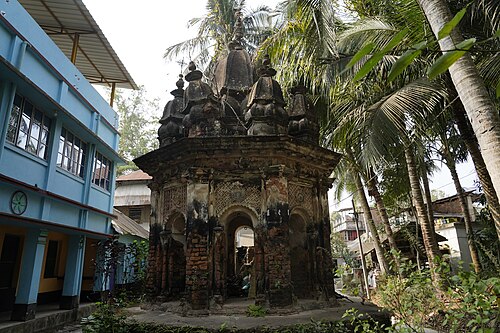
Rasmancha of Shridharjiu temple of Hazra family
The Rasmancha of Shridharjiu temple is a traditional performance stage maintained by the Hazra family in Daspur I block, Ghatal subdivision, West Bengal, believed to have been u…
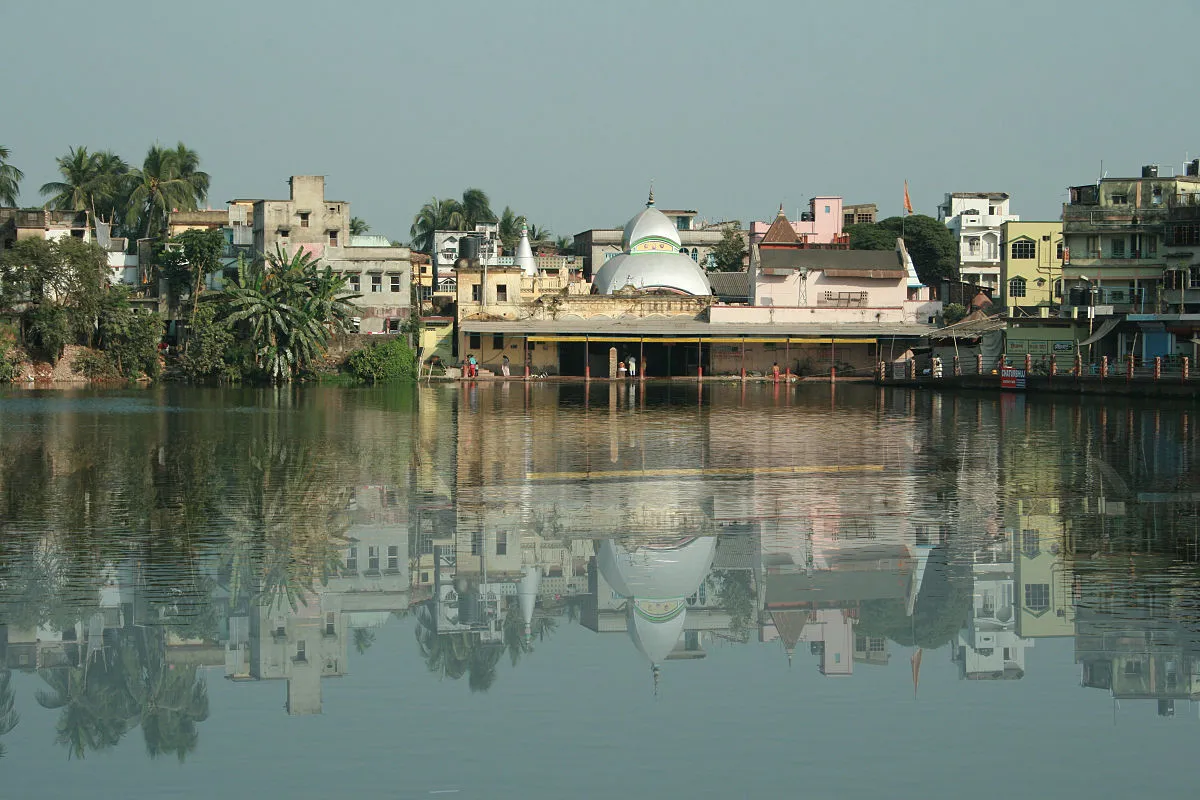
Taraknath temple
Taraknath temple in Tarakeswar, West Bengal, is a major pilgrimage site dedicated to Shiva worshipped as Tarakanatha, built in 1729 in the distinctive At-chala style of Bengal t…
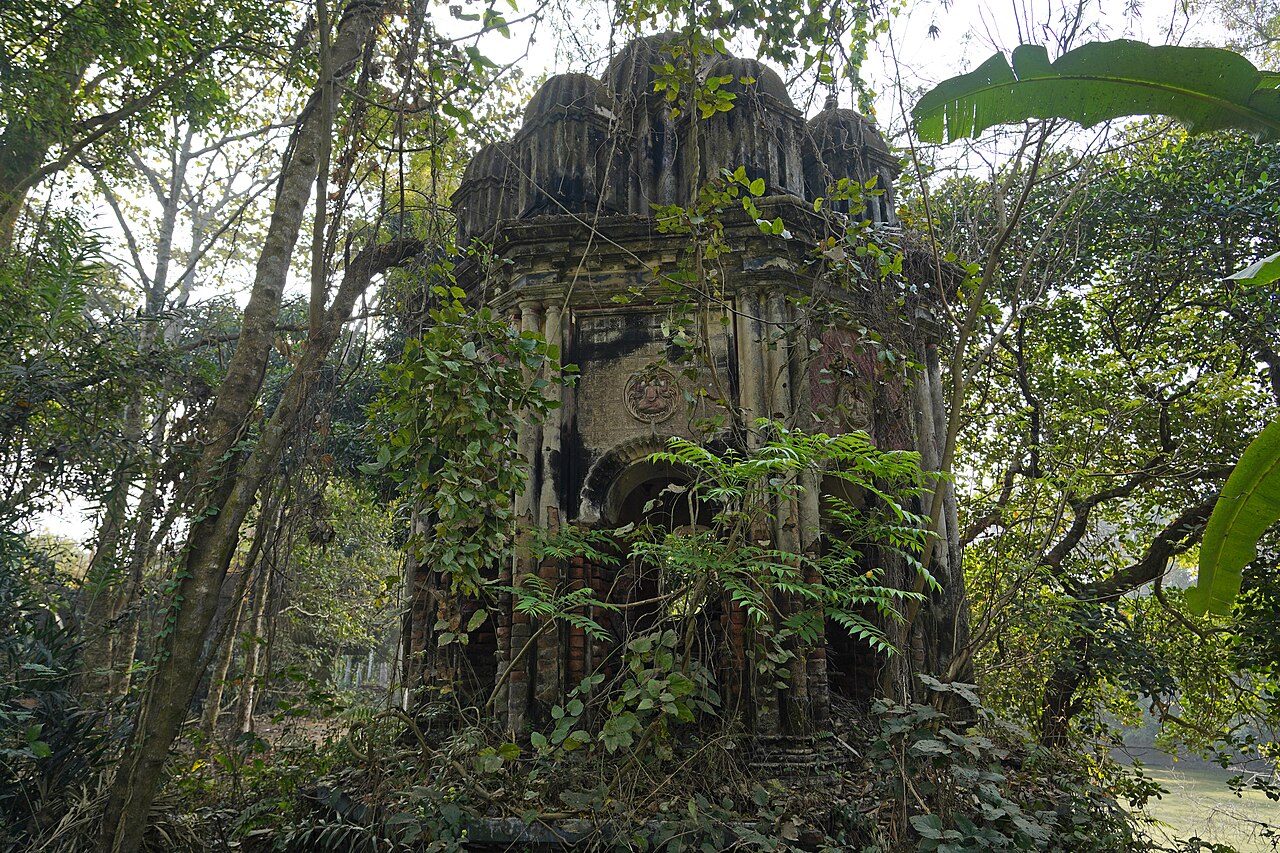
Rasmancha of Gopinath temple of Goswami family
The Rasmancha of Gopinath temple of Goswami family is a wooden and brick performance structure built in 1896 in Daspur I, West Bengal, traditionally used for Krishna Lila theatr…