Rasmancha
About Rasmancha
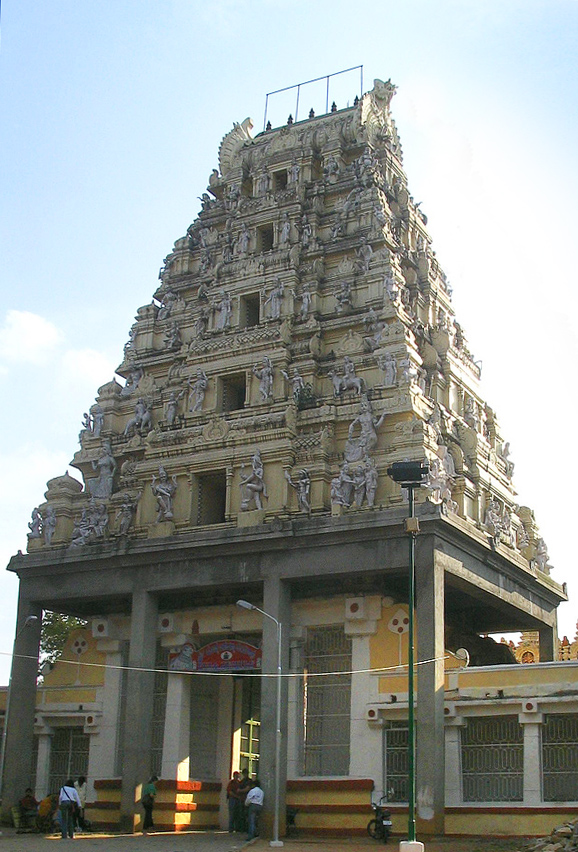
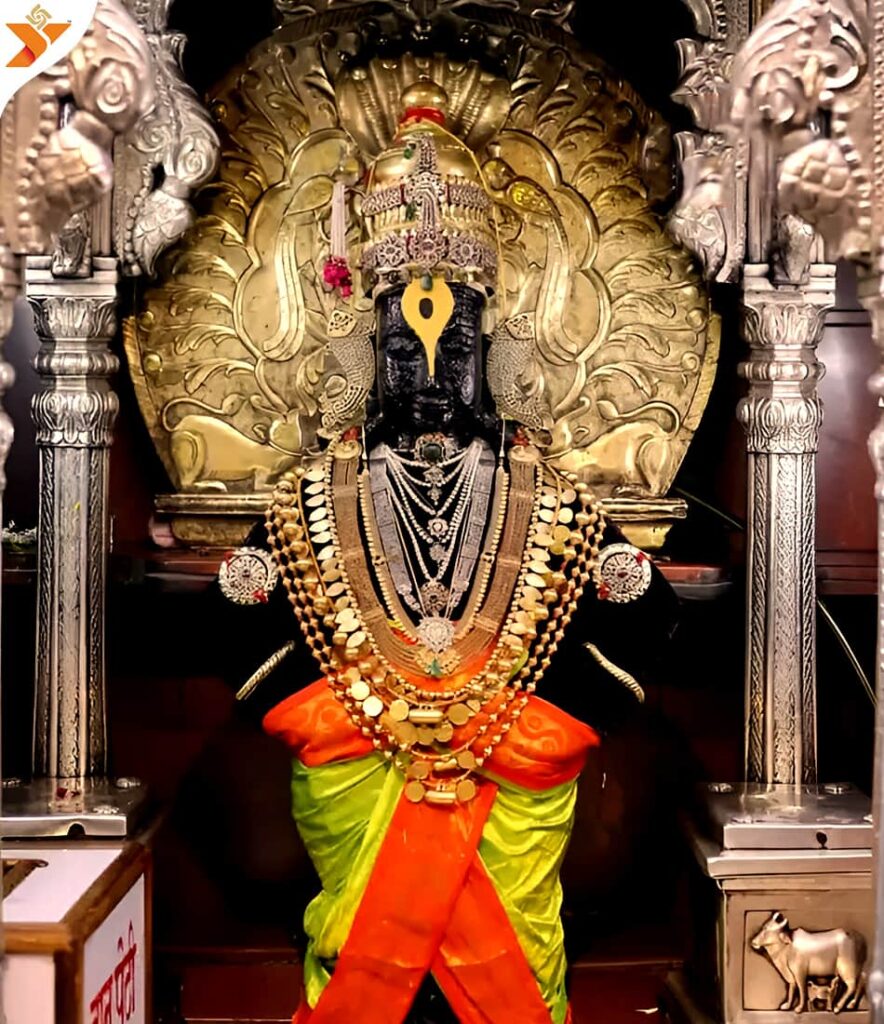
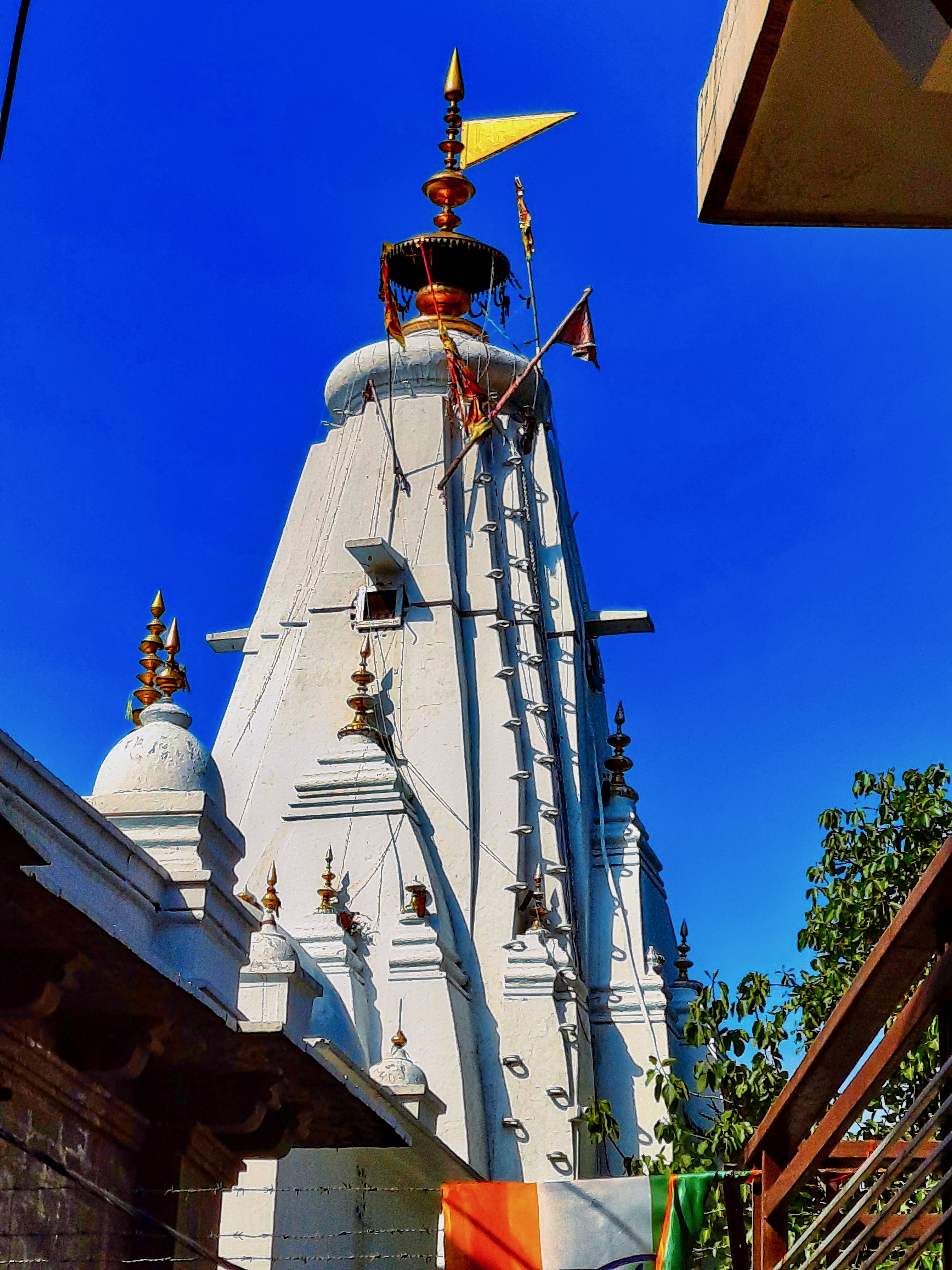
The most striking feature of Rasmancha is its gold interiors, which reflect considerable investment in the sanctuary's visual and spiritual presentation. Beyond the aesthetic impact, the gold work serves to elevate the space as one of particular sanctity and reverence. The temple maintains a Shaligram gallery—a dedicated space for viewing Shaligrams, the sacred stones traditionally associated with Vishnu worship. These stones, believed to embody divine presence, are displayed for the contemplation and veneration of visitors with devotional interest.
The temple also preserves a collection of Sanskrit manuscripts, including texts in the Sarada script, an ancient writing system of Kashmir and surrounding regions. Visitors with scholarly interest may inquire about access to these manuscripts upon arrival, though viewing depends on temple protocols and should not be assumed as automatic. A visit of at least 90 minutes allows adequate time to experience the main sanctum, view the Shaligram gallery, and observe the architectural details throughout the complex.
Daily Worship and Rituals
The temple opens for darshan from 06:00 to 20:00 daily, accommodating both early morning and evening visitors. Two principal aartis structure the day's worship: the Mangala Aarti at 07:00 in the morning and the Sandhya Aarti at 18:00 in the evening. These rituals, in which the deity is honoured through light, sound, and offerings, form the core of daily devotional practice. Visitors are welcome to participate in or observe these ceremonies, which represent the temple's regular rhythm of worship and offer opportunities to engage with living Hindu practice.
Festivals and Observances
The temple observes major festivals throughout the Hindu calendar year. Ram Navami, which commemorates the birth of Lord Rama, holds particular significance at this temple dedicated to the deity and is observed as a major festival. Diwali, the Festival of Lights, is celebrated with Lakshmi puja, while Dhanteras—marking the beginning of the Diwali season—receives special attention with worship focused on Dhanvantari and Lakshmi. The temple also observes Guru Purnima, honouring spiritual teachers; Akshaya Tritiya, considered auspicious for new beginnings; and Karwa Chauth. The complex is reported to be most elaborately decorated during these festival periods. Visitors planning to attend festivals should confirm exact timings with the temple in advance, as schedules vary on observance days.
Practical Information for Visitors
The temple is located at coordinates 21.8462°N, 87.4692°E, approximately 3 kilometres from Jammu Tawi railway station. The journey from the railway station takes roughly 10 minutes by auto-rickshaw. The best periods for visiting are October through March, when the climate is temperate and conditions favour comfortable exploration of the complex.
Visitors should dress modestly, as is customary in Hindu temples—covered shoulders and knees are appropriate. Timings may vary on festival days, so confirmation with the temple before travel is advisable, particularly if planning a visit around major observances. For inquiries regarding darshan times, festivals, or other details, the temple office can be reached at +91 92203 52244.
How to Reach
Those arriving by rail should exit at Jammu Tawi railway station and arrange transport by auto-rickshaw for the short journey to the temple. The coordinates 21.8462°N, 87.4692°E can be used with mapping applications for navigation. Contact the temple office directly for specific directions or travel assistance if needed.
How to reach
Temples near Rasmancha

Temples of Bishnupur
Madan Mohan Temple in Bishnupur is a single-towered terracotta shrine dedicated to Lord Krishna, constructed in 1694 by the Malla dynasty and representing a distinctive architec…
Radha Madhab Temple
Radha Madhab Temple in Bishnupur, West Bengal is a historic Hindu shrine dedicated to the divine couple Radha and Krishna, established in 1737.
Gokulchand temple
Gokulchand temple is a 17th-century stone pancharatna temple in Gokulnagar village, Bankura district, West Bengal, likely dedicated to Krishna based on its name.
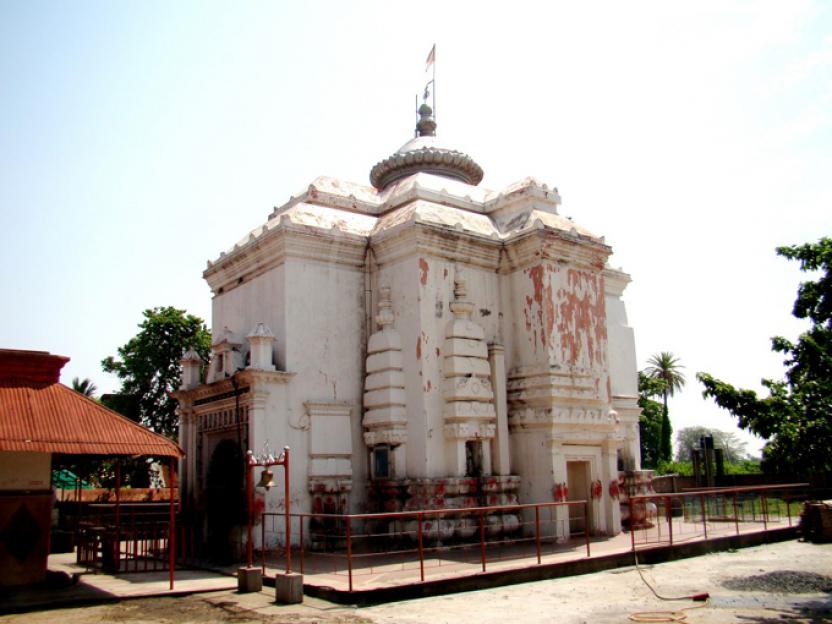
Ekteswar temple
Ekteswar Shiva Temple is an ancient Hindu shrine dedicated to Lord Shiva, located on the riverbank near Lalbazar in Bankura district, West Bengal. Built in the Nagara architectu…
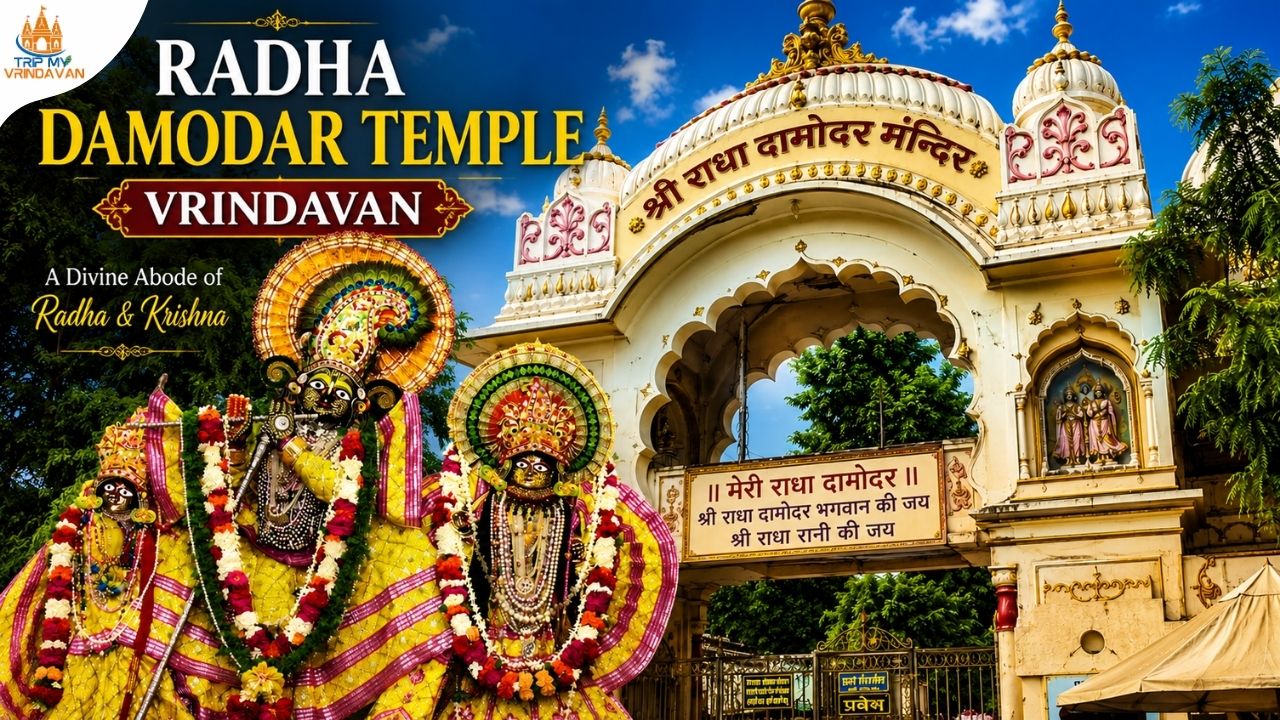
Rasmancha of Damodar
Radha Damodar Temple in Seva Kunj, Vrindavan, is a small but spiritually significant shrine dedicated to Radha Damodar (Krishna), deeply associated with the six Goswamis of Vrin…
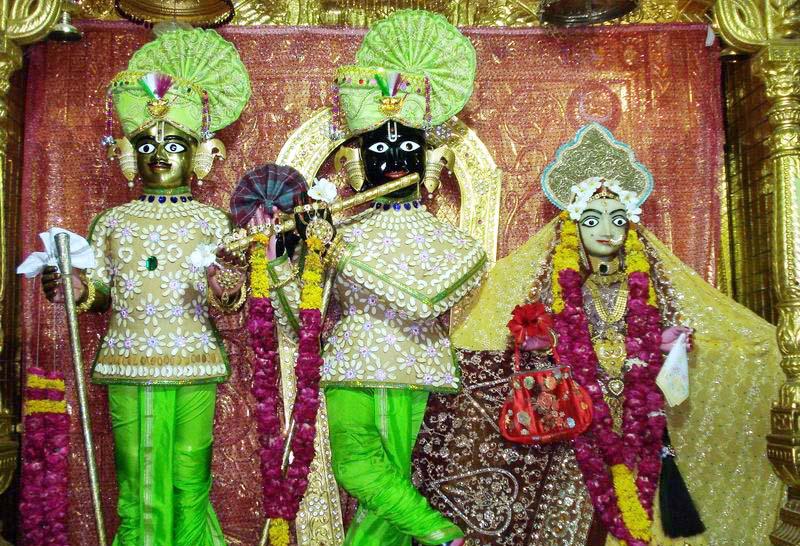
Rasmancha of Radhagobinda temple
The Rasmancha of Radha Gokulananda temple, established in the 16th century at Keshi Ghat in Vrindavan, is a Gaudiya Vaishnava shrine dedicated to Radha and Krishna with daily wo…