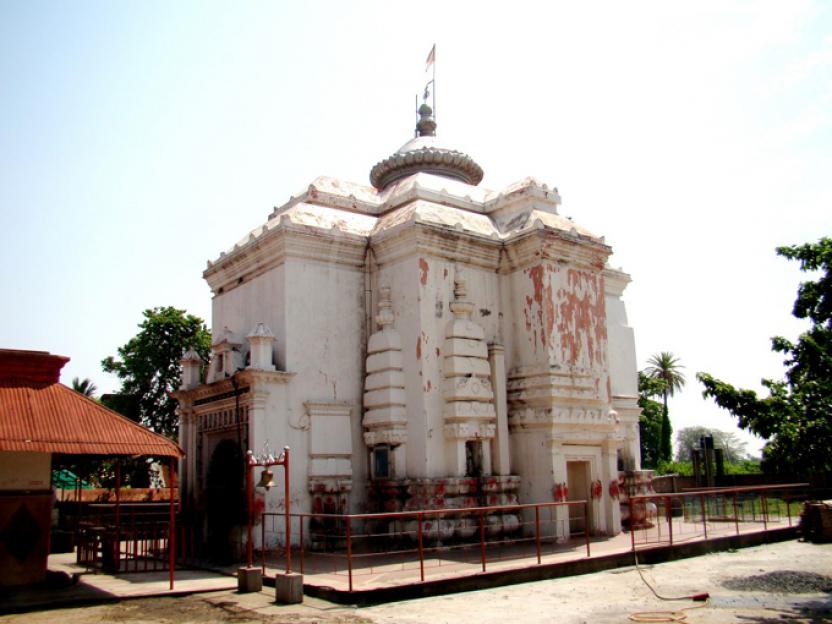
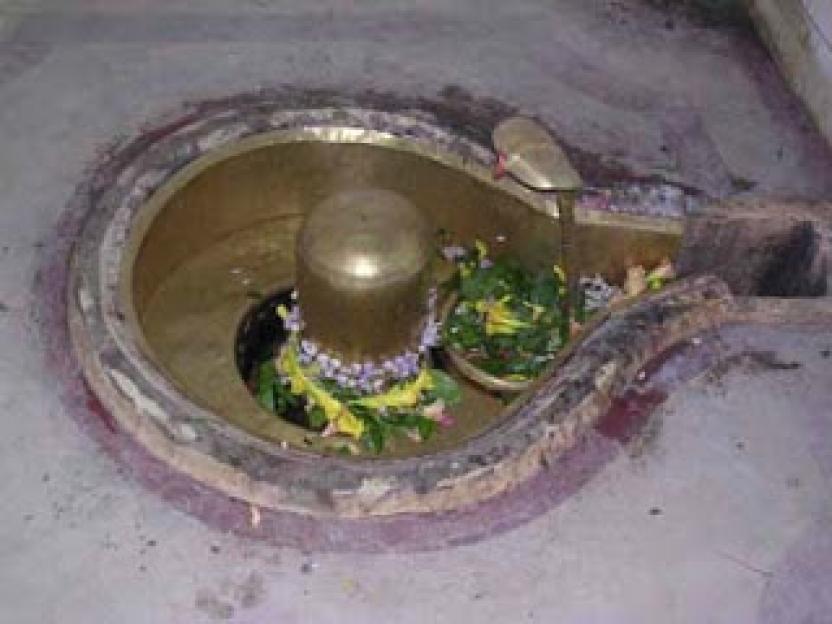
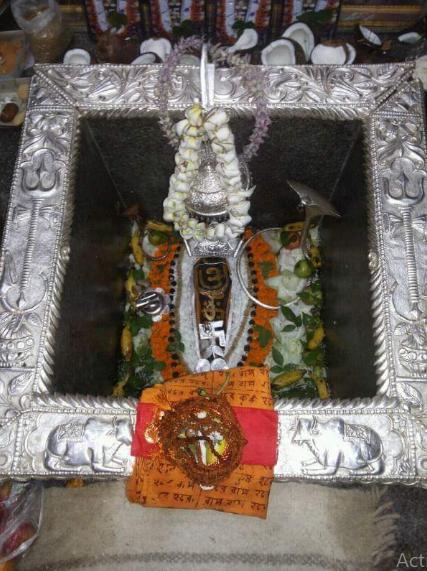
Ekteswar temple
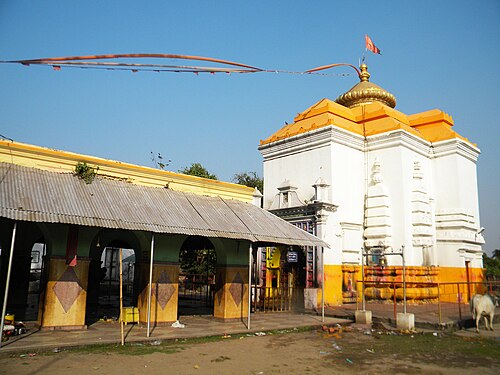
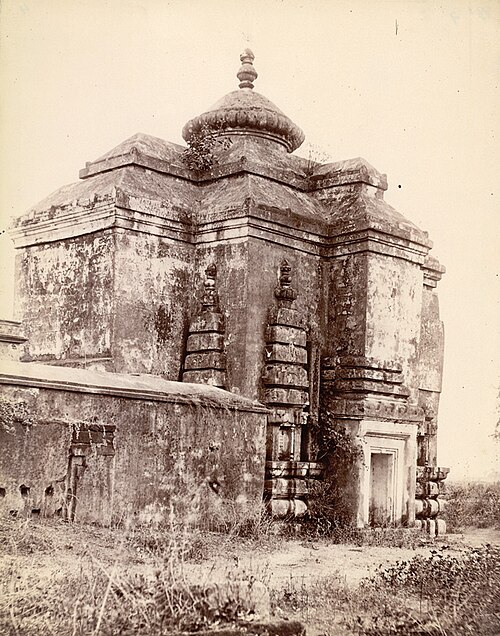
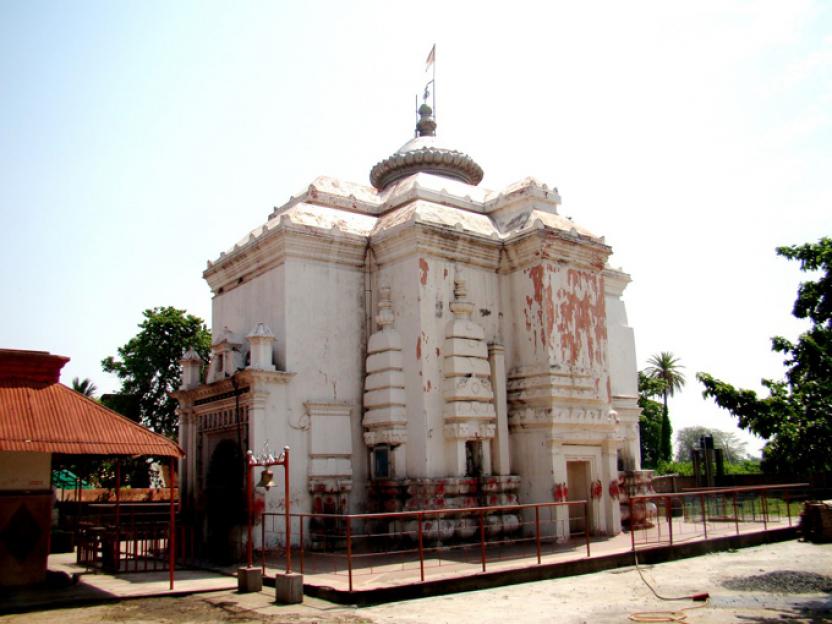
About Ekteswar temple
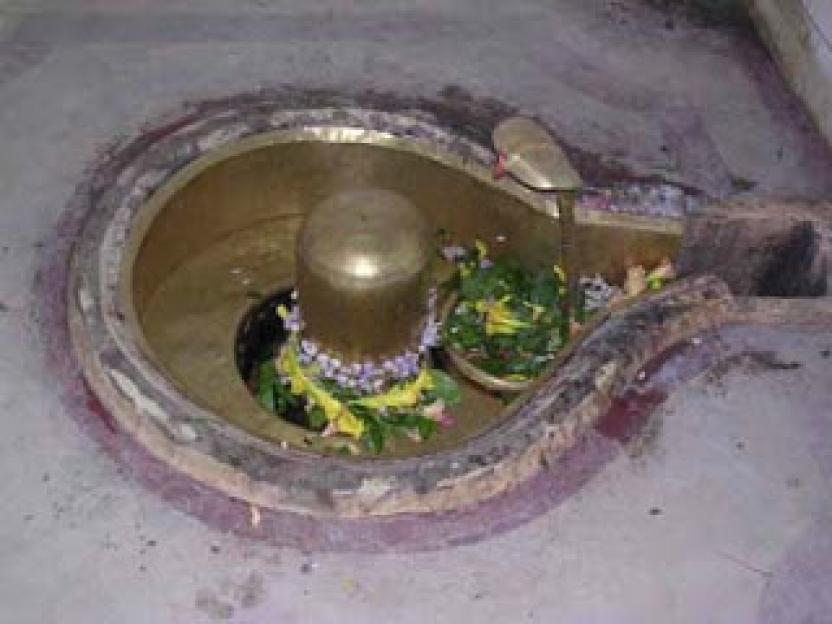
As a Shiva temple, Ekteswar follows the devotional practices typical of Shaiva shrines across India. Devotees visit for worship, meditation, and to participate in rituals conducted at the temple. The site is understood locally to hold spiritual significance, drawing those seeking connection with Shiva worship. The temple serves as a center for both daily worship and special observances, though specific details about the regular daily schedule of rituals and darshan timings are not documented in available sources.
Festivals and Observances
The temple hosts special rituals during festival periods, though the specific festivals celebrated and their dates are not detailed in available records. Visitors interested in experiencing the temple during significant observances should make local inquiries about the festival calendar before planning their visit. The temple's role as a pilgrimage site suggests that certain times of the year draw larger numbers of devotees, but confirmation of these periods should come from direct contact with temple authorities or local sources.
Visiting the Temple
Visitors to Shiva temples in India typically observe certain conventions: modest dress that covers shoulders and knees is customary, and removing footwear before entering the inner sanctum is standard practice. Many temples request that visitors refrain from photography in certain areas, and it is respectful to follow any notices posted by temple management. The hillside location means visitors should be prepared for walking on uneven terrain. Those planning to visit should carry water and wear appropriate footwear for the approach to the temple.
Information about specific darshan hours, accommodation facilities, prasad offerings, or other visitor amenities at Ekteswar temple is not available in current sources. Visitors are advised to contact the temple directly or seek information from local sources in Bankura before arrival to confirm current timings and facilities. The temple's status as a pilgrimage site suggests that basic amenities may be available, but this should be verified independently.
Practical Considerations
The best time to visit depends on local weather patterns and personal preference. West Bengal experiences monsoon rains during the summer months, which may affect road access to the hilltop temple. Visitors should check local conditions and plan accordingly. As with any pilgrimage site, it is advisable to visit with realistic expectations about facilities and to approach the temple with respect for its religious significance to the local community.
How to reach
You may also visit
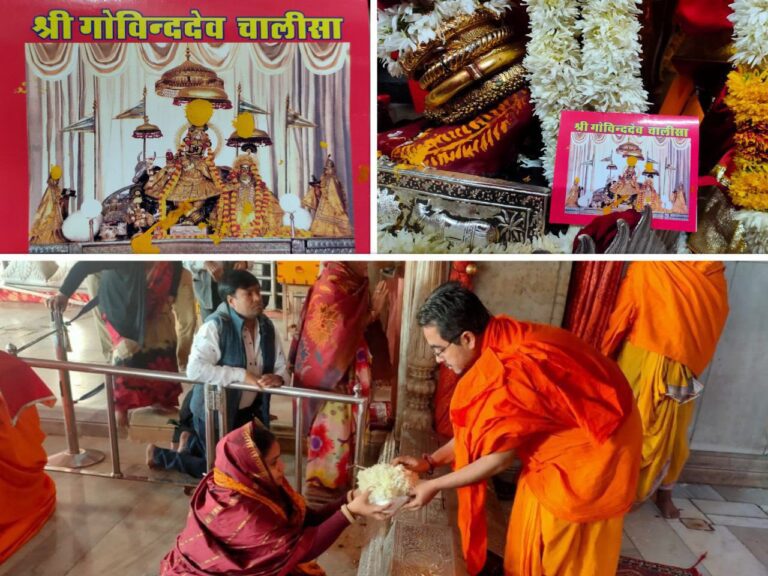
Kalyanji Temple
Kalyanji Temple in Jaipur's Chandpol Bazaar is approximately two centuries old and renowned for displaying the twenty-four avatars of Krishna, visible only twice yearly during Akha Teej and Patottsav festival.
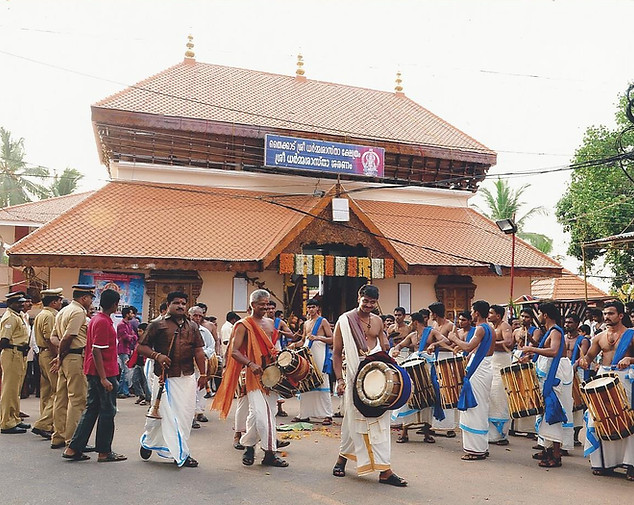
Sastha (Ayyappan) Temple
Sree Dharma Sastha Temple in Thycaud, Thiruvananthapuram, is a centuries-old shrine where the deity manifests as Dhanwanthari, the divine healer, holding the sacred blue lotus.
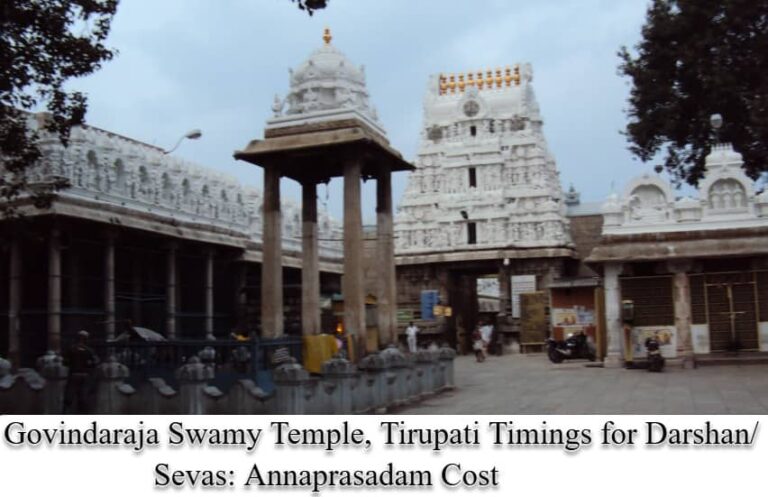
Govindarajaswamy Temple
Sri Govindarajaswamy Temple in Tirupati is an ancient Vaishnavaite shrine consecrated in 1130 AD by Saint Ramanuja, where the presiding deity rests in eternal Yoga Nidra on the serpent Adisesha.