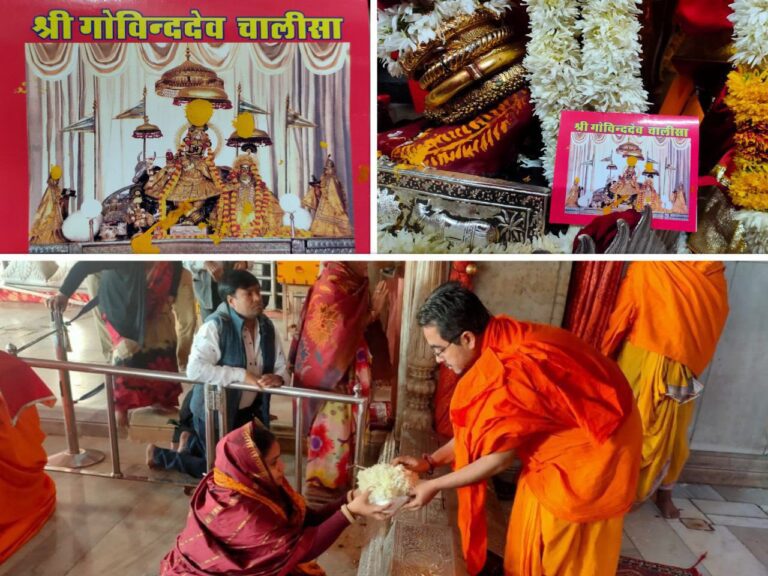
Radha Madhab Temple
About Radha Madhab Temple
The temple's establishment in the 18th century places it within Bishnupur's rich religious landscape. Bishnupur, accessible by road and rail from Kolkata, has long been a centre of Hindu worship and cultural practice in West Bengal. The town's location and connectivity make it reachable for pilgrims and visitors from across the region.
The specific architectural details and historical developments of Radha Madhab Temple remain undocumented in available sources. Visitors interested in the temple's construction, renovations, or architectural features are encouraged to inquire with temple staff upon arrival, who can provide local knowledge and context.
Daily Worship and Darshan
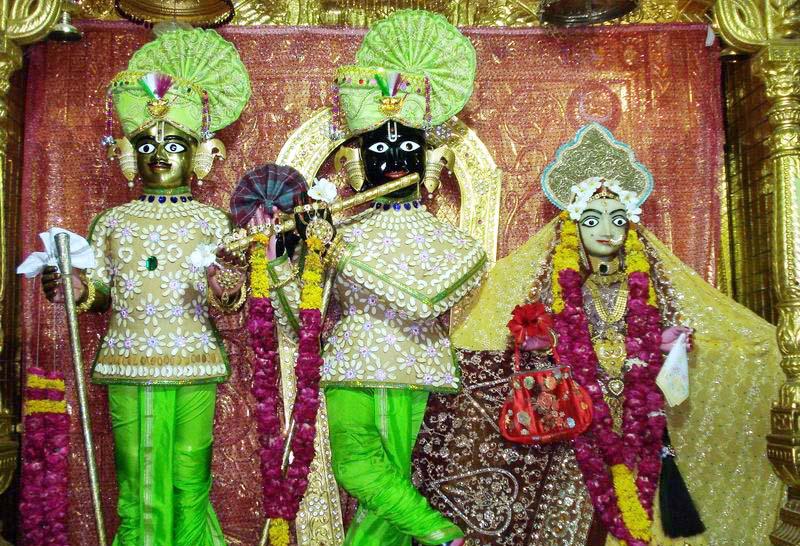
Temples dedicated to Radha and Krishna typically organize their daily worship around multiple darshan periods—opportunities for devotees to see and commune with the deities. While the exact schedule at Radha Madhab Temple is not currently documented, the tradition generally involves offerings of flowers, incense, and prasad (blessed food distributed to worshippers) throughout the day.
Darshan forms the heart of worship here. Devotees visit to stand in the presence of the divine couple, a practice understood as spiritually transformative within this tradition. The specific timings of darshan and ritual observances at this temple vary and may change seasonally. Visitors should contact the temple directly or inquire locally upon arrival to learn current opening hours and worship schedules.
Festivals and Celebrations
Radha and Krishna-centred temples observe a festival calendar tied to the divine couple's life and significance. Janmashtami, marking Krishna's birth, and Radha Ashtami, celebrating Radha's appearance, are major observances. Holi, the festival of colours, holds particular importance in Krishna worship, commemorating the divine play and joy associated with the deity.
Diwali, the festival of lights, is also observed with significance in Krishna temples, reflecting the broader Hindu calendar. These festivals draw increased numbers of devotees and typically involve special rituals, decorations, and communal celebrations. Visitors planning to attend during festival periods should verify specific dates and arrangements with the temple in advance.
Visiting: Dress and Etiquette
Modest dress is expected when entering the temple. Visitors should cover shoulders and knees—standard practice across Hindu temples. Footwear is removed before entering the sanctum, the innermost sacred space where the deities are housed. These practices reflect respect for the sacred space and the deities worshipped within.
Temple staff can guide visitors through any specific protocols or practices upon arrival. Participation in worship, offerings, and receipt of prasad follows temple customs, which vary by individual practice and temple tradition.
Getting There
Radha Madhab Temple is located at coordinates 23.059611°N, 87.324522°E in Bishnupur, West Bengal. The town is well-connected by road and rail to Kolkata and other parts of West Bengal, making it accessible for pilgrims and visitors. Those travelling by public transport can reach Bishnupur via train or bus services that connect to major cities in the region.
Before You Visit
Current opening hours and specific darshan timings for Radha Madhab Temple are not available in documented sources. Visitors are advised to contact the temple directly or check locally upon arrival, as schedules may vary seasonally and according to local observances and festivals. This direct inquiry ensures you receive accurate, up-to-date information for planning your visit.
How to reach
Temples near Radha Madhab Temple
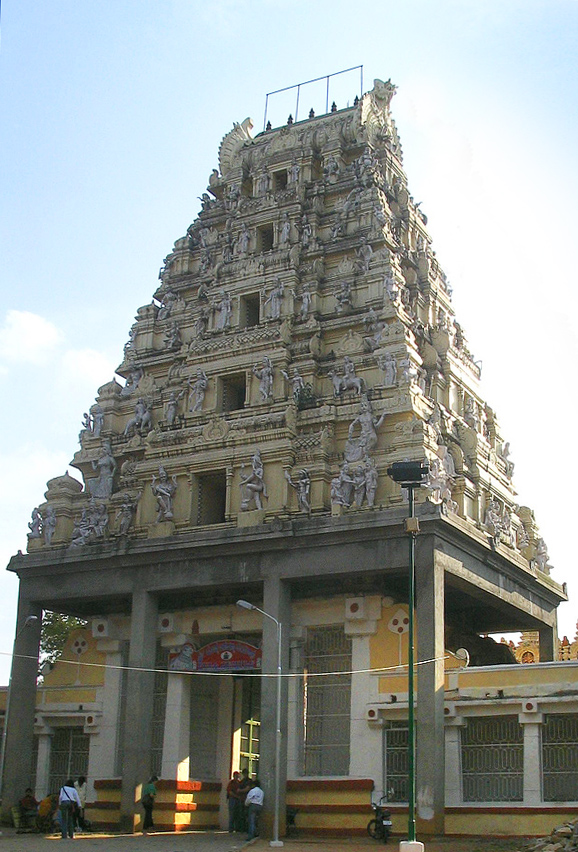
Rasmancha
Rasmancha of Raghunath Temple in Jammu is a 19th-century shrine dedicated to Lord Rama, distinguished by its gold interiors and a dedicated Shaligram gallery housing sacred ston…

Temples of Bishnupur
Madan Mohan Temple in Bishnupur is a single-towered terracotta shrine dedicated to Lord Krishna, constructed in 1694 by the Malla dynasty and representing a distinctive architec…
Gokulchand temple
Gokulchand temple is a 17th-century stone pancharatna temple in Gokulnagar village, Bankura district, West Bengal, likely dedicated to Krishna based on its name.
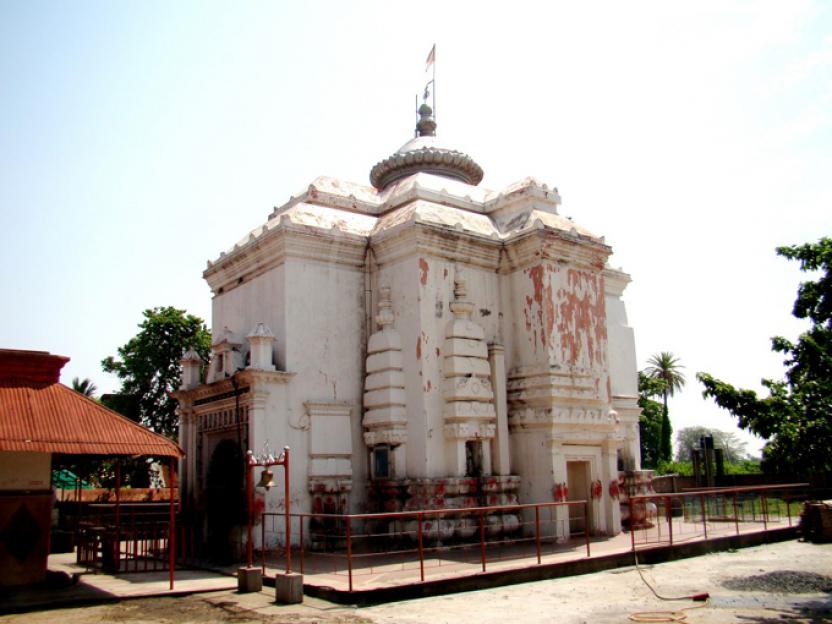
Ekteswar temple
Ekteswar Shiva Temple is an ancient Hindu shrine dedicated to Lord Shiva, located on the riverbank near Lalbazar in Bankura district, West Bengal. Built in the Nagara architectu…
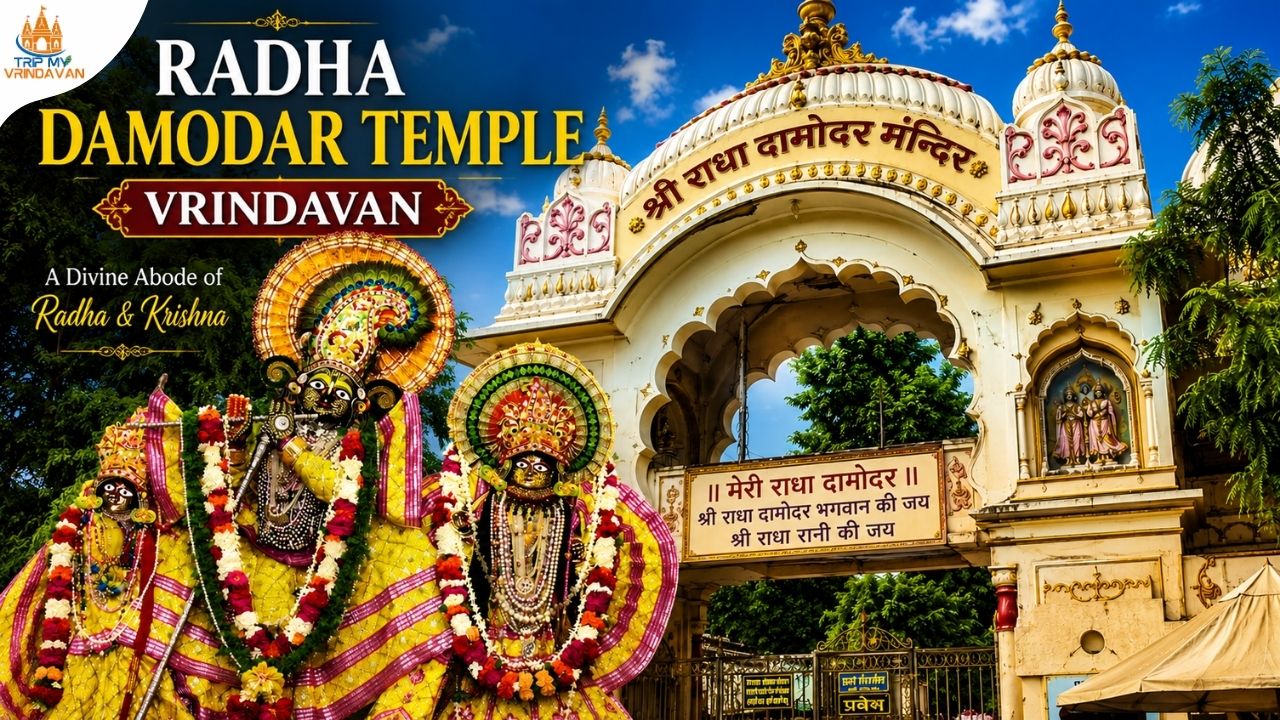
Rasmancha of Damodar
Radha Damodar Temple in Seva Kunj, Vrindavan, is a small but spiritually significant shrine dedicated to Radha Damodar (Krishna), deeply associated with the six Goswamis of Vrin…
Rasmancha of Radhagobinda temple
The Rasmancha of Radha Gokulananda temple, established in the 16th century at Keshi Ghat in Vrindavan, is a Gaudiya Vaishnava shrine dedicated to Radha and Krishna with daily wo…