Ranganathaswamy Temple, Nirthadi
About Ranganathaswamy Temple, Nirthadi
The temple is dedicated to Ranganatha, a form of Vishnu depicted in a reclining posture. Ranganatha temples belong to the Vaishnava tradition and typically follow the Pancharatra liturgical system. While the primary deity's specific iconography and associated consort are not detailed in available records, temples of this tradition generally maintain daily worship cycles centered on the deity's rest and awakening. The temple's reconstruction in the late 17th century reflects the architectural and devotional practices of the post-Vijayanagara era, a period when many temples were rebuilt with renewed attention to structural integrity and ritual function.
Location and Access
Nirthadi is a village in Davangere district in the state of Karnataka, situated at coordinates 14.35303°N, 76.1468°E. The temple is protected by the Karnataka state division of the Archaeological Survey of India, ensuring its preservation as a heritage monument. Visitors traveling to the temple should plan their route through Davangere district, with the village location providing a rural setting typical of many heritage temples in the region. The ASI protection status means the site is maintained to conservation standards, though facilities may be limited compared to larger urban temples.
Worship and Daily Rituals
As a post-Vijayanagara reconstruction, the temple follows traditional liturgical patterns established during that architectural period. Temples dedicated to Ranganatha typically observe daily worship cycles that mark the deity's symbolic rest and awakening. The specific timings of rituals at Nirthadi are not documented in available sources, so visitors should inquire locally or contact the temple administration before planning their visit. The temple's inscription records and architectural features suggest it maintains continuity with 17th-century devotional practices, though contemporary worship arrangements should be confirmed directly with temple authorities.
Architecture and Monument Status
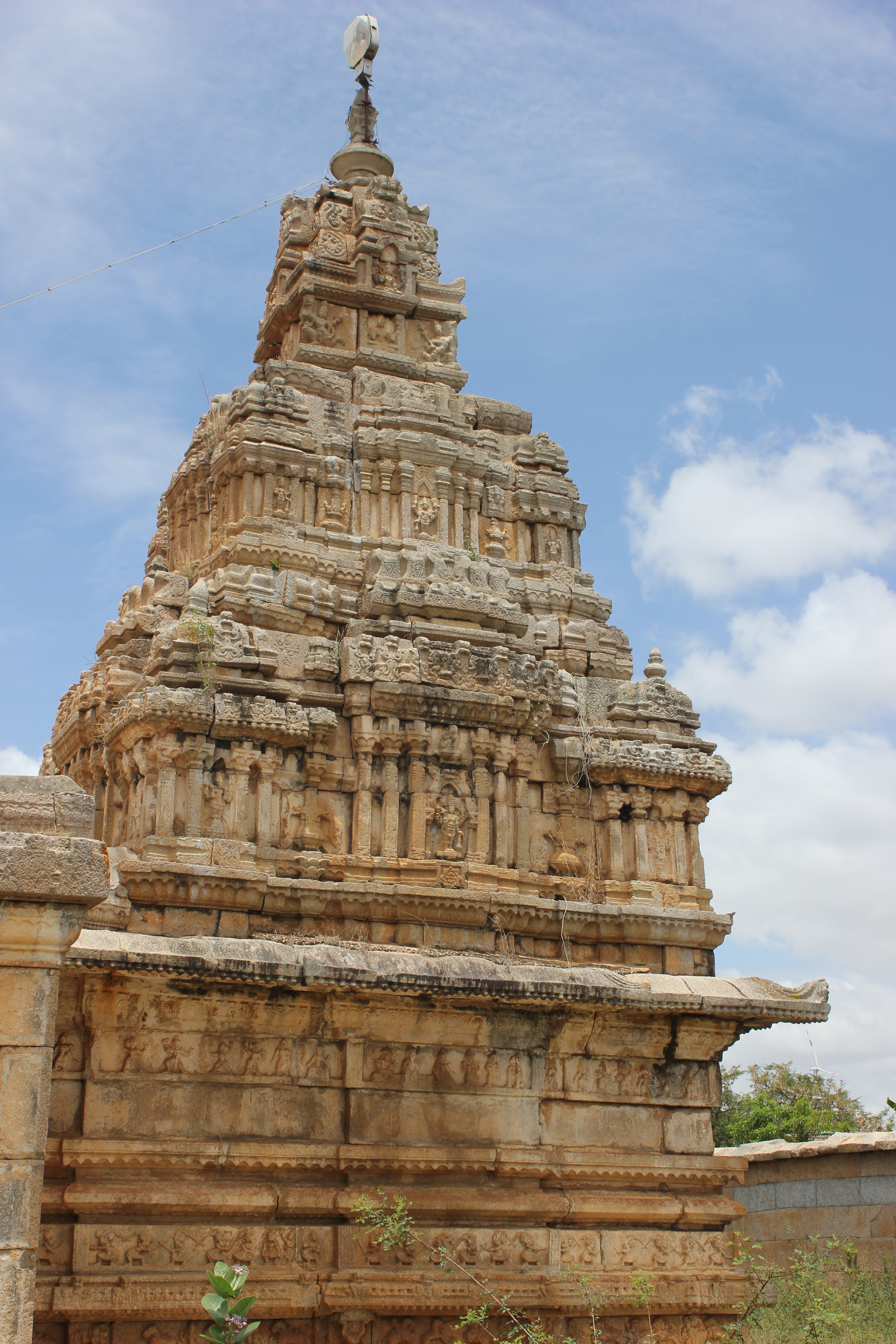
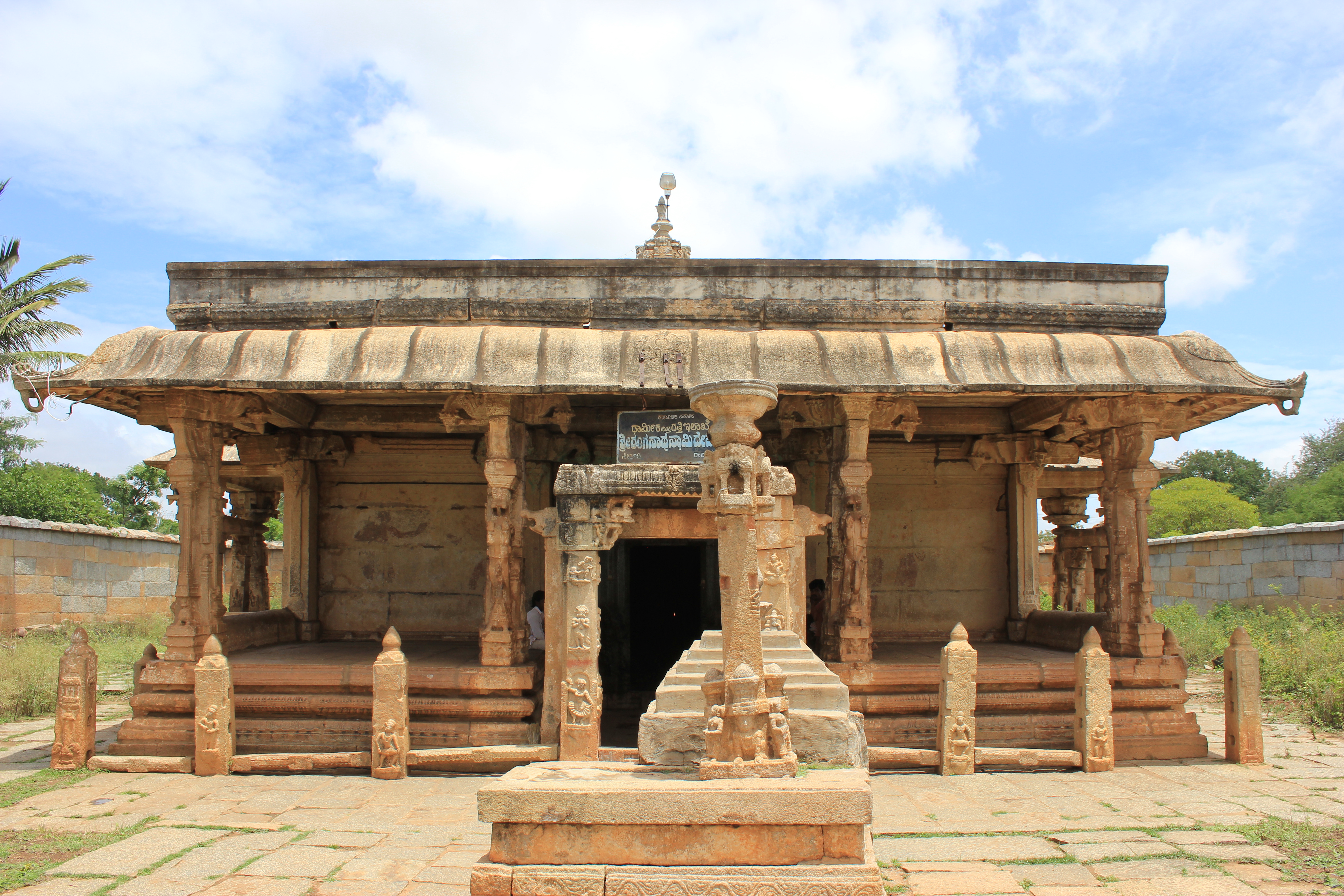
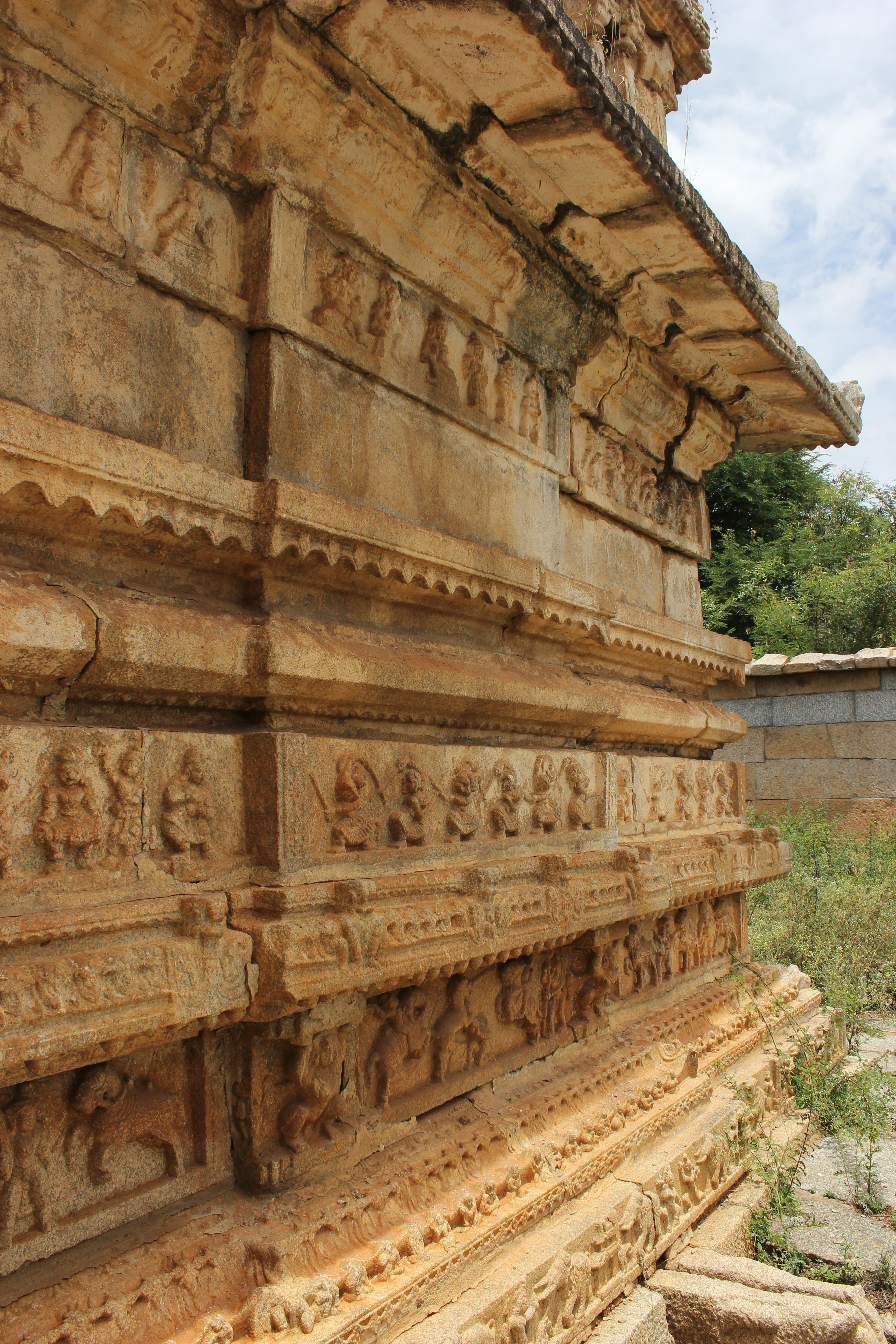
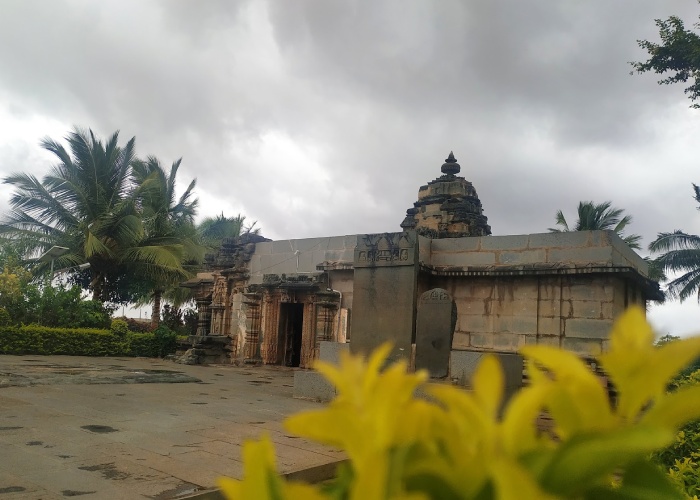
The temple represents post-Vijayanagara reconstruction techniques and design principles. Its status as a protected monument under the Archaeological Survey of India indicates architectural or historical significance worthy of preservation. The 1698 reconstruction would have incorporated building methods and stylistic elements characteristic of that period, though specific details of the temple's layout, gopurams, or mandapas are not provided in available documentation. Visitors interested in the architectural features of the temple or its historical reconstruction should consult with ASI officials or local temple authorities who can provide detailed information about the structure's design and restoration work.
Visiting Information
Visitors should contact the temple administration or local Davangere district authorities for current information regarding opening hours, entry procedures, and any facilities available. As a protected archaeological monument, the temple may have specific guidelines for visitors. Modest dress is customary when visiting Hindu temples. The rural location means that amenities such as accommodation or food services may be limited, and visitors should plan accordingly. It is advisable to check locally about the best times to visit and any ongoing conservation work that might affect access. The temple's historical significance as a rebuilt structure from 1698 makes it of particular interest to those studying post-Vijayanagara religious architecture and the resilience of Hindu temple traditions.
How to reach
Temples near Ranganathaswamy Temple, Nirthadi
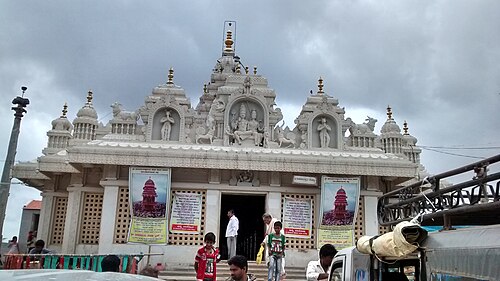
Sri Shiva Narada Muni Temple, Chigateri
Sri Shiva Narada Muni Temple in Chigateri, Karnataka, is one of the most prominent temples dedicated to Narada Muni, the legendary divine sage revered in Hindu tradition as the…
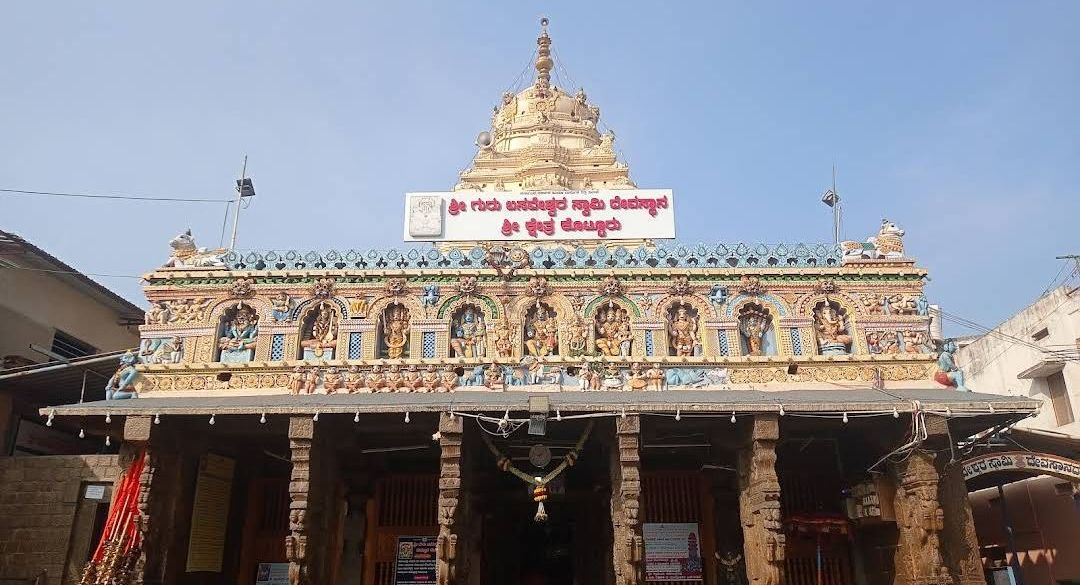
Shri Guru Kottureshwara Temple
Shri Guru Kottureshwara Temple is an ancient shrine dedicated to Lord Shiva located in Kotturu village, Vijayanagara District, North Karnataka, revered in the Veerashaiva tradit…
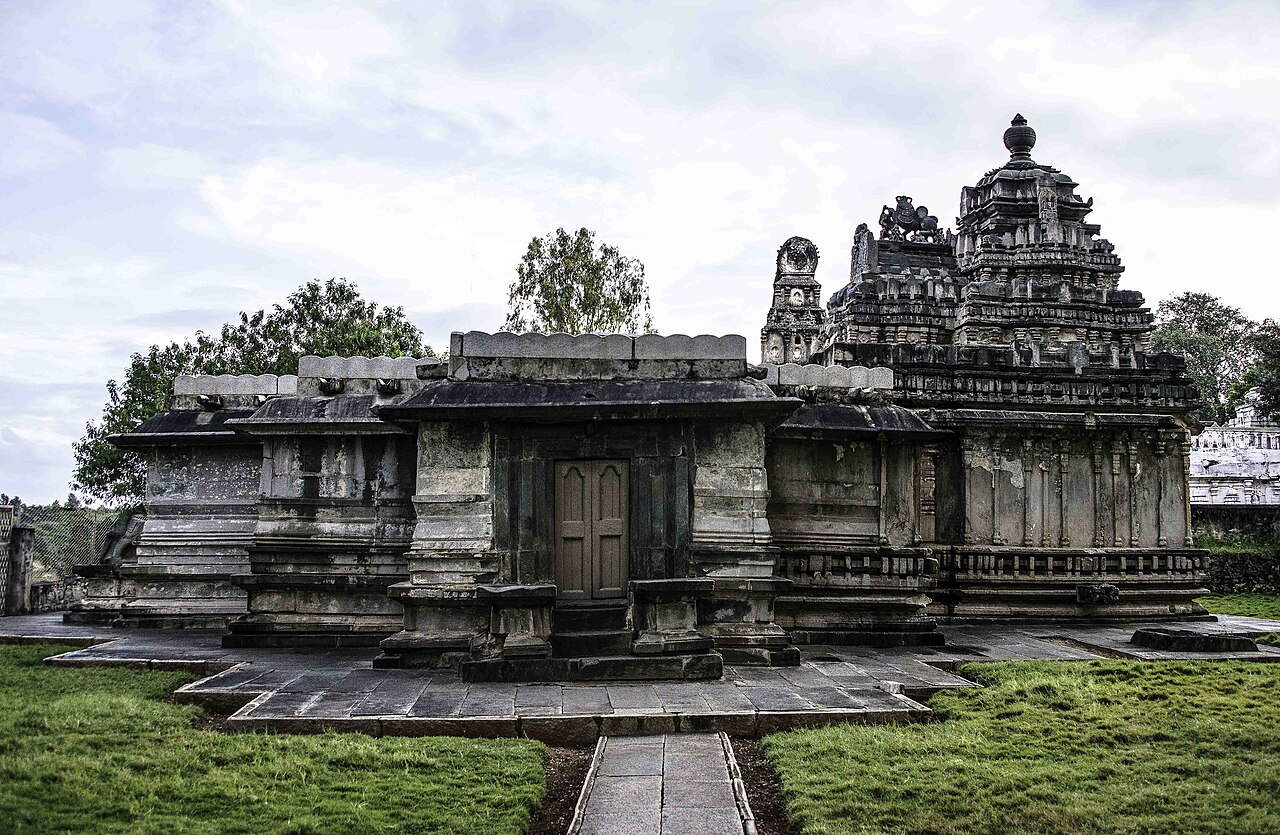
Rameshvara Temple, Koodli
The Rameshvara Temple is a 12th-century Shiva shrine in Koodli, Shimoga district, representing an early phase of Hoysala temple architecture with restrained Vesara styling.
Teru Malleshvara Temple, Hiriyur
The Teru Malleshvara Temple in Hiriyur is a Vijayanagara-era shrine dedicated to Shiva, situated on the Vedavati River's right bank near Chitradurga. It is celebrated annually t…

Mylara Lingeshwara Temple
Mylara Lingeshwara Temple is a historic Hindu shrine dedicated to Shiva, located on the right bank of the Tungabhadra River in Karnataka's Vijayanagara district. The temple is r…
Kalleshwara Temple, Hire Hadagali
Kalleshwara Temple in Hire Hadagali is an 11th-century Western Chalukya shrine dedicated to Lord Shiva, built by Demarasa during the reign of King Someshvara I. The temple showc…