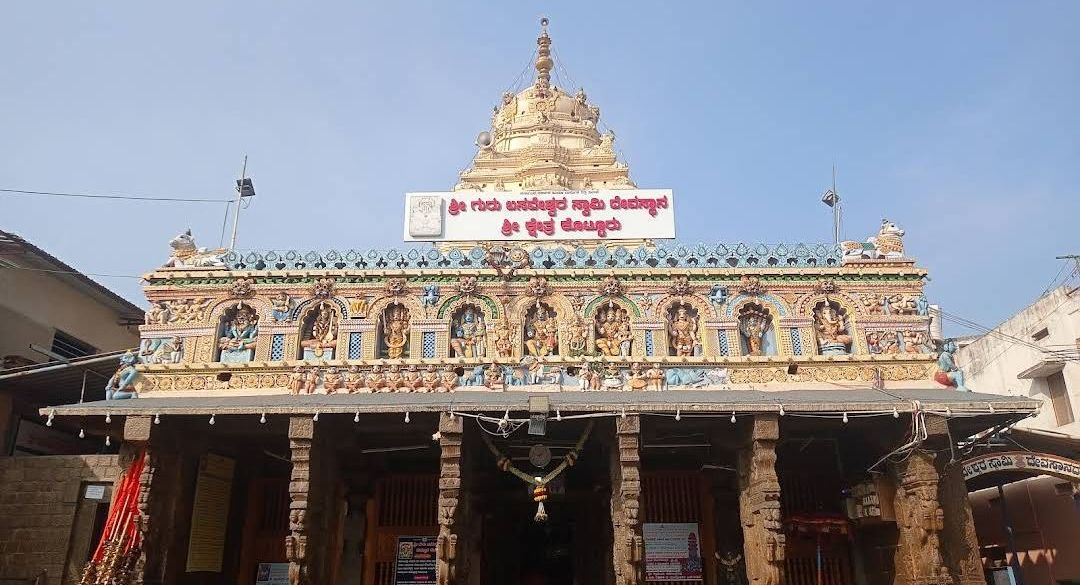
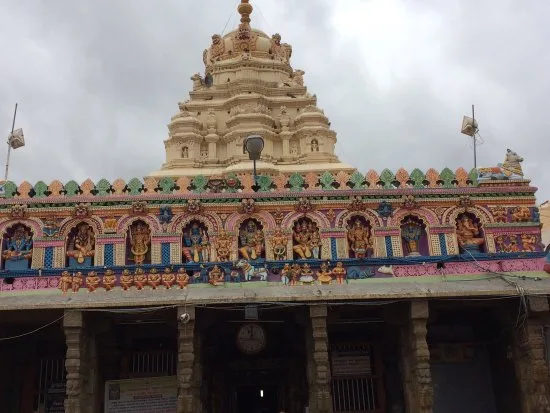

Shri Guru Kottureshwara Temple
About Shri Guru Kottureshwara Temple
The temple opens at 04:00 in the morning and closes at 22:30 in the evening, accommodating both those who prefer early worship—a traditional practice in Hindu devotion—and visitors whose daily schedules permit only evening visits. This extended schedule reflects the temple's role as a living place of worship rather than a museum or heritage site.
Specific timings for daily rituals and aartis are not documented in available sources, and these may also shift during festival periods. Visitors should confirm such details directly with the temple upon arrival. Darshan, the act of viewing the deity and receiving blessings, follows the customs of Veerashaiva practice. As in most Hindu temples, visitors should remove footwear before entering the sanctum and dress modestly and respectfully. Photography policies vary by temple; these should be confirmed at the entrance.
Festivals and Celebrations
The temple observes several significant festivals throughout the year. Karthikotsava, celebrated in December, draws devotees during this auspicious month in the Hindu calendar. Mahashivarathri, the great night dedicated to Lord Shiva, is marked with special reverence at the shrine.
The Rathotsava, a chariot procession festival typically held in February or March, stands as one of the temple's most visually elaborate celebrations. During this festival, the deity is carried in a decorated chariot through the surrounding area, an event that attracts substantial crowds and transforms the temple grounds with festive decoration and activity. The period from January through April represents the temple's most vibrant season, combining pleasant weather in North Karnataka with the observance of major festivals. December is also recommended for those wishing to experience Karthikotsava. Exact festival dates follow the lunar calendar and vary from year to year; visitors planning to attend specific celebrations should verify dates in advance.
Location and Access
Shri Guru Kottureshwara Temple is located in Kotturu village at coordinates 14.82°N, 76.21°W. It lies 19 kilometres from Kudligi, 28 kilometres from Harapanahalli, 70 kilometres from Davanagere, and approximately 253 kilometres from Bengaluru. The temple's rural setting means that private transport or hired vehicles are advisable, as public transport options may be limited in the area.
Travellers from Bengaluru should allow approximately five to six hours for the journey. The nearest towns offer basic facilities, though visitors should plan accordingly for a rural temple environment. Those visiting during warmer months should carry sufficient water and provisions. When planning a visit around specific festival dates or preferred darshan times, allow extra time for travel.
Best Times to Visit
January through April offers the most rewarding experience of the temple, combining the celebration of major festivals with generally pleasant weather across North Karnataka. December is particularly recommended for those interested in experiencing Karthikotsava. Outside these months, the temple remains open and accessible to worshippers, though the atmosphere is quieter and the weather warmer. Visitors should consider their own preferences—whether they seek the energy and crowds of festival periods or the more contemplative setting of quieter times—when planning their visit.
How to reach
You may also visit
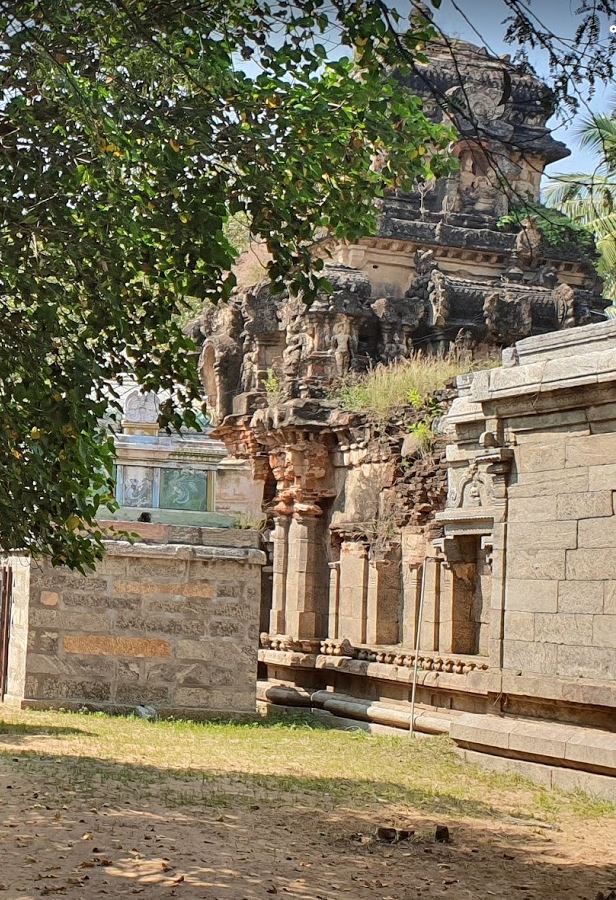
Agatheeswarar Temple, Karur
Agatheeswarar Temple in Thirumukkudalur, Karur district, is an ancient Hindu shrine dedicated to Shiva, situated at the sacred confluence of three rivers and believed to be over 1000 years old.
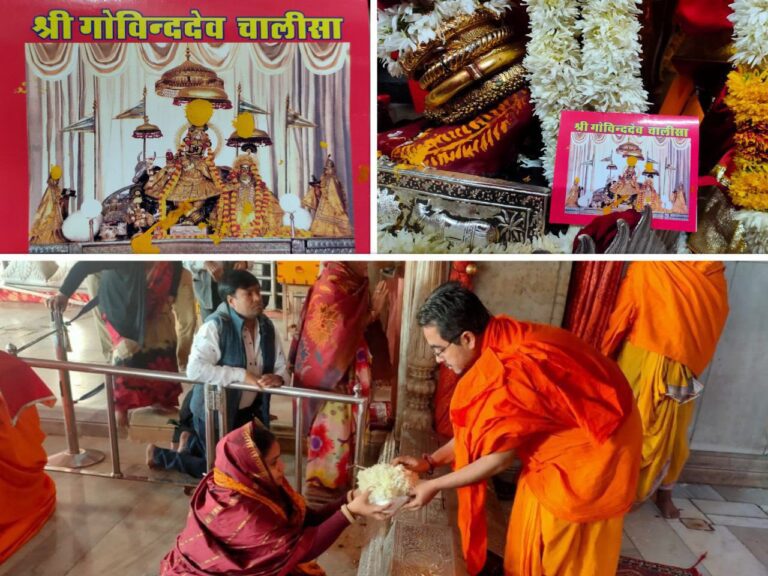
Kalyanji Temple
Kalyanji Temple in Jaipur's Chandpol Bazaar is an ancient Krishna shrine established in the 1820s, renowned for its seven daily aartis and special avatar darshan ceremonies during Akha Teej and Patottsav festivals.
Rani Sati Mandir Mahuda
Rani Sati Mandir in Mahuda, Dhanbad District, is a Hindu temple established in 1992 that serves as a spiritual center for the local community and attracts devotees seeking blessings.