Radheshyam Temple, Begusarai
About Radheshyam Temple, Begusarai
The Radheshyam Temple represents a distinctive architectural fusion of traditional Indian temple design with colonial-era influences, a style known as Indo-Western. The structure rises to a height of approximately 20 metres and sits upon a raised masonry platform elevated roughly one metre above ground level, a feature that both protects the sanctum and creates visual prominence within the landscape. Entry to the complex occurs through a substantial gateway that opens into a spacious outer courtyard measuring 34 by 27 metres, providing an expansive forecourt before visitors reach the main mandapa (hall). The core temple building itself follows a rectangular plan, characteristic of North Indian shrine architecture adapted to the regional building traditions of Bihar.
Interior Murals and Artistic Heritage
The temple holds regional significance for its collection of traditional murals, which constitute an important artistic record of 19th-century devotional expression. These painted surfaces represent the visual theology and aesthetic sensibilities of the period, offering insight into how Radha and Krishna were depicted and understood within this community. The murals form part of the temple's cultural value beyond its function as an active place of worship, making the interior spaces of interest to those studying regional religious art and architectural heritage.
Worship of Radha and Krishna
The temple's dedication to Radha and Krishna places it within the bhakti tradition that emphasizes devotional love and personal relationship with the divine. Temples dedicated to this divine pair typically focus on the themes of divine love, devotion, and the spiritual journey of the soul toward the divine. Visitors to such temples generally engage in darshan (viewing of the deity), circumambulation of the sanctum, and participation in ritual observances according to the temple's established practices. The specific daily rituals, timings, and festival observances at this temple are not detailed in available sources; visitors should inquire locally upon arrival or contact the temple directly for current information regarding worship hours and ceremonial schedules.
Location and Access
The Radheshyam Temple is situated in Ulao, within Begusarai district in Bihar. The temple's coordinates are 25.69889°N, 86.16194°E. Begusarai is accessible by road from Patna, the state capital, and the town itself has road connections to surrounding regions. Visitors planning a journey should verify current transportation options and road conditions, as infrastructure in rural Bihar areas may vary seasonally. Local inquiry in Begusarai or Ulao will provide the most reliable guidance for reaching the temple from major transit points.
Visiting Considerations
As an active Hindu temple, visitors should observe standard etiquette: remove footwear before entering the sanctum, dress modestly, and approach the deity with respectful demeanor. Photography policies vary by temple; it is courteous to ask permission before photographing the interior or murals. The temple's age and heritage status mean that some areas may have uneven surfaces or limited modern facilities; visitors should come prepared for basic conditions. Since specific information about current darshan timings, prasad (blessed food) distribution, and available amenities is not documented in accessible sources, contacting the temple in advance or arriving early in the day will help ensure a meaningful visit. The raised platform and courtyard design suggest the temple can accommodate modest numbers of visitors, though peak times may vary with local festivals and observances.
How to reach
Temples near Radheshyam Temple, Begusarai
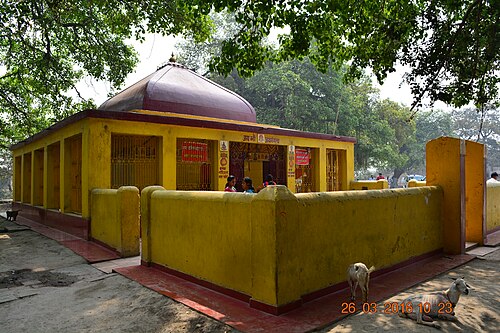
Jaimangla Garh Temple
Jaimangla Garh Temple, situated on an island in Kanwar Lake near Begusarai, Bihar, is an ancient shrine dedicated to Goddess Chandi Mangla Devi, believed to date from the 9th–10…

Naulakha Mandir, Begusarai
Naulakha Mandir in Bishanpur, Begusarai, is a Hindu shrine dedicated to Rama and Sita, established in 1953 by saint Mahavir Das. The temple welcomes devotees daily with traditio…
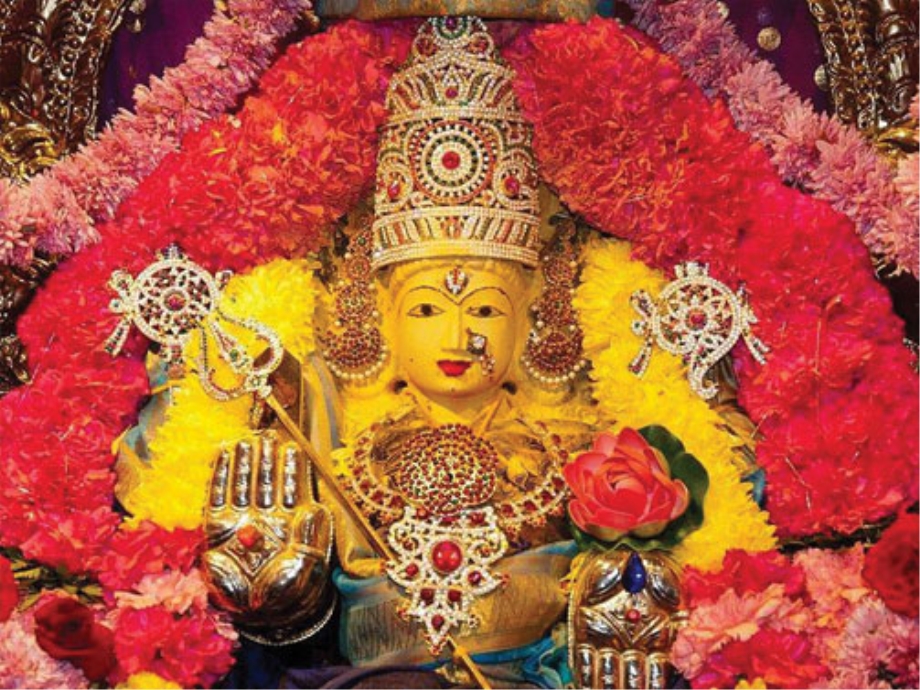
Chandika Sthan
Chandika Sthan is a sacred Shakti Peetha temple in Munger, Bihar, where devotees believe the left eye of Sati Devi fell during the mythological Daksha Yaga incident.

Baba Mukteshwarnath Dham
Baba Mukteshwarnath Dham is a Hindu temple dedicated to Lord Shiva located in Deohar village, Madhubani district, Bihar. Regarded as one of the finest temples in the region, it…
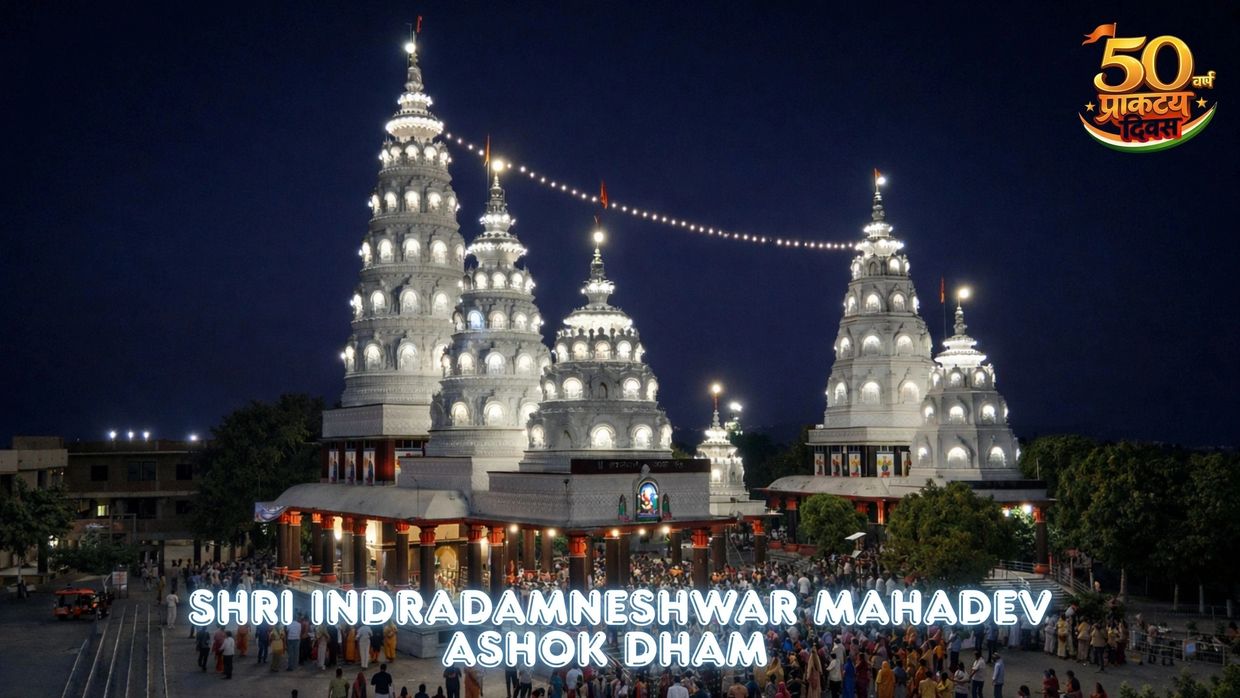
Ashokdham Temple
Ashokdham Temple, also known as Indradamneshwar Mahadev Mandir, is a Shiva temple complex in Lakhisarai district, Bihar, reconstructed in 1993 and comprising multiple shrines de…
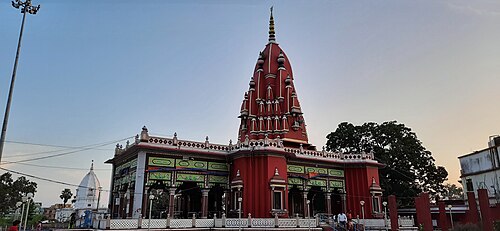
Shyama Mai Temple
Shyama Mai Temple in Darbhanga, Bihar is a Kali shrine built in 1933 on the cremation ground of Maharaja Rameshwar Singh, serving as a major center for goddess worship and Mangl…