


Naulakha Mandir, Begusarai
About Naulakha Mandir, Begusarai
The temple was established in 1953 by saint Mahavir Das in the village of Bishanpur, within Begusarai district. This mid-twentieth-century foundation places it among the modern temples of Bihar, built during a period of significant temple construction across India. The circumstances of its founding and the spiritual vision that guided its creation remain largely undocumented in available sources, though its continued presence and active worship suggest it has become an established place of devotion for the local community and visiting pilgrims.
Architecture and Layout
The temple follows traditional Hindu architectural principles while maintaining a modest and accessible character suited to daily worship. The structure includes a sanctum where the deities are housed, prayer halls for devotees, and decorative religious elements appropriate to the shrine's dedication. Rather than elaborate ornamentation, the design emphasizes simplicity and ease of movement, creating an inviting atmosphere for worshippers of all ages and physical abilities. This straightforward approach prioritizes the spiritual experience of visitors over architectural grandeur, making the space welcoming for meditation and prayer.
Daily Worship and Spiritual Life
The temple operates as an active center of daily worship, with devotees arriving throughout the day to offer prayers and seek darshan. Visitors participate in traditional Hindu rituals and spend time in meditation and reflection within the temple's peaceful atmosphere. Despite its location within reach of Begusarai city, the shrine provides a contemplative environment conducive to spiritual practice. The rhythm of temple life centers on the continuous flow of worshippers and the regular observances that structure the devotional calendar.
Festivals and Celebrations
As a shrine dedicated to Rama and Sita, the temple becomes particularly active during festivals significant to these deities. Ram Navami, which celebrates Rama's birth, and Diwali are occasions when the temple draws both regular worshippers and occasional visitors for special ceremonies and heightened devotional activity. These festivals transform the temple into an important local gathering place, though the specific observances and arrangements at this particular shrine are not detailed in available sources. Visitors planning to attend festival celebrations should inquire locally about dates, timings, and any special arrangements that may be in place.
Visiting Information and Practical Details
The temple is open daily from 06:00 to 21:00, with early morning and evening hours offering particularly peaceful conditions for worship. Standard temple etiquette applies: remove footwear before entering the sanctum, dress modestly, and maintain a respectful demeanor during worship. Photography may be restricted in certain areas; observe any notices posted by temple authorities. Entry fees and specific facilities such as prasad distribution or ablution areas are not documented in available sources; visitors should inquire locally or contact the Begusarai district administration for current details regarding amenities and any offerings.
How to Reach Bishanpur
Bishanpur village is located within Begusarai district and is accessible from the city center by local transport or taxi. The district is well connected by road to surrounding regions. For those traveling from a distance, Patna Airport lies approximately 100 kilometers away, and regular train services connect Begusarai to most major regions of India. Personal vehicles can reach the temple via the district's road network. Visitors should allow time to locate the specific village address and may benefit from seeking local directions upon arrival in Begusarai, as the shrine is situated in a village setting rather than a major urban center.
How to reach

Temples near Naulakha Mandir, Begusarai
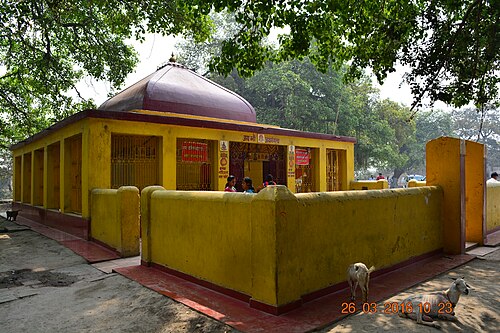
Jaimangla Garh Temple
Jaimangla Garh Temple, situated on an island in Kanwar Lake near Begusarai, Bihar, is an ancient shrine dedicated to Goddess Chandi Mangla Devi, believed to date from the 9th–10…
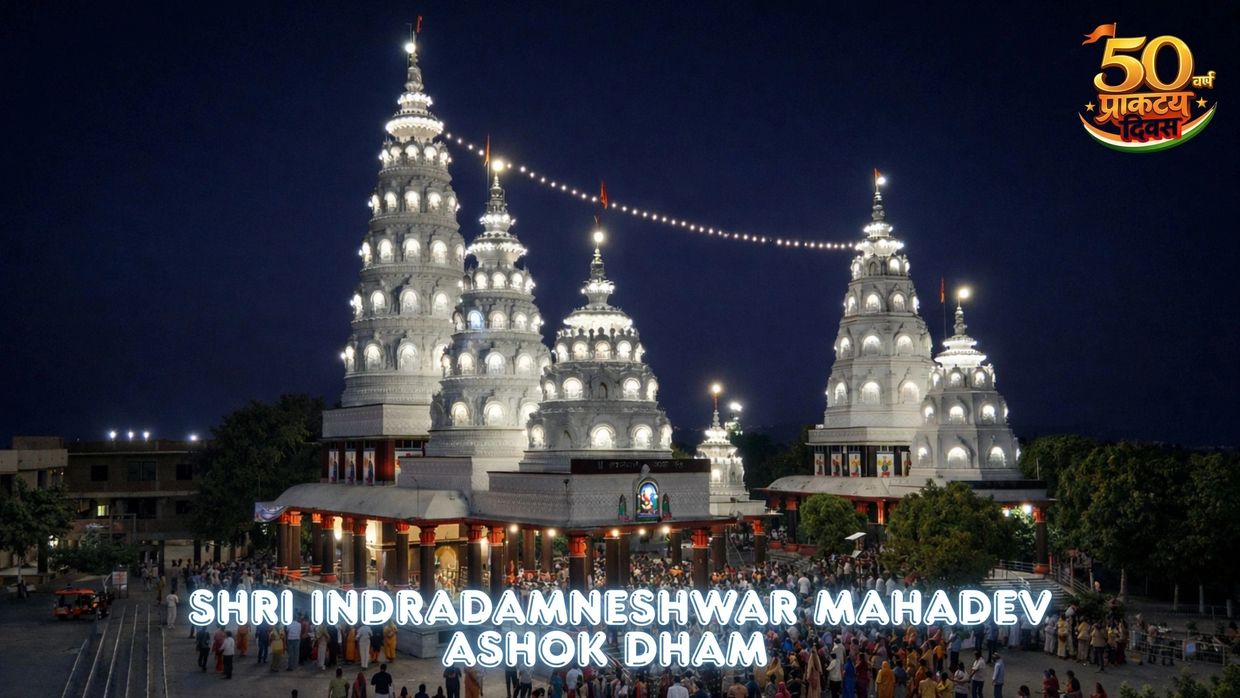
Ashokdham Temple
Ashokdham Temple, also known as Indradamneshwar Mahadev Mandir, is a Shiva temple complex in Lakhisarai district, Bihar, reconstructed in 1993 and comprising multiple shrines de…
Radheshyam Temple, Begusarai
The Radheshyam Temple in Begusarai, Bihar is a 19th-century Hindu shrine dedicated to Radha and Krishna, notable for its distinctive architectural style and collection of tradit…
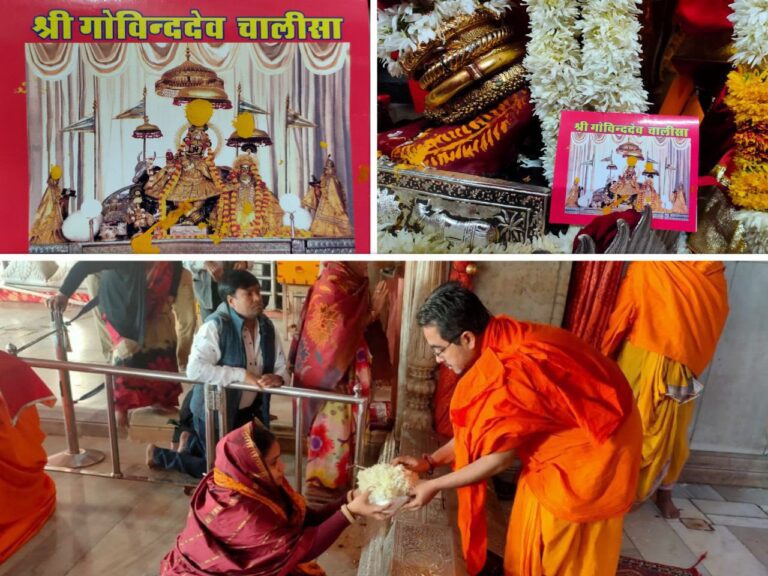
Sringri Rishi Dham
Shringi Rishi Dham is a Hindu temple in Bihar's Lakhisarai district, nestled at the base of hills with natural hot springs and waterfalls. Devotees visit to perform head-shaving…
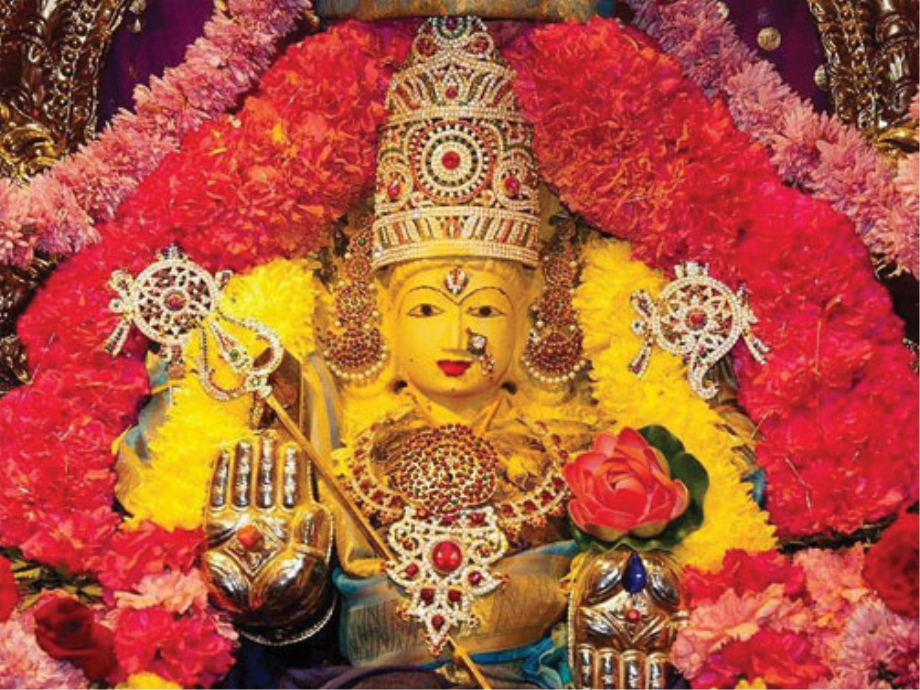
Chandika Sthan
Chandika Sthan is a sacred Shakti Peetha temple in Munger, Bihar, where devotees believe the left eye of Sati Devi fell during the mythological Daksha Yaga incident.
Mahavir Balaji Temple Karharia
Shri Shri 1008 Siya-Ram Bhakt Mahavir Balaji Mandir is a Hindu temple dedicated to Hanuman located in Maldih village, Banka district, Bihar. The temple is known for ritualistic…