


Baba Mukteshwarnath Dham
About Baba Mukteshwarnath Dham
The temple was established around the 1820s, making it approximately two centuries old. This dating places it within a period of significant temple construction and renovation across Bihar. The sources do not provide detailed accounts of its founding or early history, but the temple's longevity and continued maintenance suggest sustained community devotion across generations. The temple remains an active center of worship and ritual practice in its locality.
Daily Worship and Darshan
The temple opens daily from 5:00 AM to 9:00 PM, allowing devotees to visit during both early morning and evening hours. Morning visits align with traditional practices of Shiva worship, when many devotees perform their personal prayers and rituals. The temple conducts daily worship (puja) and maintains regular schedules for offerings and prayers. Visitors may encounter the main shrine during these times, though specific details about the inner sanctum and ritual procedures are best confirmed directly with temple staff.
The temple provides facilities for worship, including the services of Vedic priests who can assist with rituals and ceremonies. Those wishing to perform specific rites or observances can arrange these through the temple's booking system or by contacting the management directly.
Festivals and Sacred Occasions
Several festivals draw larger gatherings of devotees throughout the year. Shivaratri, the night dedicated to Shiva, represents the most significant observance at temples of this tradition. Baisakhi, marking the solar new year in many parts of India, and Navratri, the nine-day festival honoring the divine feminine, are also observed here. Additionally, Somvati Amavasya—the new moon day falling on a Monday—holds particular significance for Shiva devotees and draws worshippers to the temple.
The temple also conducts special observances during the month of Shravan (July-August), a period traditionally associated with intensified Shiva worship. Specific dates and details of upcoming festivals can be obtained from the temple's official channels.
Visiting the Temple: Practical Information
The temple is located in Deohar village, Andhrathari block, Madhubani district. Those planning a visit should note the daily timings of 5:00 AM to 9:00 PM. Visitors are advised to contact the temple in advance for information about specific rituals, facilities, or any special observances that may affect access on particular days. Contact numbers are available through the temple's official website and communications channels.
Dress modestly when visiting, as is customary at Hindu temples. Shoes are typically removed before entering the inner shrine areas. Visitors should approach the deity and sacred spaces with respect and follow any instructions provided by temple staff or priests.
Facilities and Support Services
The temple maintains a dharamshala (pilgrim rest house) for those requiring accommodation. Online donation facilities are available for those wishing to contribute to the temple's upkeep and development. The temple also offers e-services including online ritual bookings and live darshan (viewing of the deity) through digital platforms, making it accessible to devotees who cannot visit in person.
For inquiries, donations, ritual bookings, or technical assistance, the temple provides multiple contact channels through its official website and phone numbers listed in its directory.
Reaching Deohar
Deohar is situated in Madhubani district in the Mithilanchal region of Bihar. Visitors should plan their route using the village's coordinates (26.148960675, 85.9103526876) or by consulting local transportation services. The nearest major city is Madhubani. Those traveling from outside the region should arrange transport to Deohar village and inquire locally for directions to the temple, or contact the temple management for guidance on access routes.
How to reach
You may also visit
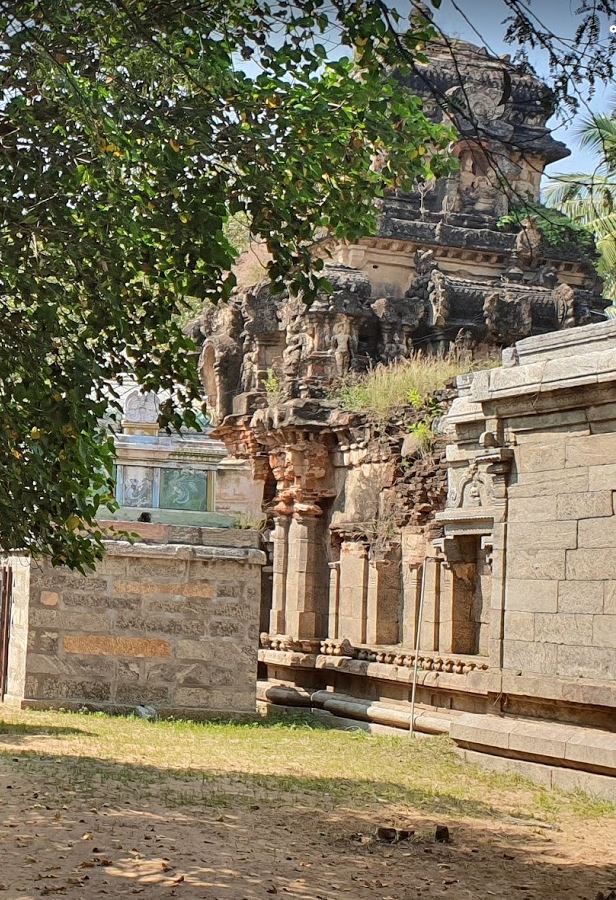
Agatheeswarar Temple, Karur
Agatheeswarar Temple in Thirumukkudalur, Karur district, is an ancient Hindu shrine dedicated to Shiva, situated at the sacred confluence of three rivers and believed to be over 1000 years old.
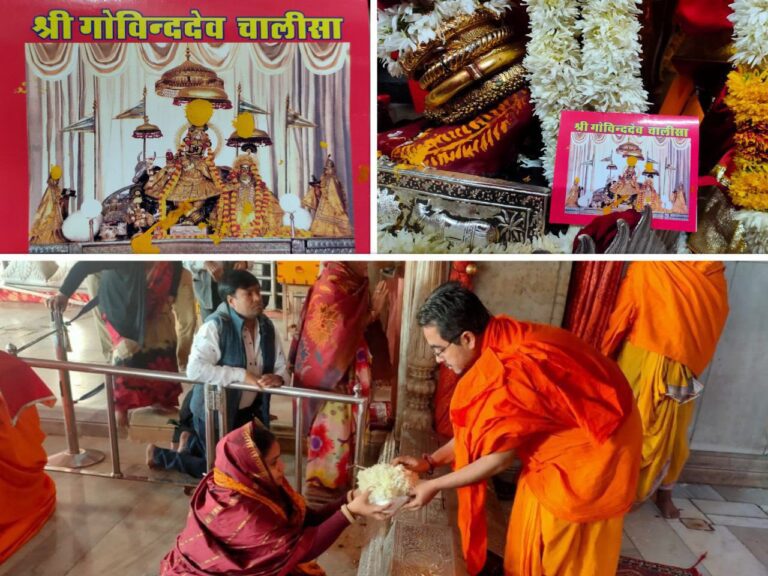
Kalyanji Temple
Kalyanji Temple in Jaipur's Chandpol Bazaar is an ancient Krishna shrine established in the 1820s, renowned for its seven daily aartis and special avatar darshan ceremonies during Akha Teej and Patottsav festivals.
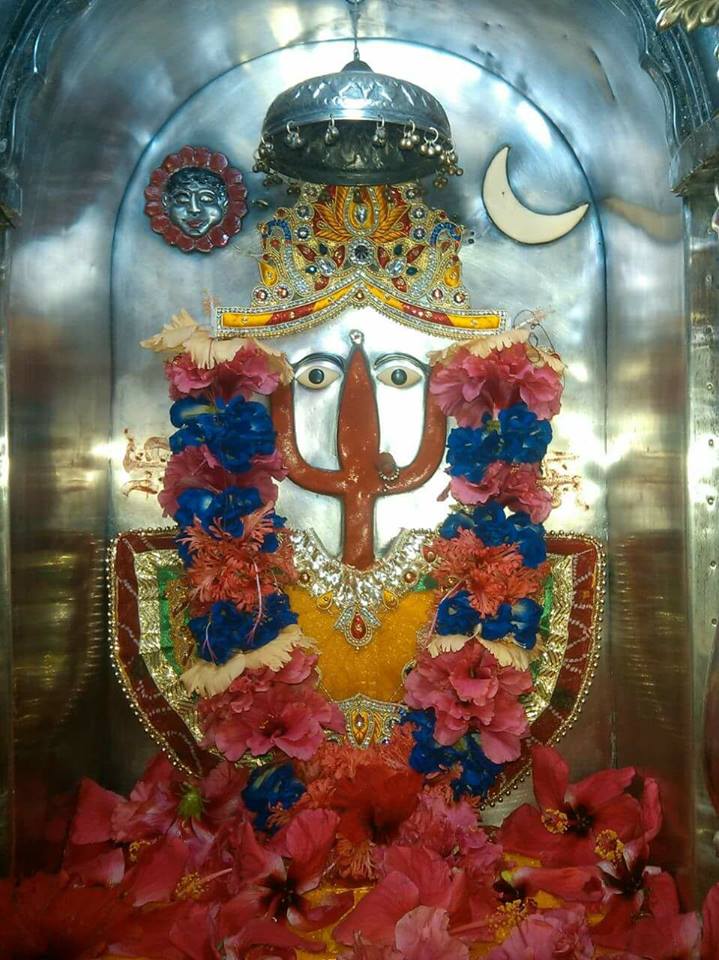
Rani Sati Mandir Mahuda
Rani Sati Mandir in Mahuda, Dhanbad District, is a Hindu temple established in 1992 that serves as a spiritual center for the local community and attracts devotees seeking blessings.