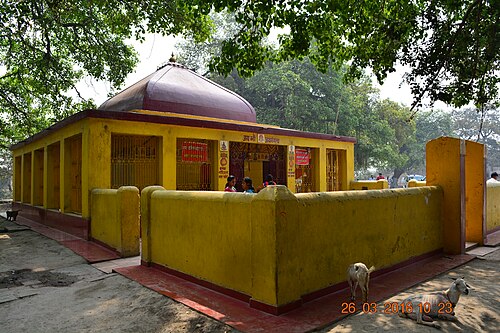

Jaimangla Garh Temple
About Jaimangla Garh Temple
The temple's foundations reach back to the 9th or 10th century CE, placing it among the region's older religious structures. The precise circumstances of its establishment and the architectural phases it has undergone remain undocumented in readily available sources. What is clear is that the shrine has endured for over a millennium, testament to its significance within local devotional life and the communities that have maintained it across centuries.
Worship and Darshan
Daily worship at the temple centers on the idol of Chandi Mangla Devi. The specific timings and detailed procedures of the priests' rituals are not documented in available sources, making it essential to inquire locally before visiting. Temples dedicated to goddess forms typically conduct regular puja ceremonies throughout the day, and visitors may participate in darshan—the viewing of the deity—which constitutes a central spiritual practice in Hindu worship. Darshan is understood as an exchange of blessings, with devotees receiving the goddess's grace through her presence.
Festivals and Observances
The temple observes several festivals throughout the year. Holi, the spring festival of colours, draws devotees to the shrine. Vasant Panchami, marking the arrival of spring, is also celebrated here. The temple participates in observance of Jagannath Rath Yatra, the chariot festival associated with Lord Jagannath. These occasions typically bring increased numbers of worshippers and may involve special rituals and gatherings, though specific details of ceremonies at this particular shrine are not available from documented sources.
Best Times to Visit
The dry season offers the most practical window for visiting, as water levels in Kanwar Lake recede and access to the temple becomes easier. During monsoon and wetter months, reaching the shrine may prove difficult or impossible depending on local conditions. Visitors planning a trip should time their journey accordingly and, given the temple's water-bound location, confirm current accessibility with local residents or authorities before setting out.
Visiting Etiquette and Practicalities
Modest dress is customary when visiting Hindu temples, and shoes are typically removed before entering the inner sanctum. Those unfamiliar with temple practices should observe other worshippers and follow their example. Photography policies vary between temples and should be confirmed upon arrival. Specific information about current temple timings, entry procedures, and facilities is not reliably documented, making it advisable to contact local authorities or residents of Jaimangla Garh village before planning a visit. Seasonal variations in water levels may significantly affect accessibility, so advance inquiry is particularly important for this shrine.
How to Reach the Temple
The temple is located at coordinates 25.5922°N, 86.1613°E in Jaimangla Garh village, within Kanwar Lake in Begusarai district, Bihar. The nearest significant city is Begusarai. The temple's position on or near the lake means that reaching it typically requires local knowledge and may involve water crossing, particularly during certain seasons. Visitors should arrange transport and access through local contacts or guides familiar with current conditions at Kanwar Lake.
How to reach
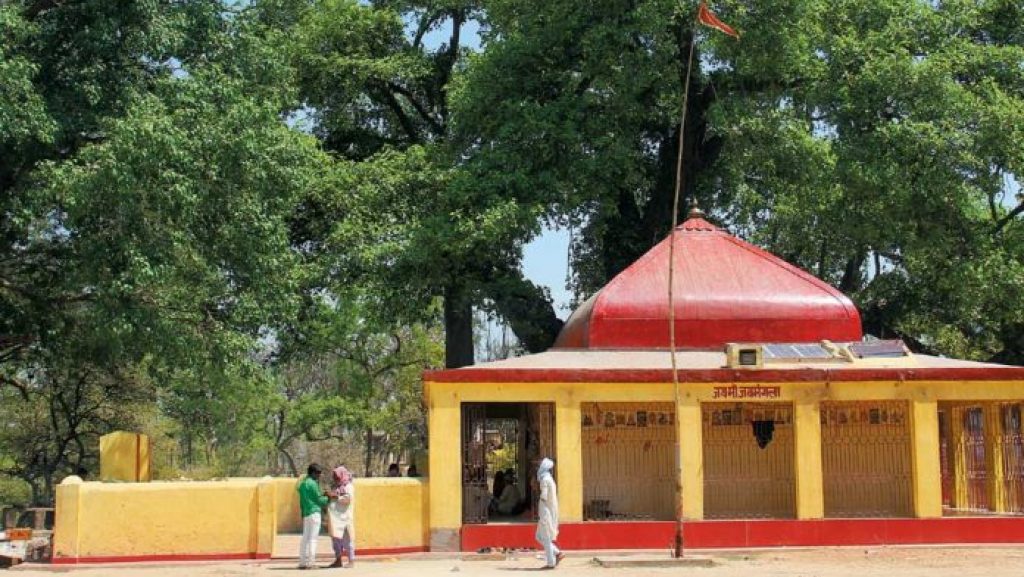
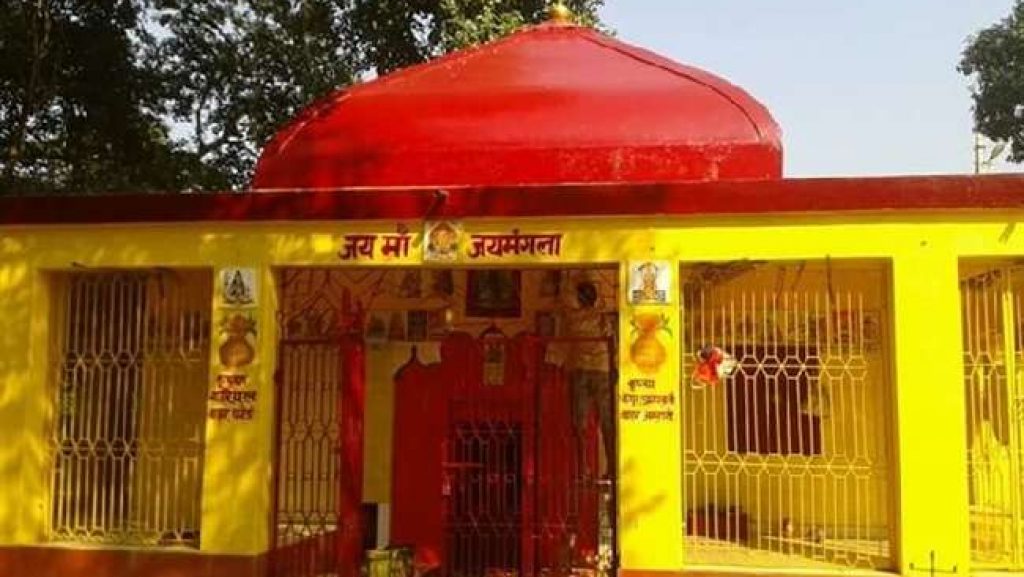

Temples near Jaimangla Garh Temple
Radheshyam Temple, Begusarai
The Radheshyam Temple in Begusarai, Bihar is a 19th-century Hindu shrine dedicated to Radha and Krishna, notable for its distinctive architectural style and collection of tradit…

Naulakha Mandir, Begusarai
Naulakha Mandir in Bishanpur, Begusarai, is a Hindu shrine dedicated to Rama and Sita, established in 1953 by saint Mahavir Das. The temple welcomes devotees daily with traditio…
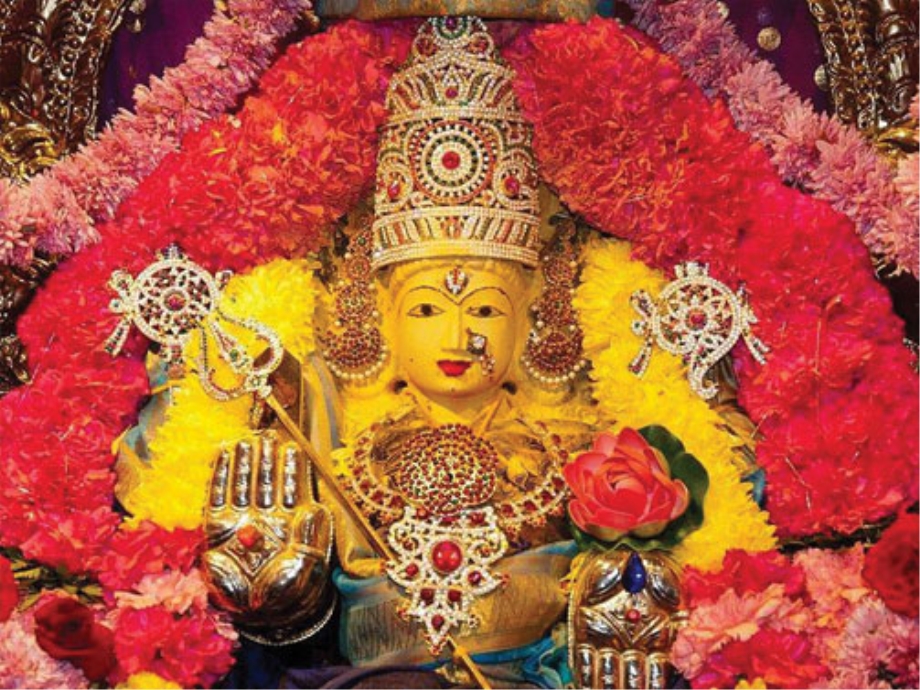
Chandika Sthan
Chandika Sthan is a sacred Shakti Peetha temple in Munger, Bihar, where devotees believe the left eye of Sati Devi fell during the mythological Daksha Yaga incident.
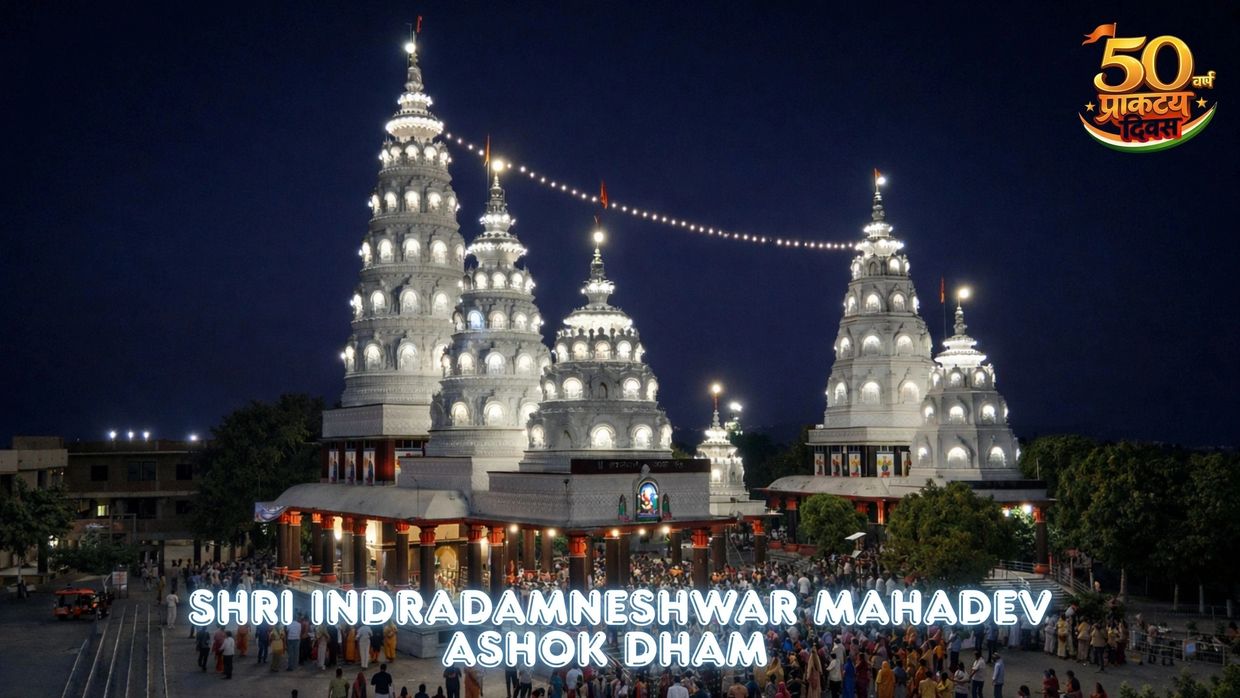
Ashokdham Temple
Ashokdham Temple, also known as Indradamneshwar Mahadev Mandir, is a Shiva temple complex in Lakhisarai district, Bihar, reconstructed in 1993 and comprising multiple shrines de…
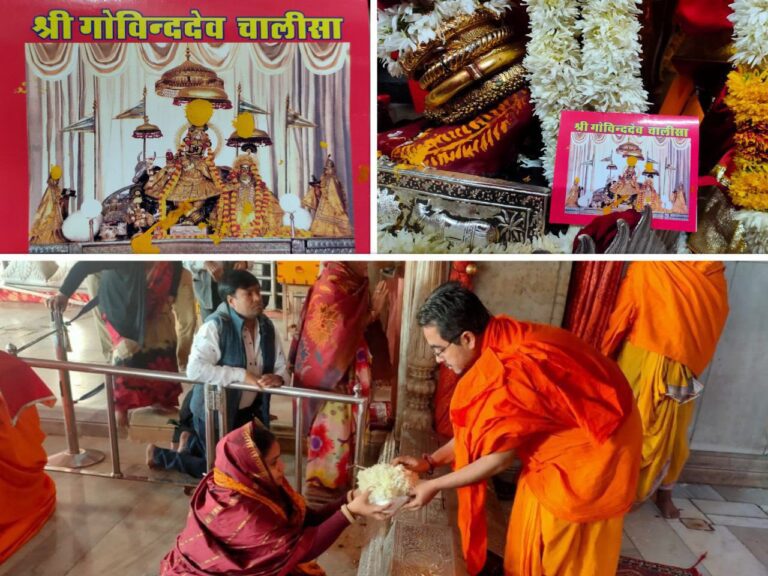
Sringri Rishi Dham
Shringi Rishi Dham is a Hindu temple in Bihar's Lakhisarai district, nestled at the base of hills with natural hot springs and waterfalls. Devotees visit to perform head-shaving…
Mahavir Balaji Temple Karharia
Shri Shri 1008 Siya-Ram Bhakt Mahavir Balaji Mandir is a Hindu temple dedicated to Hanuman located in Maldih village, Banka district, Bihar. The temple is known for ritualistic…