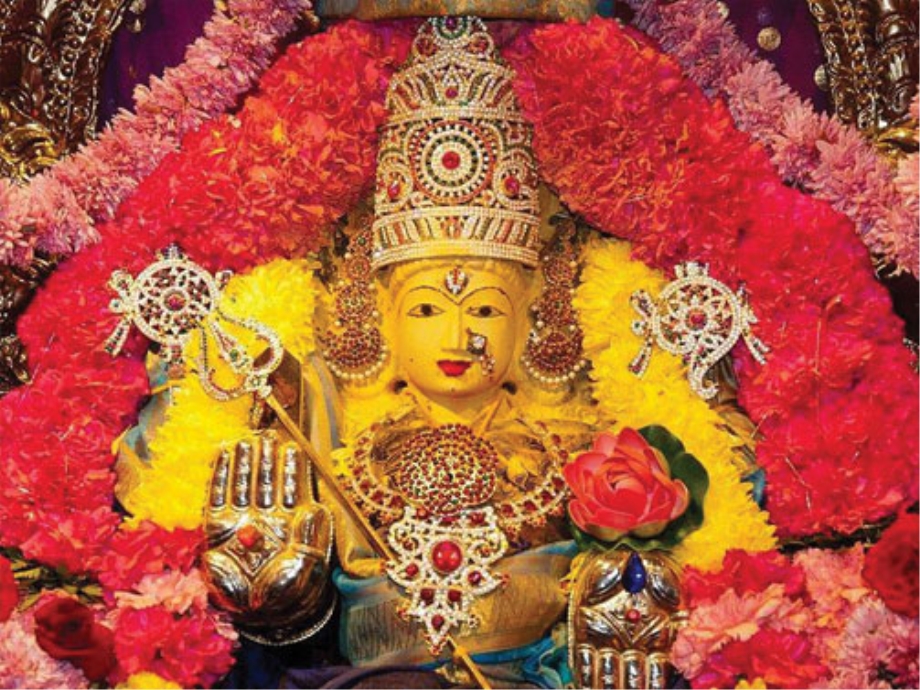
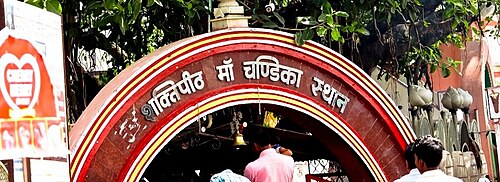

Chandika Sthan
About Chandika Sthan
The temple is open to visitors during two daily periods: mornings from 09:00 to 13:30, and evenings from 17:30 to 20:30. These timings allow devotees to visit before and after their daily activities. The Navratri period, when the goddess is celebrated across Hindu communities, is noted as a particularly significant time to visit, though the temple welcomes worshippers throughout the year.
Chandika Sthan can be reached by multiple routes. The nearest major airport is in Patna, approximately 185 kilometers away. Munger Railway Station provides rail access to the town. By road, the temple lies 4.5 kilometers from central Munger and is accessible via local transport from the town center.
Worship and Darshan
Temples dedicated to Shakti typically observe daily worship rituals centered on honoring the divine feminine principle. Visitors come to perform darshan—viewing and receiving the blessings of the deity—during the designated morning and evening hours. The practice of darshan is central to Hindu worship, allowing devotees to stand in the presence of the sacred and receive spiritual benefit.
Those planning to visit should dress modestly, as is customary at Hindu temples. Shoes are typically removed before entering the inner sanctum. Specific protocols regarding offerings, photography, or ritual participation may be in place; it is advisable to observe the behavior of other worshippers and follow the guidance of temple staff.
Significance in the Shakti Tradition
The identification of Chandika Sthan as a Shakti Peetha connects it to a broader network of sacred sites across South Asia. Each Peetha is associated with a particular part of Sati's body and a specific manifestation of the goddess. The mythology underlying these sites reflects the goddess's cosmic significance in Hindu philosophy and practice. At Chandika Sthan, the association with Sati's eye links the site to themes of vision, perception, and divine sight—qualities central to the goddess's role as supreme consciousness.
The temple's designation as a Siddhi-Peetha suggests that practitioners believe spiritual accomplishments and blessings flow from sincere worship here. This classification places the site among the most revered Shakti Peethas, comparable in spiritual importance to temples like Kamakshya near Guwahati.
Best Times to Visit
All seasons are suitable for visiting Chandika Sthan. However, the Navratri period—the nine-day festival celebrating the goddess in her various forms—is particularly significant and draws larger numbers of devotees. During Navratri, special rituals and observances typically take place, offering visitors an opportunity to experience the temple's worship traditions at their most elaborate.
Visitors should be aware that festival periods may involve modified darshan hours or larger crowds. Checking ahead before planning a visit during major festivals is recommended.
Getting There
Munger is accessible by rail via Munger Railway Station, which connects to major Indian railway networks. From Patna Airport (185 kilometers away), travelers can hire taxis or use bus services to reach Munger. Within Munger, local transport—including auto-rickshaws and taxis—can convey visitors to the temple, which lies 4.5 kilometers from the town center and approximately two kilometers from the northeastern edge of the town proper.
How to reach

Temples near Chandika Sthan
Mahavir Balaji Temple Karharia
Shri Shri 1008 Siya-Ram Bhakt Mahavir Balaji Mandir is a Hindu temple dedicated to Hanuman located in Maldih village, Banka district, Bihar. The temple is known for ritualistic…

Naulakha Mandir, Begusarai
Naulakha Mandir in Bishanpur, Begusarai, is a Hindu shrine dedicated to Rama and Sita, established in 1953 by saint Mahavir Das. The temple welcomes devotees daily with traditio…
Sringri Rishi Dham
Shringi Rishi Dham is a Hindu temple in Bihar's Lakhisarai district, nestled at the base of hills with natural hot springs and waterfalls. Devotees visit to perform head-shaving…
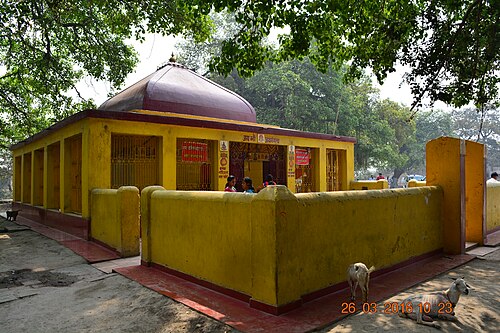
Jaimangla Garh Temple
Jaimangla Garh Temple, situated on an island in Kanwar Lake near Begusarai, Bihar, is an ancient shrine dedicated to Goddess Chandi Mangla Devi, believed to date from the 9th–10…
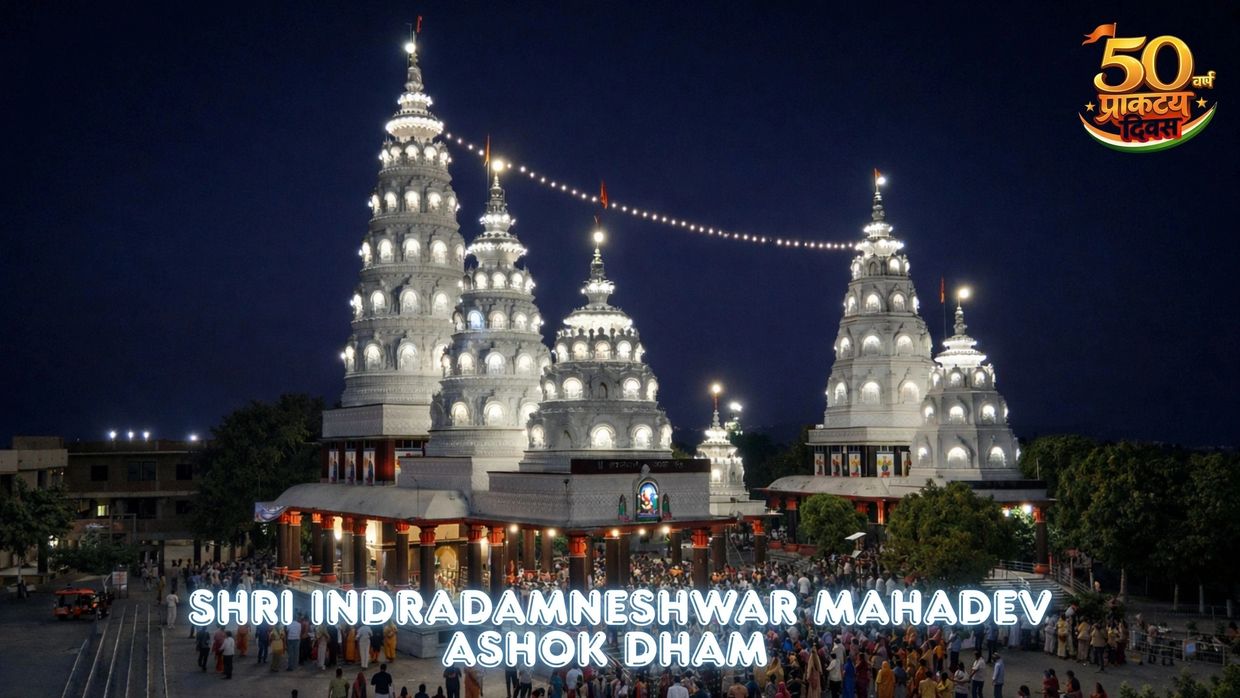
Ashokdham Temple
Ashokdham Temple, also known as Indradamneshwar Mahadev Mandir, is a Shiva temple complex in Lakhisarai district, Bihar, reconstructed in 1993 and comprising multiple shrines de…
Radheshyam Temple, Begusarai
The Radheshyam Temple in Begusarai, Bihar is a 19th-century Hindu shrine dedicated to Radha and Krishna, notable for its distinctive architectural style and collection of tradit…