Pura Goa Giri Putri
About Pura Goa Giri Putri
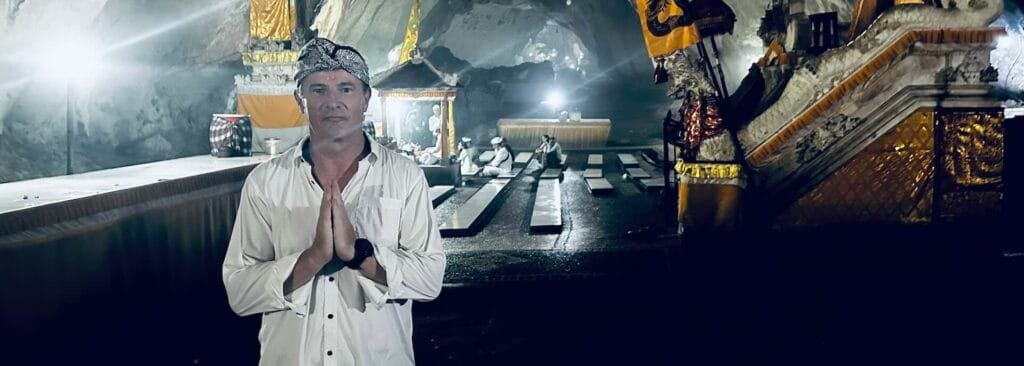
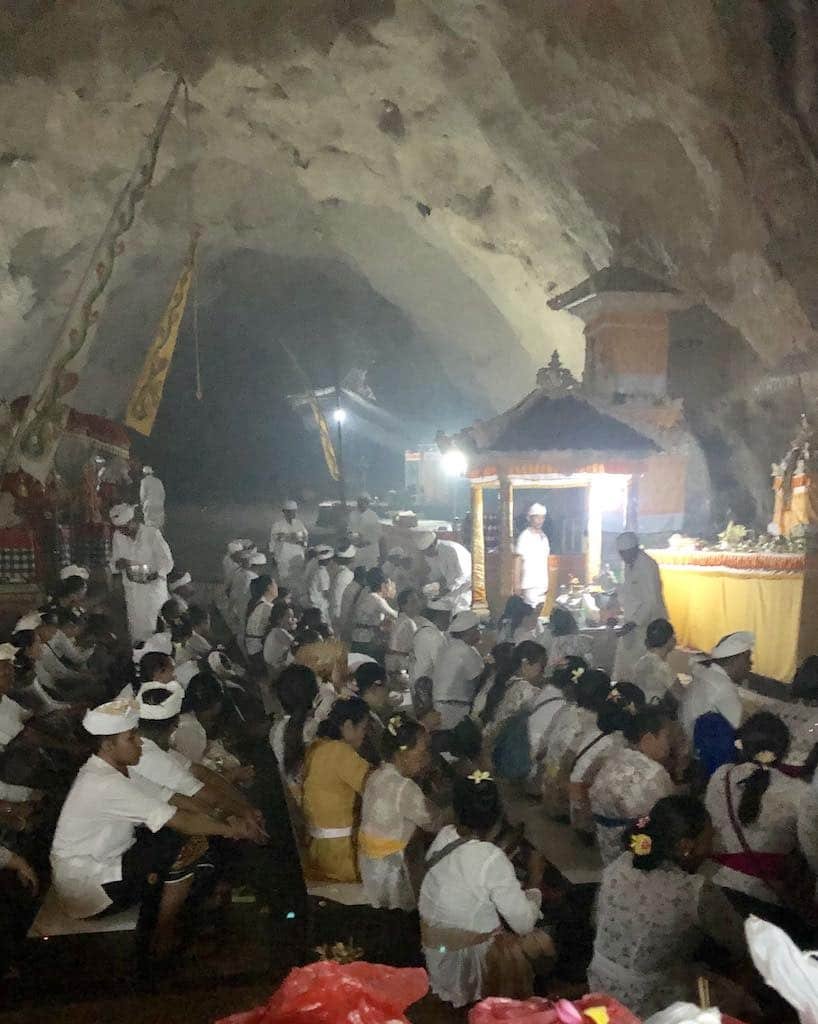
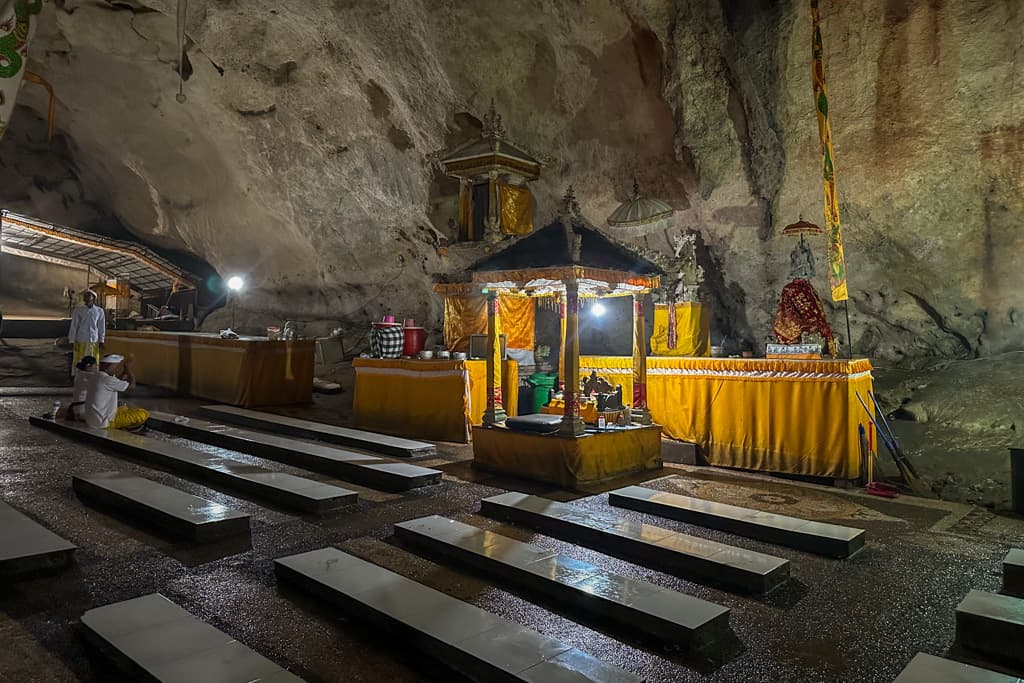
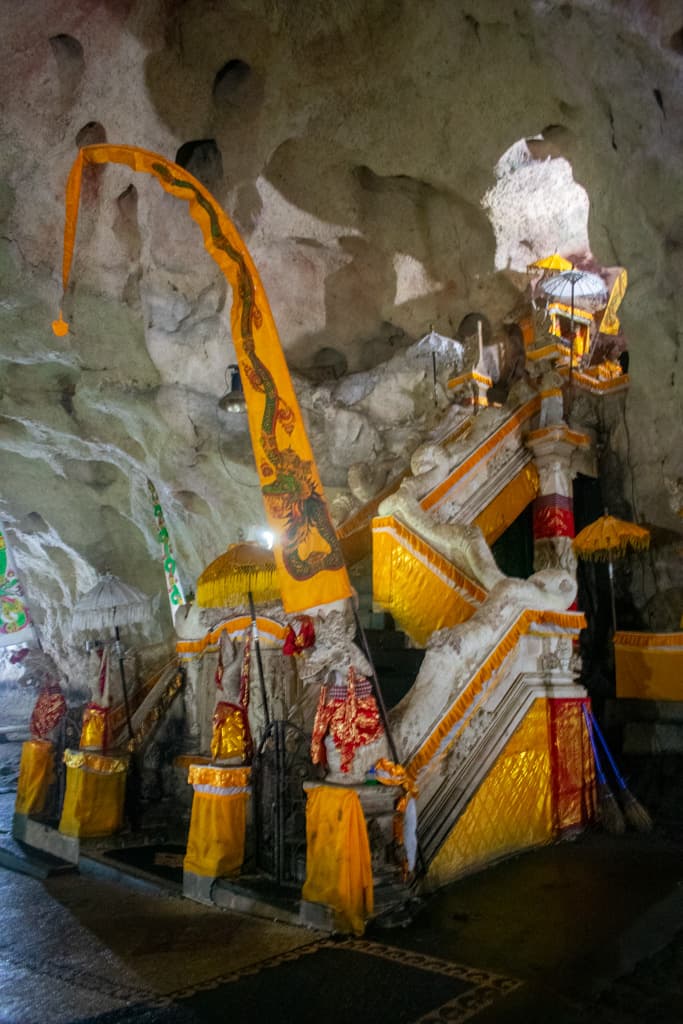
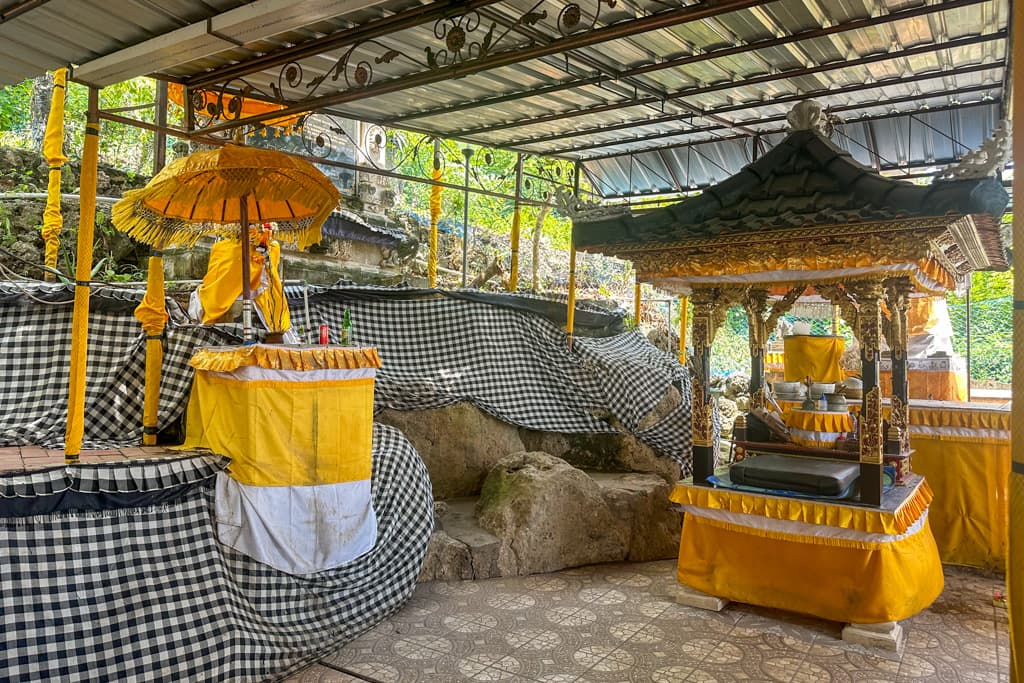
The temple's primary spiritual function centres on a comprehensive purification ceremony that guides devotees through six shrines located within the cave. The ritual begins with an initial ceremony conducted at the temple entrance, before pilgrims proceed into the cave itself. Devotees typically dress in white and carry offerings as they move through the sequence of shrines.
The full purification circuit requires approximately two and a half hours to complete. Many Balinese pilgrims arrive by speedboat from the mainland, participate in the ceremony, and return to Bali the same day, though some remain longer on the island. The ritual represents a significant spiritual commitment and remains one of the primary reasons the temple attracts such consistent visitation from the wider Balinese community.
Visiting Practicalities
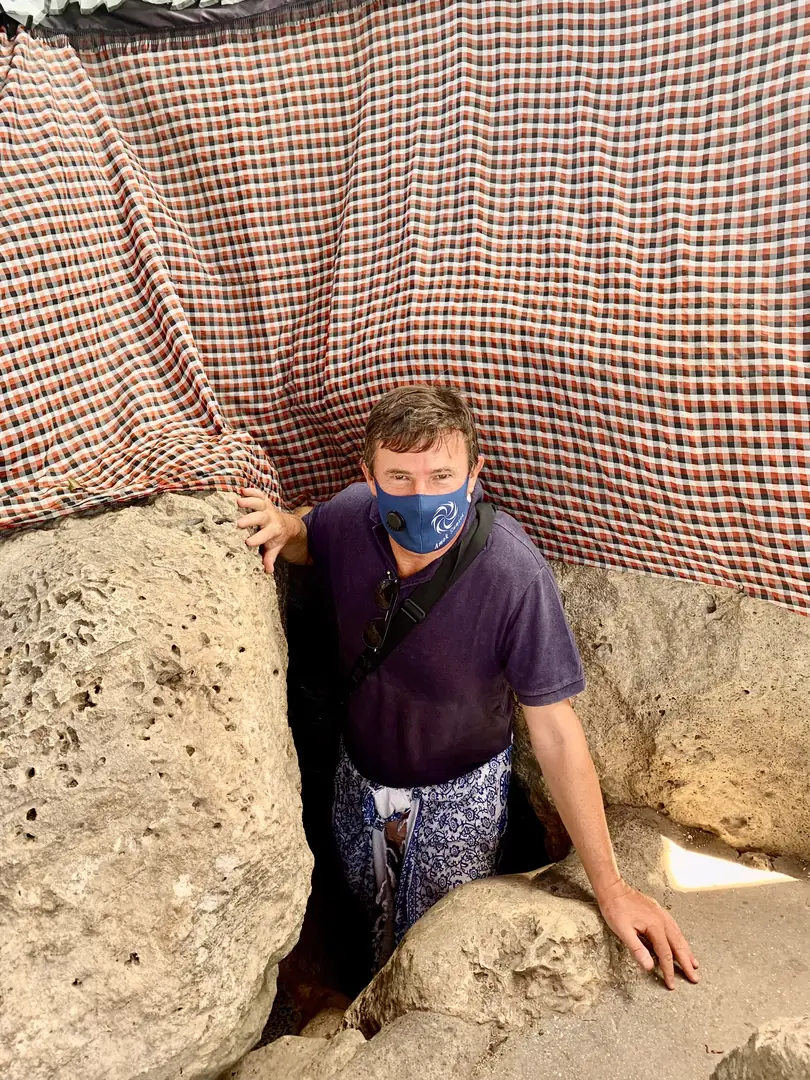
The temple opens daily from 7:00 AM to 5:00 PM. Early morning visits offer a quieter experience before tour groups arrive. The entrance fee is a fixed 50,000 IDR per person. A sarong is compulsory dress; if you do not have one, rental is available at a small shop near the entrance.
A casual visit without participating in the full ceremony typically takes thirty to forty-five minutes. The temple may close to tourists during major ceremonies, so it is worth checking locally before planning your visit. The site may occasionally be unavailable to non-participants during significant ritual observances.
Access and Location
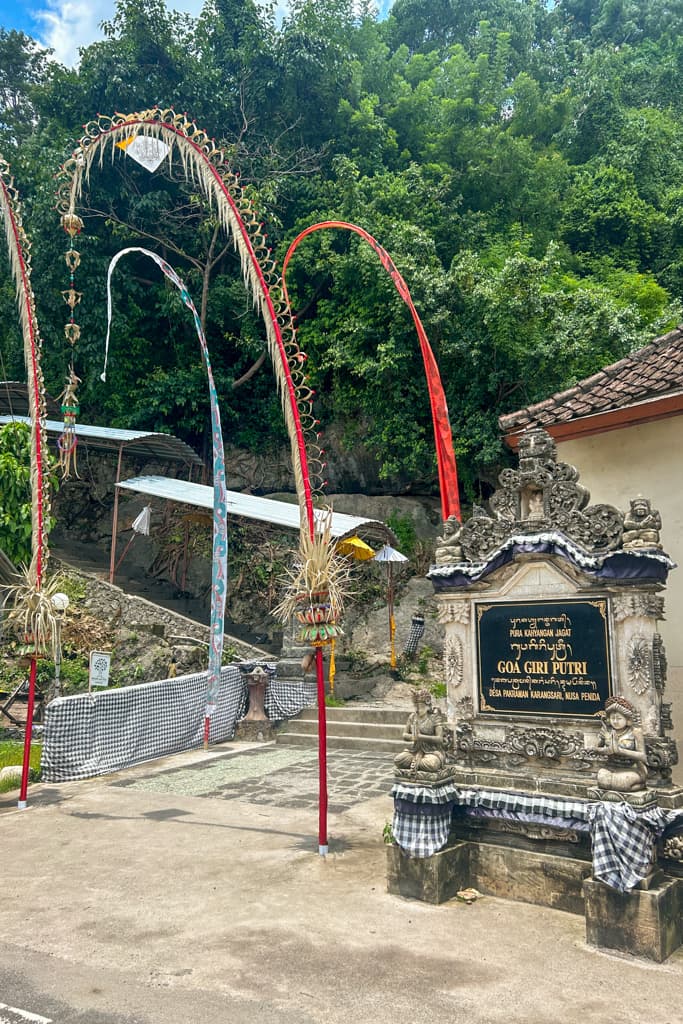
The temple sits on the north-east coast of Nusa Penida near Suana, approximately thirty minutes' travel from Toyapakeh harbour by road. The coastal road along the northern side of the island is in good condition. From the road, you must climb roughly fifty steps to reach the entrance. The journey from Toyapakeh harbour to the temple site takes about half an hour by vehicle.
Most visitors arrive via speedboat from mainland Bali to Toyapakeh, then travel overland to the temple. Some pilgrims make this a same-day excursion, though accommodation is available on Nusa Penida for those wishing to stay longer.
Dress and Conduct
A sarong must be worn at all times within the temple. Rental sarongs are available at the entrance if needed. Visitors should dress respectfully and be prepared for the cave environment—the interior is lit partly by natural daylight filtering through openings in the rock, creating a distinctive atmosphere during ceremonies.
Visitors are generally welcome during opening hours, though the temple prioritizes active pilgrims during ritual times. Non-Hindu visitors may observe ceremonies respectfully, but should be aware that the space is primarily a functioning place of worship rather than a museum. Photography policies are not specified in available sources; it is advisable to ask permission before photographing ceremonies or devotees.
The Cave Temple Setting
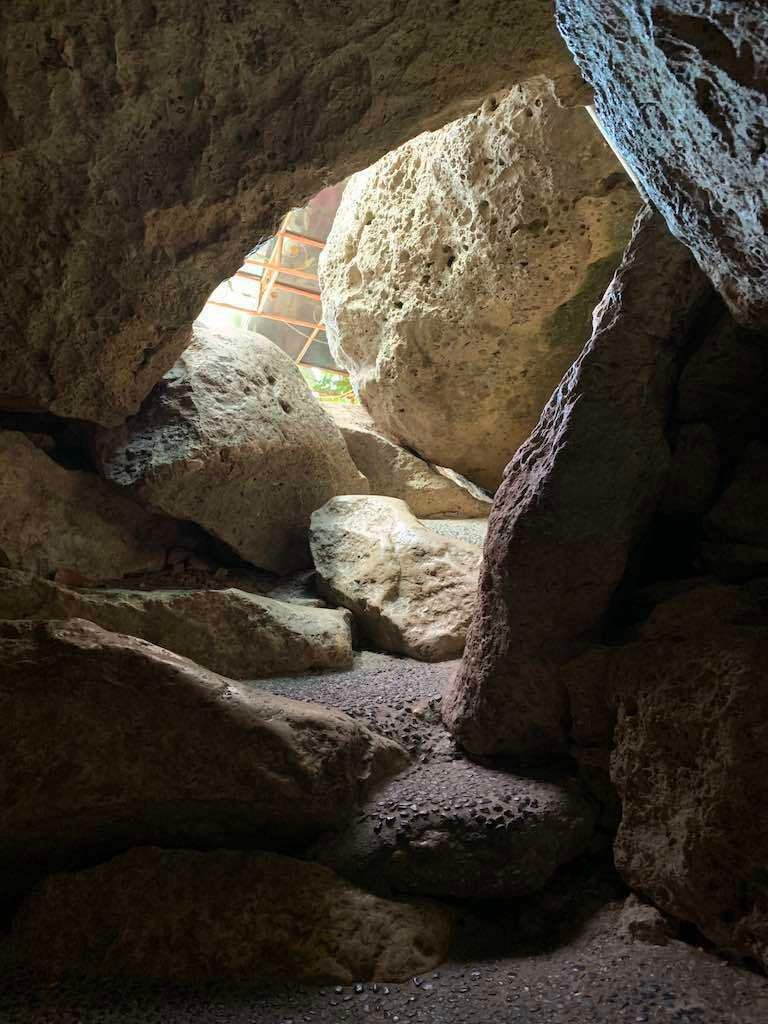
The temple's location within a natural cave distinguishes it from many other Balinese temples. The cave itself is the largest on Nusa Penida, and the temple has been built to incorporate this geological feature as an integral part of its sacred space. Natural light enters through openings in the cave ceiling, illuminating the main chamber where ceremonies take place.
The spring water flowing through the temple forms part of its spiritual significance. The combination of natural cave environment, flowing water, and the sequence of shrines creates a distinctive pilgrimage experience that draws devotees seeking both spiritual purification and the temple's reputed healing properties.
How to reach
Temples near Pura Goa Giri Putri
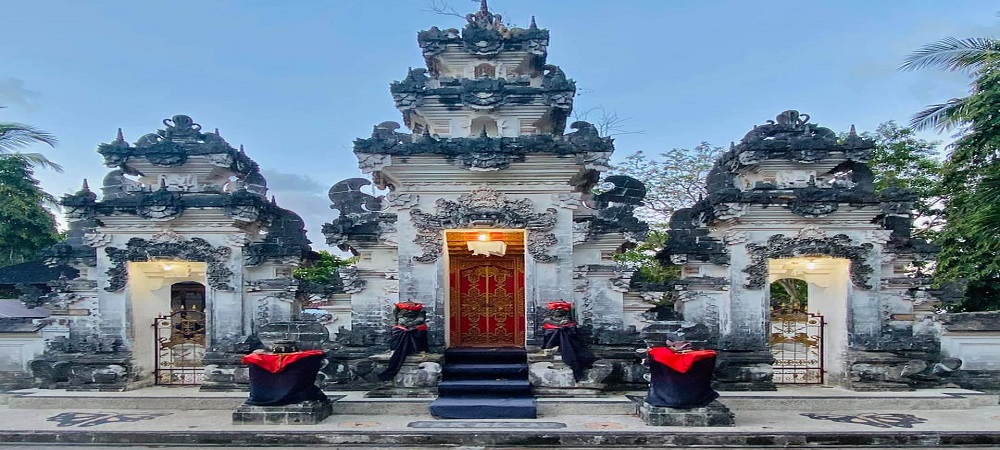
Pura Dalem Ped
Pura Dalem Ped is a 14th-century Hindu temple in Bali dedicated to Shiva, serving as a pilgrimage site for spiritual guidance and ancestor veneration.
Pura Dalem
Pura Dalem temples in Bali are Hindu sanctuaries dedicated to the guardian spirit of the dead, Merajapati. These temples feature intricate carvings and serve as important spirit…
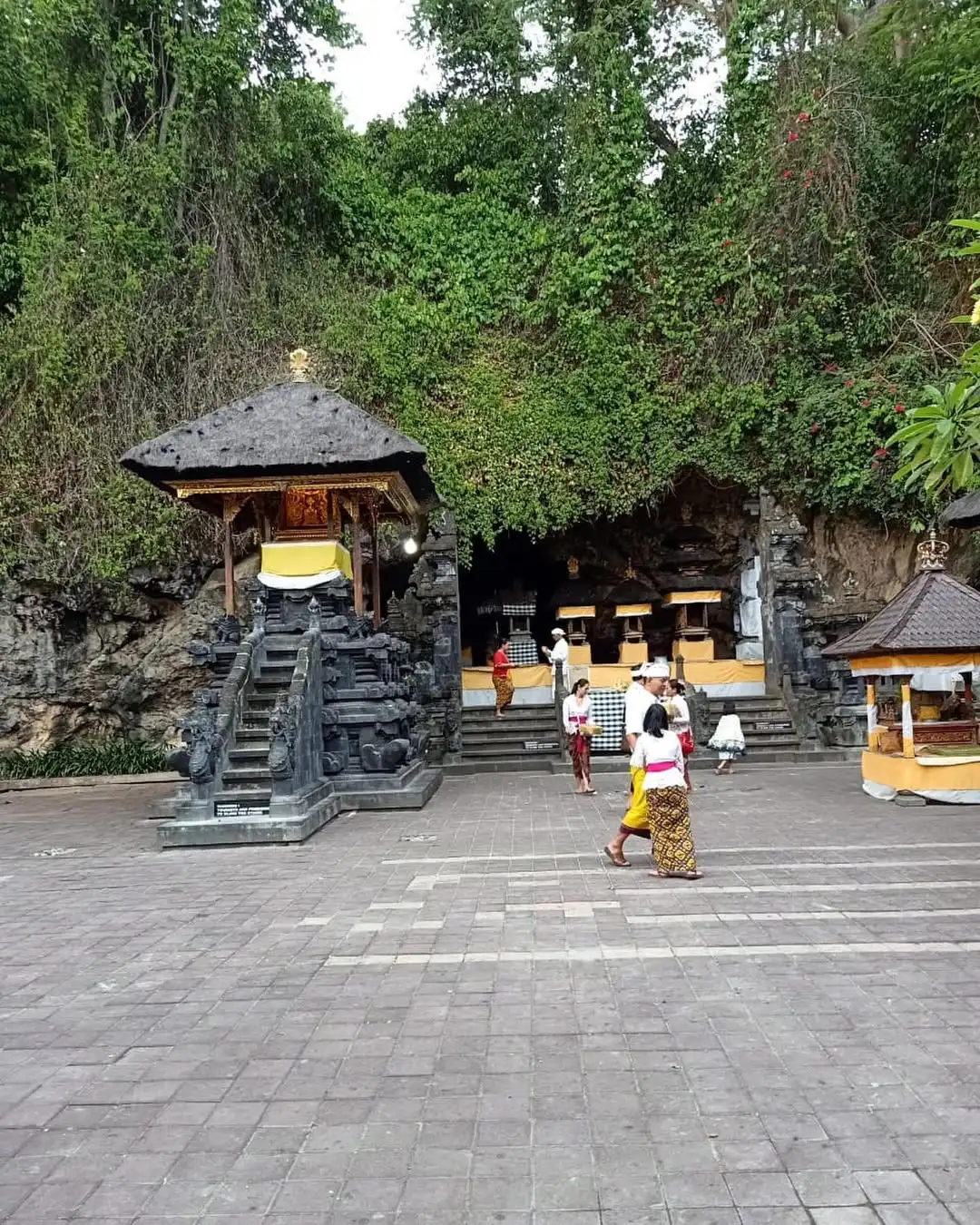
Pura Goa Lawah
Pura Goa Lawah is an 11th-century Hindu temple in Bali built into a sea cliff cave, known for its resident bat population and active worship practices.
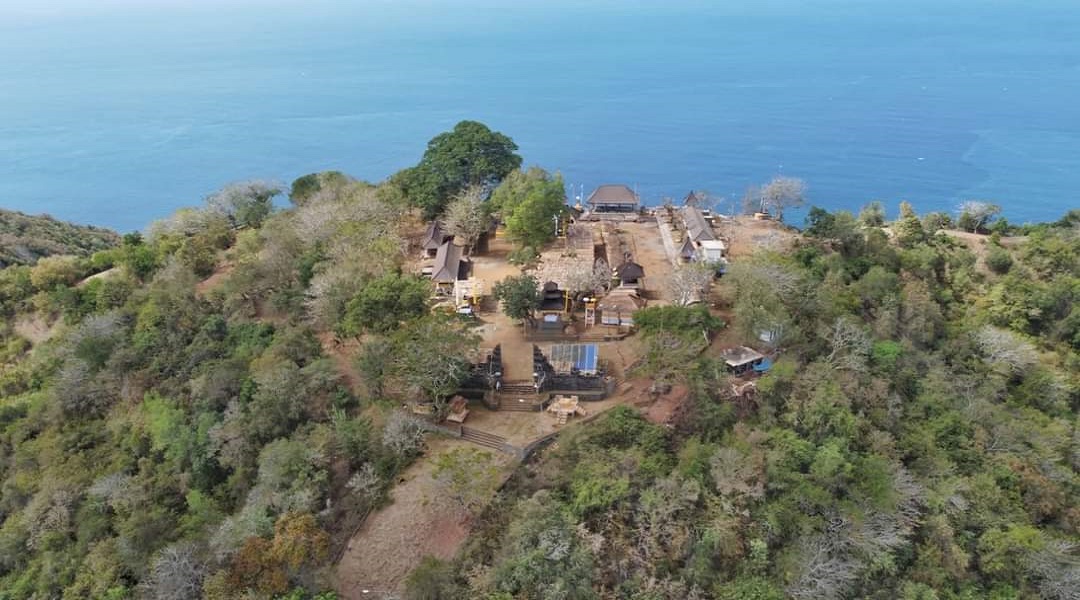
Gumang Hill Temple
Gumang Temple is an ancient kahyangan jagat shrine perched on Gumang Hill in southeastern Bali, established during the Saka 11 era and dedicated to Bhatara Gede Gumang, a deifie…
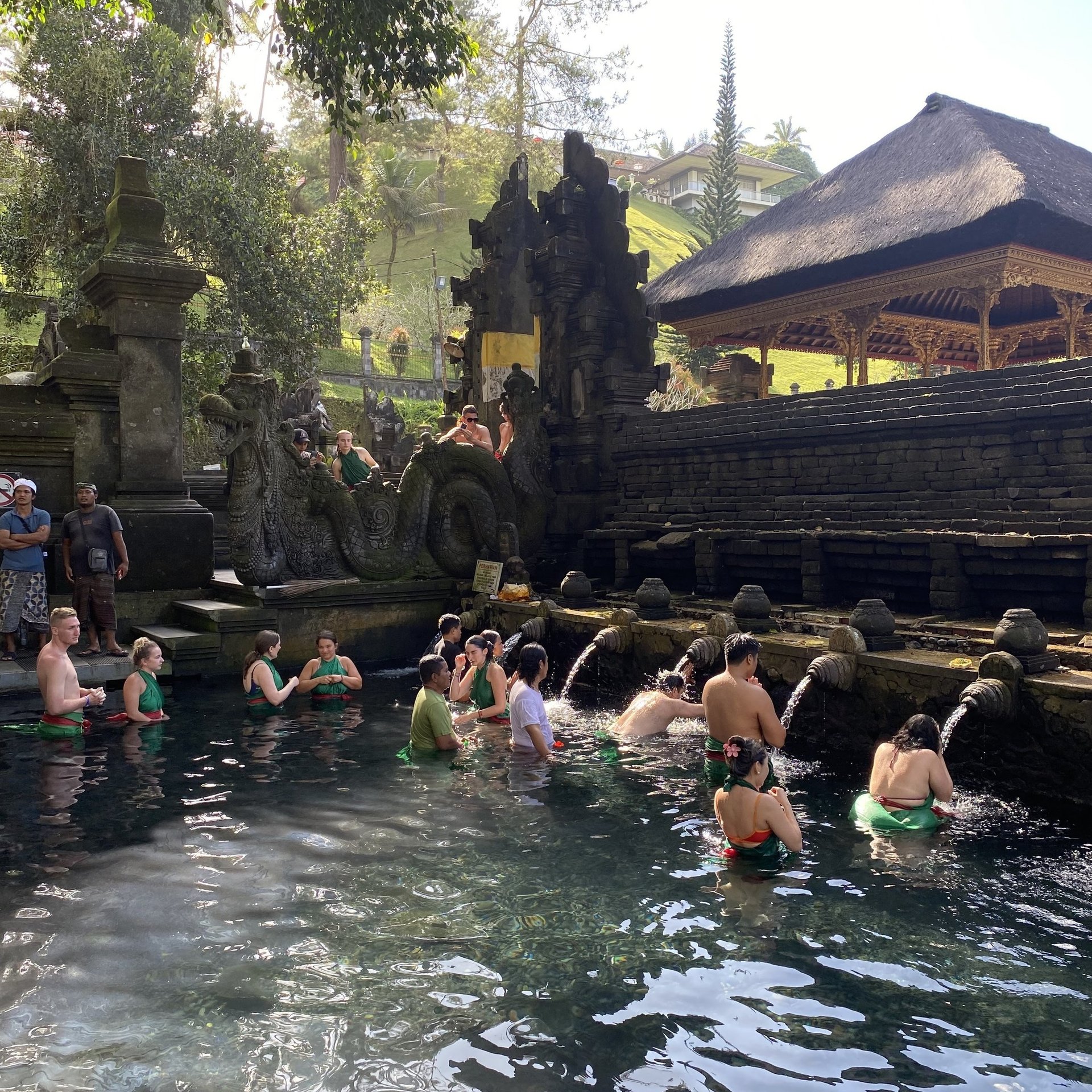
Tirta Empul Timbrah Temple
Tirta Empul Temple is a sacred water temple in Bali dedicated to Vishnu, renowned for its holy spring and purification pools used in the Melukat Ceremony for spiritual cleansing.
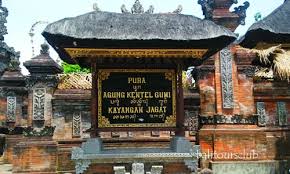
Pura Agung Kentel Gumi
Pura Agung Kentel Gumi is one of Bali's three principal temples (Kahyangan Tiga), serving as the spiritual center for seeking world harmony and prosperity. Located in Tusan vill…