

Pura Goa Lawah
About Pura Goa Lawah
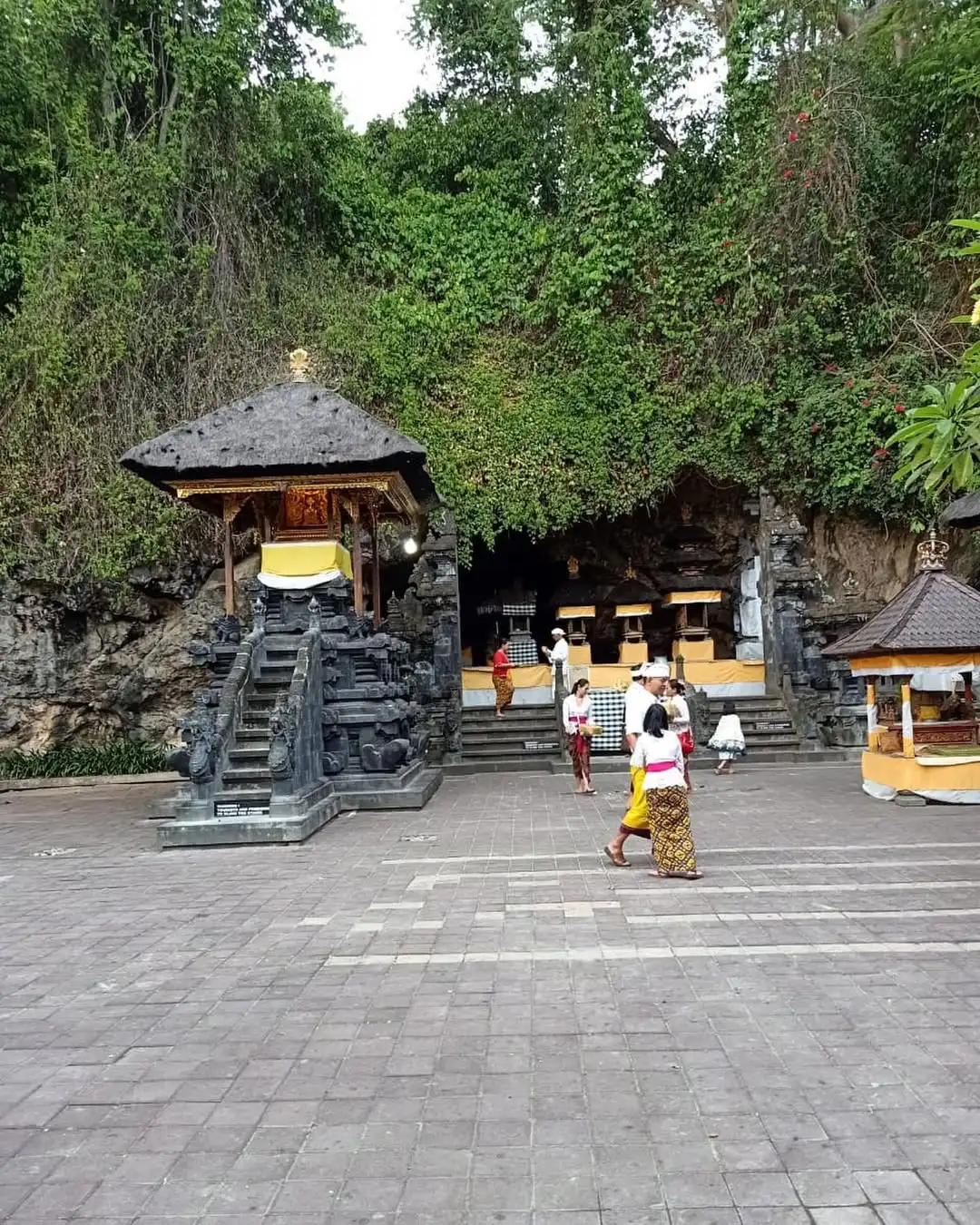
The temple's most distinctive feature is the cave from which it takes its name—Goa Lawah, meaning "bat cave" in Indonesian. This natural formation is integral to the site's character and draws visitors seeking to understand both the physical and spiritual dimensions of the sanctuary. The cave's presence shapes the visitor experience and contributes to the temple's unique position among Balinese Hindu sites. The coastal cliff location adds to the dramatic setting, offering views across the Kusamba coast and creating an environment quite different from inland temple complexes.
Daily Worship and Visiting Hours
The temple opens daily from 08:00 to 18:00, welcoming both devotees and respectful visitors throughout these hours. Those seeking a more contemplative experience should plan to arrive early in the morning, before 10:00, when the atmosphere tends to be quieter and daily rituals and ceremonies unfold in a less crowded setting. Alternatively, visiting after 16:00 in the late afternoon provides another window for a calmer experience. Peak hours fall between mid-morning and mid-afternoon, so timing your visit strategically can significantly shape what you encounter. The temple remains a functioning place of worship, so visitors should expect to move quietly and respectfully, particularly if ceremonies or prayers are underway.
Festivals and Sacred Observances
Pura Goa Lawah observes major Hindu festivals according to the lunar calendar, including Ganesh Chaturthi, Guru Purnima, Maha Shivaratri, and others that vary in their Gregorian calendar dates from year to year. During these observances, the temple hosts pujas and special ceremonies, with decoration and activity levels increasing noticeably. Visiting during a festival offers deeper insight into active worship practices, though you should expect significantly larger crowds than on ordinary days. If you plan to visit during a festival period, checking the lunar calendar in advance to confirm exact dates is essential for planning your journey.
Dress and Conduct
As an active Hindu temple, Pura Goa Lawah maintains standards of respectful dress and behavior. Visitors should wear clothing that covers shoulders and knees; sarongs are typically available for those who need them, though it is courteous to inquire upon arrival. Shoes are generally removed before entering certain temple areas. Photography may be restricted in some spaces, so asking permission before photographing is wise practice. The site's status as a place of active worship means that your conduct should reflect respect for those engaged in prayer and ritual.
Reaching the Temple
Pura Goa Lawah is located at Jl. Raya Goa Lawah, Pesinggahan, Dawan, Klungkung Regency, Bali 80761, Indonesia, with coordinates -8.5515251, 115.4689715 that can be entered into mapping applications for navigation. The temple sits on Bali's eastern coast, and most visitors reach it by private car or hired driver, as public transportation to this location is limited. The journey from major tourist areas in south Bali typically takes 45 minutes to over an hour depending on traffic and your starting point. Planning your travel time accordingly ensures you arrive during your preferred visiting window and allows for the coastal drive without rushing.
How to reach


Temples near Pura Goa Lawah
Pura Dalem
Pura Dalem temples in Bali are Hindu sanctuaries dedicated to the guardian spirit of the dead, Merajapati. These temples feature intricate carvings and serve as important spirit…
Pura Agung Kentel Gumi
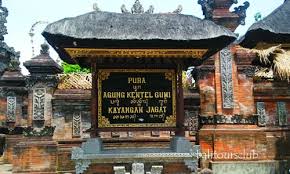
Pura Agung Kentel Gumi is one of Bali's three principal temples (Kahyangan Tiga), serving as the spiritual center for seeking world harmony and prosperity. Located in Tusan vill…
Gumang Hill Temple
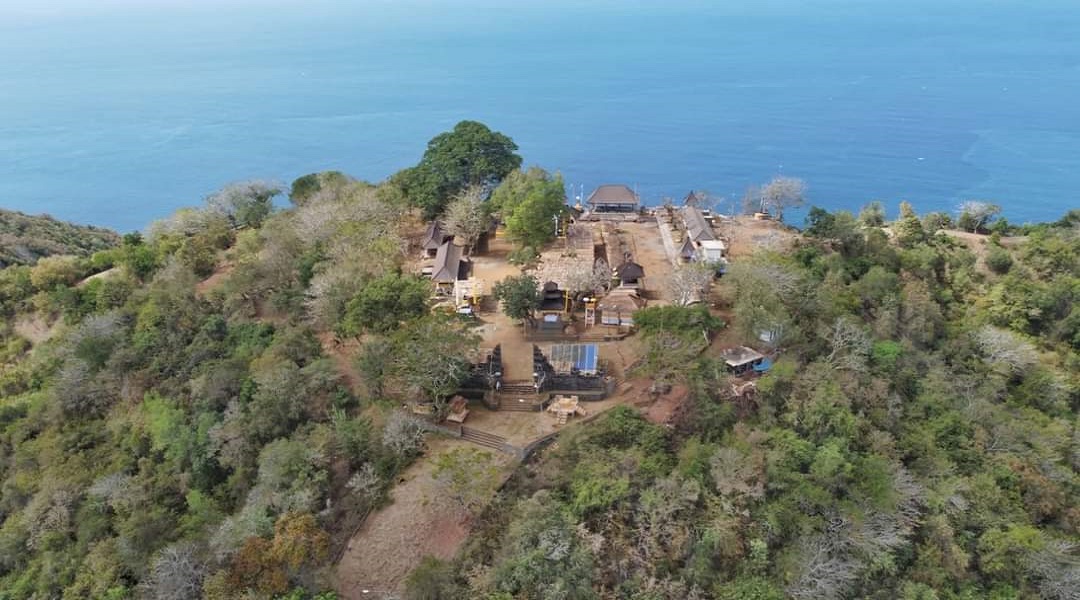
Gumang Temple is an ancient kahyangan jagat shrine perched on Gumang Hill in southeastern Bali, established during the Saka 11 era and dedicated to Bhatara Gede Gumang, a deifie…
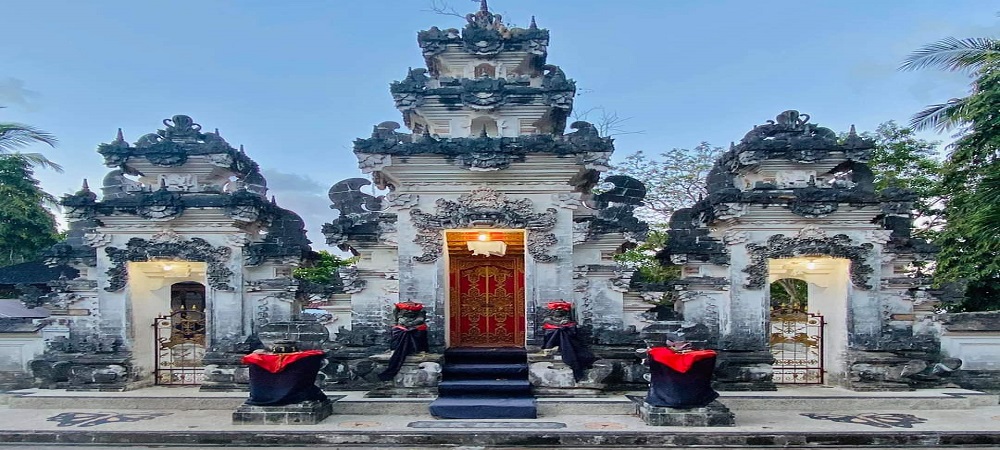
Pura Dalem Ped
Pura Dalem Ped is a 14th-century Hindu temple in Bali dedicated to Shiva, serving as a pilgrimage site for spiritual guidance and ancestor veneration.
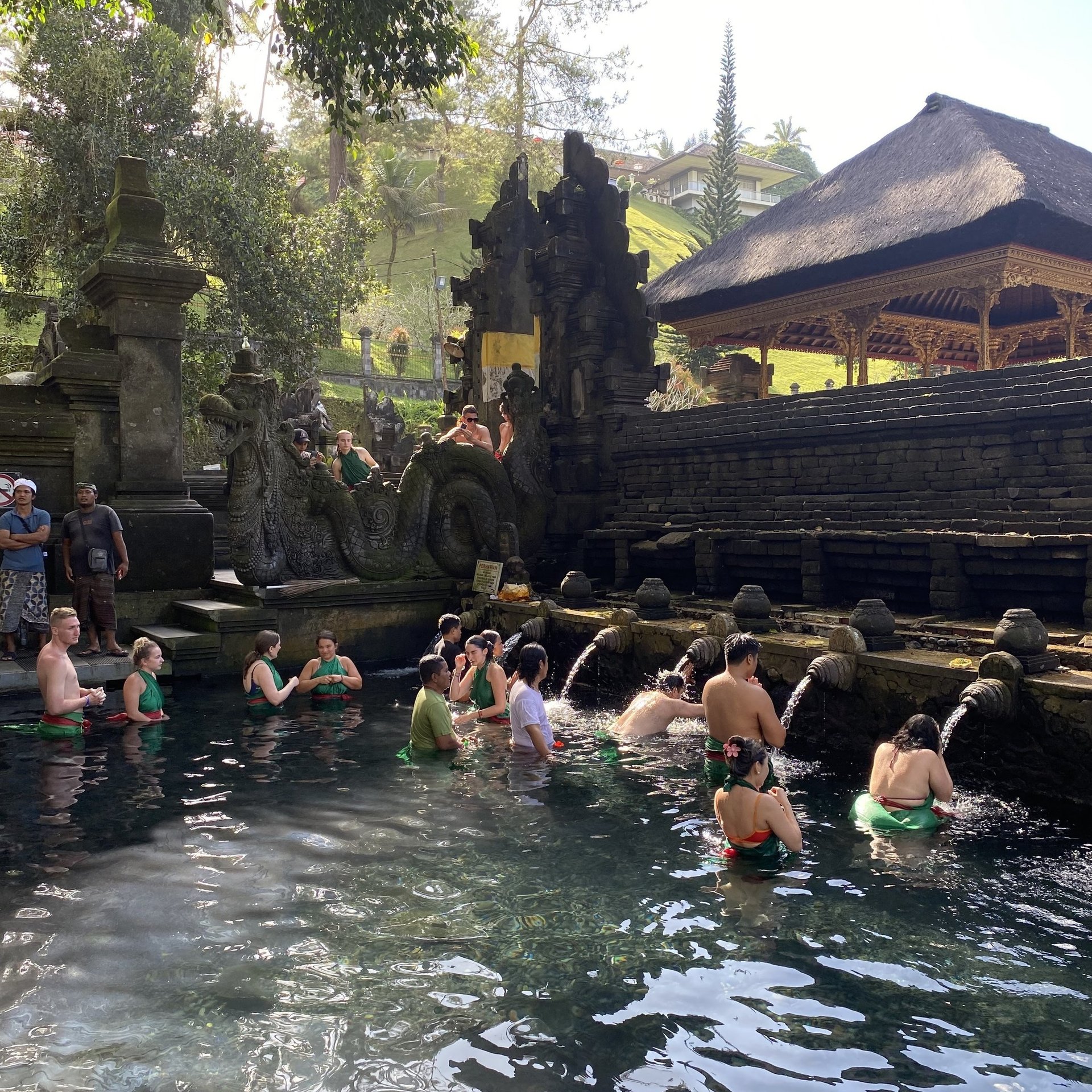
Tirta Empul Timbrah Temple
Tirta Empul Temple is a sacred water temple in Bali dedicated to Vishnu, renowned for its holy spring and purification pools used in the Melukat Ceremony for spiritual cleansing.
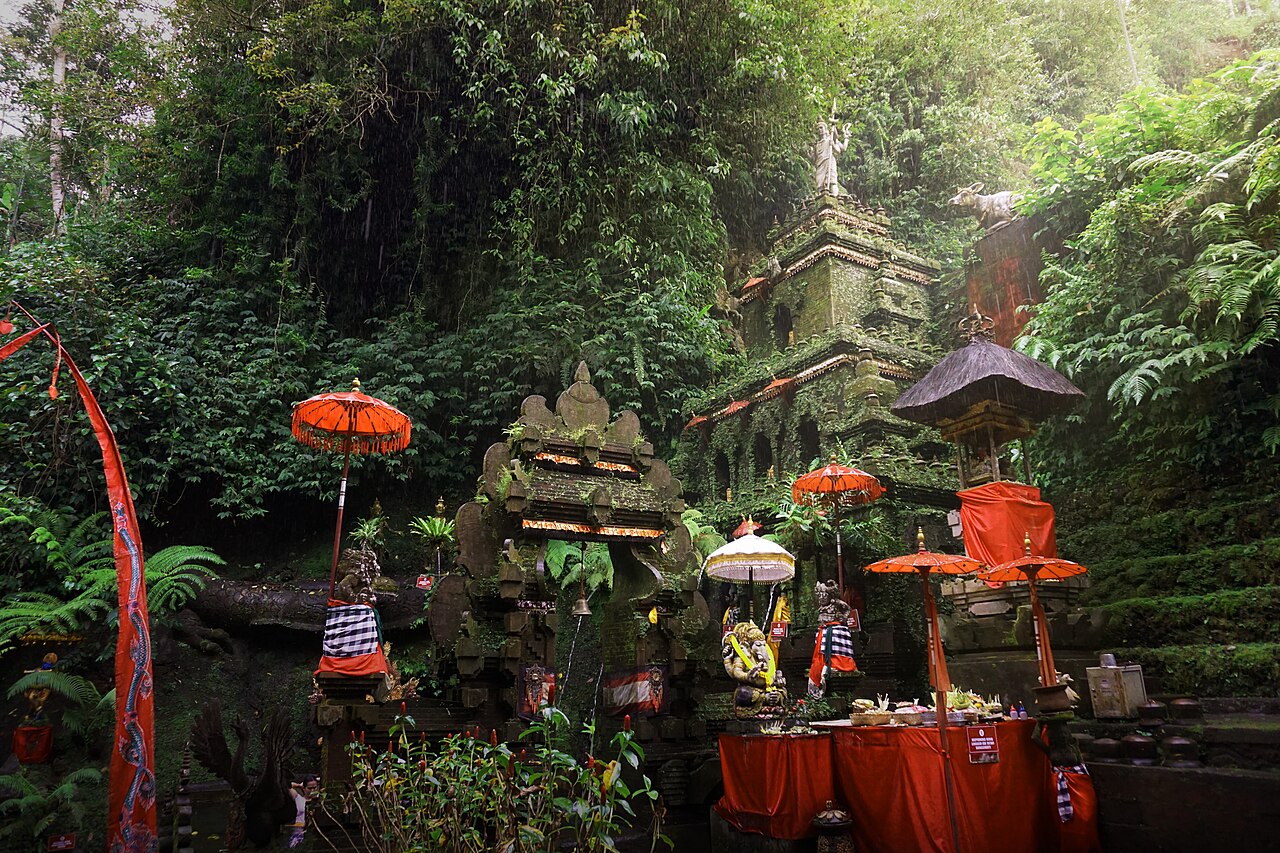
Pura Taman Pecampuhan Sala
Pura Taman Pecampuhan Sala is a sacred water temple nestled in a forested volcanic canyon near Ubud, Bali, renowned for its melukat water purification rituals conducted at natur…