Tirta Empul Timbrah Temple
About Tirta Empul Timbrah Temple
The temple was established in 962 AD during the Warmadewa dynasty, making it among Bali's older sacred sites. This dating places Tirta Empul within a significant period of Hindu-Buddhist cultural development on the island. The longevity of the site—now spanning over a millennium—testifies to its enduring importance within local religious life and its continued relevance to contemporary devotees and visitors alike.
The Melukat Ceremony
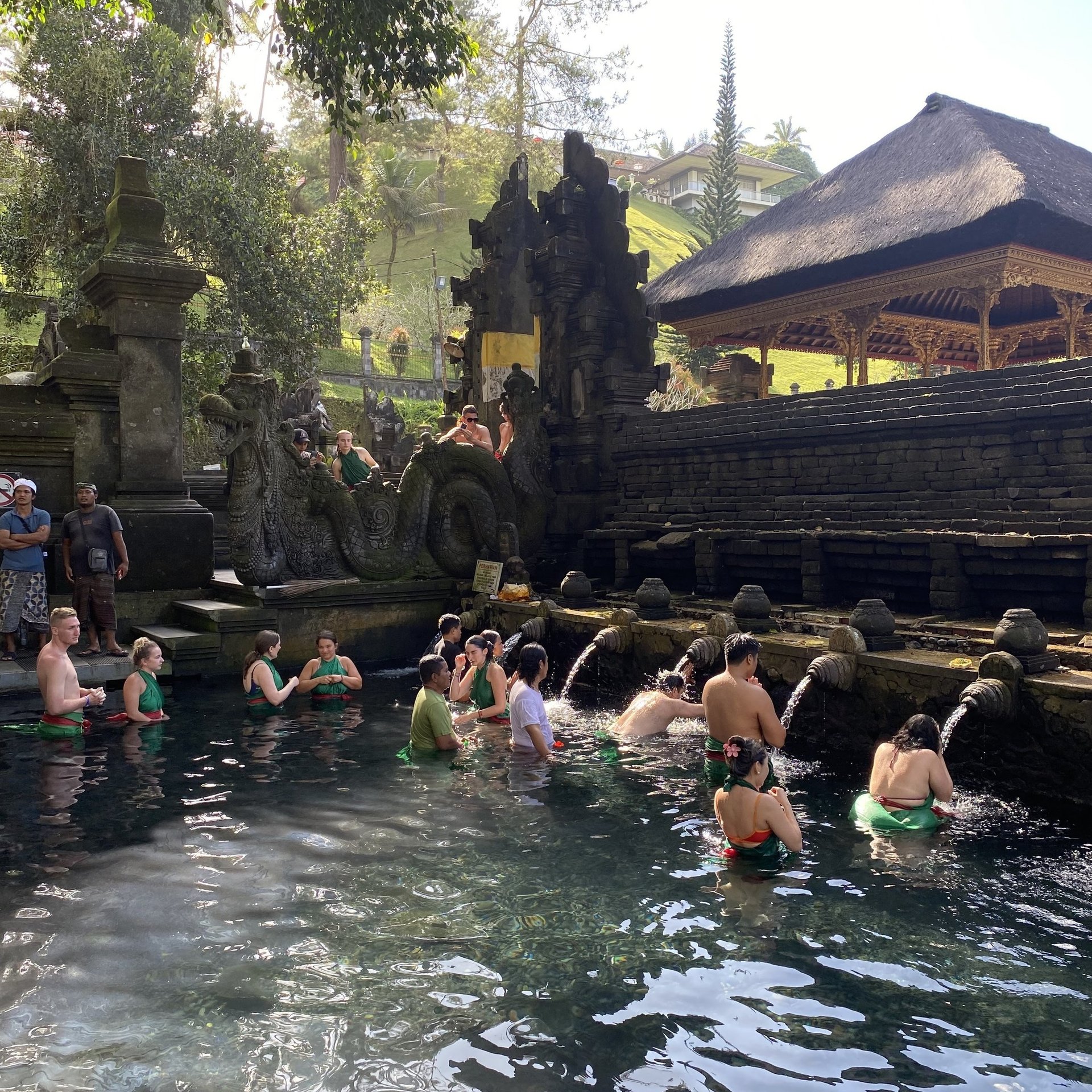
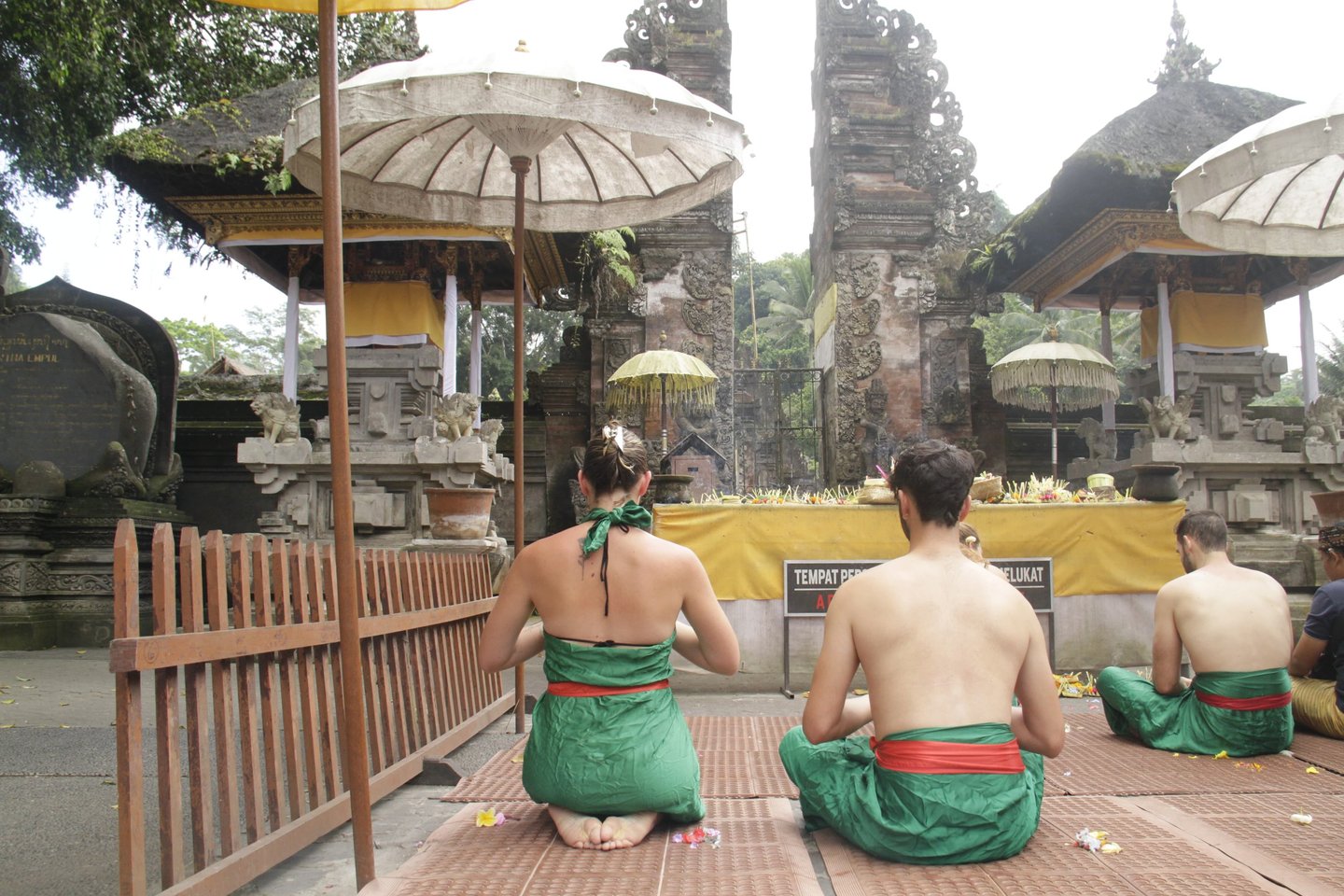
The Melukat Ceremony represents the temple's primary spiritual practice, a purification ritual designed to cleanse the body, mind, and spirit of negative energies. Participants are guided through stages beginning with prayers, followed by immersion in the sacred spring water under the direction of experienced local guides. Each step of the ritual carries specific spiritual significance, with practitioners believing the ceremony addresses emotional disturbances, alleviates stress, and promotes inner harmony and balance.
Those undertaking the Melukat Ceremony do so with varied intentions. The practice is understood within the community to support healing from both medical and non-medical ailments, to advance professional and business endeavors, and to assist in personal relationships. The ritual embodies a comprehensive approach to spiritual renewal rather than addressing a single concern. Standard temple admission does not include access to the purification pools or participation in the ceremony; these require separate arrangement and guidance.
Visiting the Temple
The temple opens daily from 7:00 AM to 6:00 PM. As of January 2025, entrance fees are set at IDR 75,000 for adults, IDR 50,000 for children aged 5 to 12, and free admission for children under five. General admission permits visitors to explore the temple's courtyards and observe its architectural features, though it does not include access to the sacred spring pools or ceremonial participation.
The temple is located in Manukaya Village within the Tampaksiring district, situated north of Ubud and surrounded by rice fields and natural landscape. Transportation to the site presents practical considerations: while ride-sharing services may reach the temple, return transportation options are limited in this rural area. Visitors should plan accordingly, either arranging private transport in advance or coordinating with local services familiar with the region.
Modest dress is appropriate when visiting Hindu temples. Visitors should be prepared to remove footwear in certain areas and to conduct themselves respectfully within the sacred space. The temple's peaceful atmosphere and spiritual purpose warrant quiet, contemplative behavior from all who enter.
The Temple Grounds and Architecture
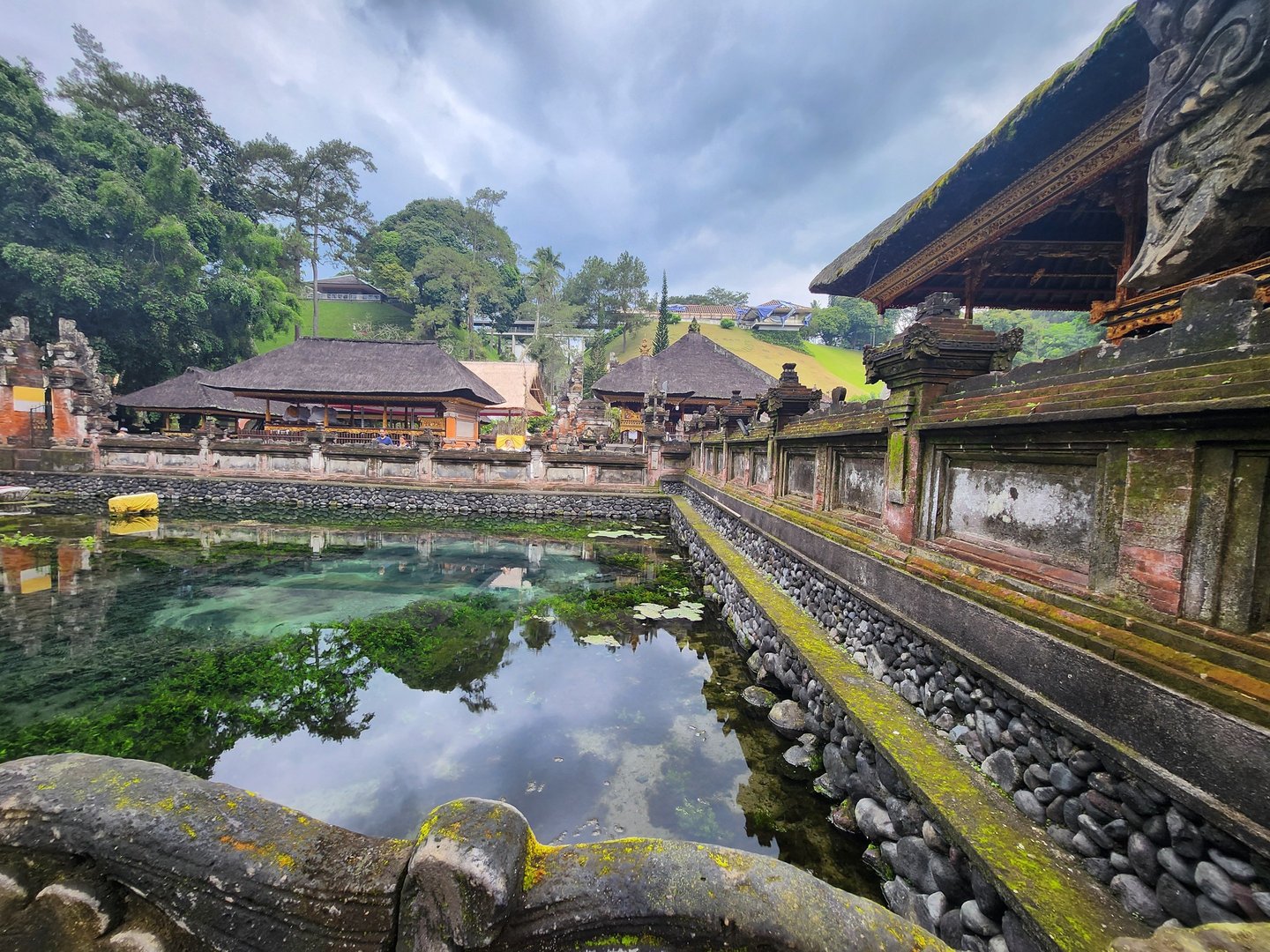
The temple features intricately designed purification pools fed by the natural spring, along with fountains and courtyards that reflect traditional Balinese architectural principles. Stone carvings throughout the site demonstrate the craftsmanship characteristic of Balinese temple construction. The physical layout guides visitors through spaces designed for both spiritual practice and aesthetic appreciation, with the flowing water serving as both functional element and symbolic centerpiece.
Planning Your Visit
Visitors interested in participating in the Melukat Ceremony should arrange this separately from general admission, as it requires guidance from trained practitioners and access to the sacred pools. The temple's location, while serene and visually appealing, requires advance planning for transportation. The entrance fees support ongoing maintenance and preservation of the site. Visitors should allow adequate time to move through the temple grounds without rushing, as the contemplative nature of the space encourages unhurried observation and reflection.
How to reach
Temples near Tirta Empul Timbrah Temple
Gumang Hill Temple
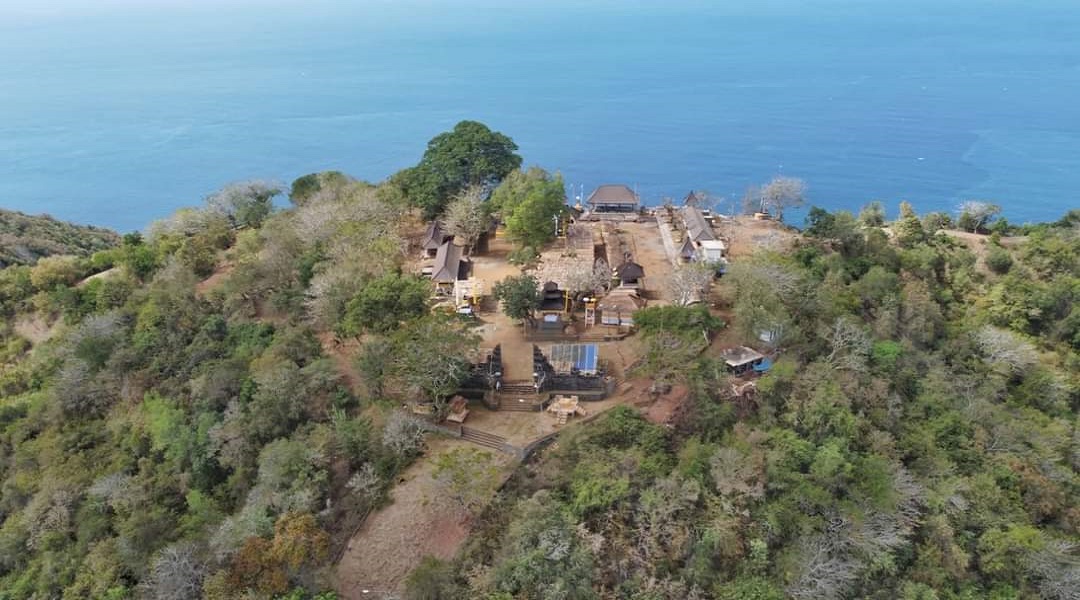
Gumang Temple is an ancient kahyangan jagat shrine perched on Gumang Hill in southeastern Bali, established during the Saka 11 era and dedicated to Bhatara Gede Gumang, a deifie…
Pura Penataran Agung Lempuyang
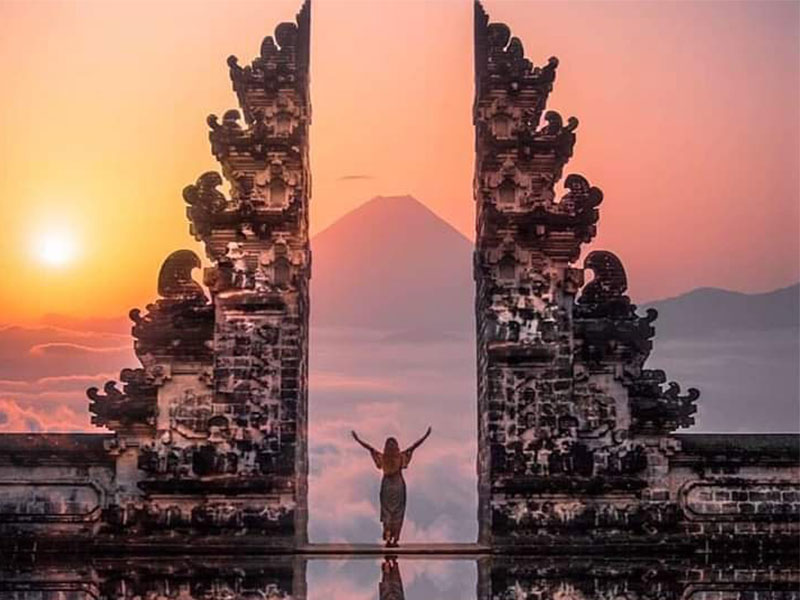
Pura Penataran Agung Lempuyang is the lowest temple in the seven-temple Lempuyang complex in east Bali, famous for its split gate framing Mount Agung in the iconic 'Gates of Hea…
Pura Dalem
Pura Dalem temples in Bali are Hindu sanctuaries dedicated to the guardian spirit of the dead, Merajapati. These temples feature intricate carvings and serve as important spirit…
Pura Goa Lawah
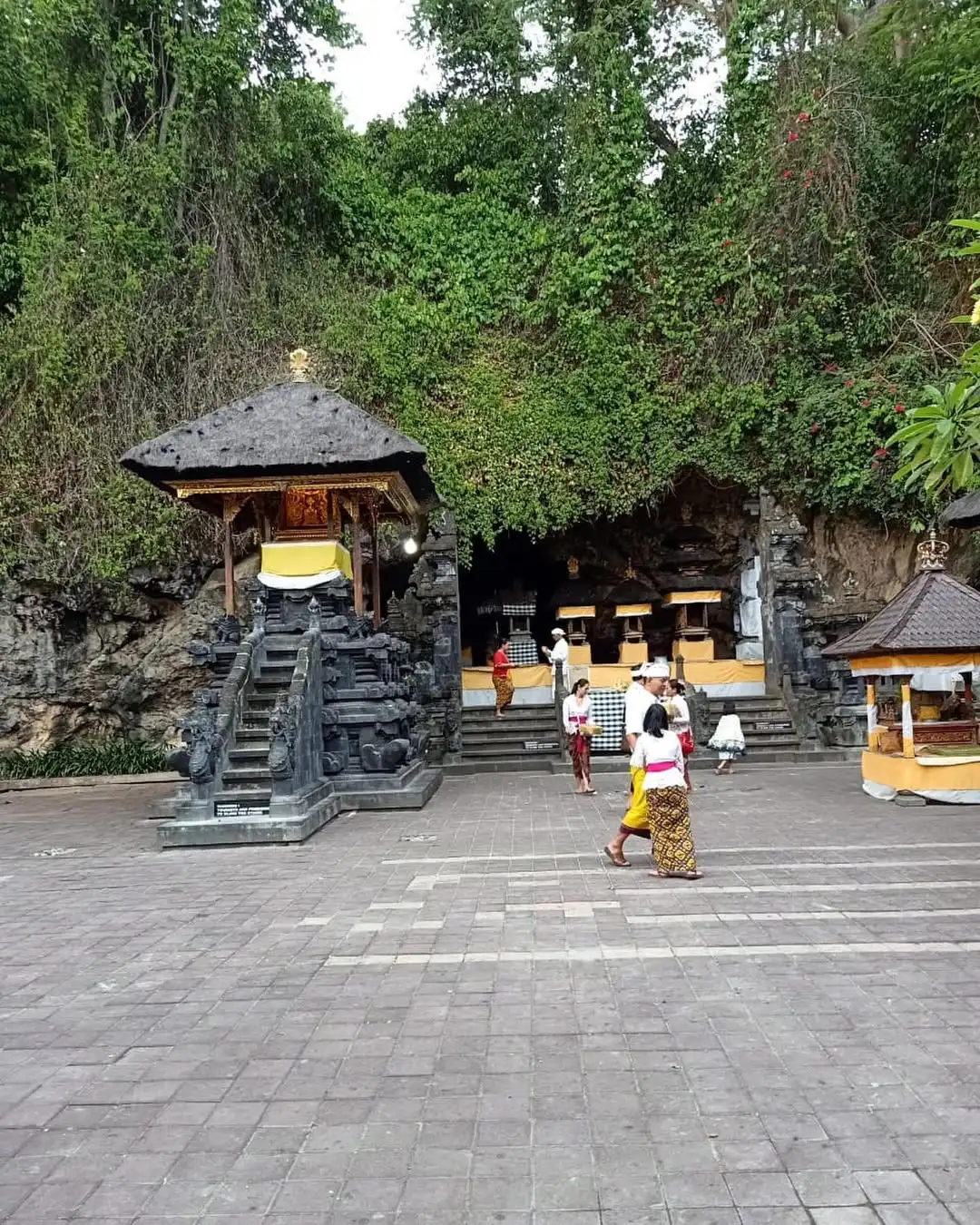
Pura Goa Lawah is an 11th-century Hindu temple in Bali built into a sea cliff cave, known for its resident bat population and active worship practices.

Tirta Pingit Temple
Sri Venkateswara Swami Temple, perched on the seven hills of Tirumala, is one of the world's richest and most visited Hindu shrines, drawing millions of devotees annually for it…
Pura Kiduling Kreteg
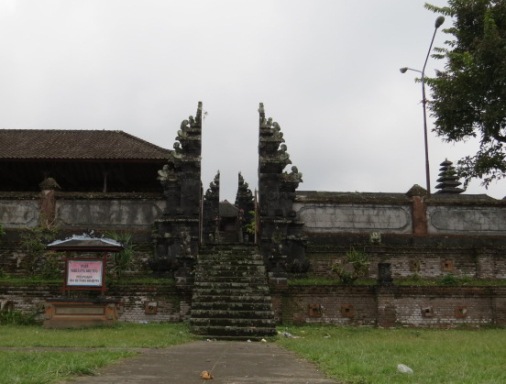
Pura Kiduling Kreteg is a Hindu temple dedicated to Brahma, the Creator God, nestled within the sacred Besakih Temple complex in Bali. Distinguished by striking red banners, it…