Parthasarathy Temple
About Parthasarathy Temple
The temple maintains a structured schedule of worship throughout the day. Morning worship begins at 5:00 a.m. with the opening of the sanctum and ritual bathing of the deity. The principal aartis (ritual offerings) occur at 7:00 a.m. (Ushapuja), 10:30 a.m. (Uchapuja), 6:40 p.m. (Deepaaradhan), and 7:30 p.m. (Athaazha Puja). The temple closes at 10:45 a.m. in the morning and 7:45 p.m. in the evening. Visitors seeking darshan (viewing of the deity) should plan their visit around these timings, as access to the inner sanctum is restricted outside worship hours. The evening session reopens at 5:30 p.m., allowing devotees to participate in the later rituals and offerings.
Visiting the Temple
Thiruvallikeni is located in central Chennai at coordinates 13.05395, 80.27675. The neighbourhood is well-connected by local transport, and the temple's address in Thiruvallikeni provides a clear reference point for navigation. Visitors should dress modestly, following the conventions of Hindu temple etiquette—men typically remove their shirts before entering the inner sanctum, while women wear traditional attire or modest clothing that covers shoulders and knees. Photography policies vary; it is advisable to check with temple staff before photographing the deity or rituals. Shoes are left outside the sanctum, as is customary in Hindu temples. The temple grounds are generally accessible, though certain inner chambers may be restricted to initiated worshippers or during specific rituals.
Significance in Vaishnavite Tradition
As a Divya Desam, Parthasarathy Temple occupies a central place in the spiritual geography of Vaishnavism. The Alvar saints, whose devotional hymns form the Naalayira Divya Prabandham, visited and praised this shrine, embedding it within the most authoritative scriptural canon of South Indian Vaishnavism. The temple's age—spanning over fourteen centuries—reflects its continuous role as a centre of worship and pilgrimage. The specific form of Krishna worshipped here, as the wise charioteer and teacher, appeals to devotees seeking guidance in moral and spiritual matters, making the temple a destination not only for ritual worship but also for contemplative practice rooted in the Bhagavad Gita's teachings.
Temple Administration
The temple is administered under the Hindu Religious and Charitable Endowments Department of the Tamil Nadu government, ensuring its maintenance and the continuation of traditional worship practices. This administrative framework supports the preservation of the temple's rituals, architecture, and heritage status. The department oversees the employment of priests and temple staff, the scheduling of worship, and the upkeep of the shrine's physical structure.
How to reach
You may also visit
Kalyanji Temple
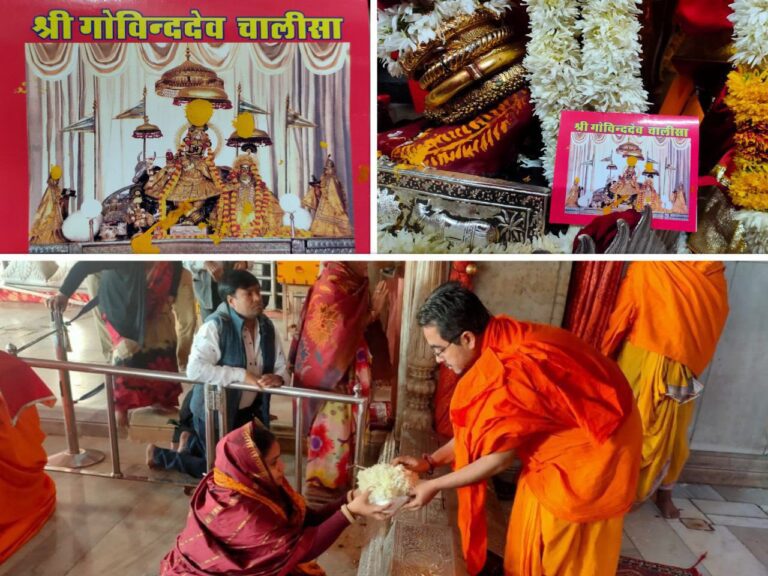
Kalyanji Temple in Jaipur's Chandpol Bazaar is approximately two centuries old and renowned for displaying the twenty-four avatars of Krishna, visible only twice yearly during Akha Teej and Patottsav festival.
Sastha (Ayyappan) Temple
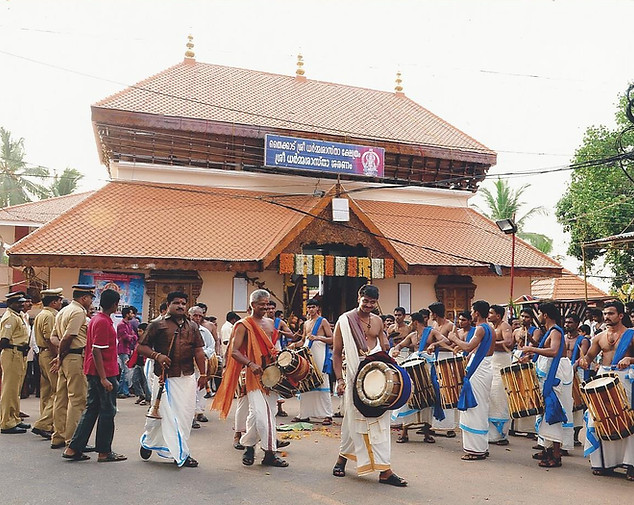
Sree Dharma Sastha Temple in Thycaud, Thiruvananthapuram, is a centuries-old shrine where the deity manifests as Dhanwanthari, the divine healer, holding the sacred blue lotus.
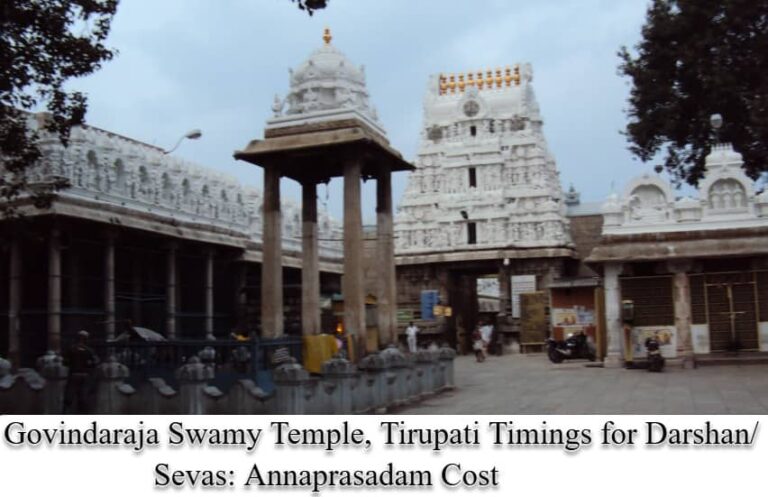
Govindarajaswamy Temple
Sri Govindarajaswamy Temple in Tirupati is an ancient Vaishnavaite shrine consecrated in 1130 AD by Saint Ramanuja, where the presiding deity rests in eternal Yoga Nidra on the serpent Adisesha.