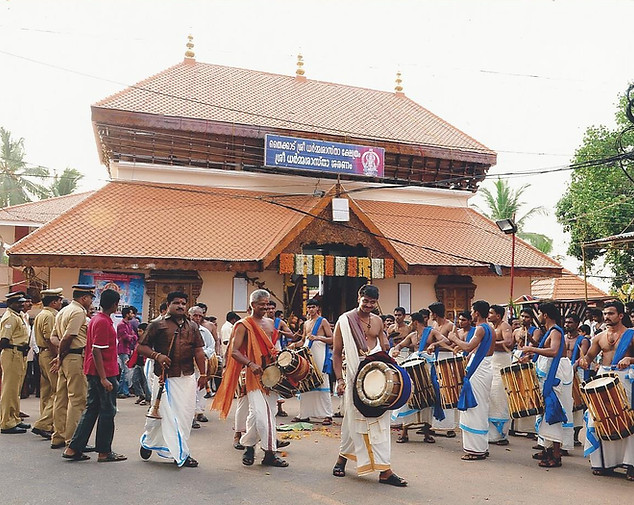
Kamaleswarar Temple
About Kamaleswarar Temple
Kamaleswarar Temple stands in the Pudupet neighbourhood of Chennai, a locality with deep historical roots in the city's development. The temple was established in the 18th century, a period when Chennai was undergoing significant growth under colonial administration. The temple's founding is closely associated with Pachaiyappa Mudaliar, a prominent dubash of that era whose influence extended across mercantile and philanthropic endeavours. The temple remains a neighbourhood landmark, reflecting the religious and social fabric of Pudupet as it has evolved over nearly three centuries.
Location and Access
The temple is situated in Pudupet, Chennai, at coordinates 13.068888888889, 80.266388888889. Pudupet is an established residential and commercial area in central Chennai, accessible by local transport. Visitors should use these coordinates with GPS navigation or enquire locally for precise directions, as temple locations within dense urban neighbourhoods can be difficult to pinpoint without local guidance. The temple's position within the city makes it accessible to those exploring Chennai's older neighbourhoods and their religious heritage.
Visiting the Temple
As with most Hindu temples in Tamil Nadu, visitors should dress modestly—men typically wear traditional dhotis or simple trousers and shirts, while women wear sarees or salwar kameez. Footwear is removed before entering the sanctum. Specific timings for darshan and puja are not detailed in available sources; visitors are advised to arrive during daylight hours and enquire locally about the temple's daily schedule and any special observances. Temple staff or local residents can provide current information about opening hours and the best times to visit.
The temple follows the conventions of South Indian Hindu worship. Devotees typically circumambulate the sanctum and make offerings. If the temple maintains a prasadam distribution, this is usually available after the main puja times. Visitors should approach the deity with respect and follow any instructions given by temple priests or staff.
Historical Significance
The 18th century establishment of this temple coincides with a transformative period in Chennai's history. Pachaiyappa Mudaliar, whose name is linked to the temple's origins, was a figure of considerable standing in the mercantile community. His patronage of religious institutions was part of a broader pattern among successful merchants of the period who invested in temple construction and maintenance as both spiritual practice and community contribution. The temple thus represents not only religious devotion but also the social networks and economic structures of 18th-century Chennai.
Practical Information for Visitors
No detailed information about current facilities, accommodation, or dining options near the temple is available from the sources provided. Visitors should plan accordingly: Pudupet is an urban neighbourhood with general city amenities, but specific temple facilities cannot be confirmed. It is advisable to visit during daylight hours, carry water, and be prepared for the urban setting. Local enquiries upon arrival will clarify any services the temple may offer, such as prasadam or rest areas.
Photography policies are not specified; visitors should ask permission before photographing the sanctum or rituals. Mobile phones should be switched to silent mode out of respect for worship.
How to reach
Temples near Kamaleswarar Temple
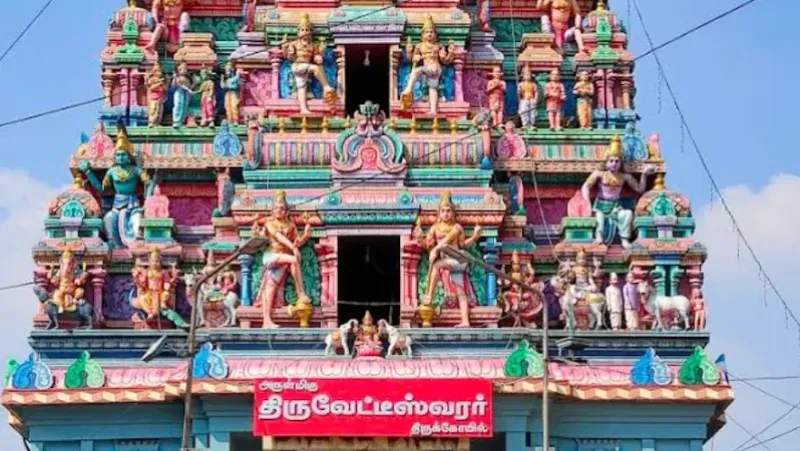
Thiruvettisvarar Temple, Thiruvettisvaranpettai
Thiruvettisvarar Temple is a Hindu shrine dedicated to Lord Shiva located in Triplicane, Chennai. The presiding deity Thiruvettisvarar is represented by a lingam, with the godde…
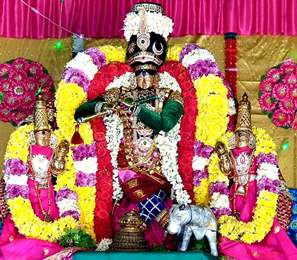
Egmore Seenivaasa Perumaal temple
Arulmigu Srinivasa Perumal Temple in Egmore, Chennai is an ancient Hindu shrine dedicated to Lord Srinivasa Perumal, maintained by the Hindu Religious and Charitable Endowments…

Mallikesvarar Temple, Chennai
Mallikesvarar Temple is a historic Hindu shrine in Chennai's George Town, among the first temples built in the British settlement of Madrasapatnam, with origins tracing to 1646.
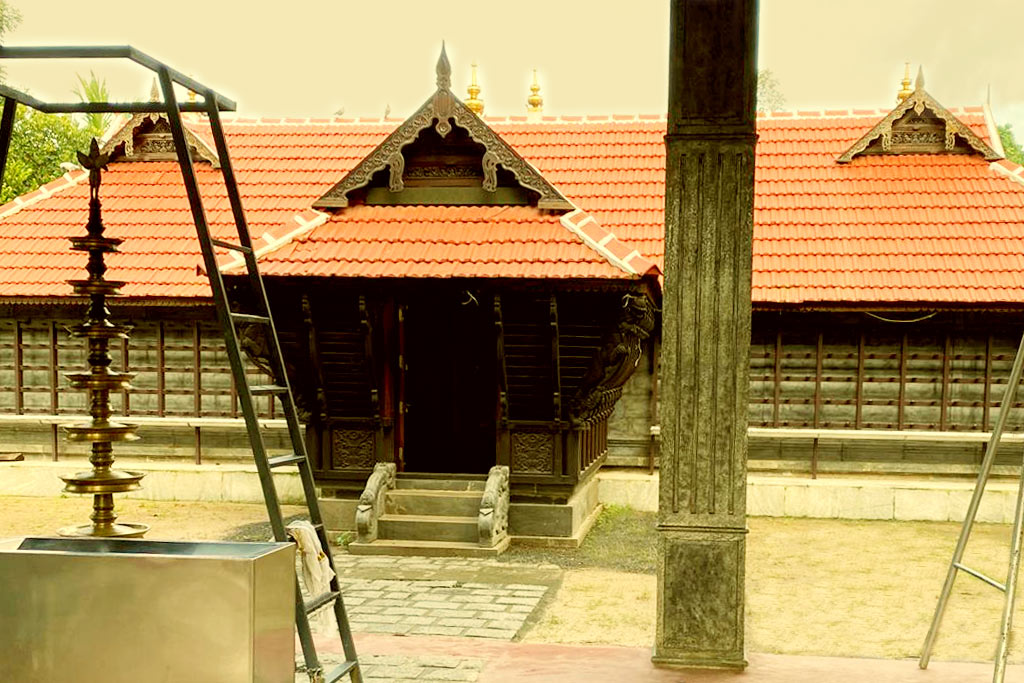
Parthasarathy Temple
The Parthasarathy Temple in Chennai is a 6th-century Vaishnavite shrine dedicated to Krishna as Parthasarathy, the divine charioteer of Arjuna. Recognized as one of the 108 Divy…
Pathala Ponniamman Temple
Pathala Ponniamman Temple in Kilpauk, Chennai is an ancient Amman shrine serving as the family deity for approximately one lakh families in the region, administered by the Hindu…

Tirttapaleeswarar Temple, Triplicane
Tirttapaleeswarar Temple in Triplicane, Chennai is a historic Hindu shrine dedicated to Lord Shiva, believed to have originated around five hundred years ago when a cow was obse…