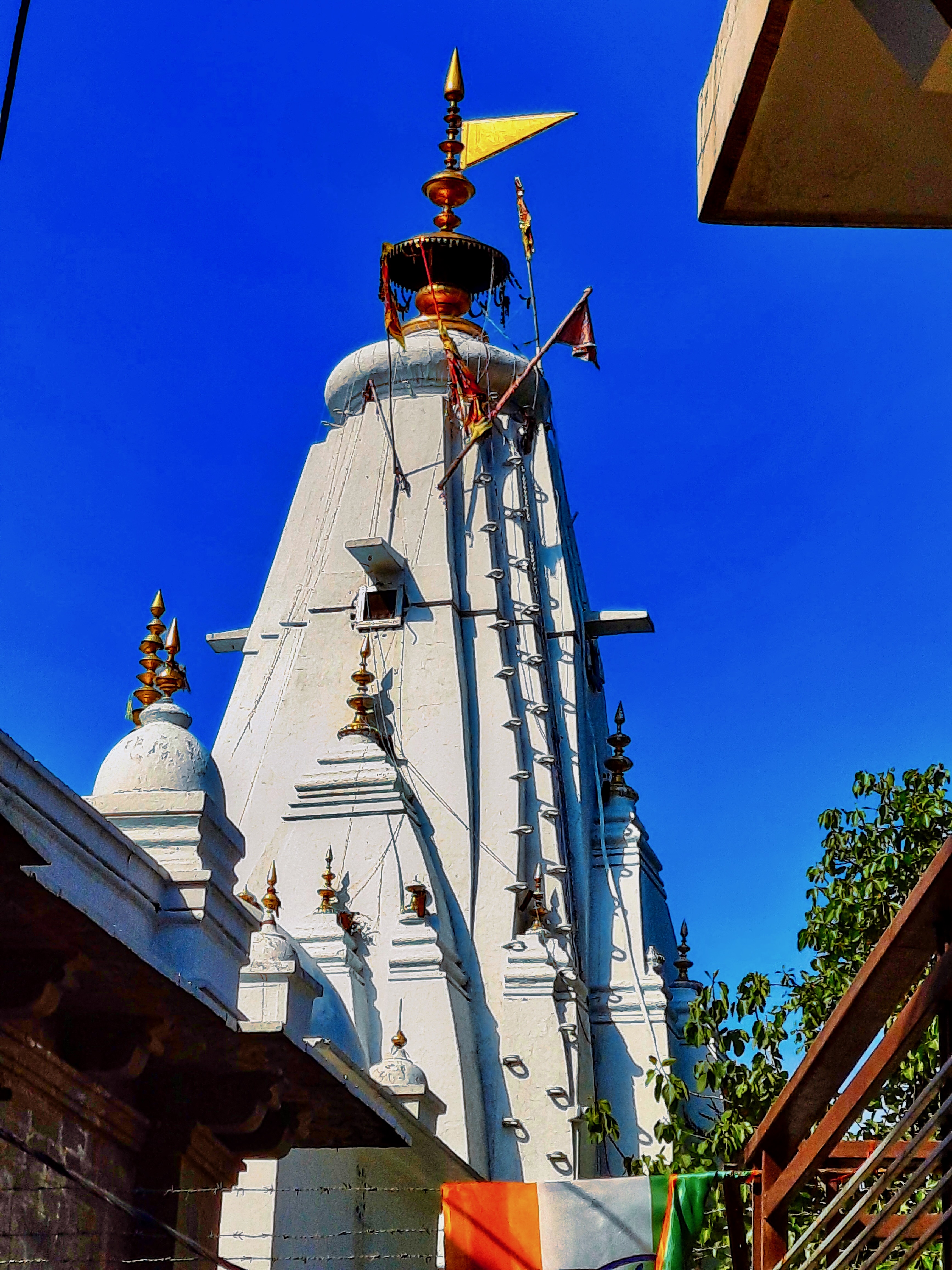
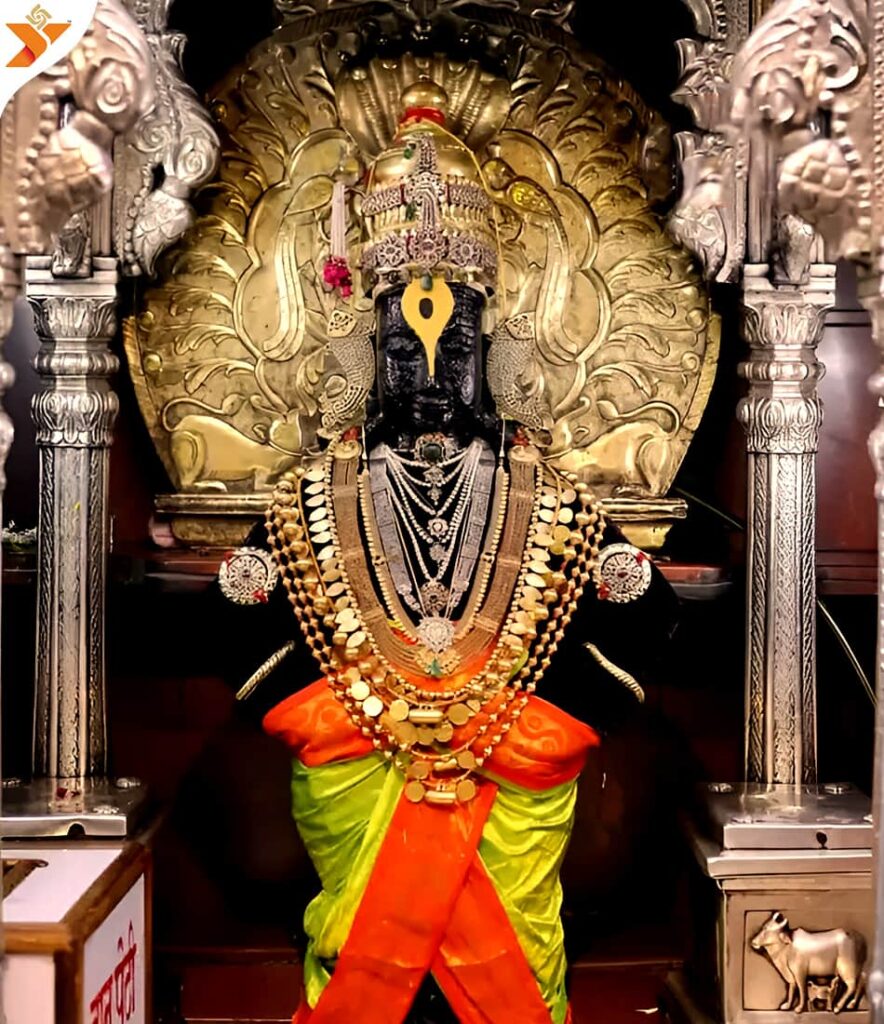

Apparswami Temple
About Apparswami Temple
Apparswami, known as a siddhar, attained jeeva samadhi in 1851. The concept of jeeva samadhi—conscious entry into a meditative state from which one does not return—holds deep significance in certain Hindu and yogic traditions, marking the saint's transition to a state of spiritual liberation. His disciple Chidambaraswamy's decision to build the temple two years later reflects the enduring bond between guru and student, and the desire to preserve the saint's spiritual presence for future generations of devotees. The temple thus carries the weight of this personal spiritual history, making it a site where the teachings and example of Apparswami continue to inspire those who visit.
Daily Worship and Rituals
The temple opens each day at 07:00 in the morning and closes at 12:00 noon, reopening at 16:30 in the evening until 21:00. Two principal aartis structure the day's worship: the morning pooja begins at 07:00, and the evening pooja (sandhya) commences at 16:30. These ritual times follow the pattern common to Saivite temples, marking the transitions of day with offerings and prayers to the deity. Devotees may visit during either session to participate in worship or offer personal prayers. The temple remains open throughout these hours, allowing flexibility for those whose schedules permit only brief visits or extended stays.
Festivals and Observances
The temple observes festivals significant to Saivite tradition and the wider Hindu calendar. Hanuman Jayanti, celebrated on 1 April, and Diwali, observed on 8 November, are occasions when the temple receives special decoration and draws larger congregations of devotees. During these festivals, rituals may be conducted with additional elaboration. However, exact festival dates and any variations in timings should be confirmed directly with the temple, as festival schedules can shift from year to year according to the lunar calendar.
Visiting: Dress and Etiquette
Visitors should dress modestly in keeping with temple custom. Women typically wear salwar kameez, sarees, or other traditional attire, while men wear dhotis or simple trousers and shirts. Shoes are removed before entering the sanctum, as is standard practice in Hindu temples. When moving through the temple, devotees customarily circumambulate the sanctum in a clockwise direction as an act of reverence. Photography policies are not detailed in available sources; it is respectful to seek permission before photographing the sanctum or any rituals in progress. Those with specific questions about accessibility or facilities should contact the temple in advance, as detailed information about such amenities is not readily available.
Practical Information for Visitors
Apparswami Temple is located at 13.040278, 80.267473 on Royapettah High Road in Mylapore, Chennai, Tamil Nadu 600004. The site is accessible by road and well-connected to the surrounding neighbourhood. Visitors are advised to bring water and plan their visit according to the posted timings. The temple does not appear to have extensive facilities listed in available sources, so those with particular needs or questions should contact the temple directly before visiting. The shrine's location within Mylapore, a neighbourhood with deep historical and religious significance in Chennai, makes it accessible to those exploring the broader heritage of the area.
How to reach

Temples near Apparswami Temple
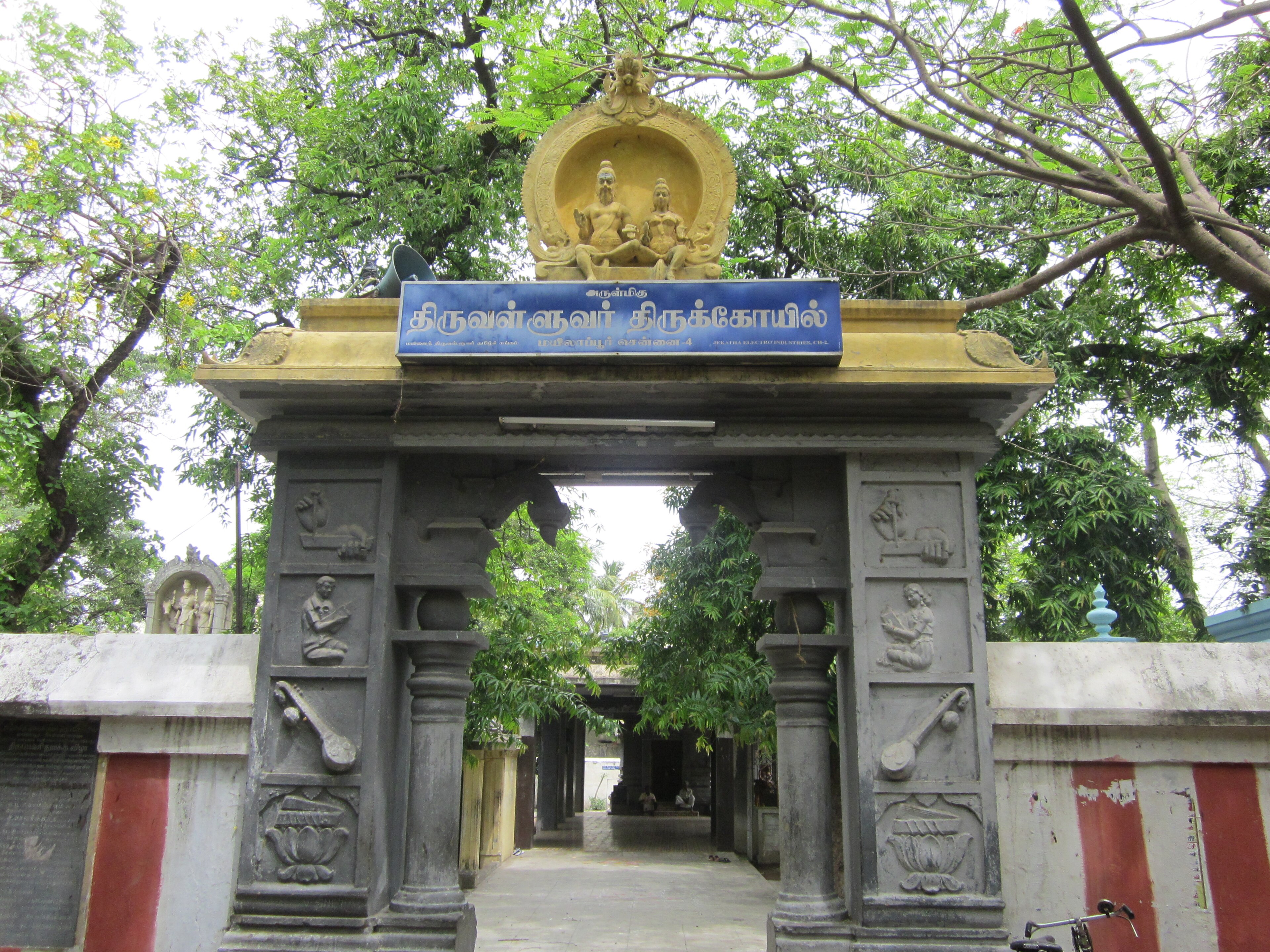
Thiruvalluvar Temple
Thiruvalluvar Temple, nestled within the Ekambareswarar complex in Mylapore, Chennai, honors the revered poet-saint Valluvar and serves as a vital center for Tamil language and…
Madhava Perumal temple
The Madhava Perumal Temple in Mylapore, Chennai, is a Dravidian-style shrine dedicated to Vishnu as Madhava Perumal and his consort Lakshmi as Amirtavalli. Believed to be the bi…

Kapaleeswarar Temple
Kapaleeswarar Temple in Mylapore, Chennai is a prominent Dravidian Shiva temple renowned for its towering gopuram and the Arupathimoovar festival. The temple holds historical si…
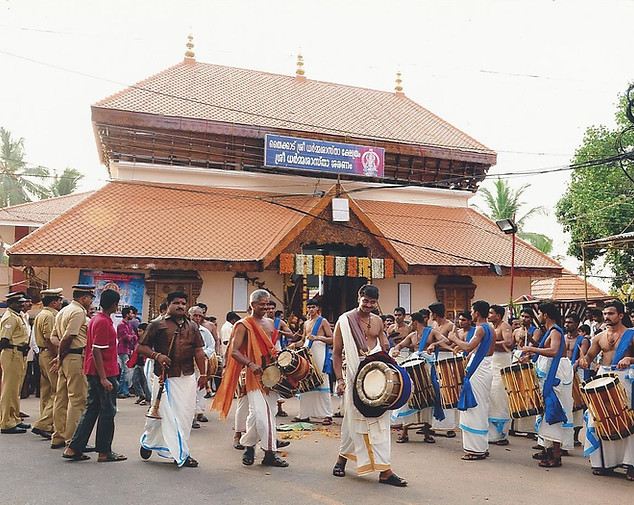
Alwarpet Anjaneyar Temple
The Alwarpet Anjaneyar Temple in Mylapore, Chennai, is an 18th-century shrine dedicated to Hanuman, established after devotees discovered a self-manifested idol of the deity whi…
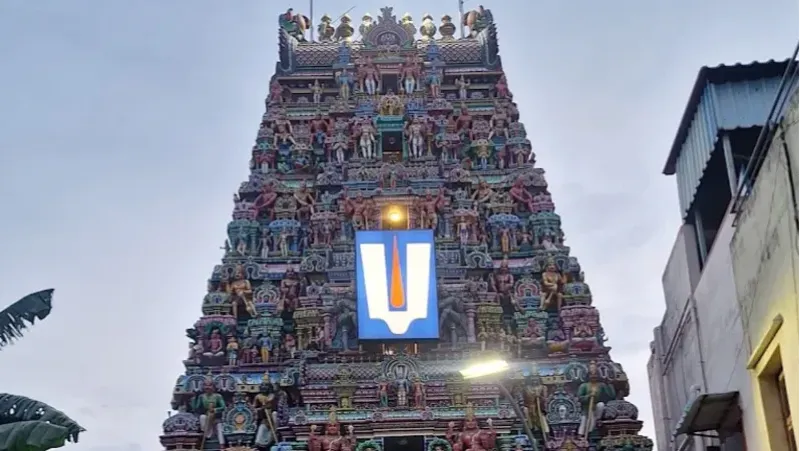
Adikesava Perumal temple, Mylapore
Adikesava Perumal Temple in Mylapore is an ancient Vaishnavite shrine dedicated to Lord Vishnu as Adikesava Perumal, revered as the birthplace of the Alvar saint Peyalvar and co…

Tirttapaleeswarar Temple, Triplicane
Tirttapaleeswarar Temple in Triplicane, Chennai is a historic Hindu shrine dedicated to Lord Shiva, believed to have originated around five hundred years ago when a cow was obse…