Pandori Dham
About Pandori Dham
Pandori Dham is known throughout the region for its annual Baisakhi fair, held in mid-April. Baisakhi marks both the Punjabi new year and the spring harvest season, occasions traditionally observed across Punjab with community gatherings. At this temple, the fair draws devotees and visitors to participate in celebration alongside the resident monastic community, making it the most significant moment in the temple's annual cycle. The fair represents a convergence of spiritual practice and broader community participation, when the shrine's usual rhythm of worship expands to accommodate larger numbers of pilgrims.
For those planning a visit, Baisakhi offers the most vibrant time to experience the temple's life and significance. However, the shrine remains open to devotees throughout the year for regular darshan and worship.
Visiting the Temple: Etiquette and Approach
As a Vaishnava shrine, Pandori Dham follows practices typical of this tradition. Visitors should approach with respectful demeanor and remove shoes before entering the inner sanctum. Modest dress is appropriate when visiting. Those unfamiliar with temple protocols may observe other devotees to understand the sequence of worship and interaction with the shrine, a practice that helps visitors participate respectfully without requiring prior instruction.
The temple's setting in a village environment means that the atmosphere differs from urban temples. Visitors should be prepared for a more intimate, community-centered space where the rhythm of worship and monastic life takes precedence over visitor amenities. This setting reflects the temple's primary function as a center of spiritual practice rather than a pilgrimage destination designed for high visitor volumes.
Location and Access
Pandori Dham is located at coordinates 32.0571, 75.5023 in Pandori Mahantan village, Gurdaspur district, Punjab. The village setting requires travel by road from larger nearby towns. Visitors should plan their journey with attention to local transportation options, as public transit to smaller villages in this region may be limited. Those traveling by personal vehicle will find the coordinates useful for navigation. Inquiring locally about current road conditions and travel times from Gurdaspur town or other regional centers is advisable before departure.
The Temple Throughout the Year
While Baisakhi represents the temple's most significant annual observance, Pandori Dham functions as an active place of worship year-round. The resident monastic community maintains the shrine's daily rhythms of worship and spiritual practice. Visitors arriving outside the Baisakhi period should expect a quieter atmosphere focused on regular darshan and the devotional life of the community. The temple likely observes standard daily timings for darshan, though specific hours are not documented in available sources—local inquiry upon arrival or contact with the temple community beforehand would clarify current visiting hours.
Understanding the Ramanandi Tradition
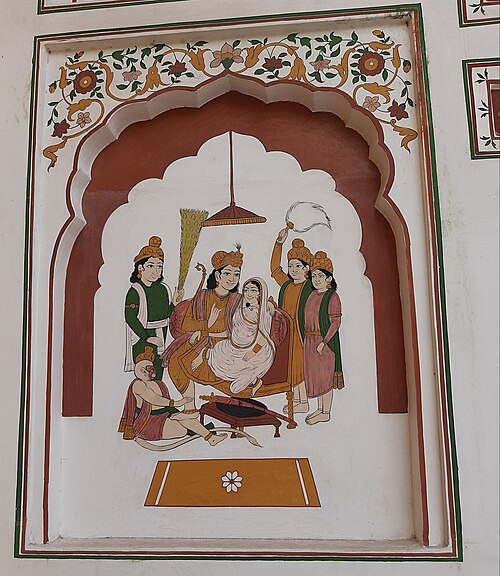
The Ramanandi Sampradaya represents one of North India's major Vaishnava lineages, historically significant for its emphasis on making spiritual practice accessible across social boundaries. This egalitarian approach shaped the tradition's development and continues to influence the character of temples within it. Pandori Dham's role as one of the organized dvaras reflects the tradition's structured approach to maintaining centers of practice and teaching across regions. Visitors interested in understanding the broader context of the shrine's spiritual life may benefit from learning about Ramanandi philosophy and practice, which emphasizes devotion to Rama and the accessibility of spiritual realization to all sincere practitioners.
How to reach
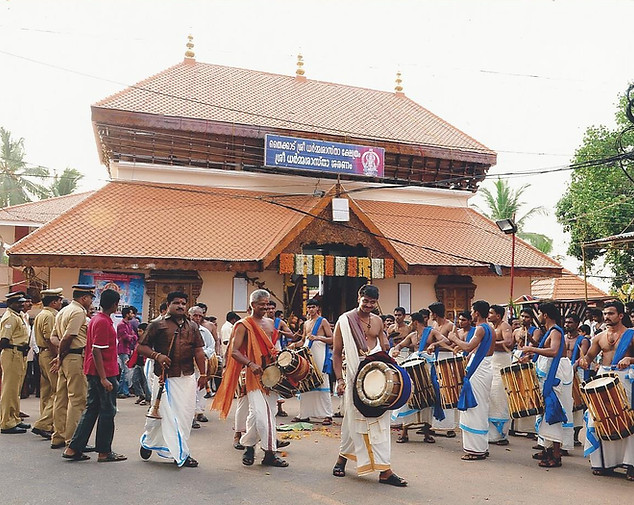
Temples near Pandori Dham
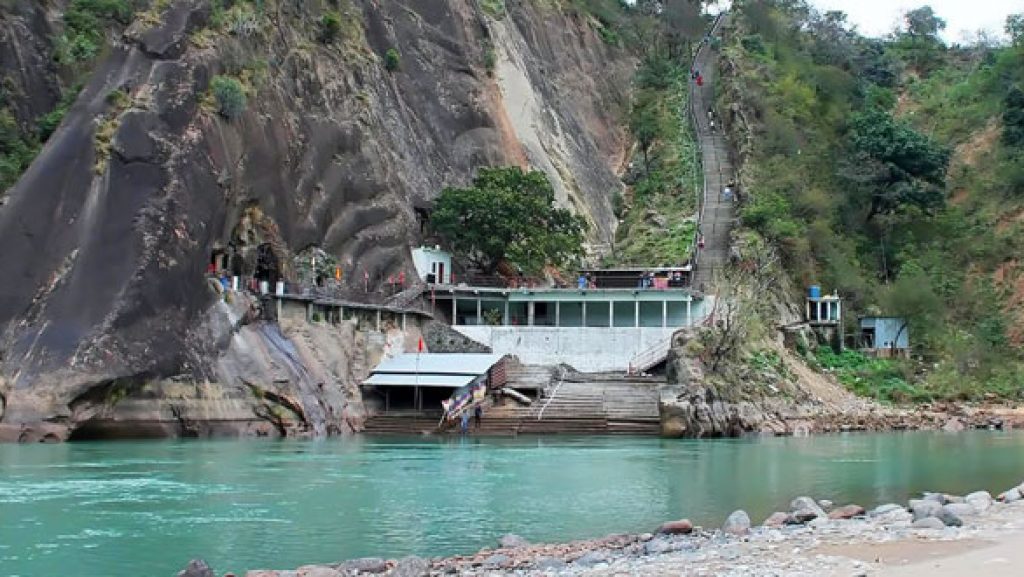
Mukteshwar Mahadev Temple
Mukteshwar Mahadev Temple is a sacred cave shrine dedicated to Shiva located near Pathankot, Punjab, housing representations of multiple deities and linked to Mahabharata-era le…

Masroor Temples
The query requests information about Masroor Temples, but the provided sources contain only information about Shree Saibaba Sansthan Trust in Shirdi, Maharashtra, which is a dif…
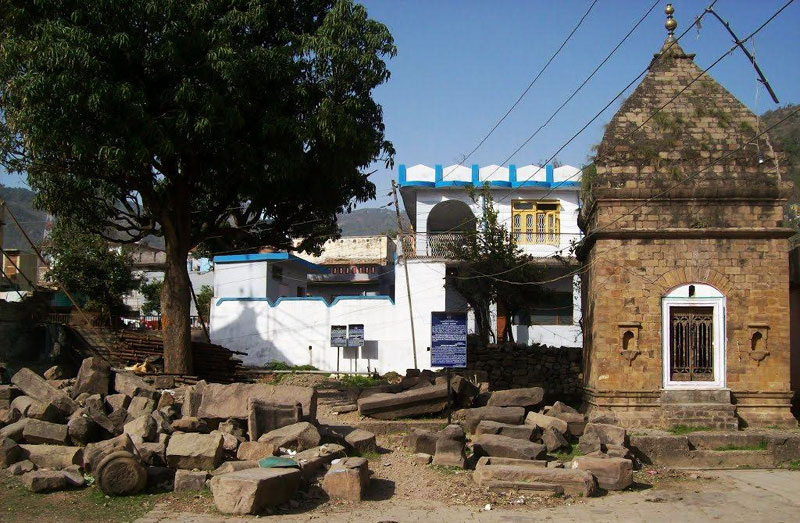
Shiv Temple, Billawar
Mahabilvakeshwar Temple in Billawar is a Lord Shiva shrine distinguished by its unique spherical dome, situated on the banks of the Bhinni river in Kathua district, Jammu and Ka…
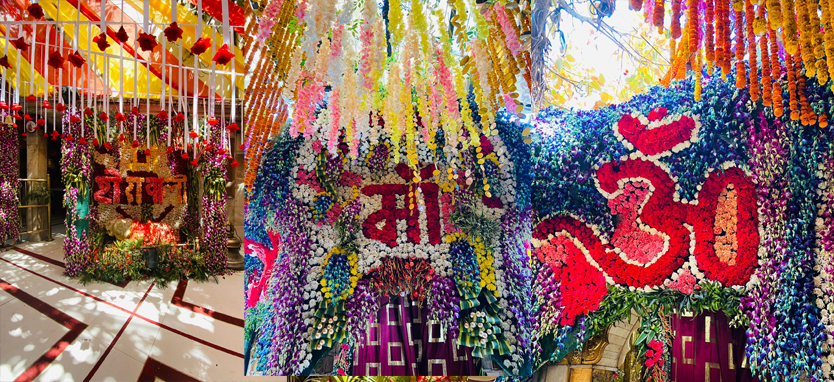
Chintpurni
Chintpurni Temple in Una, Himachal Pradesh is a revered Shakti Peeth dedicated to Goddess Chinnamastika, worshipped as Maa Chintpurni—the divine mother who relieves devotees fro…
Sukrala Mata Mandir
Sukrala Mata Mandir is a revered hilltop shrine in Kathua district dedicated to Sukrala Mata, a manifestation of Sharada Devi, attracting thousands of devotees especially during…

Bagalamukhi Temple, Bankhandi, HP
The Bagalamukhi Temple in Bankhandi, Kangra district, Himachal Pradesh is dedicated to the goddess Bagalamukhi, one of the ten Tantric Mahavidya deities associated with the colo…