
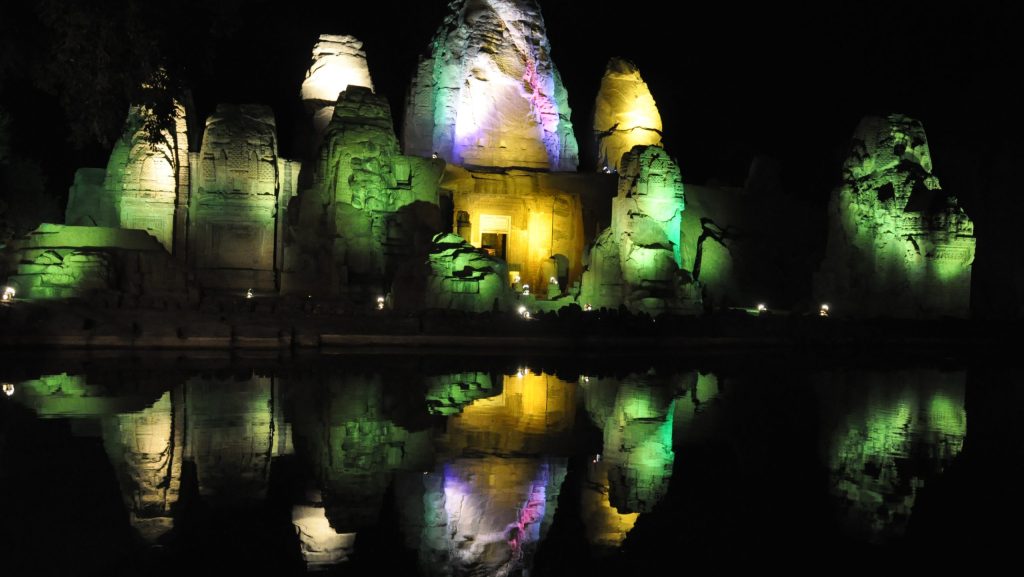
Masroor Temples
About Masroor Temples
The Masroor site comprises multiple rock-cut chambers and shrines carved into the hillside. The exact layout and number of individual sanctuaries reflects the ambitions of its founders to create a substantial place of worship. The Nagara style evident in the temple's design includes characteristic features of this architectural tradition, though the specific details of the carved elements and their decorative schemes remain best understood through direct observation at the site.
The rock-cut nature of these temples means they have endured for over a millennium, their stone construction providing durability that has allowed them to survive to the present day. Visitors approaching the site encounter the temples as they emerge from the natural landscape, a setting that reflects the integration of sacred space with the surrounding geography.
Location and Access
The temples are situated in the Kangra Valley near the Beas River in Himachal Pradesh, in northern India. The specific coordinates are 32.0725°N, 76.137°E. The Kangra district, in which the temples are located, is accessible by road from major towns in the region. Visitors planning to reach the site should enquire locally about current road conditions and transport options, as access to heritage sites in hilly terrain can vary seasonally.
The district administration of Kangra maintains information about tourist facilities and routes to heritage places within the region. Those travelling to the temples should allow adequate time for the journey and consider the terrain when planning their visit.
Visiting the Temple
Specific information about darshan timings, entry fees, or current facilities at the Masroor Temples is not available from the sources provided. Visitors should contact the Kangra district administration or local tourism offices before travelling to confirm access arrangements and any requirements for visiting the site.
As with most Hindu temples, visitors are typically expected to remove footwear before entering sacred spaces and to dress respectfully. General practice at heritage temples suggests that modest clothing is appropriate. Those with mobility concerns should be aware that rock-cut temples may involve climbing or uneven surfaces, and should assess their ability to navigate the site accordingly.
Practical Information
The Kangra district tourism directory provides resources for visitors planning trips to heritage sites in the region, including information about accommodation, guides, and travel agencies. Visitors may find it helpful to engage a local guide familiar with the temples and their history, as this can enhance understanding of the site's architectural and religious significance.
Photography policies at heritage temples vary; visitors should be respectful of any restrictions or requests from site custodians. The remote or semi-remote location of rock-cut temples means that facilities such as refreshment stands or rest areas may be limited, and visitors should come prepared with water and sun protection.
The Kangra Valley Context
The Kangra Valley has long held importance in the religious and cultural traditions of the Himalayan region. The presence of the Masroor Temples within this landscape reflects the valley's role as a centre of Hindu devotion and artistic achievement during the early medieval period. The valley continues to be home to other temples and pilgrimage sites, making it a region of ongoing spiritual significance for visitors and devotees.
How to reach
Temples near Masroor Temples

Bajreshwari Mata Temple, Kangra
Bajreshwari Mata Temple in Kangra is dedicated to Durga in her fierce form as Vajreshwari, the goddess of the thunderbolt. It is one of the 51 sacred Shakta pithas where the lef…

Bagalamukhi Temple, Bankhandi, HP
The Bagalamukhi Temple in Bankhandi, Kangra district, Himachal Pradesh is dedicated to the goddess Bagalamukhi, one of the ten Tantric Mahavidya deities associated with the colo…
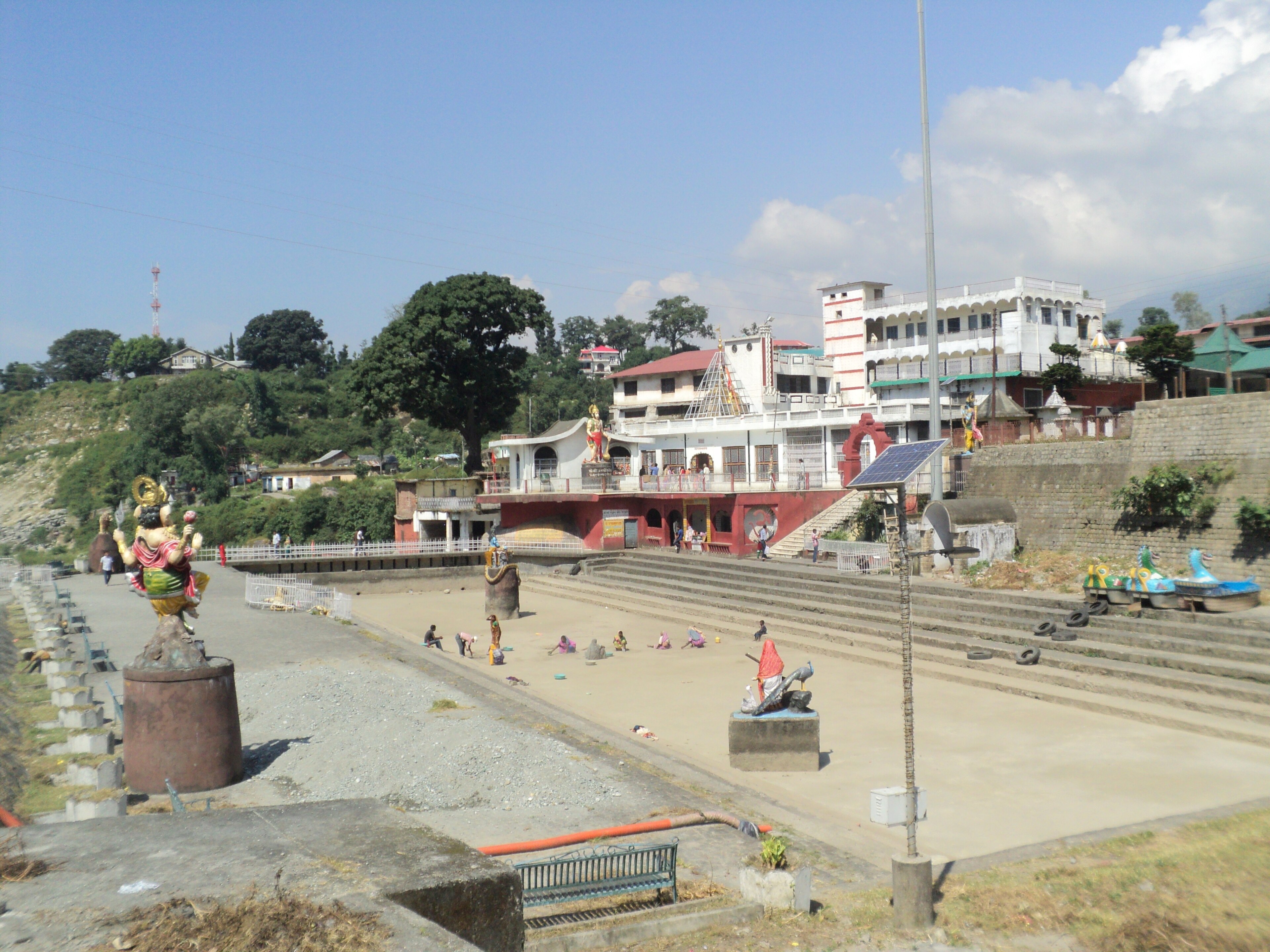
Shri Chamunda Devi Mandir
Shri Chamunda Devi Temple, located 19 km from Palampur in Kangra district, Himachal Pradesh, is a prominent Hindu shrine dedicated to Chamunda Devi, a fierce manifestation of Go…
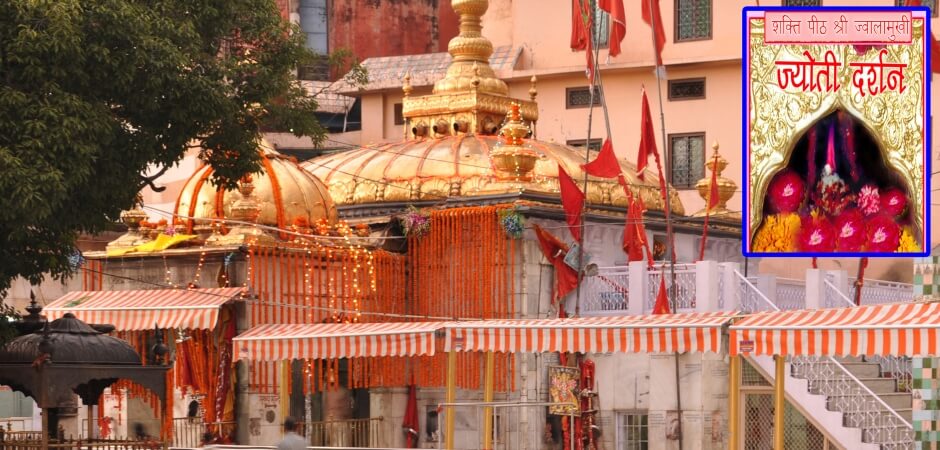
Jwala Ji Kangra
Jwala Ji (Jwalamukhi) Temple in Kangra is a sacred Shakti Peetha where nine eternal natural flames burn from the rock without fuel, worshipped as the manifestation of Goddess Jw…
Jwalamukhi temple, Himachal Pradesh
Jwalamukhi temple is a revered Shakti Peetha shrine in Himachal Pradesh dedicated to Goddess Jwala Devi, renowned for its naturally occurring eternal flames that emerge from roc…
Chintpurni
Chintpurni Temple in Una, Himachal Pradesh is a revered Shakti Peeth dedicated to Goddess Chinnamastika, worshipped as Maa Chintpurni—the divine mother who relieves devotees fro…