


Palanchok Bhagawati Temple
About Palanchok Bhagawati Temple
The temple is believed to have been constructed during the reign of King Mānadeva, placing it among Nepal's ancient sacred sites. The exact dates of this period are not specified in available sources, but the attribution to Mānadeva's era establishes the temple's deep historical roots. This antiquity contributes to its standing as a place of enduring spiritual significance for Hindu communities across the region.
Location and Access
The temple sits on a hilltop in Palanchowk, within Panchkhal Municipality in Kavrepalanchok district, in Nepal's Bagmati Province. It lies approximately 42 kilometres from Kathmandu. The hilltop setting is characteristic of many sacred shrines in the Himalayan foothills, offering both geographical prominence and a setting conducive to contemplative practice.
Visitors traveling by air should note that Darbhanga Airport is the nearest major airport, though it lies at a considerable distance. By rail, Ghorasahan station is the nearest railway connection. From these points, onward travel to the temple site will require local transport arrangements. Visitors are advised to plan their journey with attention to road conditions and local travel options, particularly given the temple's hilltop location.
Visiting the Temple: Timings and Etiquette
The temple welcomes visitors during daylight hours, though specific opening and closing times are not detailed in available sources. Devotees traditionally visit on Tuesdays and Saturdays, as well as on Purnima (the full moon day), when the temple draws increased numbers of worshippers. The months of Vaishakha, Jestha, and Ashwin are considered particularly auspicious for pilgrimage.
Modest traditional dress is expected. Visitors should avoid shorts, skirts, and sleeveless clothing. Footwear must be removed and deposited at stands outside the temple before entering. Photography is traditionally restricted within the Garbhagriha, the inner sanctum where the deity is housed. These practices reflect standard etiquette observed across Hindu temples and are intended to maintain the sanctity of the worship space.
Festivals and Observances
The Dashain festival is a significant occasion at the temple, drawing devotees for special worship and celebration. Dashain, observed across Nepal and among Hindu communities more broadly, commemorates the victory of divine forces over chaos and is marked by ritual observances, prayers, and community gathering. The temple's role during this festival reflects its importance as a center of Shakti worship, as Dashain celebrations often emphasize the power of the Divine Mother.
Beyond Dashain, the temple observes worship according to the lunar calendar and the seasons marked by the Hindu almanac. Visits during Purnima and on the days traditionally associated with the goddess—Tuesdays and Saturdays—are considered especially meritorious by devotees.
Approaching the Shrine
As a sacred place dedicated to the Divine Mother, the temple invites devotees to approach with reverence and an attitude of prayer. Worship here may inspire gratitude, reflection on the sustaining power of feminine divinity, and a deepening of connection with Hindu spiritual traditions. Visitors should allow time for quiet contemplation and should be respectful of other worshippers engaged in their own devotional practices.
How to reach


Temples near Palanchok Bhagawati Temple

Doleshwor Mahadeva Temple
Doleshwor Mahadeva Temple in Bhaktapur, Nepal is a shrine dedicated to Lord Shiva, traditionally believed to house the missing head of Kedarnath from Mahabharata mythology.

Nyatapola Temple
Nyatapola Temple is a five-tiered pagoda in Bhaktapur, Nepal, dedicated to Siddhi Lakshmi. Commissioned by King Bhupatindra Malla and completed in 1702, it stands as Nepal's tal…

Changu Narayan Temple
Changu Narayan is one of Nepal's oldest Hindu temples, built in the 4th century AD and dedicated to Lord Vishnu. Located on a hilltop in Bhaktapur District, it was designated a…

Gokarneshwor Mahadev temple
Gokarneshwor Mahadev Temple, situated northeast of Bodhnath in Kathmandu Valley, houses an important lingam of Shiva and is renowned for its exceptional collection of ancient sc…
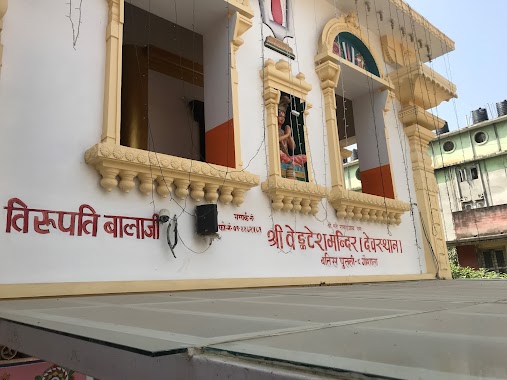
Venkatesh Mandir, Kathmandu
Venkatesh Mandir in Kathmandu is a Hindu temple dedicated to Lord Venkateswara (Tirupati Balaji), modeled after the famous Tirupati temple in India. The temple serves the local…
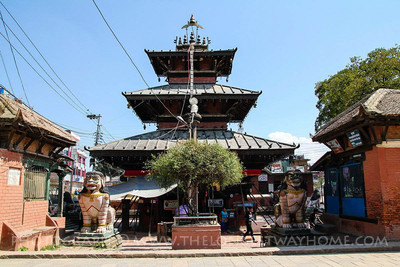
Balkumari temple
Balkumari Temple in Lalitpur District, Nepal, is a mysterious 17th-century Newari pagoda shrine dedicated to Goddess Balkumari, a form of the Astamatrikas, distinguished by its…