


Nyatapola Temple
About Nyatapola Temple
The temple rises to a height of 30 metres across five tiers, following the pagoda style characteristic of Nepalese temple architecture. Each tier is progressively smaller, creating the distinctive silhouette that dominates Bhaktapur's skyline. The structure combines brick, wood, and stone in a carefully balanced composition that has proven earthquake-resistant across centuries.
The entrance features carved stone sculptures arranged in a sequence that ascends toward the sanctum. These carvings include representations of wrestlers, elephants, lions, griffins, and tigers. According to the architectural tradition documented in the sources, the strength depicted in these figures increases tenfold as one moves upward toward the temple's inner sanctum, reflecting a symbolic progression toward the divine.
The Deity: Siddhi Lakshmi
Nyatapola Temple is dedicated to Siddhi Lakshmi, the goddess of accomplishment and spiritual perfection. The temple serves as a centre of devotion for those seeking her blessings, and an annual sacred ritual (yagya) is performed on the anniversary of the temple's establishment to honour the goddess. The specific legends and narratives associated with Siddhi Lakshmi at this temple are preserved in local tradition, though detailed accounts are not extensively documented in readily available sources.
Visiting the Temple
The best time to visit Nyatapola Temple is during the autumn season, from September to November, when the weather in Bhaktapur is clear and pleasant. The temple is located at coordinates 27.6714, 85.4293 in Taumadhi Tole, making it easily accessible within the old city.
Visitors should dress respectfully when entering the temple, following the conventions observed at Hindu places of worship—removing shoes before entering the sanctum and covering shoulders and knees. The temple is managed by Nepal's Department of Archaeology, and visitors should be mindful of the sacred nature of the space and any ongoing rituals or ceremonies. Photography policies may vary; it is advisable to ask permission before photographing the interior or any religious activities.
Significance and Cultural Importance
Nyatapola Temple holds prominent status as a religious landmark in Bhaktapur and represents a high point of Nepalese architectural achievement. Its survival through multiple earthquakes has made it a symbol of cultural resilience and continuity. The temple attracts both devotees seeking blessings and visitors interested in the architectural heritage of the Kathmandu Valley.
The temple's position as the tallest in Nepal and its distinctive five-tiered form make it an iconic reference point within Bhaktapur's urban landscape. For those practising Hindu traditions, it remains an active centre of worship and ritual observance.
Getting There
Nyatapola Temple is located in central Bhaktapur, approximately 13 kilometres east of Kathmandu. The city is accessible by road from Kathmandu via the Bhaktapur Highway. Local buses and taxis serve the route regularly. Once in Bhaktapur, the temple's height and central location make it visible and navigable from most parts of the old city. Taumadhi Tole, where the temple stands, is a focal point of the historic city centre and can be reached on foot from most accommodation options in Bhaktapur.
How to reach


You may also visit
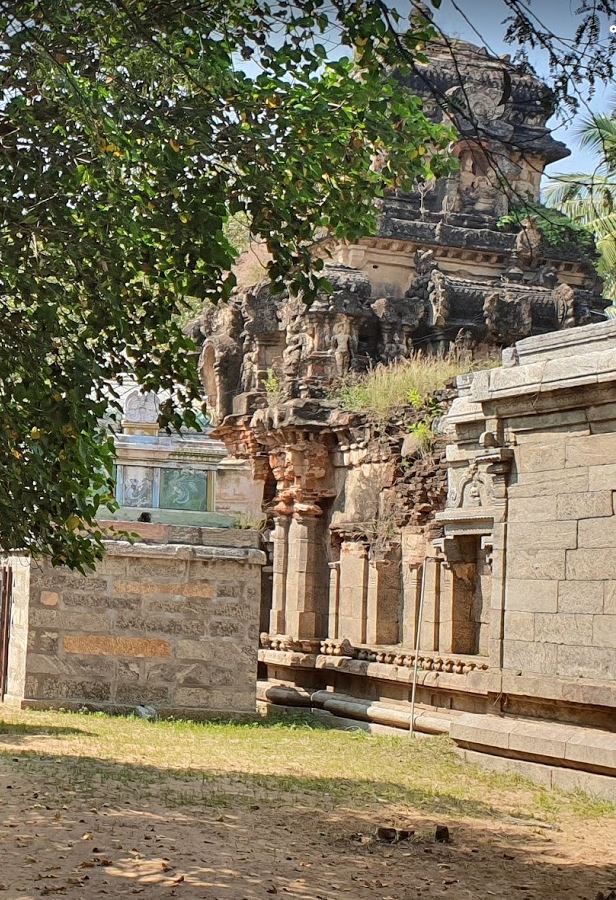
Agatheeswarar Temple, Karur
Agatheeswarar Temple in Thirumukkudalur, Karur district, is an ancient Hindu shrine dedicated to Shiva, situated at the sacred confluence of three rivers and believed to be over 1000 years old.
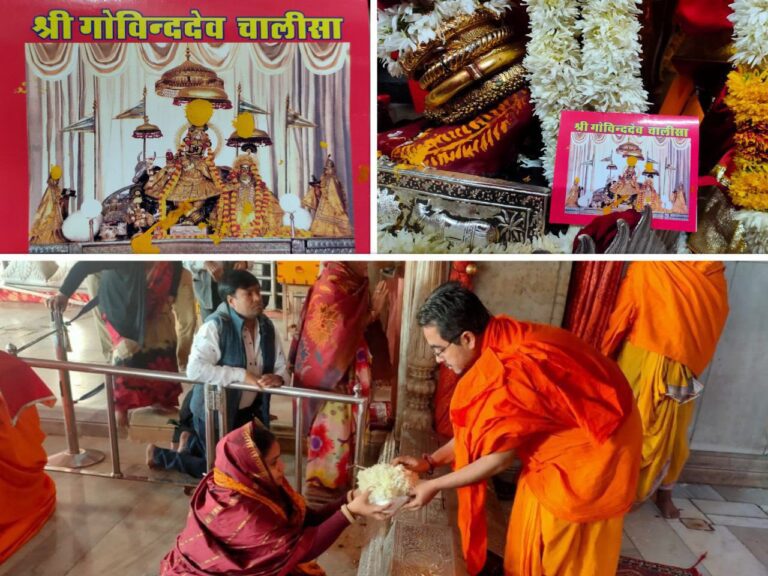
Kalyanji Temple
Kalyanji Temple in Jaipur's Chandpol Bazaar is an ancient Krishna shrine established in the 1820s, renowned for its seven daily aartis and special avatar darshan ceremonies during Akha Teej and Patottsav festivals.
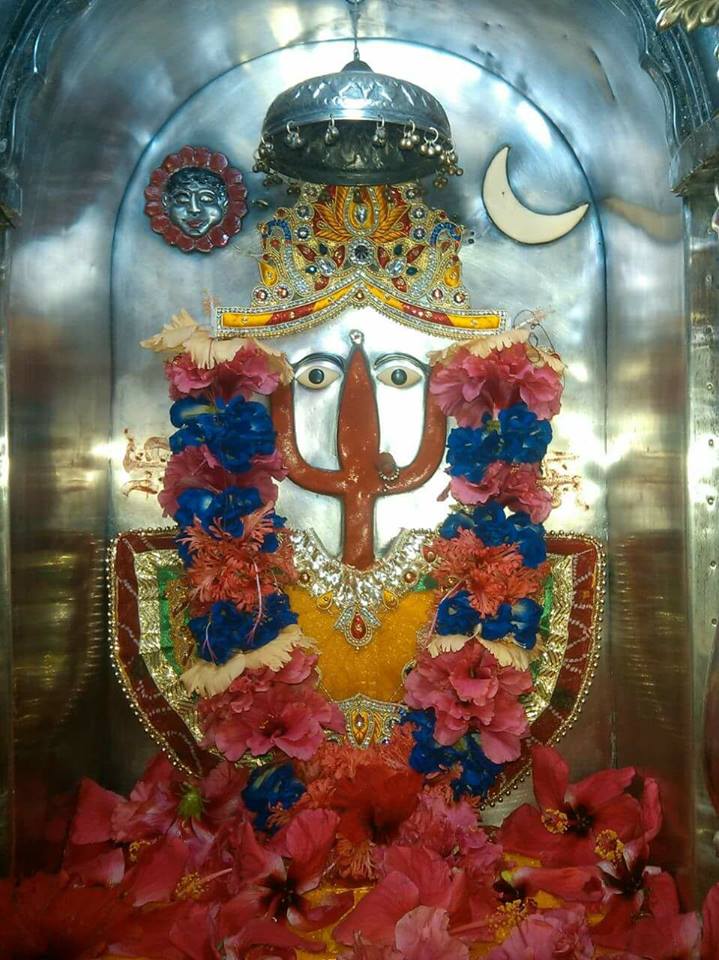
Rani Sati Mandir Mahuda
Rani Sati Mandir in Mahuda, Dhanbad District, is a Hindu temple established in 1992 that serves as a spiritual center for the local community and attracts devotees seeking blessings.