Balkumari temple
About Balkumari temple
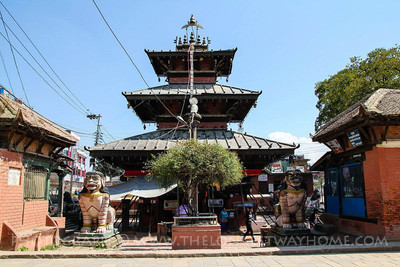
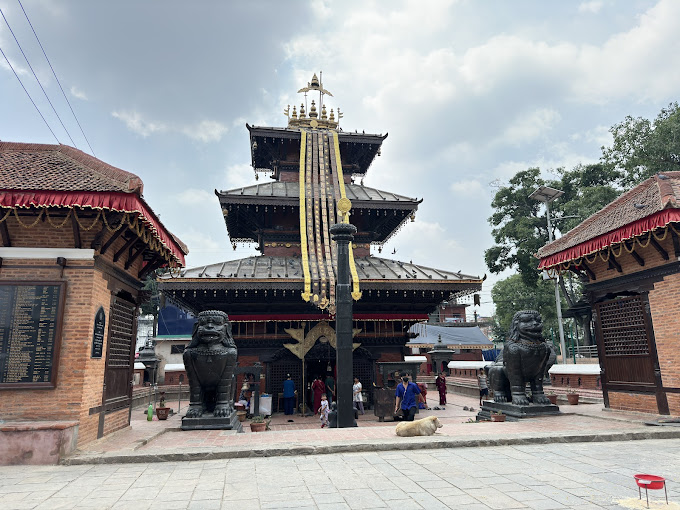
The temple's founding remains uncertain, with scholarly sources placing its construction somewhere between the 7th and 17th centuries. This broad timeframe reflects the difficulty in establishing precise dates for many heritage structures in the Kathmandu Valley, where records are incomplete and architectural styles evolved gradually over centuries. What is clear is that Balkumari Temple represents an enduring tradition of goddess worship in Lalitpur, one of Nepal's three ancient cities.
The temple stands approximately 800 metres east of Patan Durbar Square, positioning it within the broader network of sacred sites that define Lalitpur's religious and cultural identity. Its location in this heritage district makes it accessible to visitors exploring the valley's temples and historical architecture.
Architecture and Sacred Spaces
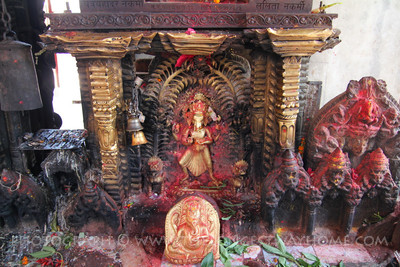
The temple exemplifies Newari architectural traditions, reflecting the distinctive building styles that characterize the Kathmandu Valley's religious structures. Newari temple design typically incorporates specific proportions, decorative elements, and spatial arrangements developed over centuries of local practice.
A pond situated near the temple has historically been part of the sacred landscape, though it has accumulated silt over time and is currently undergoing restoration. Such water features often hold ritual significance in Hindu temple complexes, serving purposes both practical and spiritual.
Visiting the Temple: Practical Information
Specific opening hours and formal ritual schedules for Balkumari Temple are not documented in readily available sources. Visitors planning a visit should contact temple authorities in advance or inquire locally to confirm current darshan timings and any restrictions on access. This advance inquiry is particularly important for those wishing to participate in or observe daily worship cycles.
Early morning and late afternoon are generally the best times to visit, as these periods typically see active rituals and fewer crowds. Combining a visit to Balkumari Temple with exploration of nearby Patan Durbar Square allows visitors to experience multiple aspects of Lalitpur's heritage in a single day trip from Kathmandu.
Dress and Etiquette
Modest dress is customary when visiting Hindu temples. Visitors should approach the shrine with respectful bearing, recognizing the sacred nature of the space and the devotional practices of worshippers present. Temples dedicated to the mother goddesses welcome devotees from various backgrounds, though maintaining appropriate decorum ensures a harmonious environment for all visitors.
Festivals and Observances
While the temple's specific festival calendar is not detailed in available sources, temples honoring the Astamatrikas and goddess forms generally experience heightened devotional activity during Navratri, the nine-night festival celebrating the divine feminine. Navratri typically occurs in September or October and draws increased numbers of worshippers to goddess shrines across the Hindu world.
Local festivals particular to Lalitpur and the broader Kathmandu Valley may also bring special observances to the temple. Visitors interested in experiencing Balkumari Temple during significant celebrations should make direct inquiries with temple officials or local sources regarding specific dates and the nature of festivities observed there.
Location and Access
Balkumari Temple is located in Lalitpur District at coordinates 27.6719°N, 85.3341°E, within the Kathmandu Valley region. The temple is accessible from Kathmandu and other nearby towns, making it reachable as part of a broader exploration of the valley's sacred sites. Its position within Lalitpur's heritage district connects it to the wider network of temples, historical monuments, and cultural landmarks that define this ancient city.
How to reach
Temples near Balkumari temple
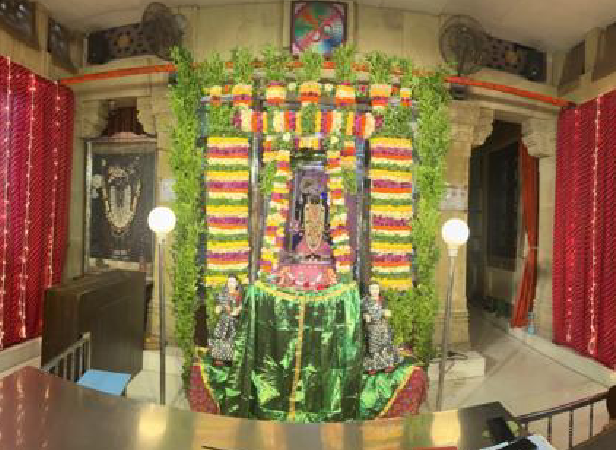
Krishna Mandir
Shree Dwarkadhishji Mandir in Mumbai is a historic Hindu temple dedicated to Lord Krishna, worshipped as Dwarkadhish ('King of Dwarka'), standing for over 150 years as a promine…

Kumbheshwar Temple
Kumbheshwar Temple is one of Patan's oldest Hindu temples, a five-story structure built in the 14th century by King Jayasthiti Malla and dedicated to Shiva, distinguished by its…

Maitidevi Temple
Maitidevi Temple in Kathmandu is a Hindu shrine dedicated to Goddess Durga, with roots tracing to the 7th century under Lichchhavi King Amshu Verma.
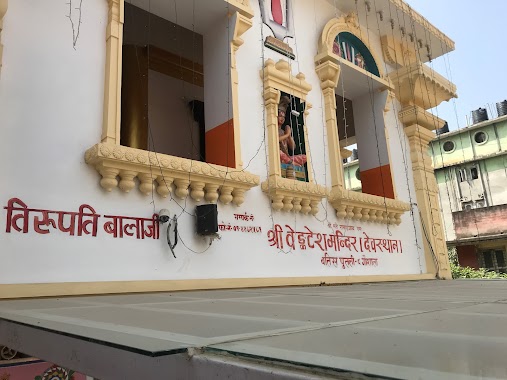
Venkatesh Mandir, Kathmandu
Venkatesh Mandir in Kathmandu is a Hindu temple dedicated to Lord Venkateswara (Tirupati Balaji), modeled after the famous Tirupati temple in India. The temple serves the local…
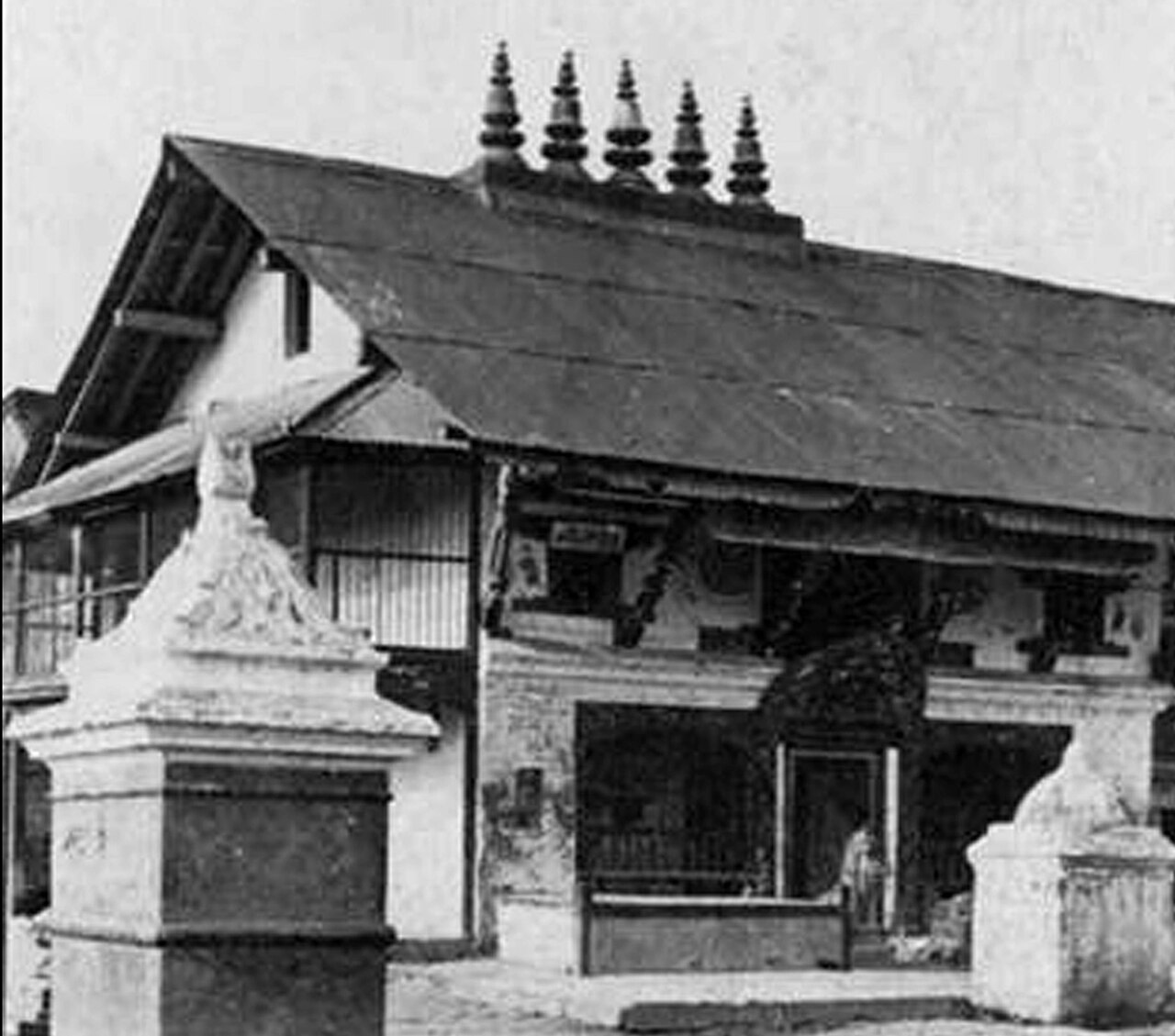
Sankata Temple
The Saṃkaṭā Temple at Te Bahal in Kathmandu is a sacred shrine where Buddhists worship Palah: Dya to ward off misfortune and illness, particularly on Saturdays, while also vener…
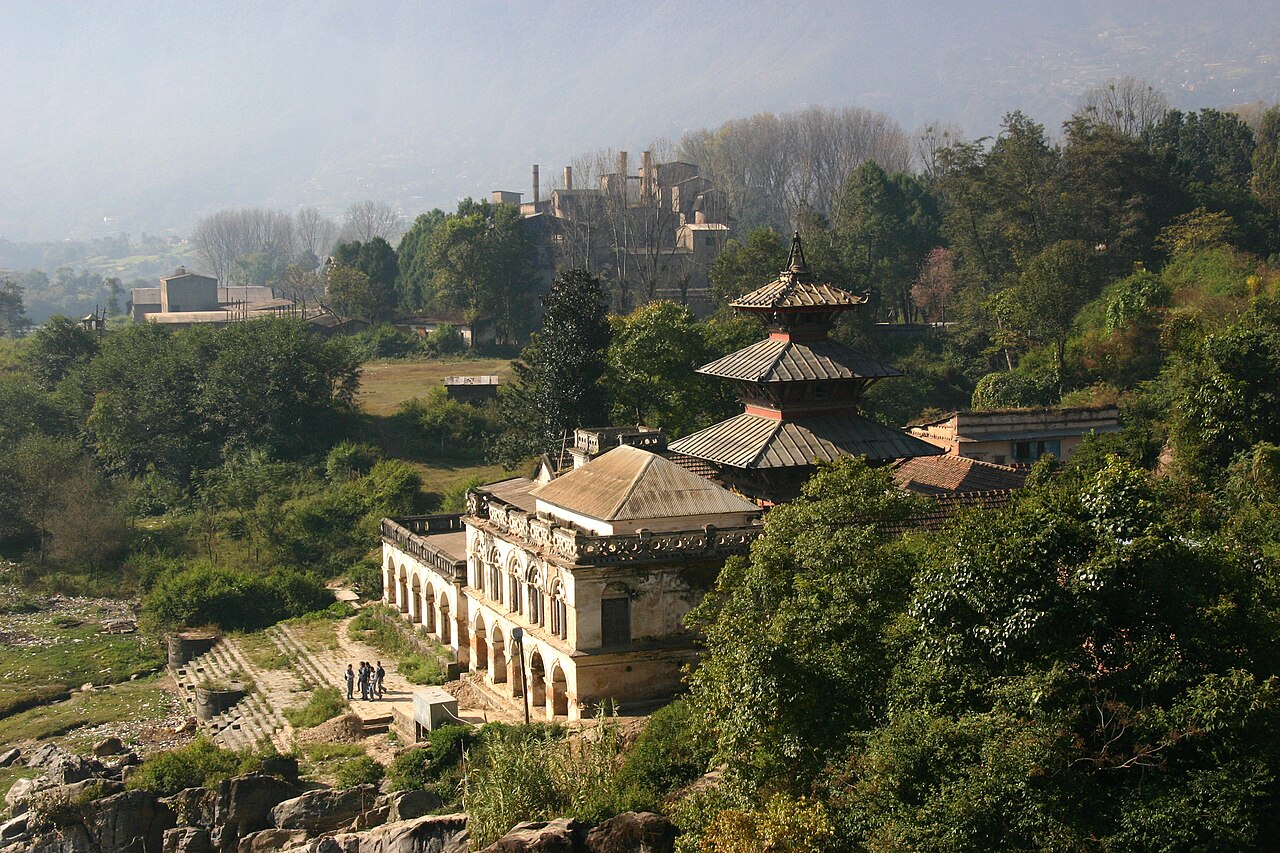
Jal Binayak Temple
Jal Binayak Temple is a sacred Hindu shrine dedicated to Lord Ganesh located in Chobhar, Kathmandu Valley, Nepal. It stands as one of the four principal Ganesh temples of the va…