


Gokarneshwor Mahadev temple
About Gokarneshwor Mahadev temple
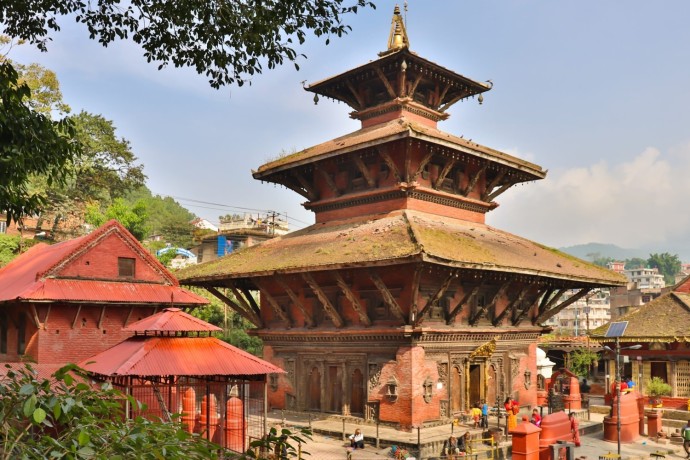
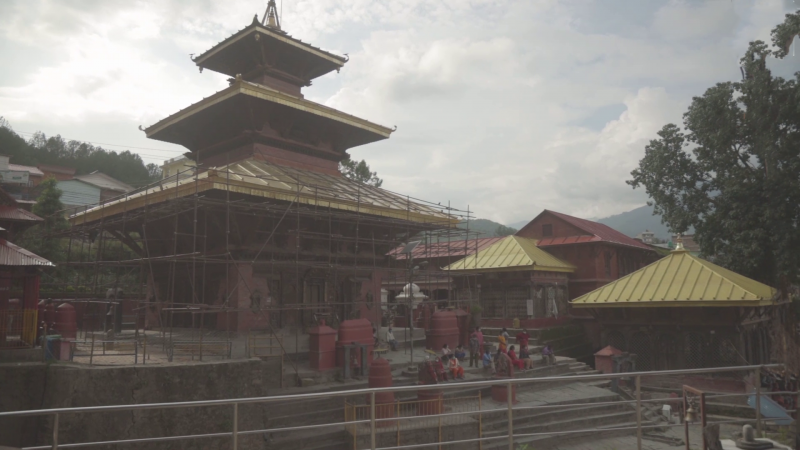
The name "Gokarna"—meaning cow's ear in Sanskrit—lacks definitive historical documentation, yet local tradition preserves several interpretations of its origin. One account, shared by a long-term hermit resident of the temple complex, suggests that when viewed from Shivapuri Hill, the landscape itself resembles a cow's ear, lending the place its distinctive name. A second narrative centers on Rishi Gokarna, a sage born with cow-like ears who became learned in the practice of liberating tormented souls through teachings received from Lord Shiva via Sage Shukadeva. According to this story, Gokarna conducted a seven-day spiritual discourse to free his brother's restless spirit, then established ancestral rituals at a sacred site where the Bagmati River flows northward—a practice that eventually associated his name with the location. The Swayambhu Purana offers an alternative origin, linking the name to Prince Gokarna of the Panchal Kingdom and his redemption. These layered accounts reflect the temple's deep roots in regional spiritual memory.
Sculptures and Patronage
Around 1855 CE, a significant expansion of the temple's artistic collection occurred when Balbhadra Bhanjan Pande commissioned the installation of approximately thirty to thirty-two statues of various deities throughout the Gokarneshwor area. Beyond these individual deity statues, Pande also arranged for the creation of various processional deities (Janati Devas) positioned around the temple courtyard, enriching the visual and spiritual landscape of the complex. This nineteenth-century patronage transformed the site into a repository of devotional imagery, complementing whatever older sculptures already occupied the space.
Visiting Hours, Access, and Practical Information
The temple opens daily from 4:00 AM to 7:00 PM, with early morning hours offering a quieter environment for personal reflection and worship. A nominal student fee of 5 rupees applies; visitors should confirm standard admission rates at the gate upon arrival. The temple's location in the Gokarneshwor area, several kilometers northeast of Bodhnath, places it within the Kathmandu Valley; however, specific transportation options and current road conditions warrant local inquiry before traveling. The temple complex extends beyond the inner sanctum, with outdoor sculptures accessible throughout the grounds, allowing visits to encompass both ritual worship and artistic appreciation.
Worship, Ritual Practice, and Visitor Conduct
Temples dedicated to Shiva typically welcome visitors during darshan hours for personal prayer and circumambulation of the sanctum. The lingam form represents the deity's transcendent nature, and devotees traditionally offer flowers, water, and prayers. The temple functions as a site for puja (ritual worship) and vrata (vows), drawing those seeking blessings or fulfilling spiritual commitments. Visitors should dress modestly, remove shoes before entering the inner sanctum, and observe silence in areas of active worship. Photography policies vary; it is courteous to ask permission before photographing the deity or active rituals.
Festival Observances
The temple experiences heightened activity during three principal festivals: Guru Purnima, Sharad Navaratri, and Makar Sankranti. These occasions draw increased numbers of devotees and pilgrims, making them significant times for worship and community gathering at the site. Visitors planning to attend during these festivals should anticipate larger crowds and plan accordingly.
How to reach
Temples near Gokarneshwor Mahadev temple

Changu Narayan Temple
Changu Narayan is one of Nepal's oldest Hindu temples, built in the 4th century AD and dedicated to Lord Vishnu. Located on a hilltop in Bhaktapur District, it was designated a…
Budhanilkantha Temple
Budhanilkantha Temple is an open-air Hindu shrine in Kathmandu, Nepal, centered on a striking reclining statue of Lord Mahavishnu that represents the deity in cosmic repose betw…
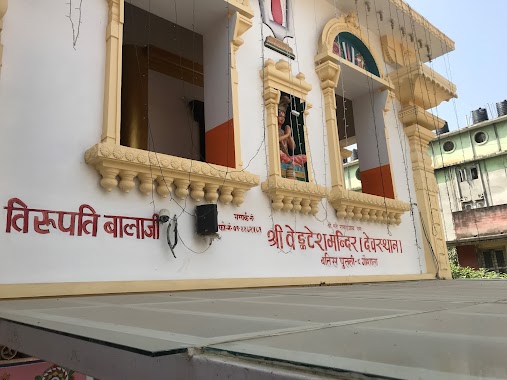
Venkatesh Mandir, Kathmandu
Venkatesh Mandir in Kathmandu is a Hindu temple dedicated to Lord Venkateswara (Tirupati Balaji), modeled after the famous Tirupati temple in India. The temple serves the local…

Maitidevi Temple
Maitidevi Temple in Kathmandu is a Hindu shrine dedicated to Goddess Durga, with roots tracing to the 7th century under Lichchhavi King Amshu Verma.
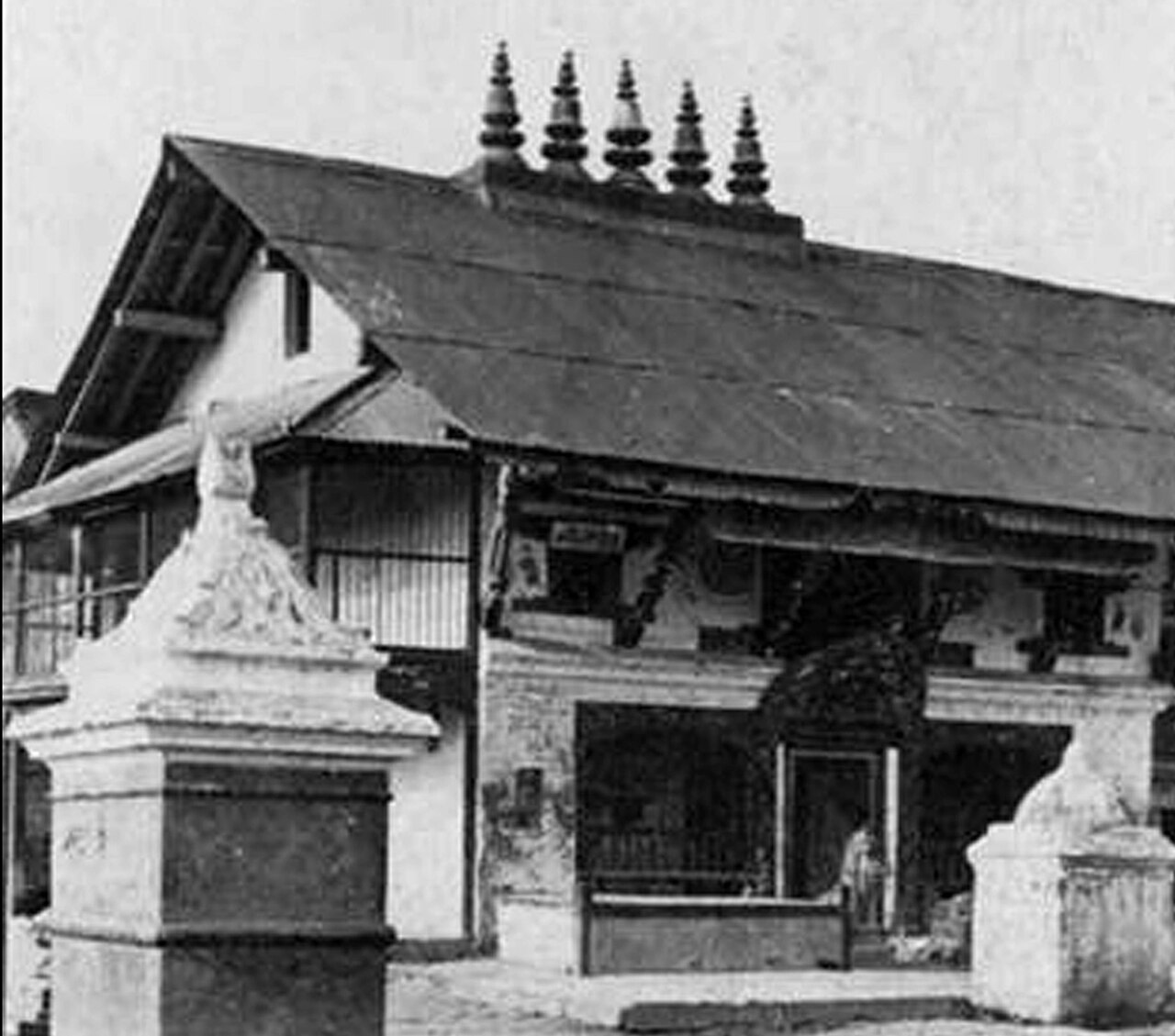
Sankata Temple
The Saṃkaṭā Temple at Te Bahal in Kathmandu is a sacred shrine where Buddhists worship Palah: Dya to ward off misfortune and illness, particularly on Saturdays, while also vener…

Nyatapola Temple
Nyatapola Temple is a five-tiered pagoda in Bhaktapur, Nepal, dedicated to Siddhi Lakshmi. Commissioned by King Bhupatindra Malla and completed in 1702, it stands as Nepal's tal…