

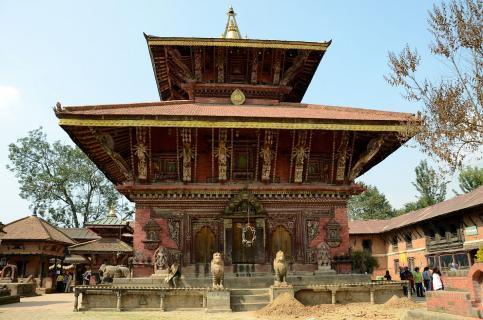
Changu Narayan Temple
About Changu Narayan Temple
The temple's origins trace to the early Licchavi period, with King Haridatta Barma credited as its founder in the 4th century. Within the complex stands a sandstone pillar bearing inscriptions of King Manadeva (464–505 AD)—the oldest known inscription in Nepal—which testifies to the site's historical depth. The temple sustained significant fire damage at some point in its history but was reconstructed in 1702 AD by King Bhupalendra Malla, who preserved both its spiritual function and architectural character. The site exemplifies Newar architectural traditions and remains set on a hilltop location that has shaped its character across centuries.
Daily Worship and Darshan
The temple follows the Newar Vaishnava tradition with a regular schedule of worship. Morning pooja takes place at 07:00, while evening pooja occurs between 17:00 and 18:00. The temple grounds open at 04:00 and close at 19:00, though these timings may shift during major festivals or significant dates on the ritual calendar. Attending the morning or evening aartis offers visitors the opportunity to witness active worship; these occasions call for quiet observation rather than photography, as the ritual activities deserve respectful attention from those present. The courtyard and its sculptures, including the Manadeva pillar, are generally accessible to visitors outside active worship periods.
Festivals and Sacred Observances
The temple observes major Vaishnava festivals according to the Hindu lunar calendar. Haribodhini Ekadashi, which commemorates Vishnu's awakening from cosmic sleep, holds particular significance at this shrine. The Changu Narayan Jatra, a festival specific to this temple, draws devotees and occasions adjustments to the regular worship schedule. Because these observances follow the lunar calendar, their dates vary annually; local inquiry is necessary for precise timing in any given year. Visitors should confirm current darshan and aarti timings before traveling, as schedules may vary on festival days.
Visiting Practicalities and Etiquette
The temple's hilltop location requires visitors to prepare for a climb. Modest dress is essential: women should cover shoulders and knees, and men should avoid sleeveless shirts. Leather items are typically not worn inside Hindu temples. Shoes must be removed before entering the inner shrine areas. Photography policies vary; it is respectful to ask permission before photographing the deity or ritual activities. Facilities at the site are minimal, so visitors should bring water and sun protection, particularly during warmer months. The elevated location means weather can change rapidly even during the recommended visiting seasons, so preparation for variable conditions is wise.
Best Times to Visit
The most pleasant seasons for visiting are March through May (spring) and September through November (autumn), when weather is clear and temperatures moderate. The monsoon season from June through August brings heavy rainfall to the region and should be avoided if possible. These seasonal considerations are particularly relevant given the temple's elevated location on Champak Hill.
How to Reach
Changu Narayan Temple is located in Changunarayan Municipality, Bhaktapur District, at coordinates 27.7164°N, 85.4278°E. The temple office can be reached at +977-14256909. Visitors should confirm current darshan and aarti timings before traveling, as schedules may vary on festival days.
How to reach
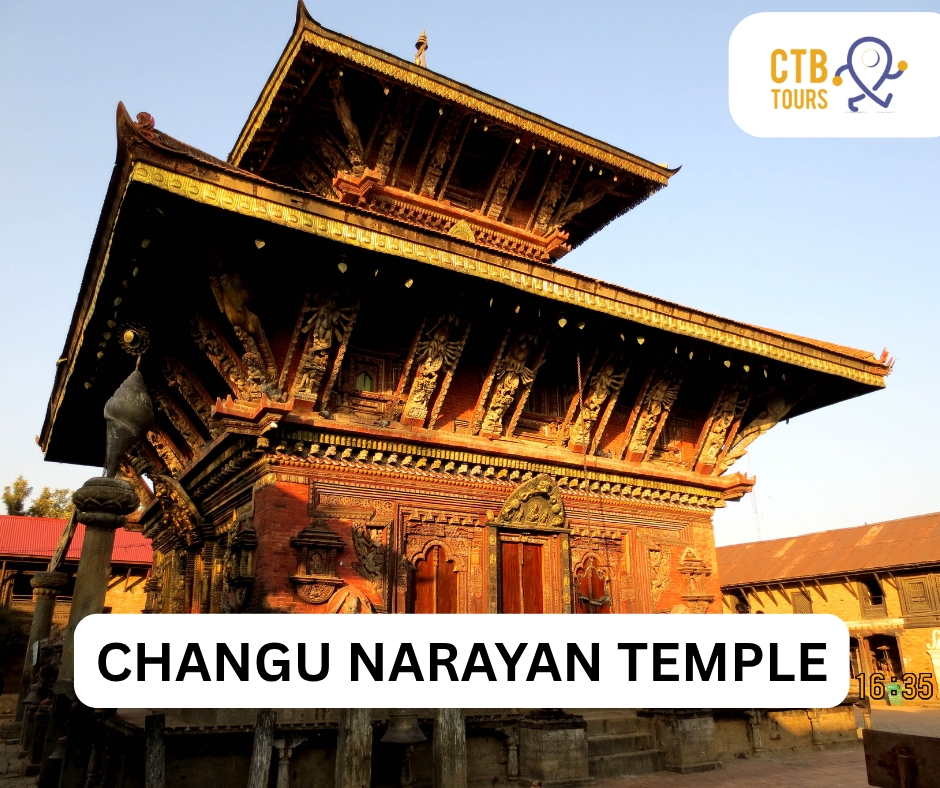
Temples near Changu Narayan Temple

Gokarneshwor Mahadev temple
Gokarneshwor Mahadev Temple, situated northeast of Bodhnath in Kathmandu Valley, houses an important lingam of Shiva and is renowned for its exceptional collection of ancient sc…

Nyatapola Temple
Nyatapola Temple is a five-tiered pagoda in Bhaktapur, Nepal, dedicated to Siddhi Lakshmi. Commissioned by King Bhupatindra Malla and completed in 1702, it stands as Nepal's tal…
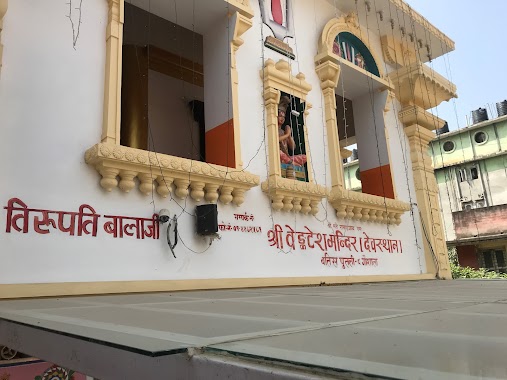
Venkatesh Mandir, Kathmandu
Venkatesh Mandir in Kathmandu is a Hindu temple dedicated to Lord Venkateswara (Tirupati Balaji), modeled after the famous Tirupati temple in India. The temple serves the local…

Doleshwor Mahadeva Temple
Doleshwor Mahadeva Temple in Bhaktapur, Nepal is a shrine dedicated to Lord Shiva, traditionally believed to house the missing head of Kedarnath from Mahabharata mythology.

Maitidevi Temple
Maitidevi Temple in Kathmandu is a Hindu shrine dedicated to Goddess Durga, with roots tracing to the 7th century under Lichchhavi King Amshu Verma.
Budhanilkantha Temple
Budhanilkantha Temple is an open-air Hindu shrine in Kathmandu, Nepal, centered on a striking reclining statue of Lord Mahavishnu that represents the deity in cosmic repose betw…