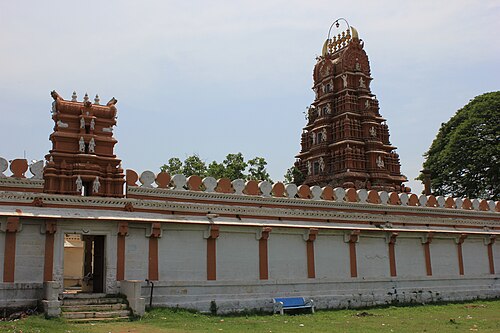


Arakeshwara Temple, Haleyedatore
About Arakeshwara Temple, Haleyedatore
The temple displays Dravidian architectural characteristics typical of South Indian Hindu temples. Its design reflects the conventions established during the Chola period, though the present structures date to the 19th century reconstruction. The temple complex includes a sanctum and gopuram (tower), elements central to Dravidian temple design.
The village of Hale Yedatore itself carries historical weight. In the 1920s, severe flooding from the Kaveri River caused significant damage to the settlement, prompting the Mysore ruler to establish the new town of Krishnarajanagar on elevated land to the south. The temple's survival and continued function through this period reflects its importance to the local community.
Daily Worship and Darshan
The temple operates as an active place of worship throughout the day, welcoming devotees for darshan—the viewing and worship of the deity. There are no restrictions on visiting hours; the temple remains open continuously, allowing flexibility for pilgrims with varying schedules. The primary formal ritual is the Sandhya Aarti, performed each evening at 19:00. This lamp-waving ceremony marks a significant moment in the temple's daily cycle and draws worshippers for evening prayers.
Daily ritual practices maintain the sacred atmosphere and reflect the temple's role as a living center of devotion rather than a historical monument. The presence of pilgrims throughout the day demonstrates its continued importance to both local devotees and visiting worshippers.
Festivals and Celebrations
The temple observes several festivals throughout the Hindu lunar calendar. Sharad Navaratri (typically in September-October) and Dussehra (Vijayadashami, usually in October) draw larger numbers of devotees, with the sanctuary receiving special decoration. Vasant Panchami, celebrated in January, marks the onset of spring and includes Saraswati puja. The temple also celebrates Guru Purnima, honoring spiritual teachers; Dhanteras, which marks the beginning of Diwali and is associated with Dhanvantari, the deity of medicine and wellness; and Raksha Bandhan, celebrating the bond between siblings.
On festival days, aarti timings may vary from the standard 19:00 schedule. Visitors planning to attend festivals should confirm current timings with the temple before traveling.
Visiting Information and Etiquette
Visitors should dress modestly when entering the temple, following the customary practice in Hindu places of worship. Footwear must be removed before entering the sanctum and inner areas. The temple welcomes daily visitors without restriction, though those planning visits on festival days should confirm arrangements in advance.
The presence of river steps and bathing areas means the temple grounds may be wet during or after monsoon periods; visitors should take appropriate care when moving about the site. The temple functions as a working place of worship, and visitors should maintain respectful behavior throughout their visit.
Getting There
The temple is located at coordinates 12.46°N, 76.39°E in Hale Yedatore village, within Krishnaraja Nagara taluk in Mysore district, Karnataka. The site lies approximately four kilometers north of Krishnarajanagar town and roughly 44 kilometers northwest of Mysore city. Krishnarajanagar serves as the nearest significant town and a useful reference point for navigation.
From Mysore city, the temple is accessible via road heading northwest toward Krishnarajanagar. Local transportation options from these towns can facilitate the final journey to Hale Yedatore village. GPS coordinates can be used with mapping applications for precise navigation to the temple.
How to reach


Temples near Arakeshwara Temple, Haleyedatore

Venugopala Swamy Temple
The Venugopala Swamy Temple at Hosa Kannambadi showcases 12th-century Hoysala architecture dedicated to Lord Krishna in his form as the divine flute player. Originally submerged…
Brahmeshvara Temple, Kikkeri
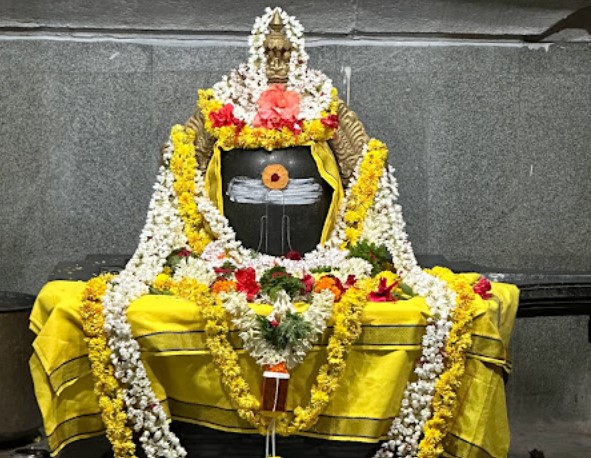
A 12th-century Hoysala-style temple dedicated to Shiva in Kikkeri village, Mandya district, Karnataka. Completed in 1171 AD, it integrates Shaivism, Vaishnavism, and Shaktism tr…

Nimishambha
Shri Nimishambha Devi Temple in Srirangapatna, Karnataka, is a riverside Shakti shrine dedicated to Goddess Nimishamba (an aspect of Parvati), revered among devotees for grantin…
Chennakesava temple, Channarayapatna
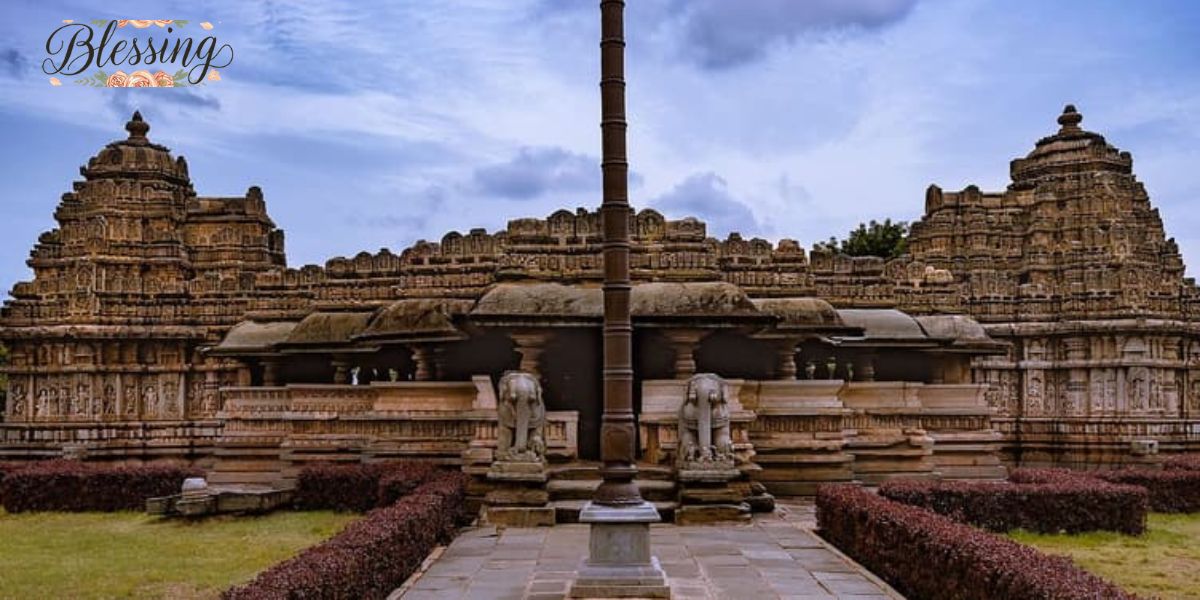
Chennakeshava Temple in Belur is a UNESCO World Heritage Site commissioned by King Vishnuvardhana in 1117 CE, showcasing masterful Hoysala architecture completed over 103 years.…

Chennakesava temple, Anekere
Chennakeshava Temple in Belur, Hassan District, Karnataka, is a masterpiece of Hoysala architecture commissioned by King Vishnuvardhana in 1117 CE, renowned for its intricate sc…
Lakshmikanta Temple, Kalale
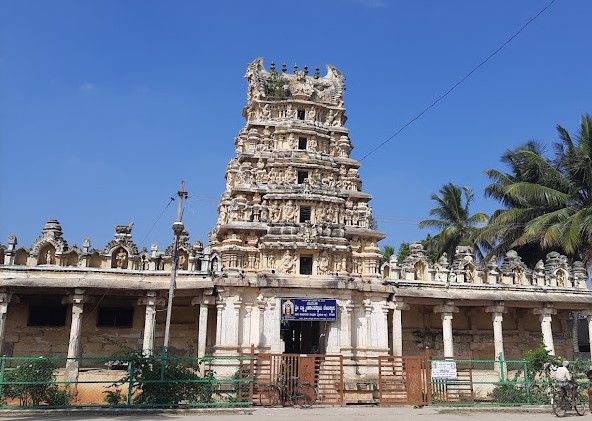
The Lakshmikanta Temple in Kalale is a Vaishnava shrine dating to the early 18th century, built in classical Dravidian architectural style and protected as a heritage monument b…