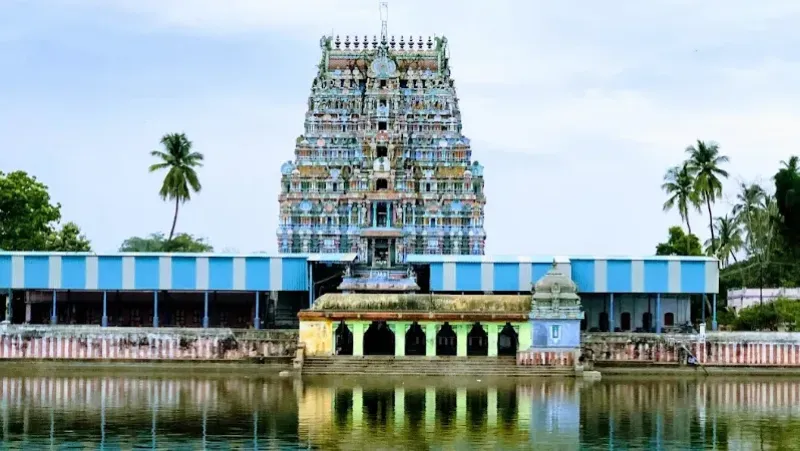
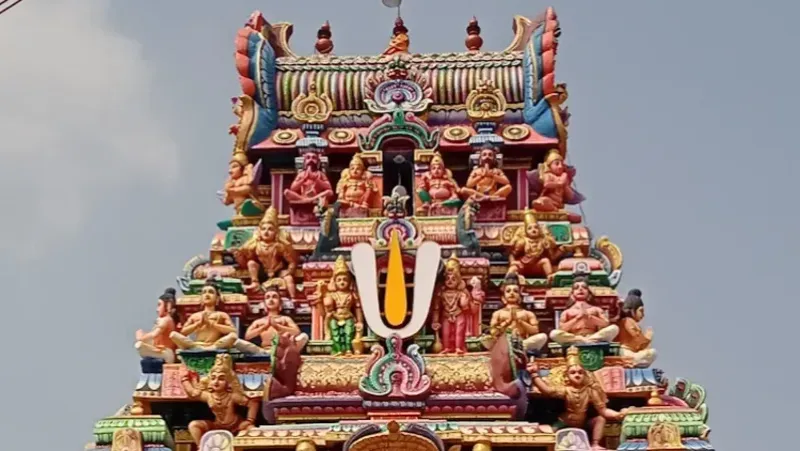
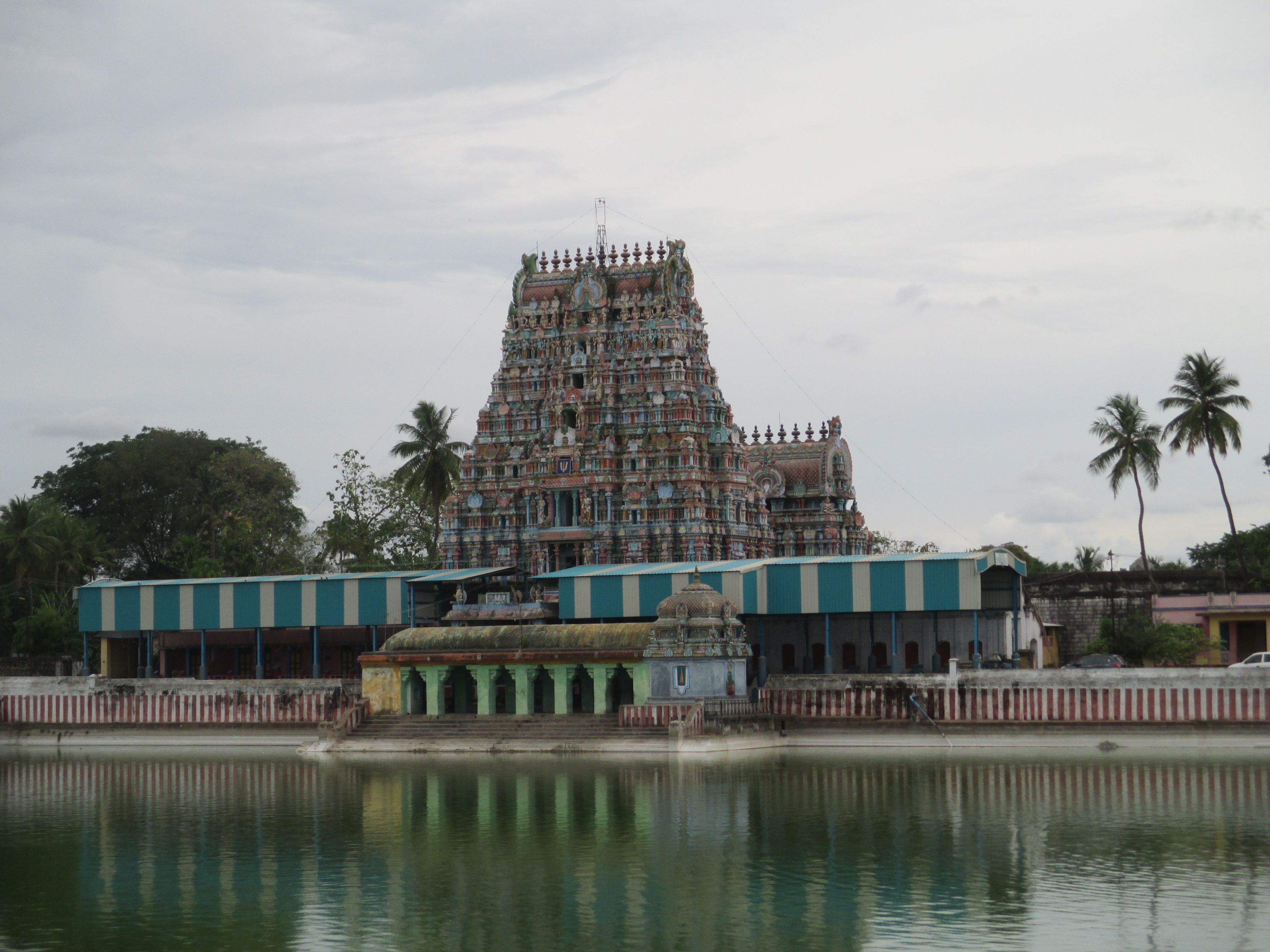
Neelamegha Perumal Temple
About Neelamegha Perumal Temple
According to Hindu tradition preserved in the temple's lore, the demon Tanjakasura once ravaged the Thanjavur plain, causing widespread suffering. The devas appealed to Vishnu for intervention. Rather than sending a single avatar, Vishnu manifested simultaneously in three forms at this location—one to confront the asura from the front, another from the side, and a third to deliver the final blow. The principal shrine, housing Neelamegha Perumal at Thirutanjai, marks the spot where this decisive form stood. After Tanjakasura's defeat, the three manifestations remained at their respective locations instead of merging back into one. According to the narrative, the dying asura himself requested that the city be named after him, a wish Vishnu granted. Thus Thanjavur—meaning "the city of Tanja"—took its name from the very demon whose destruction led to the temple's establishment.
The name Neelamegha, meaning "the dark cloud," carries symbolic weight in Vaishnavite theology, evoking both the protective presence of the deity and the monsoon rains essential to the region's agriculture.
Chola-Era Architecture and Design
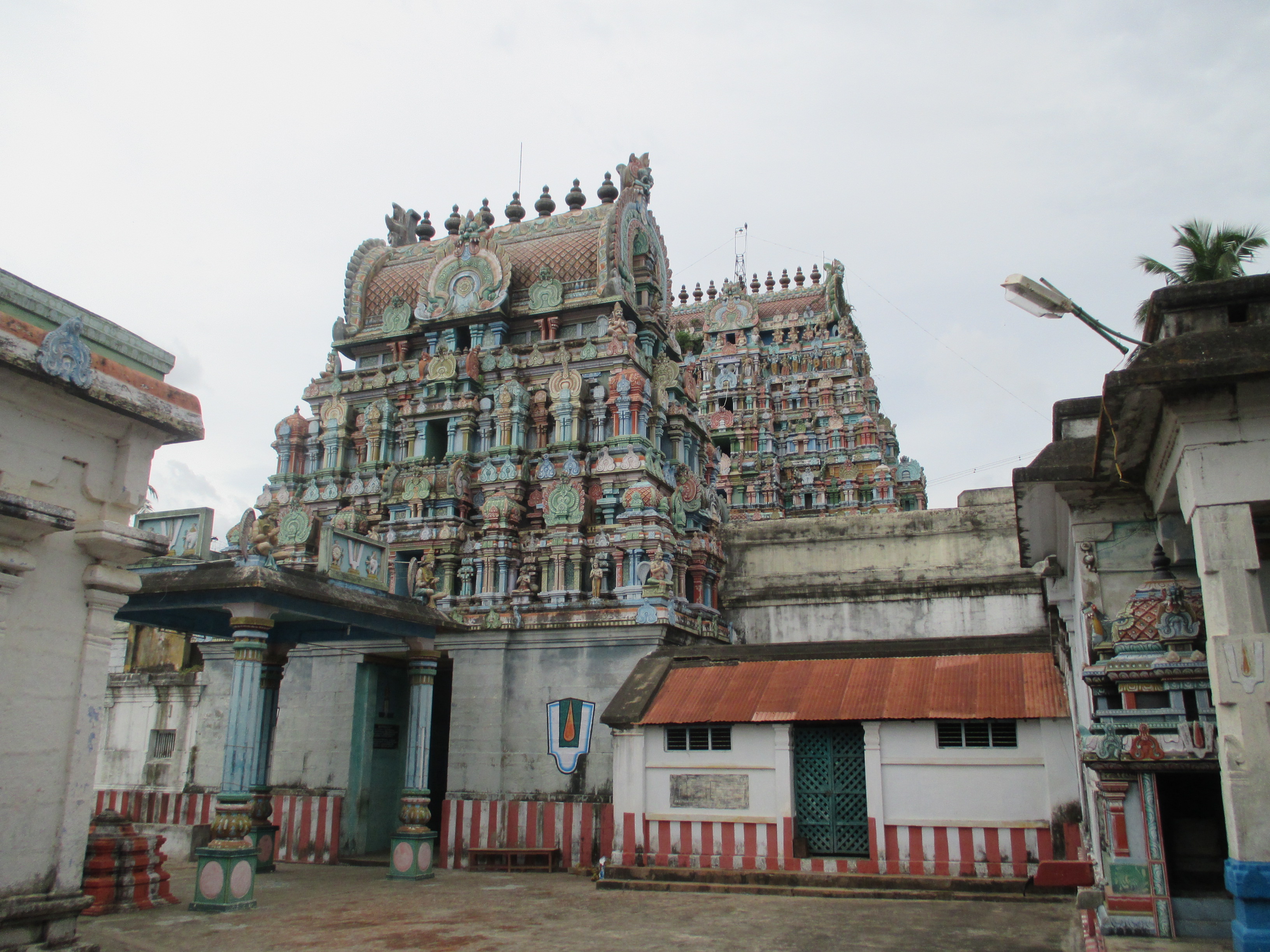
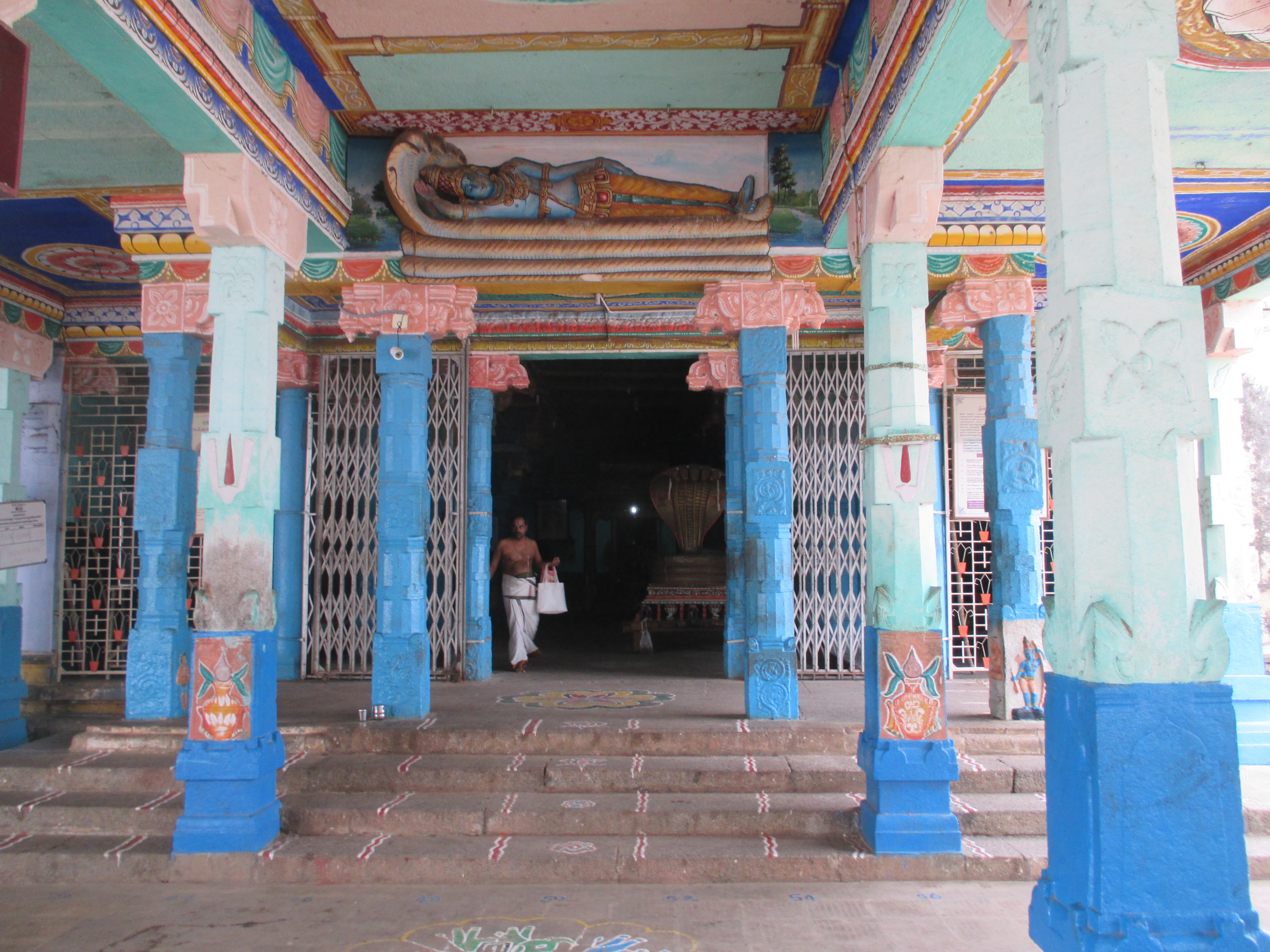
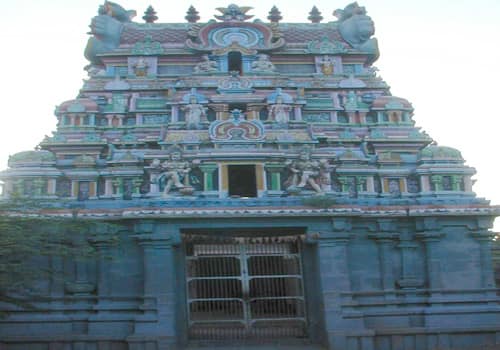
The temple was established during the Chola period, an era when Tamil Nadu witnessed extraordinary temple construction and patronage. Built in the Dravidian architectural style, the structure reflects the sophisticated craftsmanship characteristic of Chola temples. The three shrines share an outer wall and entrance gopuram, creating a unified architectural complex despite their separate sanctums and ritual spaces. Each shrine contains its own garbha-griha (inner sanctum) where the deity resides.
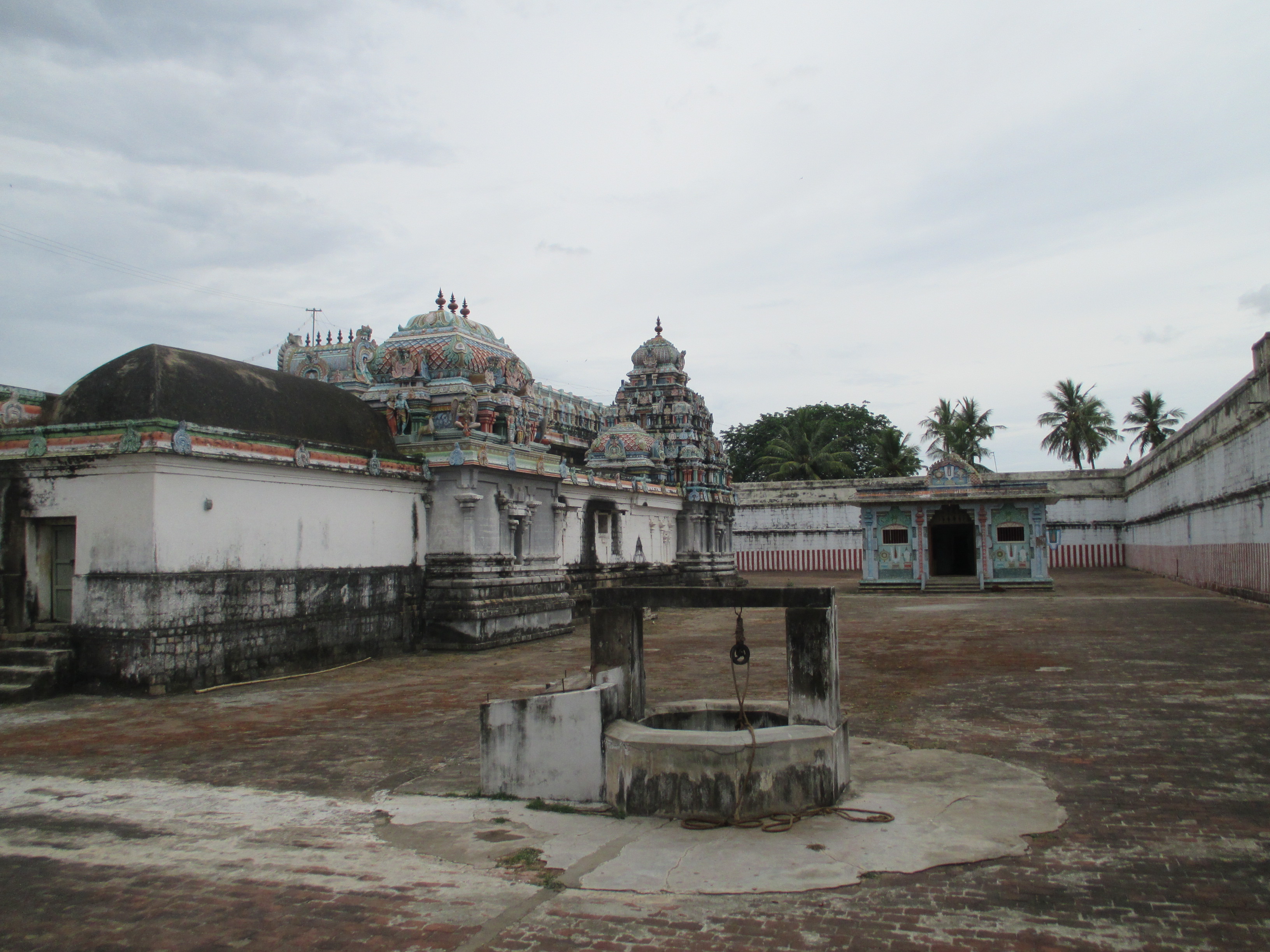
The temple's layout and sculptural elements provide windows into its historical past. Intricate carvings depicting scenes from the Ramayana and Mahabharata adorn the walls, while inscriptions offer insights into the temple's development across centuries. The sacred temple tank, known as Kshetra Pushkarini, serves both ritual and practical purposes within the compound.
Daily Worship and Rituals
The temple maintains a structured daily schedule of worship following Vaishnavite traditions. Darshan is available from 6:00 AM to 12:00 PM in the morning and from 4:00 PM to 8:30 PM in the evening. The day begins with Suprabhatham at 6:00 AM, an early morning ritual to awaken the deity. Madhyana Pooja occurs at noon, while Sandhya Aarati takes place at 6:30 PM. The final ritual of the day, Ardha Jamam, is performed at 8:00 PM. These ceremonies follow the rhythms of traditional Vaishnavite worship, with the deity receiving ritual adornment and offerings throughout the day.
Visitors seeking darshan should plan their visit around these timings. The morning hours tend to be quieter than late afternoon, though both periods offer opportunities for worship. Temples of this tradition typically expect visitors to dress modestly and remove footwear before entering the sanctum areas.
Festivals and Celebrations
The temple observes major festivals significant to Vaishnavite practice. Brahmotsavam, a grand ten-day festival, celebrates the deity with processions and special rituals. Vaikunta Ekadasi marks the opening of the Paramapada Vasal (the heavenly gates), observed with particular solemnity. Panguni Uthiram brings special celebrations honoring the divine consort. The temple also commemorates Thirumangai Alvar Utsavam, honoring the saint-poet whose hymns elevated this site to prominence in the Divya Desam tradition.
Visiting Information
The temple is located at Thiruthanjai Mamanikoil in Thanjavur, Tamil Nadu, at coordinates 10.86861111, 79.70166667. Visitors should arrive during the posted darshan hours and allow time to visit all three shrines within the compound. As with most Hindu temples, removing footwear before entering sanctum areas is customary. The temple's central location within Thanjavur makes it accessible to those exploring the city's other historical and religious sites.
How to reach
Temples near Neelamegha Perumal Temple
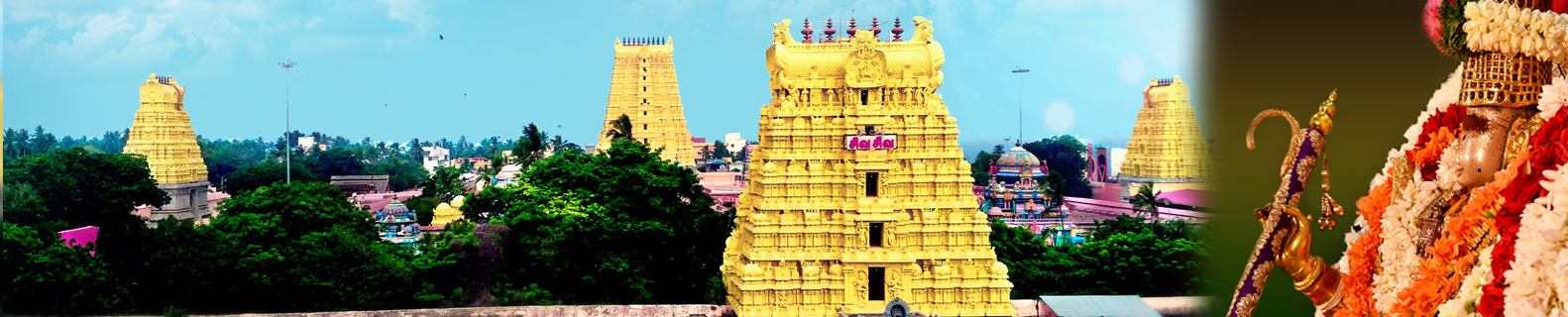
Ramanathaswami Temple, Tiruvarur
Ramanathaswami Temple in Rameswaram is a revered Shiva shrine situated on a conch-shaped island in Ramanathapuram District, Tamil Nadu, spanning 15 acres and associated with the…
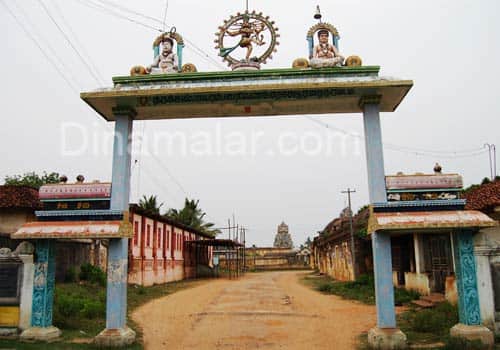
Agnipureeswarar Temple, Thirupugalur
Agnipureeswarar Temple in Thirupugalur is a tenth-century Chola-era shrine dedicated to Lord Shiva, revered as one of the sacred temples on the southern bank of the Cauvery Rive…
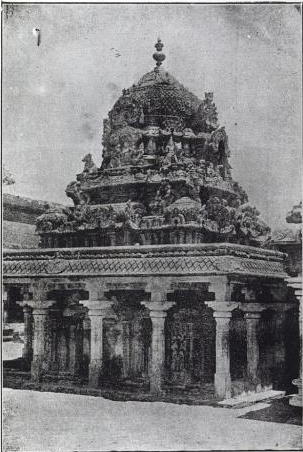
Uthrapathiswaraswamy Temple
Uthrapathiswaraswamy Temple in Tiruchenkattankudi is a Shiva temple renowned for its distinctive Ganesha shrines, including a rare depiction of Ganesha with a human head rather…
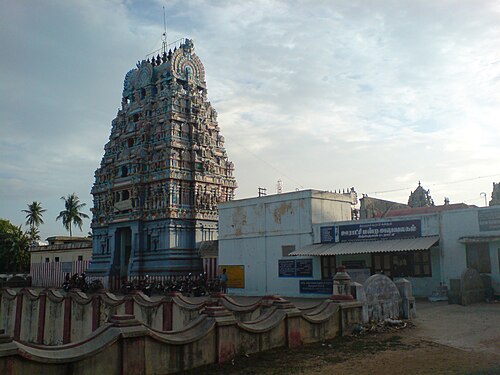
Rathnagiriswarar Temple,Thirumarugal
Rathnagiriswarar Temple in Thirumarugal is a Shiva shrine located in Nagapattinam district, Tamil Nadu, following the ritual traditions of Tamil Shaivite temples with daily wors…
Ambal Brahmapureeswarar Temple
Ambal Brahmapureeswarar Temple is an ancient Shiva shrine in Tiruvarur district, Tamil Nadu, revered as one of the 275 Paadal Petra Sthalams glorified in the Tevaram hymns of th…
Tiruvirkudi Veerataneswarar Temple
Tiruvirkudi Veerataneswarar Temple is one of the eight sacred Ashta Veeratta Sthalams dedicated to Lord Shiva's heroic deeds, specifically commemorating His destruction of the d…