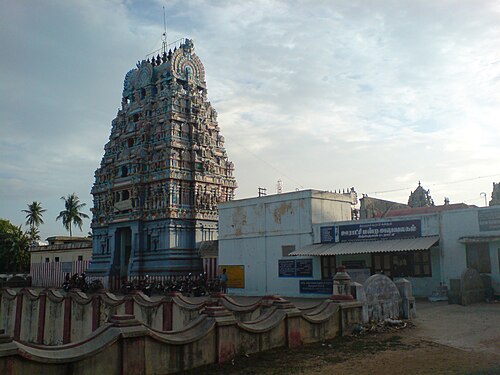
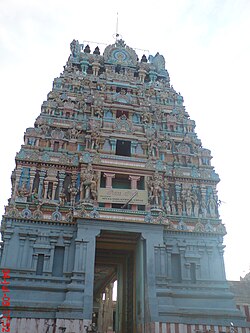
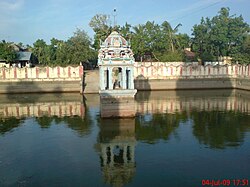
Rathnagiriswarar Temple,Thirumarugal
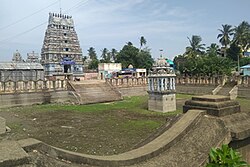
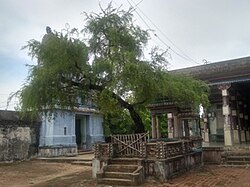
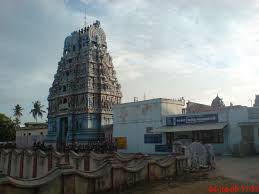
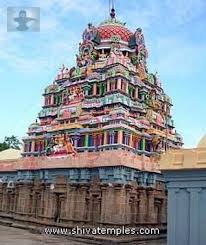
About Rathnagiriswarar Temple,Thirumarugal
As a Shiva temple in Tamil Nadu, Rathnagiriswarar likely maintains the ritual schedule typical of shrines in this tradition, with worship conducted at dawn and dusk, and additional observances during midday and evening hours. However, the specific timings for darshan and the precise schedule of daily rituals are not documented in available sources. Before travelling, visitors must contact the temple directly to confirm current opening hours and the times when darshan—the viewing of the deity—is available.
Devotees visit to offer prayers and receive darshan according to the practices of Tamil Shaivism. The temple authorities can provide information about any restrictions on photography, the availability of ritual bathing facilities, and whether prasadam (blessed offerings) is distributed to worshippers.
Visiting Etiquette and Practical Considerations
Visitors to Hindu temples in Tamil Nadu should dress modestly and remove footwear before entering the inner sanctum. It is customary to move clockwise around the sanctum and to accept prasadam with the right hand if offered. Many temples request that photography be avoided in certain areas, particularly near the main shrine; visitors should ask permission before taking photographs.
The rural location means that on-site facilities cannot be assumed. Visitors are advised to bring water and to arrive during daylight hours. Nearby towns such as Nannilam or Nagapatnam would be better sources for food and accommodation. Comfortable walking shoes are recommended for the approach to the temple. Advance contact with the shrine will clarify what facilities—such as ablution areas or rest spaces—are available on-site.
Festivals and Special Observances
The temple observes festivals according to the Tamil Shaivite calendar, though detailed information about specific festival dates and celebrations is limited in available sources. Chhath Puja is noted as one observance, and the temple is typically decorated elaborately during festival periods, which are times when the shrine is busiest. Visitors planning to attend a festival should contact the temple in advance, as darshan timings and access may be affected by special observances and increased numbers of worshippers.
How to Reach Thirumarugal
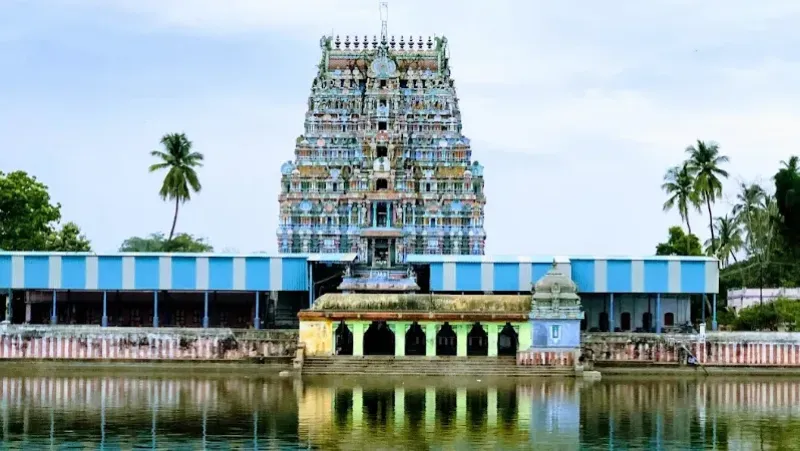
Rathnagiriswarar Temple is located at coordinates 10.8689°N, 79.7467°E in Thirumarugal village. The temple lies 10 kilometres east of Nannilam and near Nagapatnam in Nagapattinam district. Visitors can use these coordinates with mapping applications to plan their route. The rural setting requires that visitors arrange their own transport; public transport options should be confirmed locally before travelling. The journey is best undertaken during daylight hours.
Before You Visit
Contact the temple directly before travelling to confirm darshan timings, any festivals or special observances that may affect access, and the availability of facilities. The rural location and limited documented information about on-site amenities make advance planning essential for a rewarding visit. Allow time for unhurried worship once you arrive, and treat the journey as an opportunity for quiet devotion rather than as a visit to a major pilgrimage destination with extensive visitor infrastructure.
How to reach
Temples near Rathnagiriswarar Temple,Thirumarugal
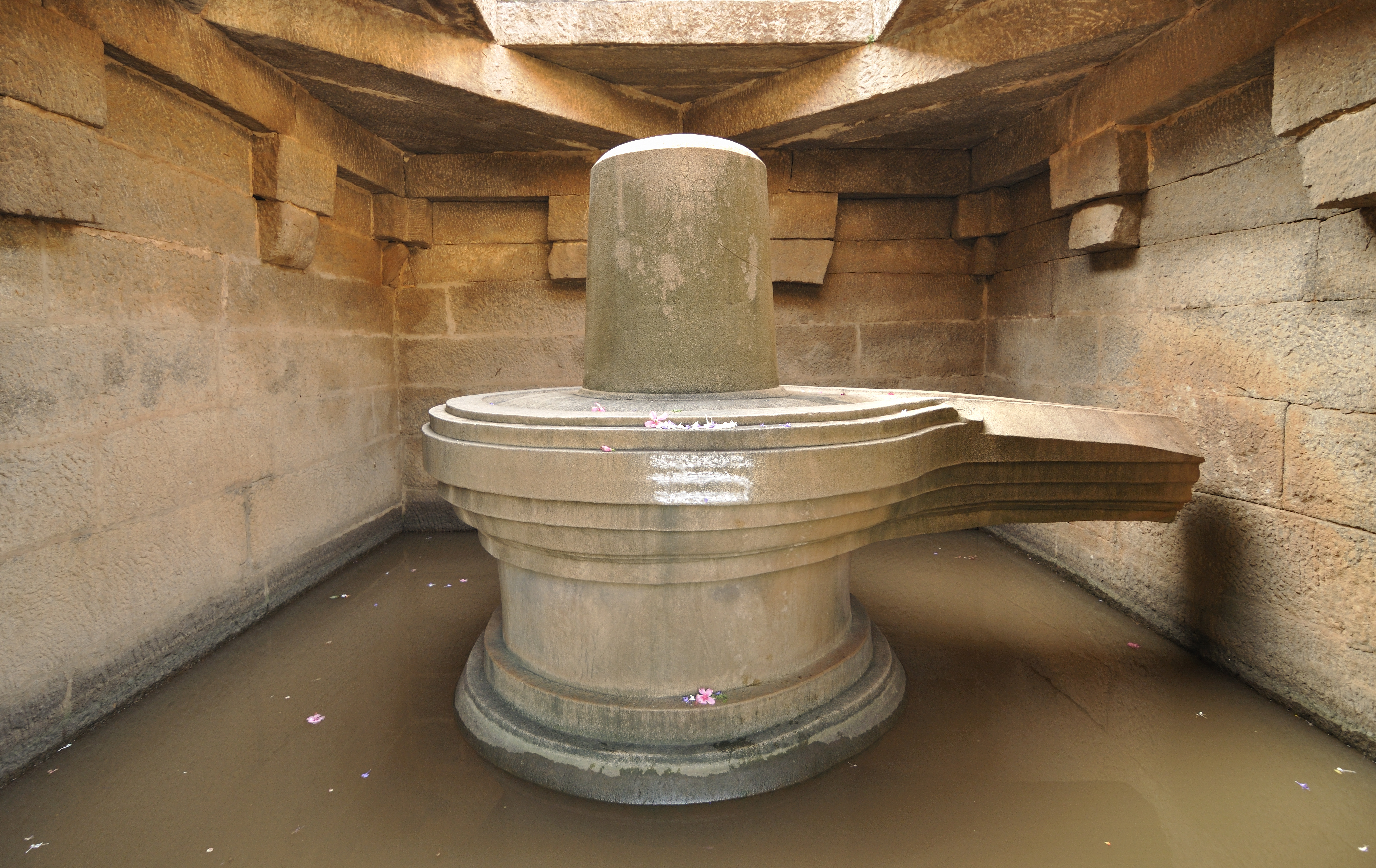
Seeyathamangai Ayavandeeswarar Temple
Seeyathamangai Ayavandeeswarar Temple is an ancient Shiva shrine in Nagapattinam district, Tamil Nadu, dedicated to Lord Shiva as Ayavantheeswarar with his consort Malarkkannamm…

Seeyathamangai Vanmeekanathaswamy Temple
Arulmigu Vanmeeganathaswamy Temple in Seeyathamangai is a historically significant Shaiva shrine dedicated to Vanmeeganatha Swamy, dating to the 18th–19th century and recognized…
Uthrapathiswaraswamy Temple
Uthrapathiswaraswamy Temple in Tiruchenkattankudi is a Shiva temple renowned for its distinctive Ganesha shrines, including a rare depiction of Ganesha with a human head rather…
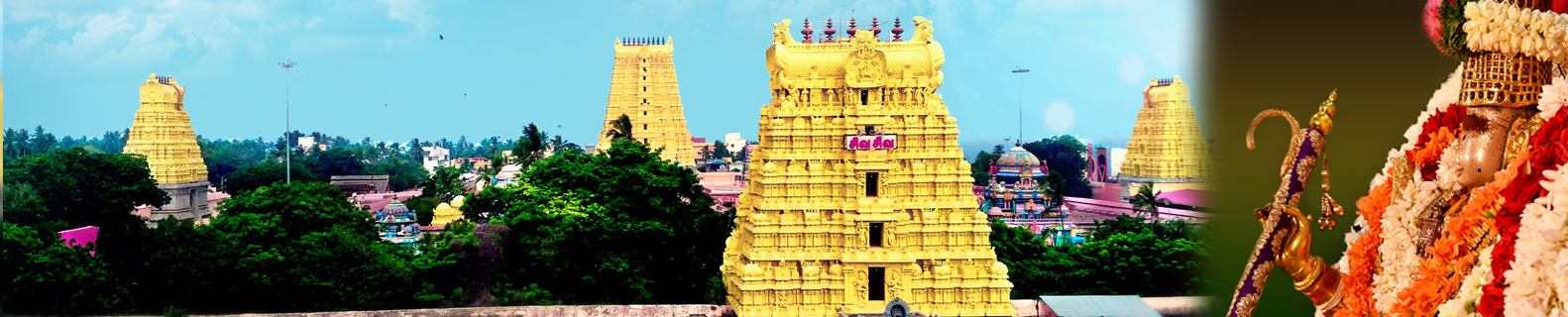
Ramanathaswami Temple, Tiruvarur
Ramanathaswami Temple in Rameswaram is a revered Shiva shrine situated on a conch-shaped island in Ramanathapuram District, Tamil Nadu, spanning 15 acres and associated with the…
Neelamegha Perumal Temple
Neelamegha Perumal Temple in Thanjavur is a unique Divya Desam comprising three interconnected shrines dedicated to Vishnu in his dark-cloud form, glorified by multiple Alvar sa…

Agnipureeswarar Temple, Thirupugalur
Agnipureeswarar Temple in Thirupugalur is a tenth-century Chola-era shrine dedicated to Lord Shiva, revered as one of the sacred temples on the southern bank of the Cauvery Rive…