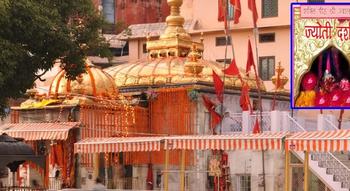
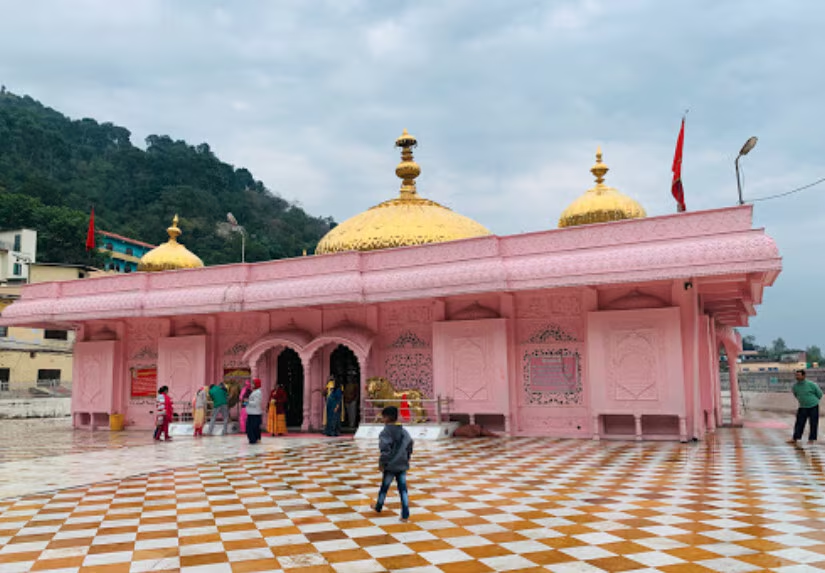
Jwalamukhi temple, Himachal Pradesh
About Jwalamukhi temple, Himachal Pradesh
The temple maintains structured timings to accommodate both pilgrims and the daily rituals that sustain worship. The shrine opens at 5:00 AM and closes at 10:00 PM, with darshan—the viewing of the sacred flames—available during two main windows: morning from 5:00 AM to 12:00 PM and evening from 4:00 PM to 10:00 PM. The temple closes during midday hours for rituals and maintenance.
Four aartis (ritual worship ceremonies) punctuate the day. The Praat Aarti begins at 5:00 AM with the morning worship of the flames. The Madhyanha Aarti follows at 12:00 PM at midday. The Sandhya Aarti at 7:00 PM is noted as particularly spectacular, as the evening lamps are lit alongside the natural flames. The final Shayan Aarti occurs at 9:30 PM. All aartis are free to observe. General darshan requires no ticket and involves no waiting fees, though visitors may experience wait times of 15 to 60 minutes depending on the season and day of the week.
Those wishing to participate in additional rituals can arrange the Jwala Archana (worship offering) throughout the day at costs ranging from ₹51 to ₹501, or request a Special Havan (fire ritual) in the morning for ₹500 to ₹3,000, depending on the scale of the ceremony.
Festivals and Pilgrimage Seasons
The temple observes major festivals that draw significantly increased numbers of visitors. Navaratri, falling in September or October, is the largest celebration at Jwalamukhi, spanning nine days with extended darshan and special observances. Dussehra, also in this period, marks another major occasion. Diwali, celebrated in October or November, holds particular significance at this fire temple, as the Festival of Lights resonates deeply with a sanctuary centered on eternal flames.
The best times for a visit are during these festival seasons—particularly September through November—when the spiritual atmosphere intensifies and the temple's significance as a Shakti Pitha is most visibly honored. However, visitors should be aware that festival periods bring substantial crowds and may see temporary changes to standard timings and darshan procedures.
Visiting Information and Practicalities
The temple is located at Jwalamukhi, Kangra District, Himachal Pradesh 176031, with coordinates 31.87555555555555, 76.32444444444444. General darshan of the eternal flames is free and accessible to all visitors at any time during operating hours. No advance booking is required for standard viewing.
Visitors should plan their visit around the darshan windows and aarti timings to make the most of their experience. The morning darshan period tends to be busier before mid-morning. Those seeking a more contemplative experience may find the evening hours less crowded, though the Sandhya Aarti at 7:00 PM offers a particularly atmospheric time to witness the flames illuminated by ritual lamps.
As with most Hindu temples, visitors should dress modestly and respectfully. Shoes are typically removed before entering the inner sanctum. The temple is managed by the Himachal Pradesh government, ensuring maintained facilities and regular upkeep of this important pilgrimage site.
Planning Your Journey
Kangra District is accessible by road from major cities in Himachal Pradesh and neighboring regions. Visitors should verify current festival-day timings with temple authorities before traveling, as schedules may shift during Navaratri, Dussehra, and Diwali. Accommodation options are available in the town of Jwalamukhi itself, with lodging starting from modest rates.
The temple's significance as a Shakti Pitha and the unique presence of the eternal flames make it a destination for both serious pilgrims undertaking the traditional circuit of sacred sites and travelers interested in the intersection of geology and spirituality. A visit requires no special permissions or advance arrangements for general darshan, making it accessible to all who wish to experience this natural and sacred phenomenon.
How to reach
Temples near Jwalamukhi temple, Himachal Pradesh
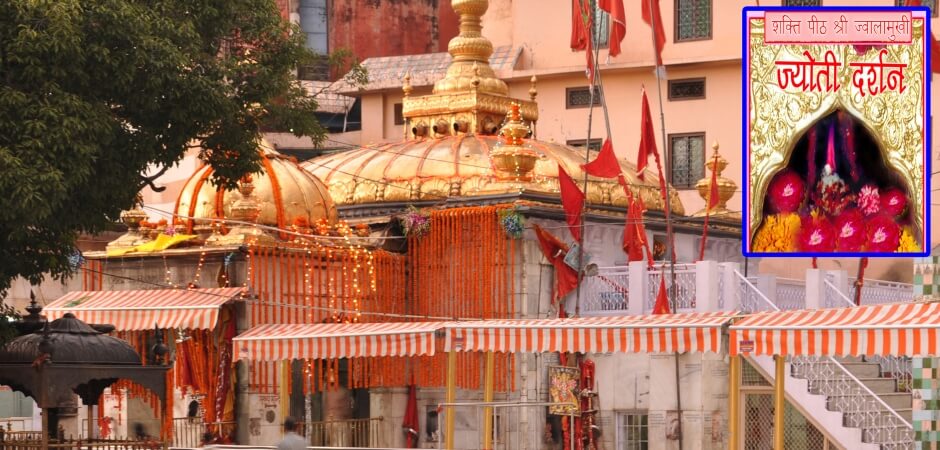
Jwala Ji Kangra
Jwala Ji (Jwalamukhi) Temple in Kangra is a sacred Shakti Peetha where nine eternal natural flames burn from the rock without fuel, worshipped as the manifestation of Goddess Jw…

Bagalamukhi Temple, Bankhandi, HP
The Bagalamukhi Temple in Bankhandi, Kangra district, Himachal Pradesh is dedicated to the goddess Bagalamukhi, one of the ten Tantric Mahavidya deities associated with the colo…
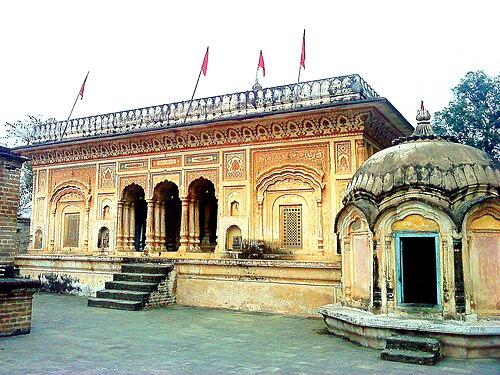
Narbadeshwar Temple, Sujanpur Tira
A historic Shiva temple built in 1802 by Maharani Prasanna Devi, renowned for its exquisite Pahari frescoes depicting Hindu epics and commanding views of the Beas River.
Chintpurni
Chintpurni Temple in Una, Himachal Pradesh is a revered Shakti Peeth dedicated to Goddess Chinnamastika, worshipped as Maa Chintpurni—the divine mother who relieves devotees fro…

Bajreshwari Mata Temple, Kangra
Bajreshwari Mata Temple in Kangra is dedicated to Durga in her fierce form as Vajreshwari, the goddess of the thunderbolt. It is one of the 51 sacred Shakta pithas where the lef…

Masroor Temples
The query requests information about Masroor Temples, but the provided sources contain only information about Shree Saibaba Sansthan Trust in Shirdi, Maharashtra, which is a dif…