Nameswara Temple, Pillalamarri
About Nameswara Temple, Pillalamarri
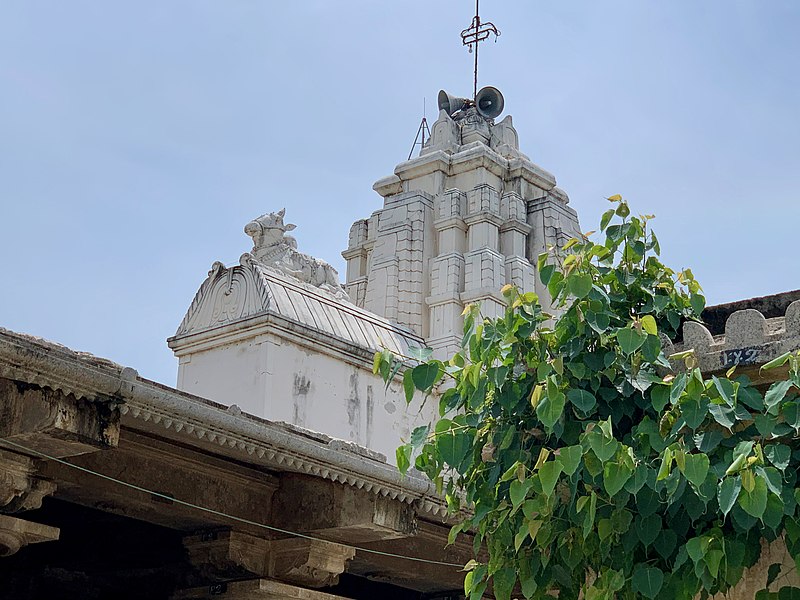
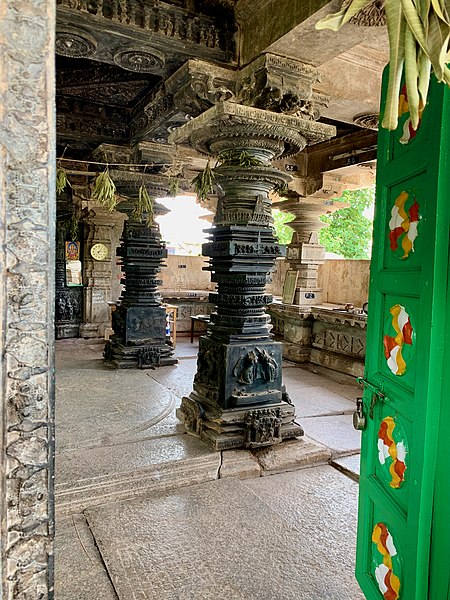
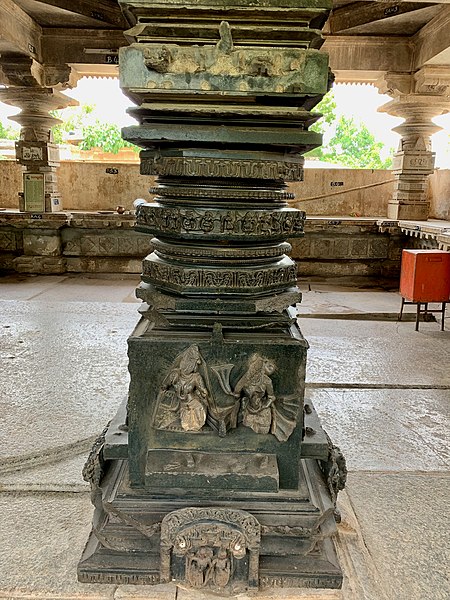
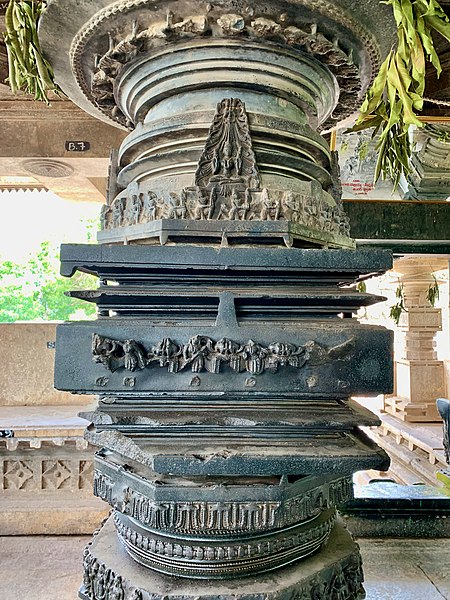
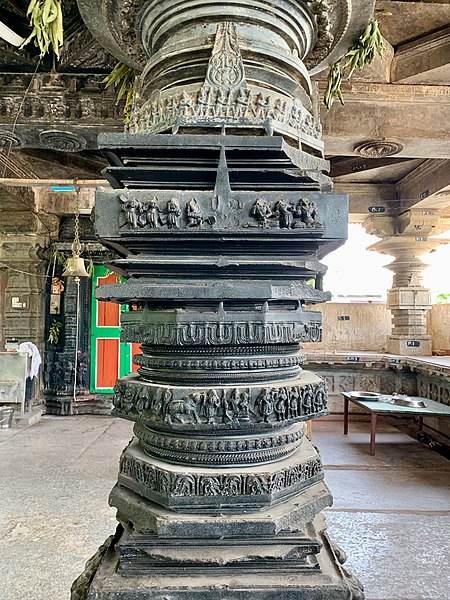
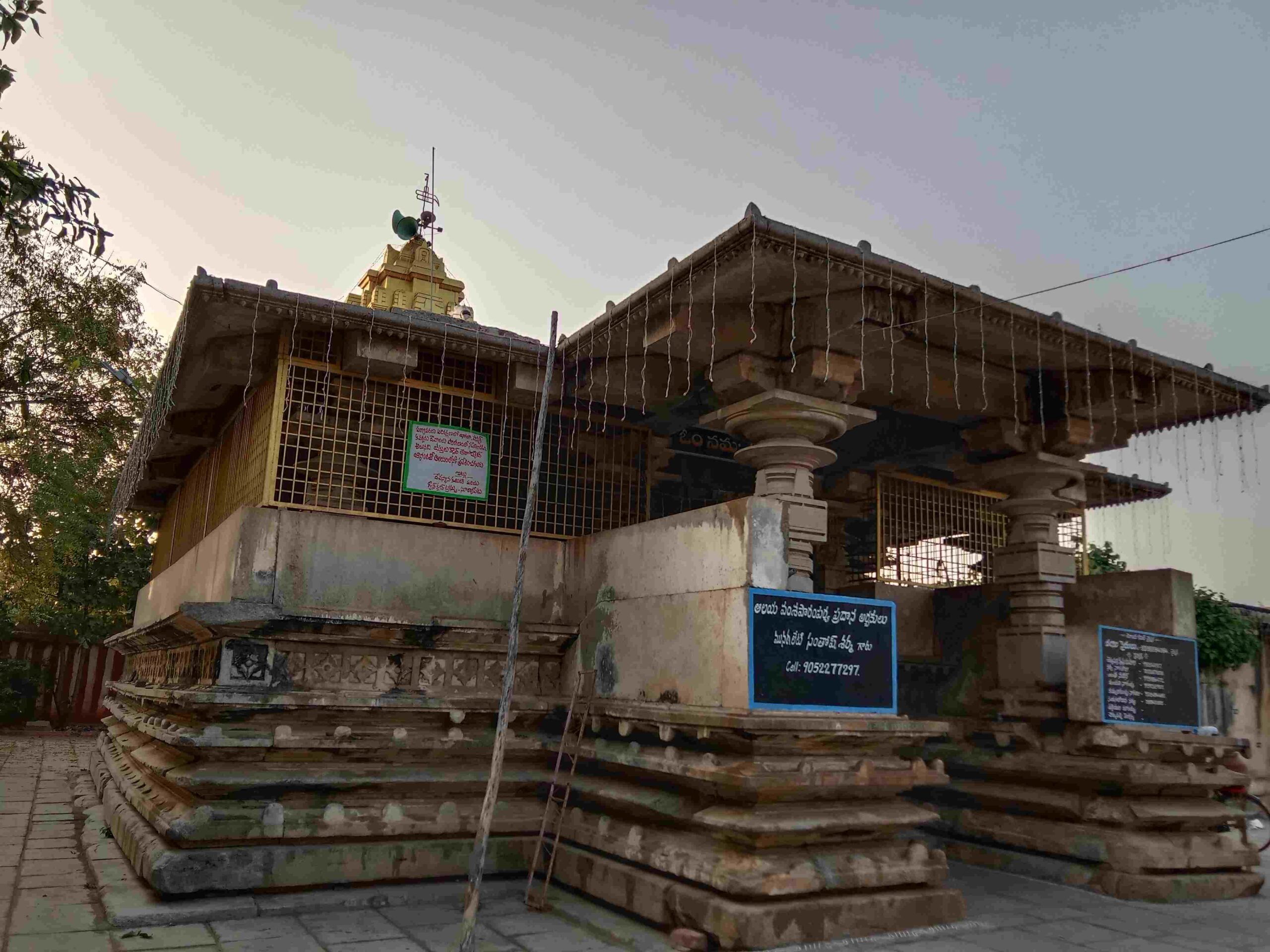
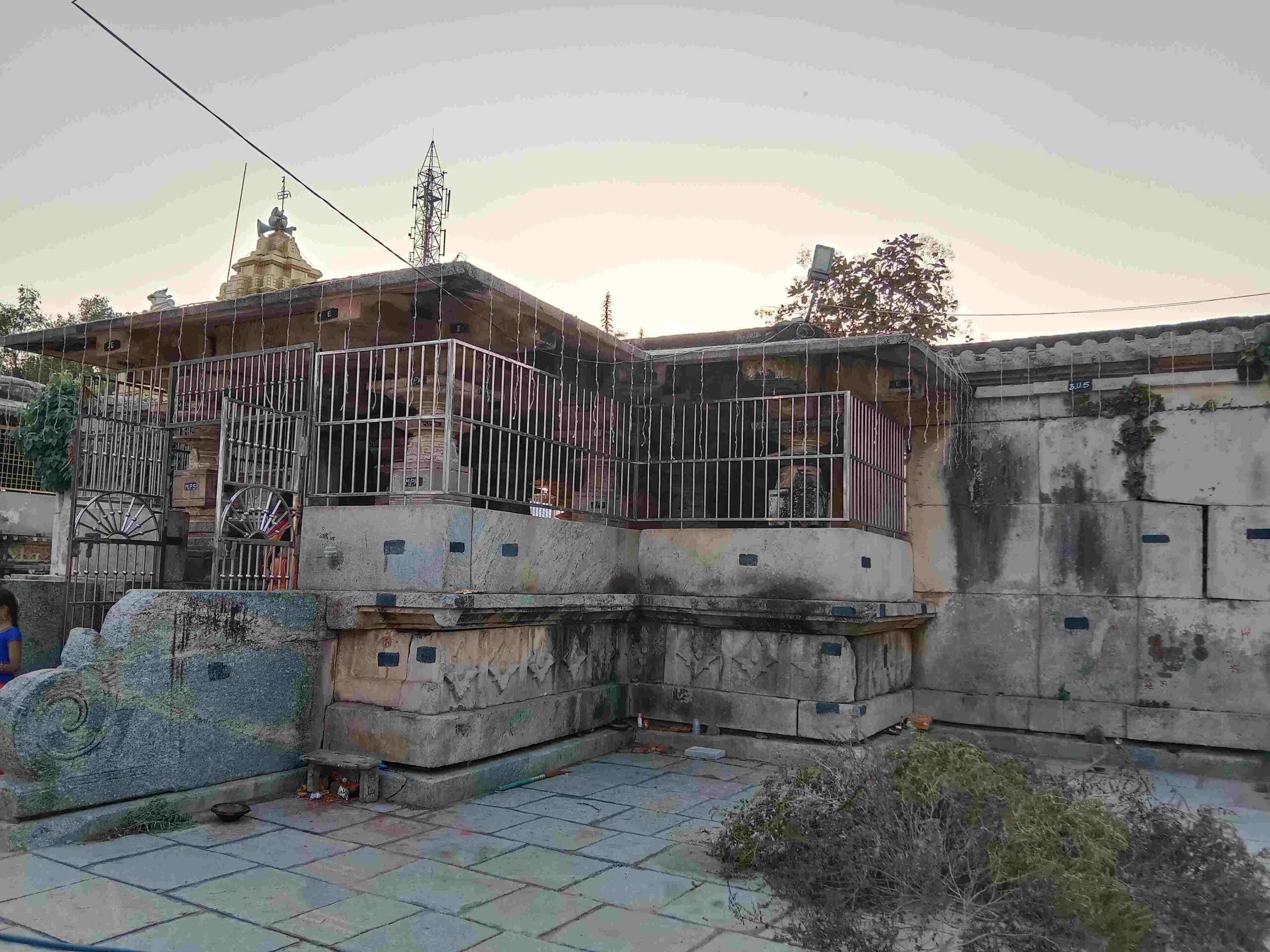
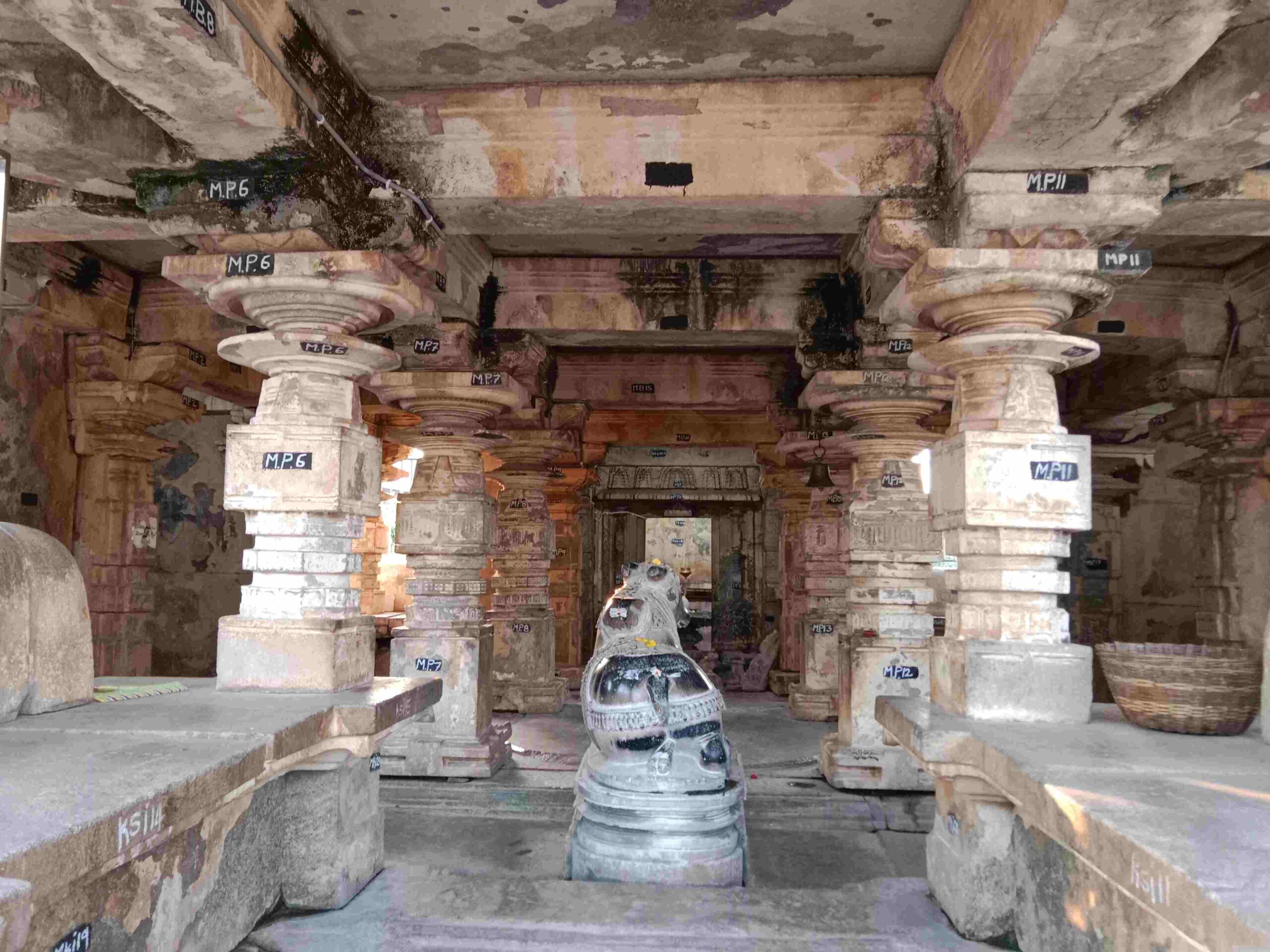
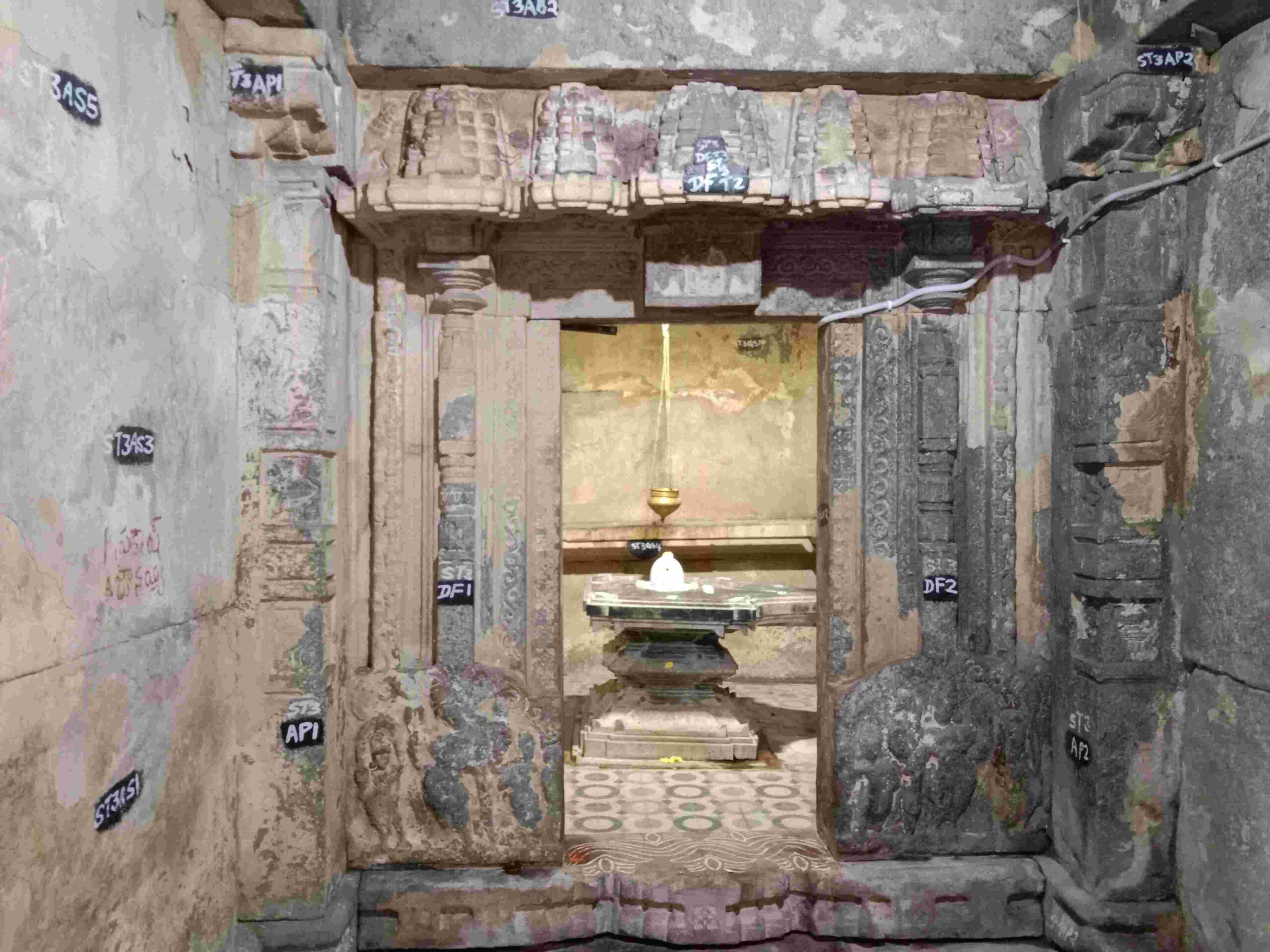
The temple's construction dates to the early 13th century, a period of significant temple-building activity in the Deccan under Kakatiya patronage. The architectural style reflects the conventions of medieval Hindu temple design, though the sources do not detail specific structural features such as the form of the gopuram, the layout of the sanctum, or decorative elements. What is clear is that the shrine has endured for over eight centuries on its riverside location, surviving the changes that have reshaped the region.
The Musi River setting would have been significant both practically and spiritually—rivers are central to Hindu sacred geography, and temples built on riverbanks have long been considered especially auspicious. Visitors should be aware that seasonal water levels may affect access to certain areas of the temple grounds.
Daily Worship and Darshan
The temple maintains regular hours for devotees and visitors. Morning darshan is available from 6:00 AM to 12:30 PM, and evening hours run from 5:00 PM to 8:00 PM. These timings allow for both early-morning worship, which is traditional in Hindu practice, and evening visits. For current information about specific rituals, aarti timings, or any temporary changes to access, visitors should contact the temple directly at 9052277297.
As with Hindu temples generally, modest dress is expected when entering the shrine. Footwear should be removed before entering the inner sanctum, following standard practice in Saivite temples. The temple compound is accessible by road, and parking is available on-site.
The Sacred Landscape of Pillalamarri
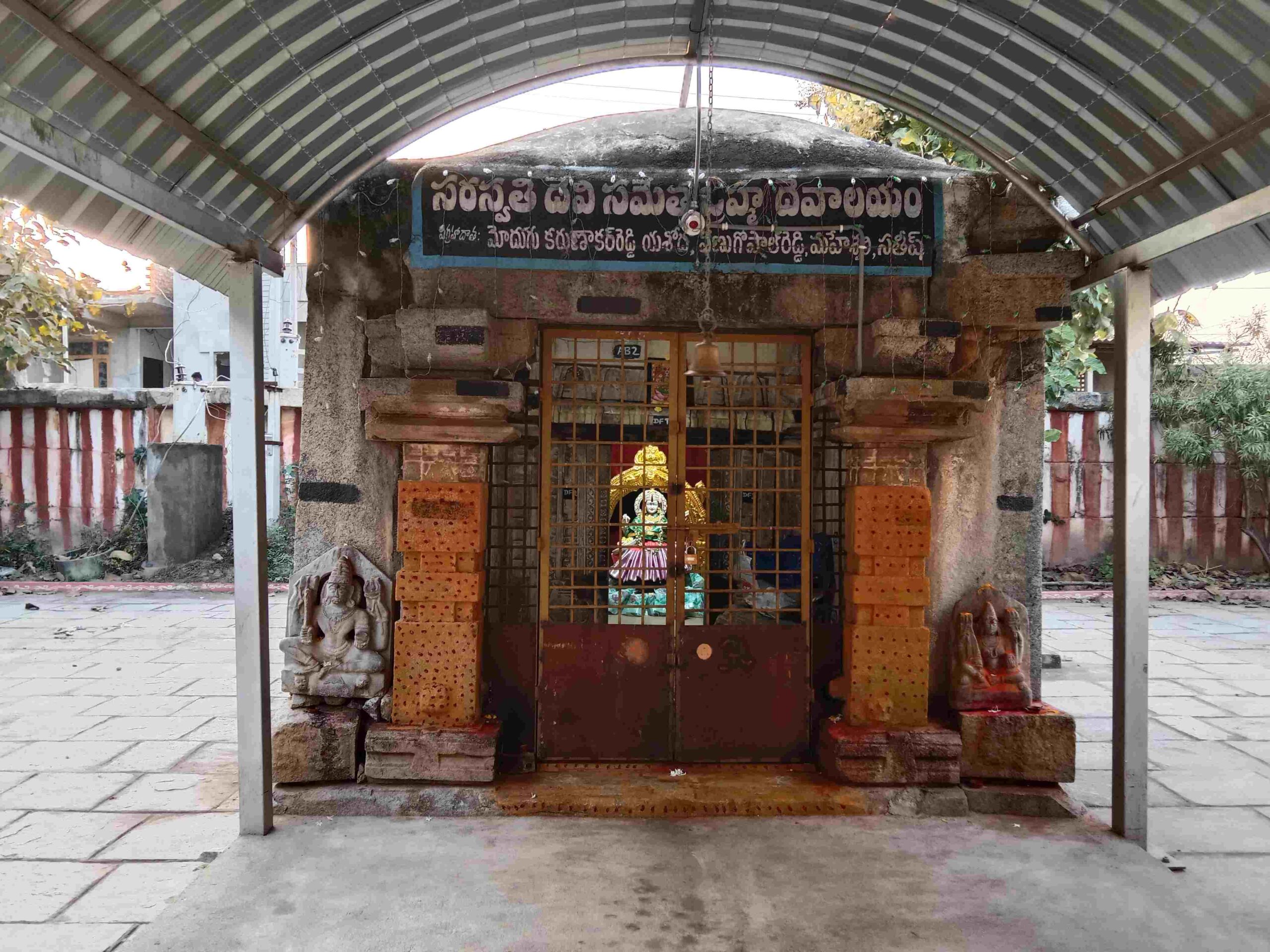
Pillalamarri contains several other medieval temples worth visiting during the same trip, making it possible to experience the religious architecture of the Kakatiya period across multiple sites. The Erakeswara Temple, built around 1208 CE by Erakasani (wife of Bēti Reddi of the Recherla family), stands approximately 400 meters to the west—a short walk from Nameswara Temple. The Trikuteswara Temple, forming the northern partner to Nameswara Temple, is immediately adjacent. The Chennakesavaswamy Temple also stands in the village, representing a different devotional tradition within the broader Kakatiya religious landscape.
These shrines collectively demonstrate the architectural and spiritual patterns that characterized the region during the medieval period, when local rulers invested in temple construction as both an act of piety and a means of establishing their authority and lineage.
Visiting Information and Etiquette
The temple is located at 5H9M+PR8, Pillalamarri Road, Pillalamarri, Suryapet district, Telangana 508376. The coordinates are 17.169157, 79.584757. Visitors arriving by road will find parking available within the temple compound. The riverside location means that seasonal variations in water levels should be considered when planning a visit, particularly during monsoon periods.
Standard temple etiquette applies: remove footwear before entering the inner sanctum, dress modestly, and maintain respectful behavior within the sacred space. Those wishing to make offerings or participate in specific rituals should inquire at the temple about current practices and any associated procedures.
How to reach
Temples near Nameswara Temple, Pillalamarri
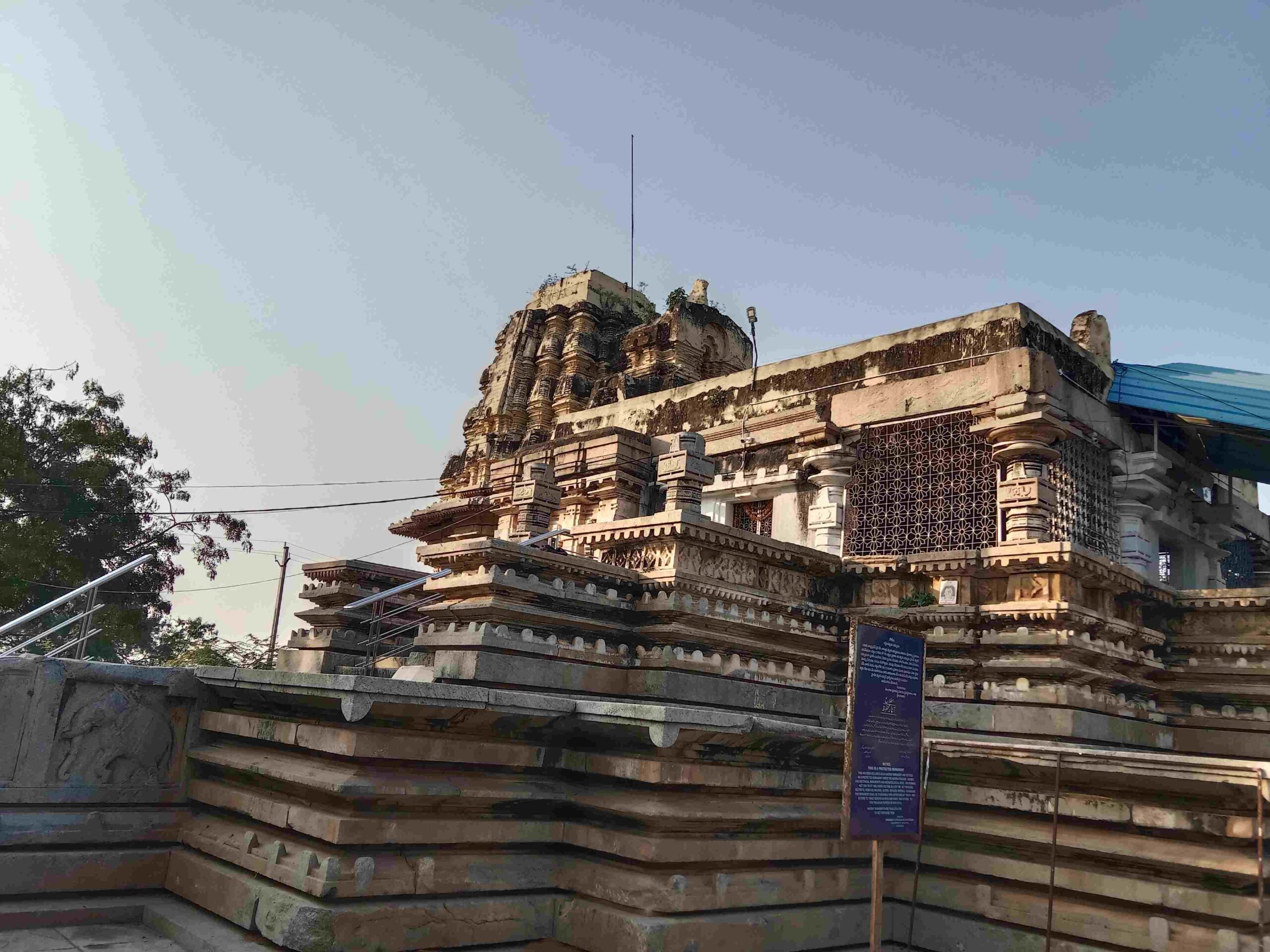
Erakeswara Temple, Pillalamarri
The Erakeswara Temple is a 13th-century Saivite shrine dedicated to Lord Shiva, built on the banks of the Musi river and commissioned by Erakasani, wife of Bēti Reddi of the Rec…
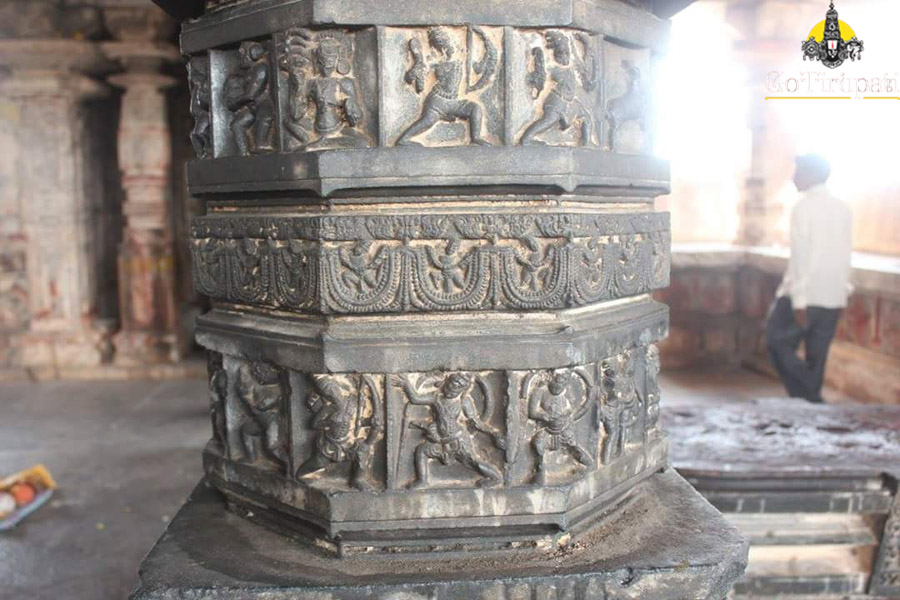
Chaya Someswara Swamy temple
Chaya Someswara Swamy temple in Panagal, Nalgonda district, is a Shaivite shrine renowned for its remarkable optical phenomenon—a steady vertical shadow that falls upon the pres…
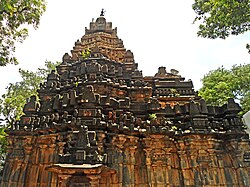
Pachala Someswara Temple
Pachala Someswara Temple is an ancient Shaivite shrine in Panagal, Nalgonda district, Telangana, renowned for its green onyx Shiva Lingam and Chalukyan-style architecture dating…
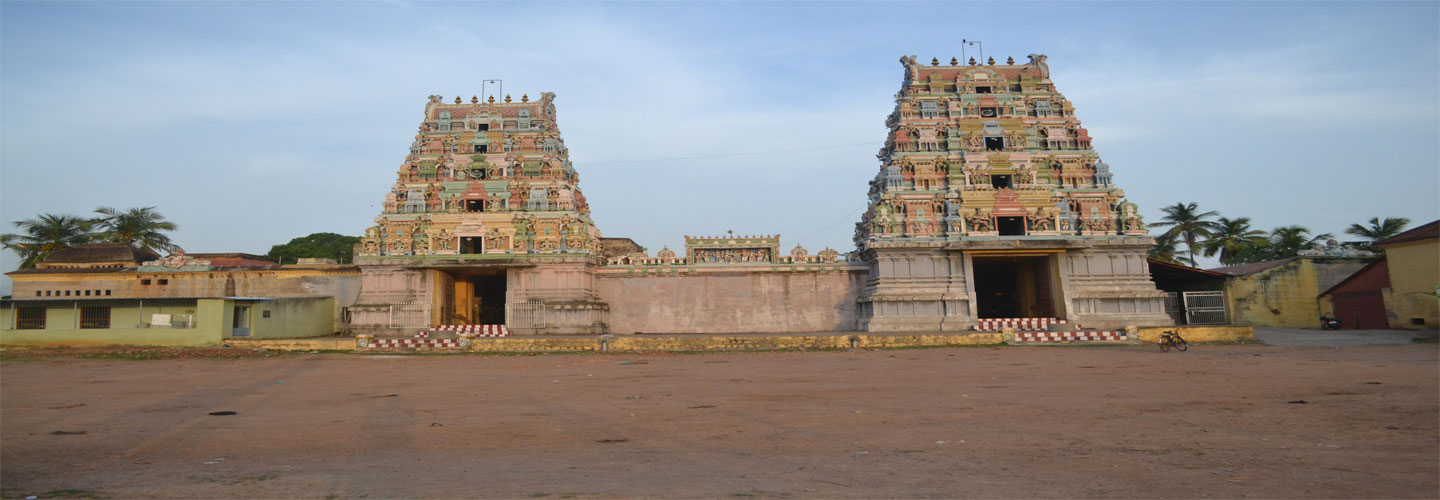
Yogananda Lakshmi Narasimha Swamy Temple
The Yogananda Lakshmi Narasimha Swamy Temple, located in Mattampally village on the Krishna River banks in Telangana, is an 11th-century shrine dedicated to Narasimha and his co…
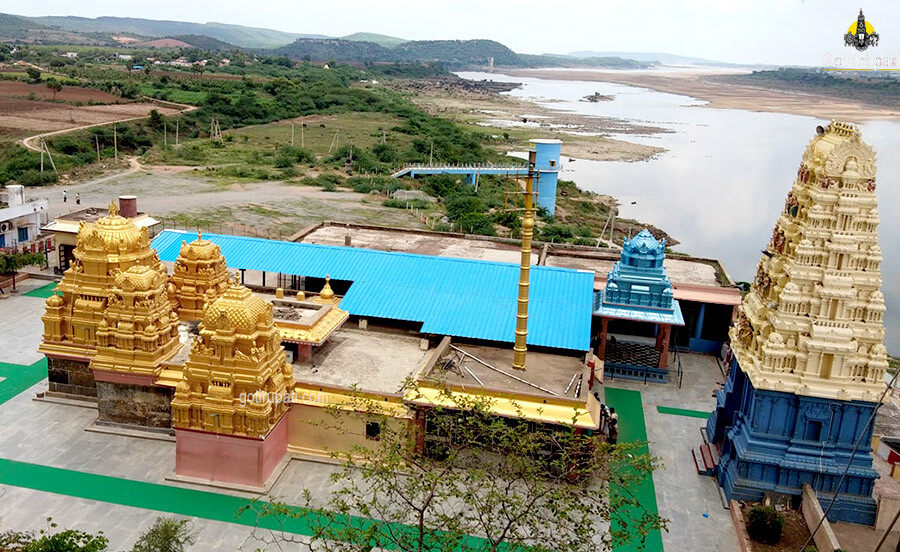
Vedadri Narasimha Temple
Vedadri Narasimha Temple, situated on the Krishna River's banks in Andhra Pradesh, is an 11th-century shrine dedicated to Lord Lakshmi Narasimha and ranks among the sacred Panch…
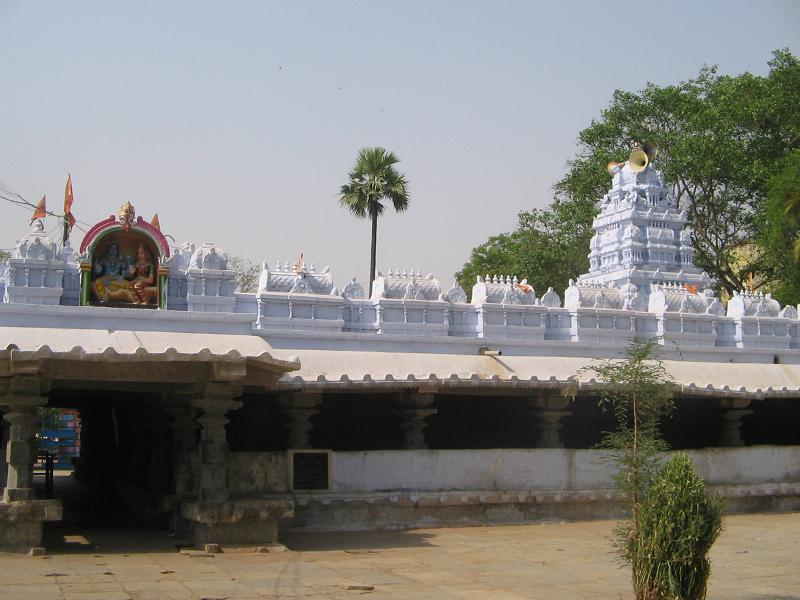
Mallikarjuna Temple, Inavolu
Sri Mallikarjuna Swamy Temple in Inavolu, Warangal, is an 11th-century Shiva temple commissioned by Kakatiya minister Sri Ayanna, renowned for its 108-pillar chariot structure a…