Chaya Someswara Swamy temple
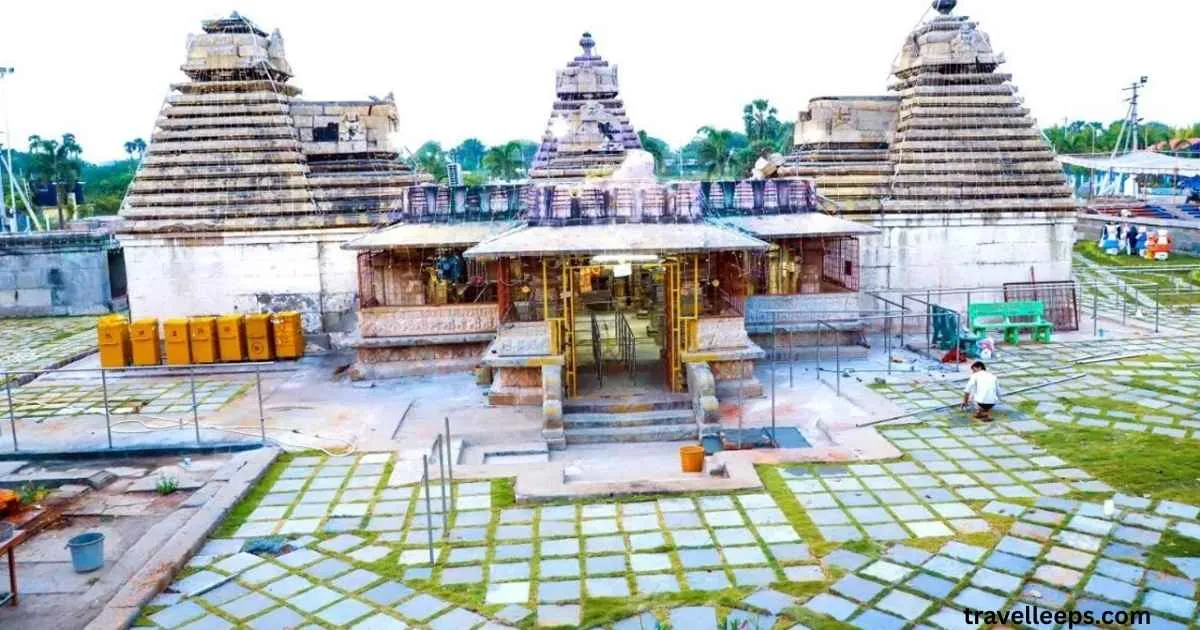
About Chaya Someswara Swamy temple
The temple was established during the mid-11th century, a period of vigorous temple construction across the Deccan region. Historical records indicate that the Kunduru Chodas provided the initial patronage for its construction, with later Hindu dynasties of Telangana contributing further embellishments and support to the structure. Some scholarly sources date the temple to the late 11th or early 12th century, reflecting the uncertainty common to monuments of this age where precise records are sparse.
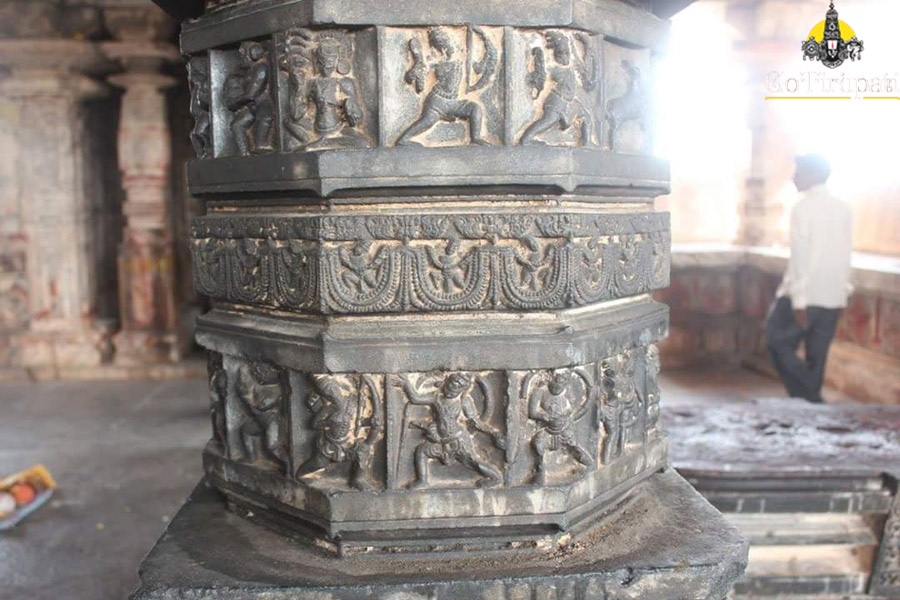
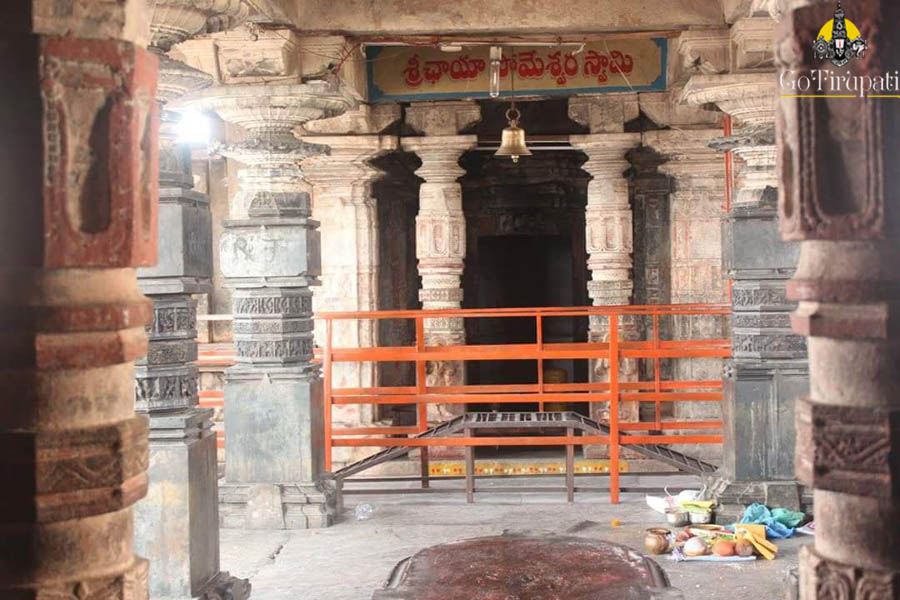
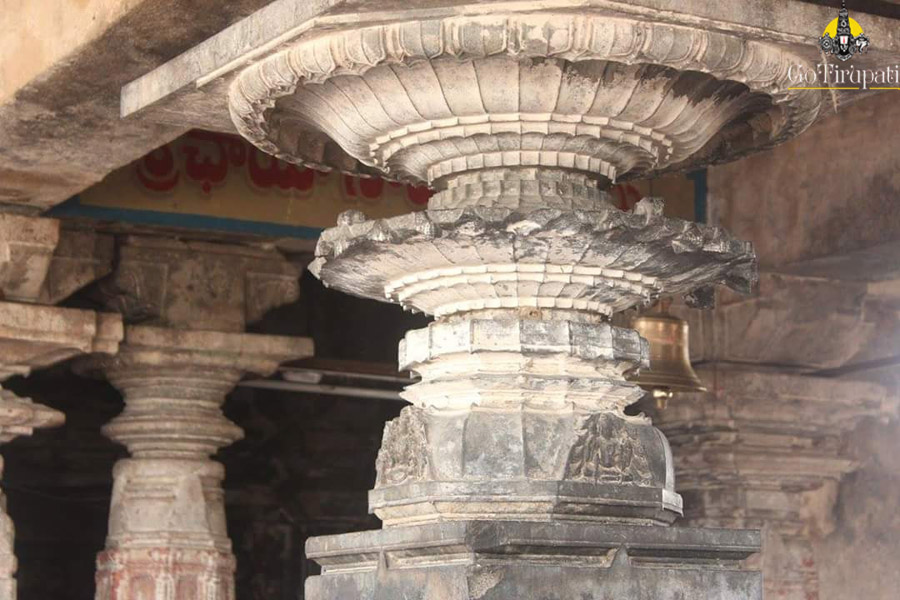
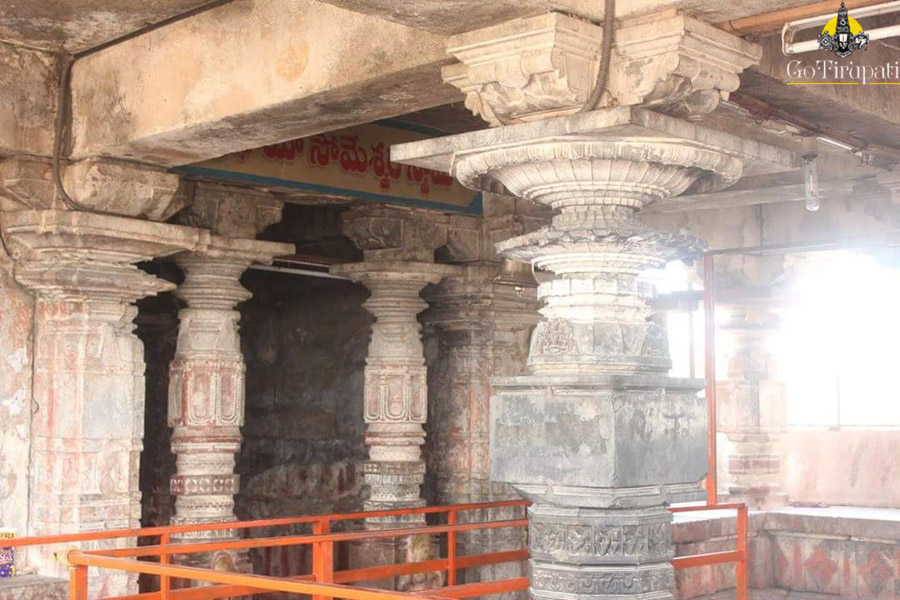
The temple exemplifies Dravidian architectural principles, the dominant style of South Indian temple construction. Its walls bear carved narratives drawn from the Mahabharata and Ramayana, testifying to the classical Hindu literary traditions that informed its artistic programme. The most remarkable aspect of its design is the careful positioning of pillars within the sanctum, which creates a vertical shadow that falls upon the presiding deity and remains steady from sunrise to sunset. This effect represents a deliberate feat of architectural planning rather than accident—the sanctum sanctorum faces east while positioned on the western side of the temple, an orientation that contributes to this engineered optical phenomenon.
The Shadow Phenomenon
The steady shadow that falls upon the deity throughout the day is the result of light being distracted and directed by the precise placement of pillars within the sanctum. This phenomenon, which gives the temple its distinctive character and name, demonstrates a sophisticated understanding of geometry and light on the part of its medieval builders. The shadow remains constant from sunrise to sunset, a consistency that would have required careful calculation and testing during the temple's construction.
For visitors, witnessing this effect firsthand offers a tangible connection to the ingenuity of 11th-century engineering. The phenomenon is best observed during daylight hours when natural light is strongest, making morning visits particularly rewarding for those interested in this architectural feature.
Daily Worship and Darshan
The temple opens to visitors during two periods each day: from 6:00 am to noon in the morning, and from 3:00 pm to 8:00 pm in the afternoon. Darshan—the ritual viewing of the deity—typically occupies 10 to 15 minutes on weekdays, when visitor numbers remain moderate. Weekend visits generally involve longer queues, extending darshan duration to 20 or 30 minutes. Weekdays therefore offer a more peaceful experience for those able to plan their visit accordingly.
The afternoon hours may prove particularly convenient for visitors traveling from nearby towns, allowing time to reach the temple after midday. Visitors should wear decent, modest clothing and remove their shoes before entering the inner sanctum, practices standard across Hindu temples that reflect the sacred character of the space.
Festivals and Busy Periods
Two major observances draw substantially larger crowds to the temple. Sivaratri, the night dedicated to Lord Shiva, and Karthika Masam, a month-long period of special religious significance, both bring increased visitor traffic and considerably longer darshan queues. Those seeking a quieter, less crowded experience should plan their visit outside these periods. Temples of the Shaivite tradition typically mark Sivaratri with special rituals and extended hours, though specific details of observances at this temple remain undocumented.
How to Reach the Temple
The temple is situated in Panagal village, Nalgonda district, Telangana. The nearest railway station is at Nalgonda, approximately 2.1 kilometers away, with direct train connections available from across the country. The nearest international airport is at Hyderabad, roughly 117 kilometers distant; Vijayawada airport lies approximately 203 kilometers away. Direct bus services operate with high frequency between Nalgonda and surrounding areas. Those traveling by road will find the village accessible via the main routes connecting Nalgonda district.
How to reach

Temples near Chaya Someswara Swamy temple
Pachala Someswara Temple
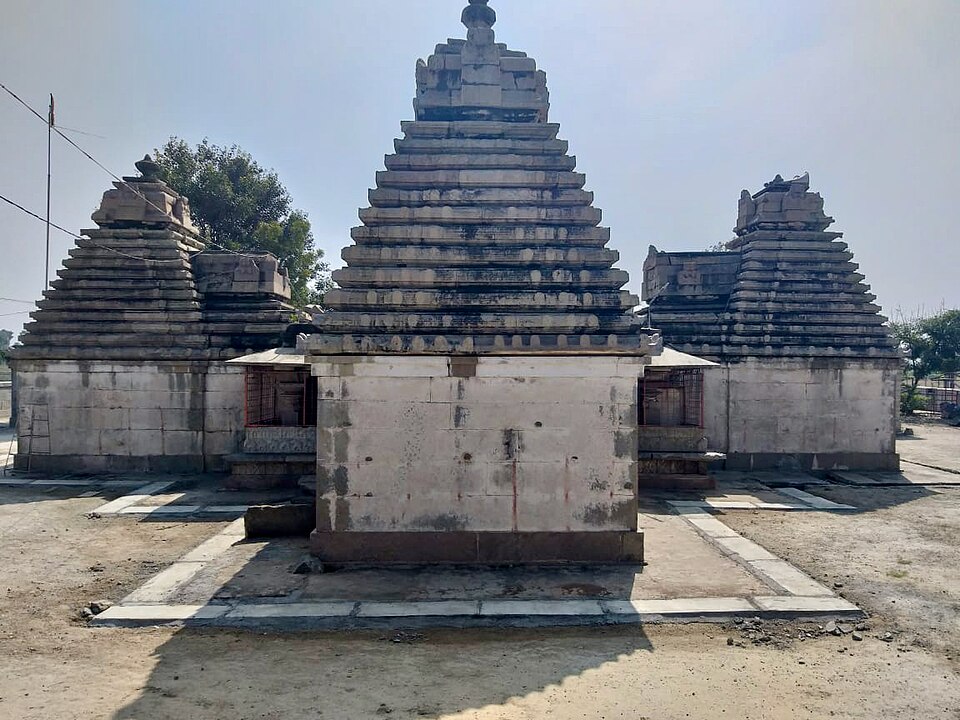
Pachala Someswara Temple is an ancient Shaivite shrine in Panagal, Nalgonda district, Telangana, renowned for its green onyx Shiva Lingam and Chalukyan-style architecture dating…
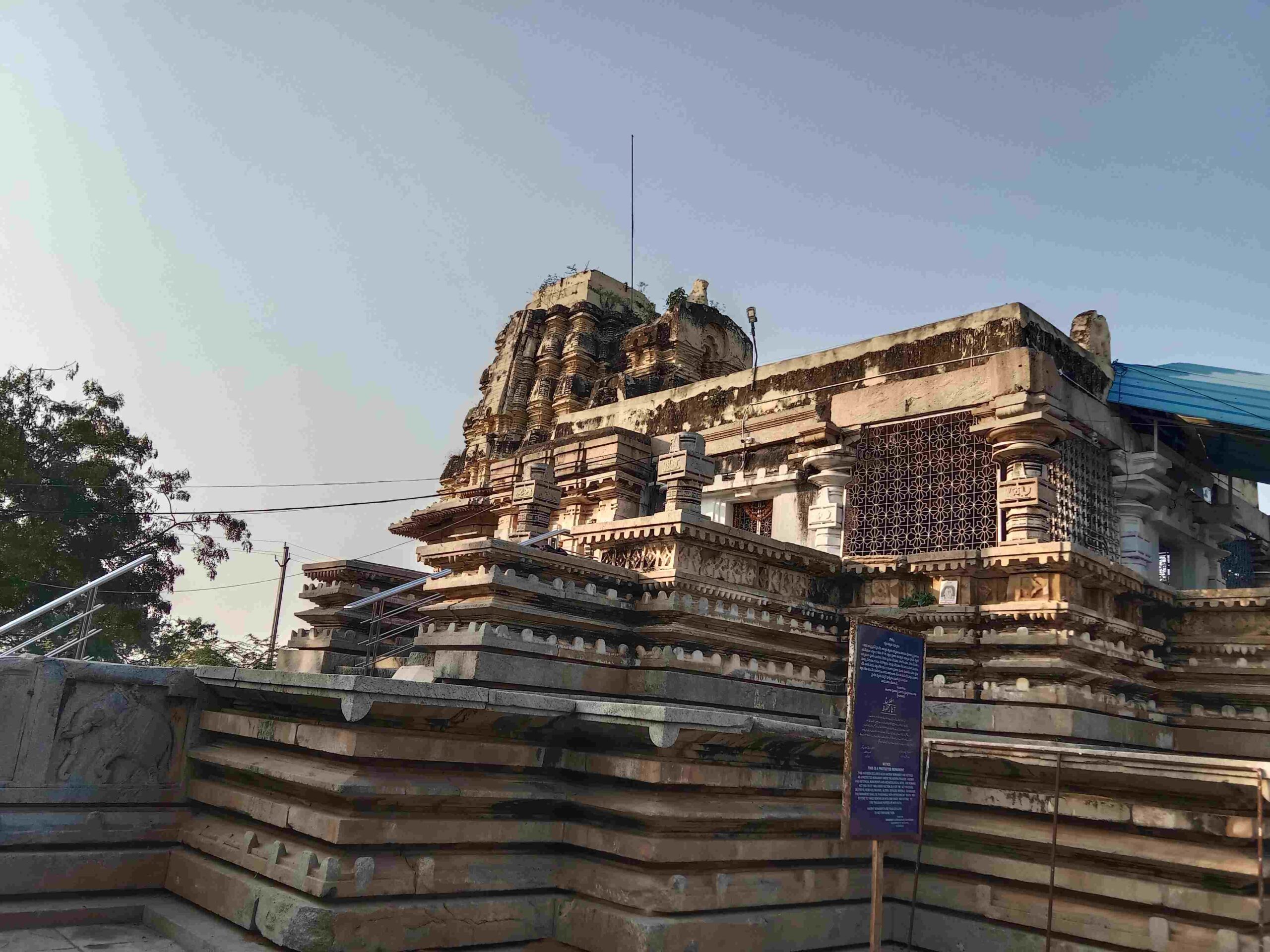
Erakeswara Temple, Pillalamarri
The Erakeswara Temple is a 13th-century Saivite shrine dedicated to Lord Shiva, built on the banks of the Musi river and commissioned by Erakasani, wife of Bēti Reddi of the Rec…
Nameswara Temple, Pillalamarri
Nameswara Temple is a Saivite Hindu shrine built around 1202 CE on the banks of the Musi River in Pillalamarri, Telangana, by Namireddi of the Recherla Reddis family. It forms a…
Tulja Bhavani Temple - Peddamunigal
Tulja Bhavani Temple in Tuljapur is one of Maharashtra's three complete Shakti Peethas and the family deity of Chhatrapati Shivaji Maharaj, who sought the Goddess's blessings be…

Sri Lakshmi Narasimha Swamy Temple, Yadagirigutta
Sri Lakshmi Narasimha Swamy Temple in Yadagirigutta, Telangana, is dedicated to Narasimha, an avatar of Vishnu. Located approximately 60 km from Hyderabad, it attracts 10,000-15…
Yogananda Lakshmi Narasimha Swamy Temple
The Yogananda Lakshmi Narasimha Swamy Temple, located in Mattampally village on the Krishna River banks in Telangana, is an 11th-century shrine dedicated to Narasimha and his co…