Erakeswara Temple, Pillalamarri
About Erakeswara Temple, Pillalamarri
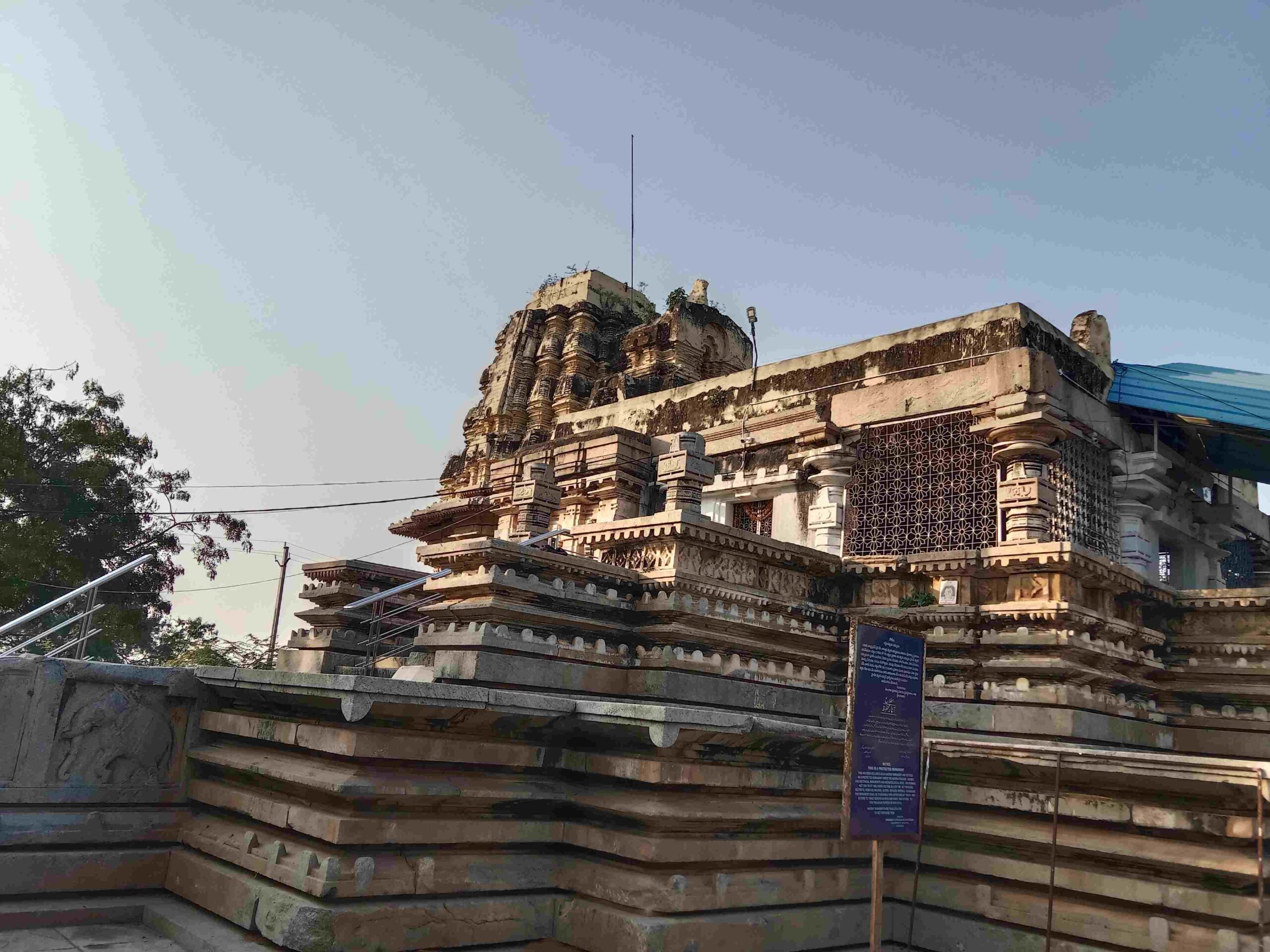
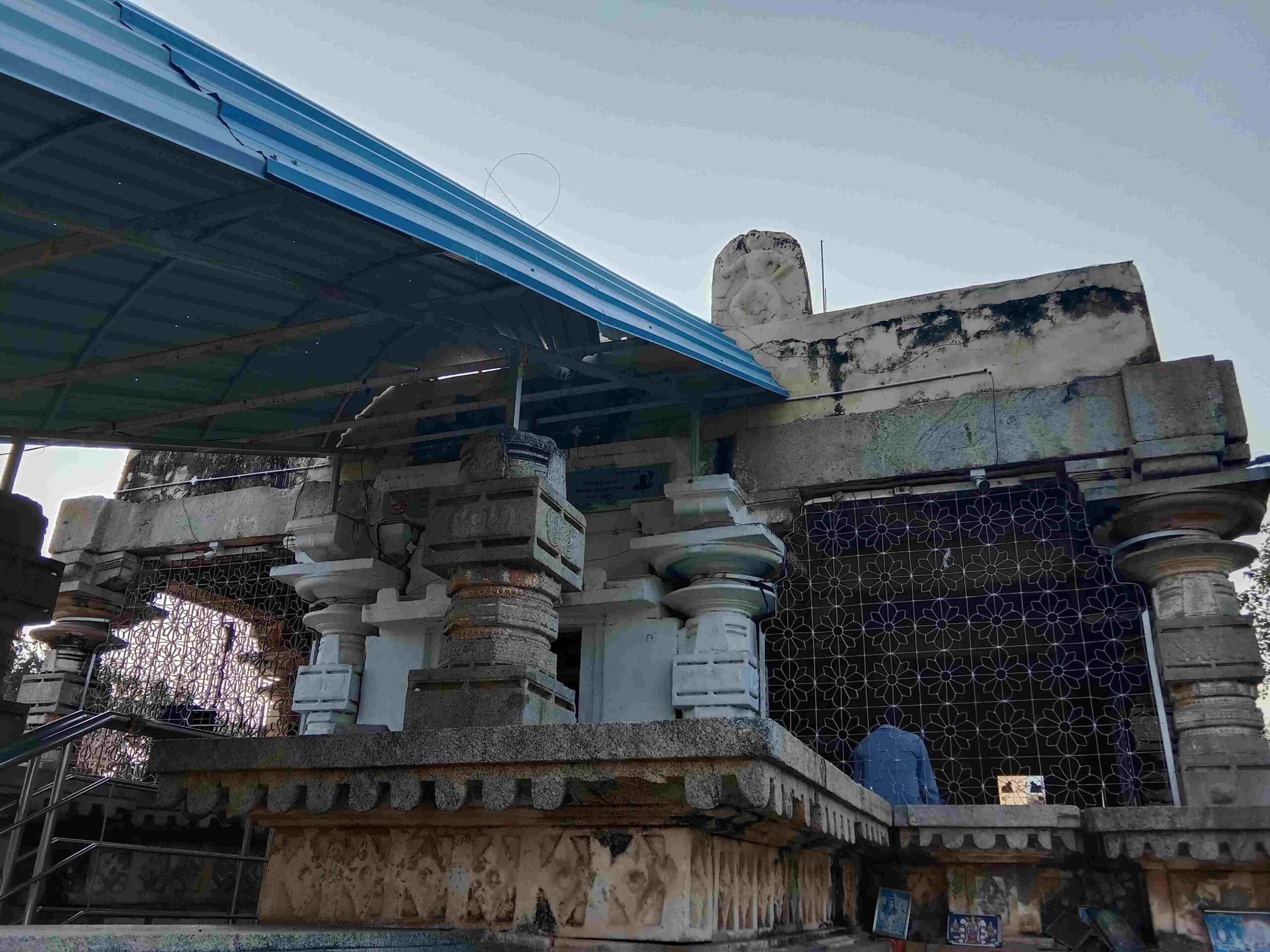
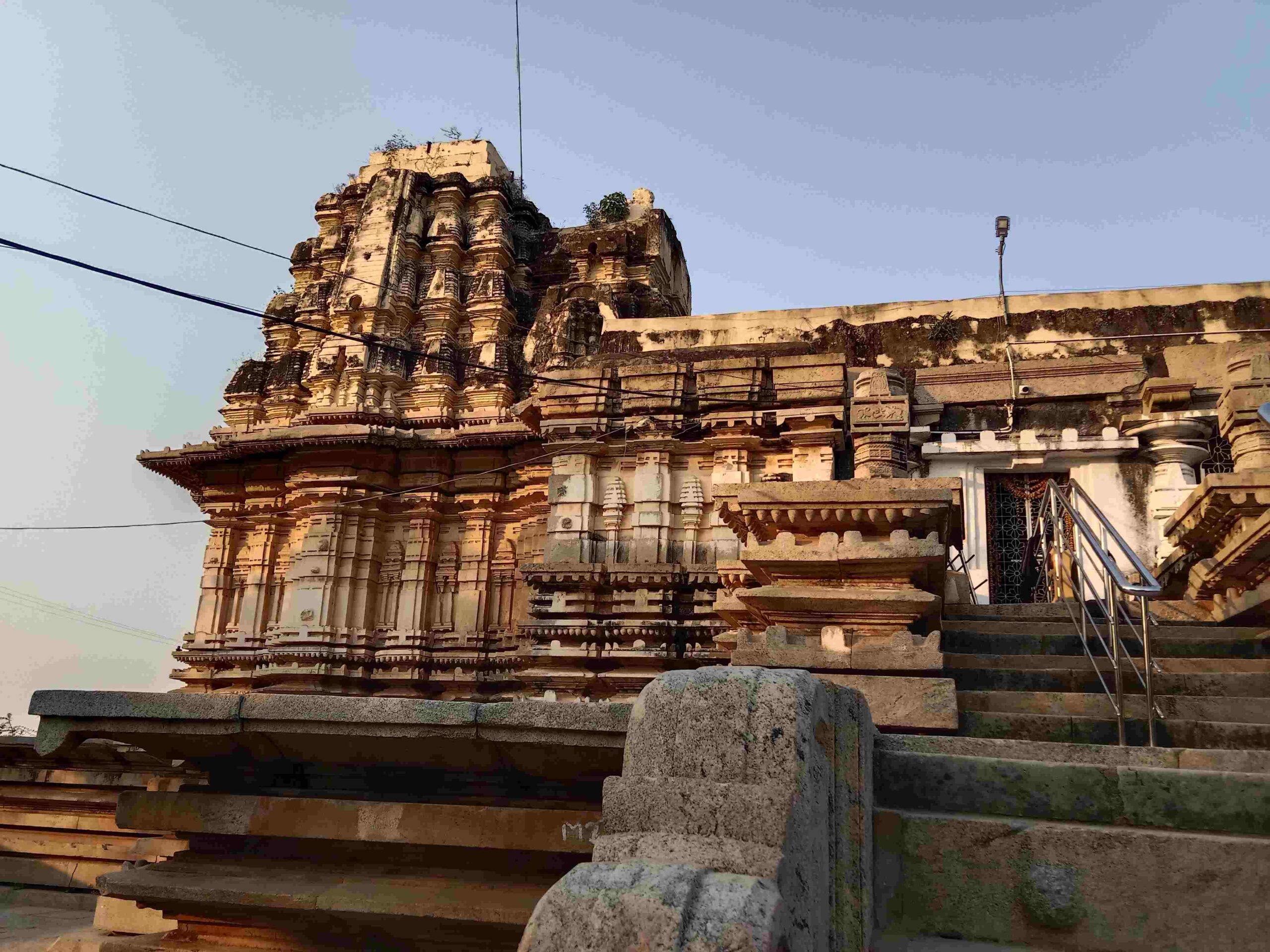
The temple displays the architectural conventions of the Kakatiya dynasty, with intricately carved stone and granite work that reflects the skill of medieval craftsmen. The structure incorporates detailed pillars and sculptural elements characteristic of South Indian temple design from this era. The temple's setting on the riverbank, combined with its carved stonework, creates a visual connection between the sacred space and the natural landscape. Visitors interested in medieval architecture and the evolution of temple design in the Deccan will find the carved details and overall composition instructive examples of 12th to early 13th century construction methods.
Daily Worship and Visiting
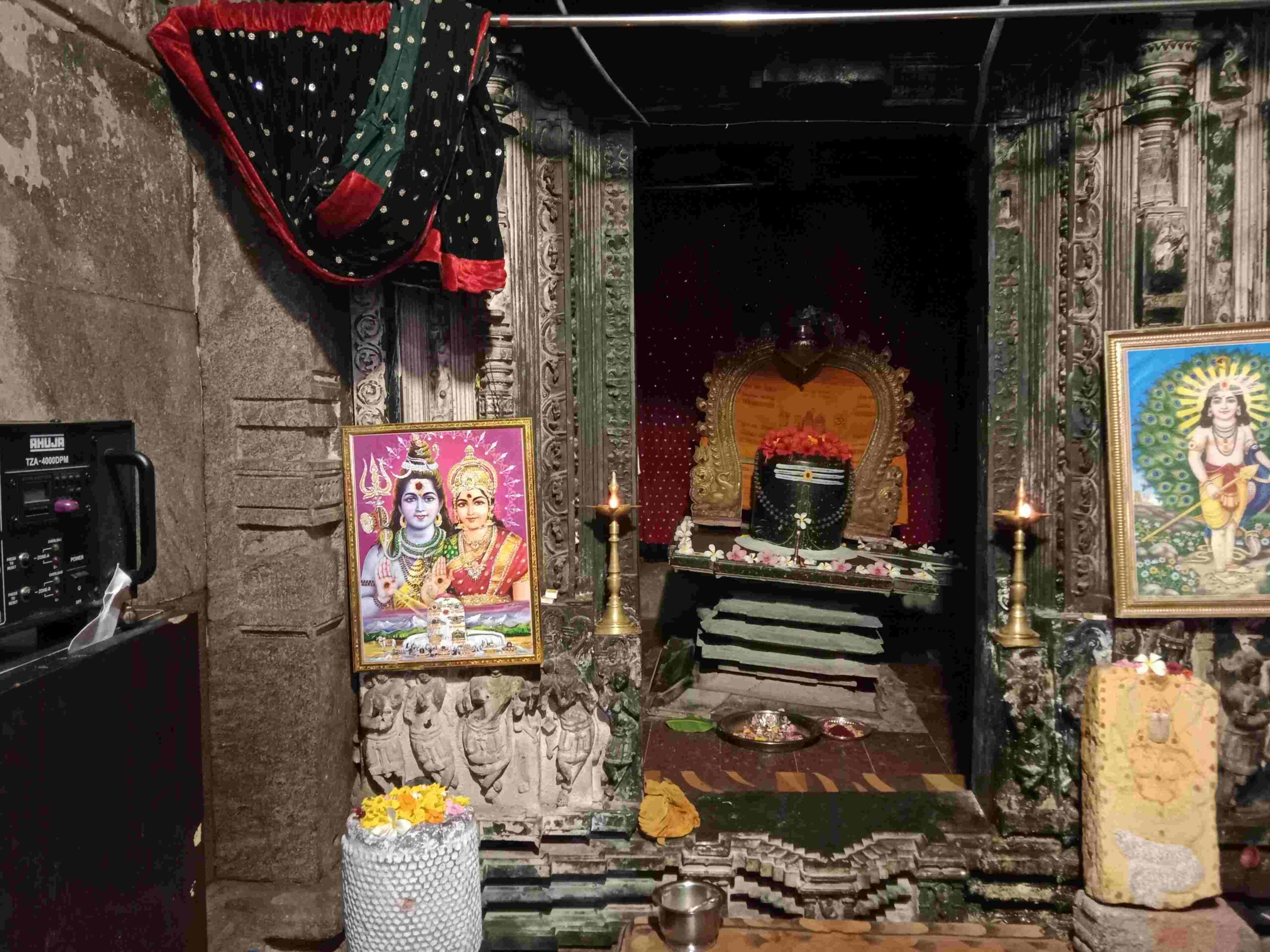
The temple remains active for daily worship and is open from 6:00 AM to 8:00 PM, allowing devotees and visitors flexibility in timing their visit. The sanctum sanctorum houses the primary deity, Lord Shiva. Temples dedicated to Shiva typically follow traditional worship practices, though specific details of daily rituals at this temple are not documented in available sources. Visitors seeking darshan (viewing of the deity) can plan their visit during these extended hours. Early morning and evening visits are recommended for a more peaceful atmosphere, particularly if you wish to experience the temple without crowds.
Dress and Conduct
Visitors should observe traditional dress codes when entering the temple. This typically means modest clothing that covers shoulders and knees—a practice standard across Hindu temples. Shoes are generally removed before entering the inner sanctum. As with most active temples, respectful behavior and silence in prayer areas are expected. Photography policies may vary; it is advisable to ask temple staff before photographing the interior or deity.
Maha Shivaratri and Observances
Maha Shivaratri, the festival dedicated to Lord Shiva, represents the most significant occasion for worship at this temple. This festival, observed annually according to the lunar calendar, draws devotees for special prayers and rituals. Beyond this major observance, the temple likely follows the standard worship calendar of Shaivite temples, though specific festival dates and celebrations particular to Erakeswara Temple are not detailed in available sources.
Access and Practical Information
The temple is located approximately 5 kilometers from National Highway 65, accessible via a branching road that is straightforward to navigate. Signage at the entrance marks the temple location. If traveling from Hyderabad toward Vijayawada on NH 65, watch for the right turn leading to Pillalamarri. The road is suitable for vehicles, making the temple accessible to those traveling by car or motorcycle. Parking facilities are available at the site. The village of Pillalamarri itself offers basic amenities, though visitors should plan accordingly for refreshments or supplies before or after their visit.
The Pillalamarri Temple Complex
Erakeswara Temple is one of four significant medieval temples within Pillalamarri village. Approximately 250 meters east stand the Nameswara and Trikuteswara temples, constructed as a double structure. The Chennakesava Temple, dedicated to Vishnu, lies a few hundred feet southwest of these two, though it survives only in ruins. All four temples date to the 12th and early 13th centuries, making a visit to the broader complex valuable for understanding the religious and architectural landscape of the Kakatiya period. The concentration of temples suggests Pillalamarri was an important pilgrimage and administrative center during medieval times.
How to reach
Temples near Erakeswara Temple, Pillalamarri
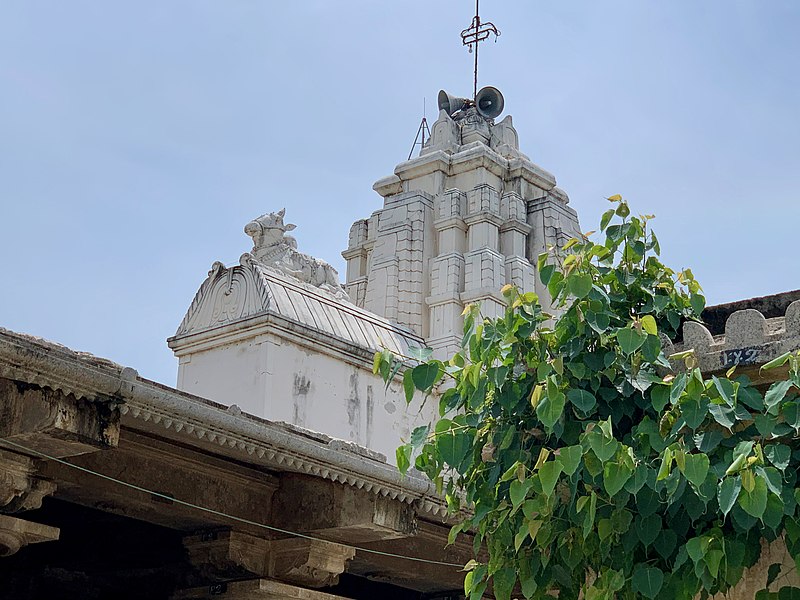
Nameswara Temple, Pillalamarri
Nameswara Temple is a Saivite Hindu shrine built around 1202 CE on the banks of the Musi River in Pillalamarri, Telangana, by Namireddi of the Recherla Reddis family. It forms a…
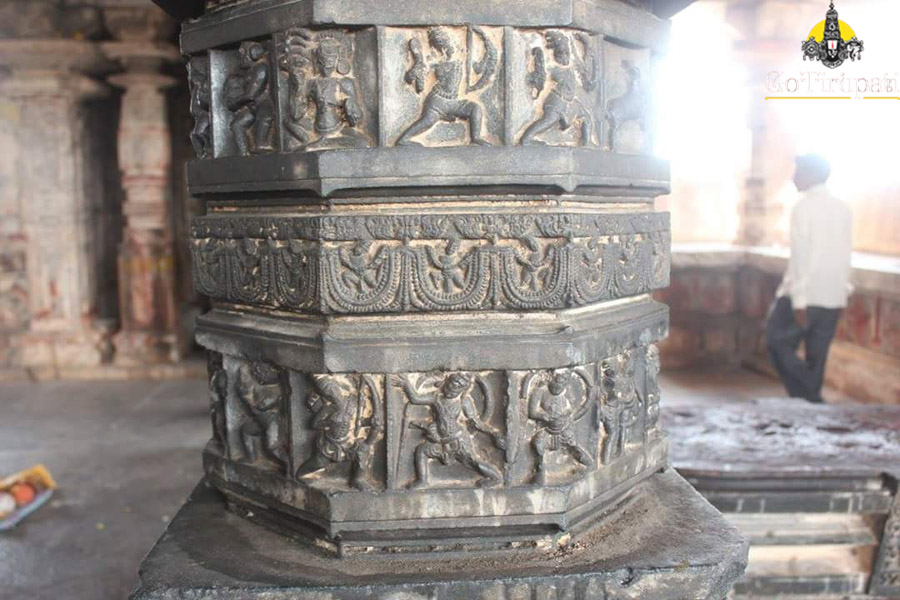
Chaya Someswara Swamy temple
Chaya Someswara Swamy temple in Panagal, Nalgonda district, is a Shaivite shrine renowned for its remarkable optical phenomenon—a steady vertical shadow that falls upon the pres…
Pachala Someswara Temple
Pachala Someswara Temple is an ancient Shaivite shrine in Panagal, Nalgonda district, Telangana, renowned for its green onyx Shiva Lingam and Chalukyan-style architecture dating…
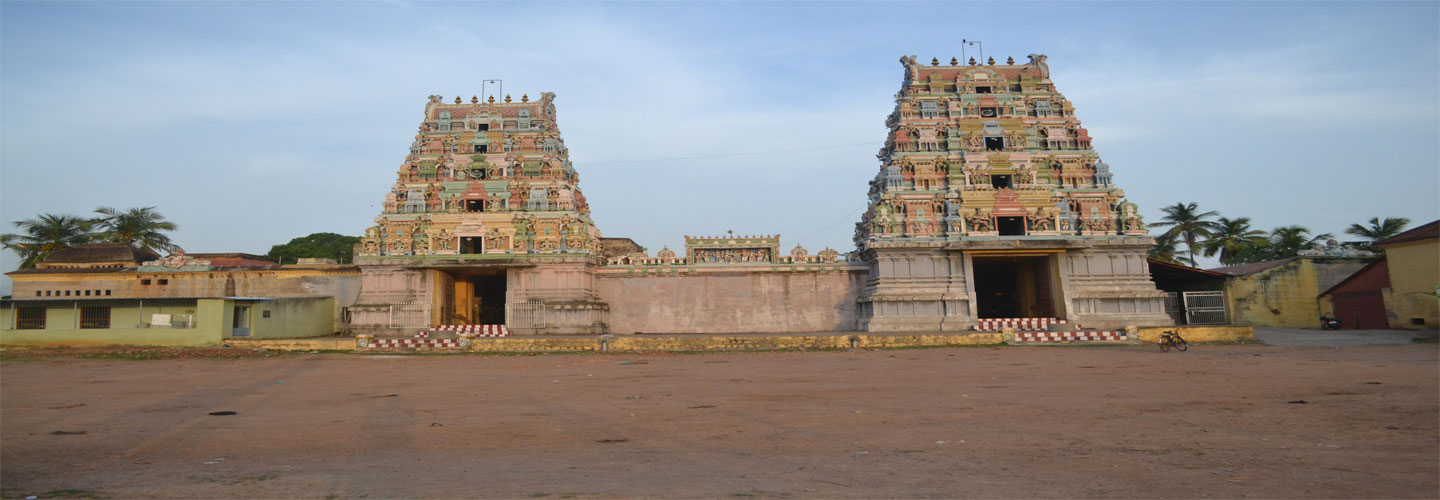
Yogananda Lakshmi Narasimha Swamy Temple
The Yogananda Lakshmi Narasimha Swamy Temple, located in Mattampally village on the Krishna River banks in Telangana, is an 11th-century shrine dedicated to Narasimha and his co…
Vedadri Narasimha Temple
Vedadri Narasimha Temple, situated on the Krishna River's banks in Andhra Pradesh, is an 11th-century shrine dedicated to Lord Lakshmi Narasimha and ranks among the sacred Panch…
Mallikarjuna Temple, Inavolu
Sri Mallikarjuna Swamy Temple in Inavolu, Warangal, is an 11th-century Shiva temple commissioned by Kakatiya minister Sri Ayanna, renowned for its 108-pillar chariot structure a…