

Nageshvara Temple
About Nageshvara Temple
The temple opens at 5:30 AM and closes at 9:00 PM daily, allowing visitors flexibility in timing their darshan (viewing of the deity). Early morning visits coincide with the Mangal Aarti and offer a quieter atmosphere for worship. The temple's location in Begur, within Bangalore's urban district, makes it accessible to both local devotees and travelers.
Visitors should dress modestly, as is customary in Hindu temples—women typically wear salwar kameez, sarees, or equivalent modest clothing, while men wear simple shirts and trousers or traditional dress. Shoes are removed before entering the sanctum. Photography policies vary; it is best to inquire at the temple entrance. The temple complex includes multiple shrines reflecting different historical periods, offering visitors insight into the layered architectural and spiritual history of the site.
Temple Complex and Architecture
The Nageshvara temple complex comprises multiple shrines built across different eras. The two main shrines dedicated to Nageshvara Swamy date to the Western Ganga period and represent the temple's oldest layer. Subsequent additions from the Chola, Hoysala, and Vijayanagara periods have enriched the complex with diverse architectural styles and smaller shrines. This stratification of construction across centuries makes the complex a living record of Karnataka's medieval religious and political history.
Practical Information
The temple is located at coordinates 12.87674, 77.62671 in Begur, Bangalore urban district, Karnataka. Visitors arriving by public transport can reach Begur via local bus services from central Bangalore. Those traveling by personal vehicle should note the temple's address for GPS navigation. The temple grounds are open throughout the day, though the main sanctum follows the posted timings. Facilities within the complex typically include basic amenities; visitors should plan accordingly for water and refreshments, particularly during midday hours.
Approaching the Temple
Temples dedicated to Shiva in this tradition typically welcome visitors of all backgrounds, though participation in rituals is reserved for Hindu devotees. Visitors should approach the sanctum with respect, moving clockwise around the deity when permitted. It is customary to make a small offering—flowers, coconut, or a monetary donation—though this is voluntary. Temple staff can guide visitors unfamiliar with the customs of worship.
How to reach
You may also visit
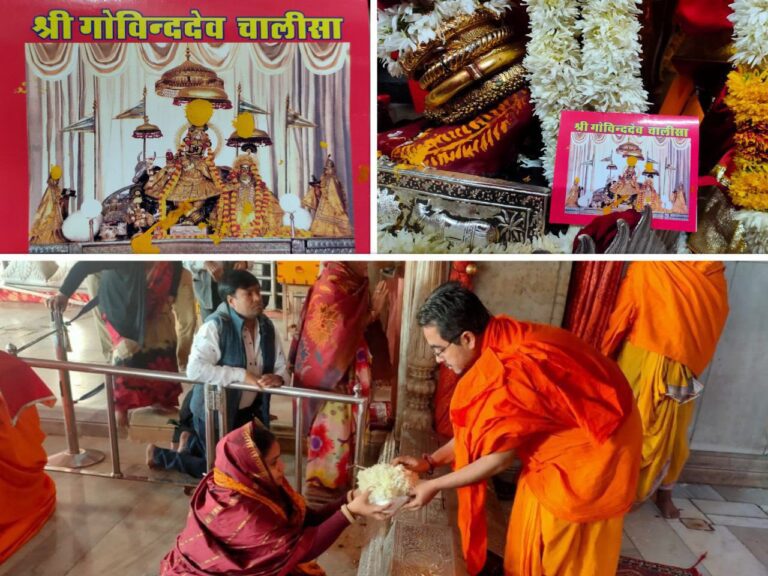
Kalyanji Temple
Kalyanji Temple in Jaipur's Chandpol Bazaar is approximately two centuries old and renowned for displaying the twenty-four avatars of Krishna, visible only twice yearly during Akha Teej and Patottsav festival.
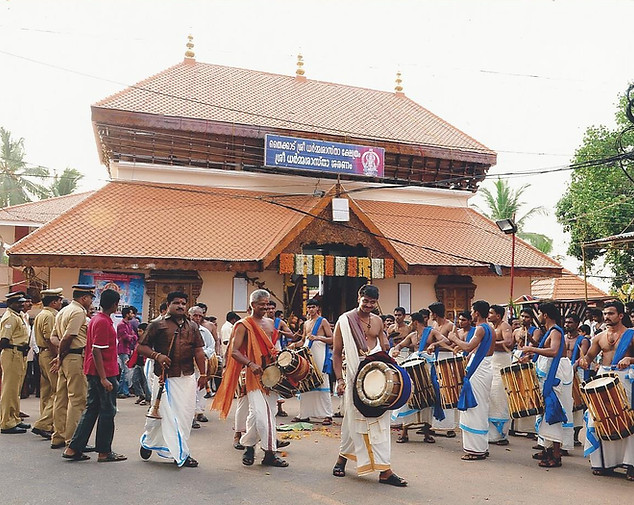
Sastha (Ayyappan) Temple
Sree Dharma Sastha Temple in Thycaud, Thiruvananthapuram, is a centuries-old shrine where the deity manifests as Dhanwanthari, the divine healer, holding the sacred blue lotus.
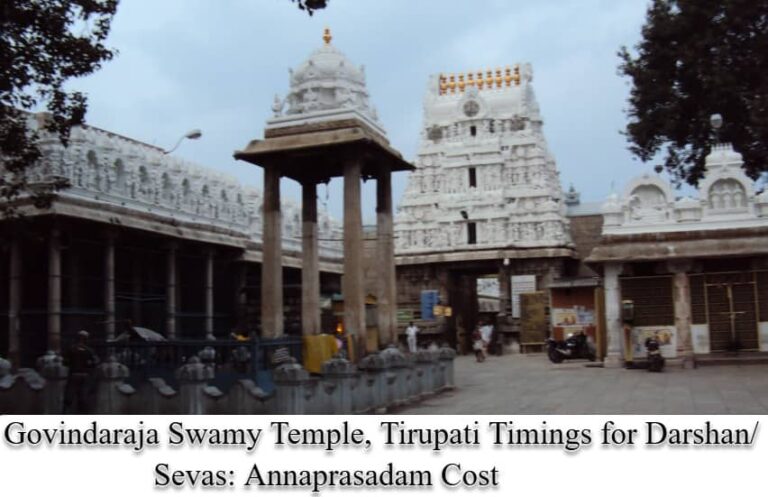
Govindarajaswamy Temple
Sri Govindarajaswamy Temple in Tirupati is an ancient Vaishnavaite shrine consecrated in 1130 AD by Saint Ramanuja, where the presiding deity rests in eternal Yoga Nidra on the serpent Adisesha.