
Hulimavu cave Temple
About Hulimavu cave Temple
The temple's origins trace to approximately the 16th century, a period when many cave sanctuaries across India were established or expanded as centers of ascetic practice. According to temple records, a saint named Sri Ramanand Swamiji performed extended spiritual discipline (tapas) within this cave over many years, and his samadhi—a shrine marking the place of his final resting—remains inside the temple. This history anchors the site not merely as a place of worship but as ground sanctified by the presence of a realized spiritual practitioner. The cave's natural formation, combined with its association with this ascetic lineage, has made it a destination for those seeking connection to Shiva's tradition.
Daily Worship and Darshan
The temple maintains regular hours for devotees to visit and offer prayers. Morning darshan runs from 6:00 to 12:00, while evening hours extend from 17:00 to 19:30. These timings allow both early risers and those visiting after work to access the sanctuary. The cave setting creates an intimate environment for worship, quite different from the experience of larger temple complexes. Visitors should be prepared for the natural conditions of a cave space—the temperature and lighting differ from outdoor or enclosed temple structures. Shiva temples typically welcome devotees of all backgrounds, though visitors should approach with respectful intention.
Facilities and Practical Information
The temple provides basic amenities for visitors, including an information counter, washroom facilities, drinking water, and parking. A shoe stand is available at the entrance, as is customary in Hindu temples where devotees remove footwear before entering the sacred space. These provisions, though modest, reflect consideration for pilgrims and casual visitors alike. The temple's location on Cave Temple Road near BGS National Public School makes it accessible within Bangalore's urban landscape, though the exact route should be confirmed before visiting, as local directions may vary.
Visiting Etiquette and Dress
Visitors to Shiva temples typically observe certain conventions. Modest dress is appropriate—clothing that covers shoulders and knees shows respect for the sacred space. The cave environment may be cool and damp, so practical footwear for the approach is advisable, though shoes are left outside the inner sanctum. Photography policies should be confirmed at the information counter, as many temples restrict images within the inner shrine. Offerings such as flowers, incense, or coconut are commonly made at Shiva temples; these can typically be purchased near the entrance or brought by devotees.
Ritual Opportunities
The temple facilitates various ritual practices for devotees. Traditional offerings such as Brahman Bhoj—the offering of food to priests or Brahmins—and Vastra Dan, the donation of clothing, can be arranged through the temple administration. These practices, rooted in Hindu tradition, are often performed during personal milestones or as acts of devotion. Visitors interested in performing specific rituals should contact the temple in advance to understand procedures and any associated contributions.
How to reach
You may also visit
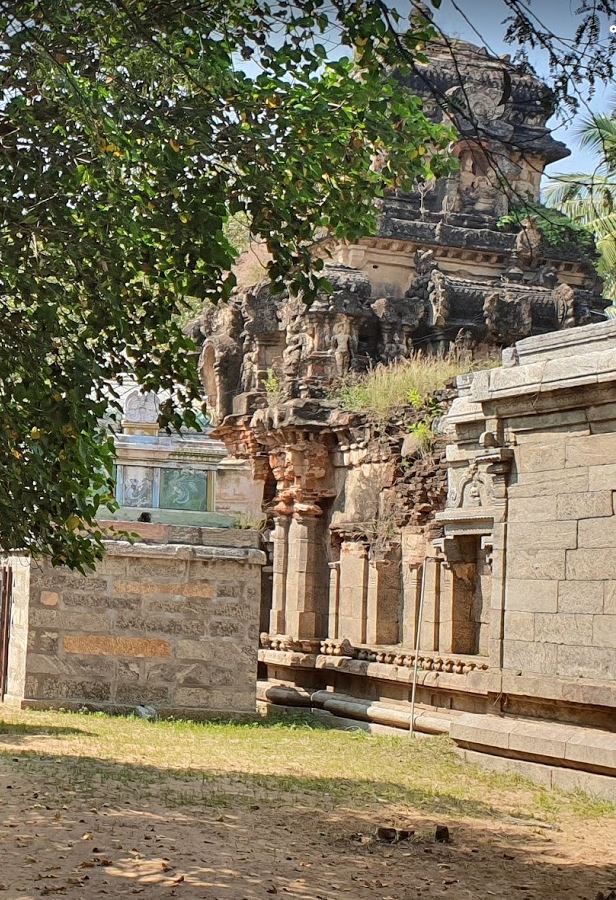
Agatheeswarar Temple, Karur
Agatheeswarar Temple in Thirumukkudalur, Karur district, is an ancient Hindu shrine dedicated to Shiva, situated at the sacred confluence of three rivers and believed to be over 1000 years old.
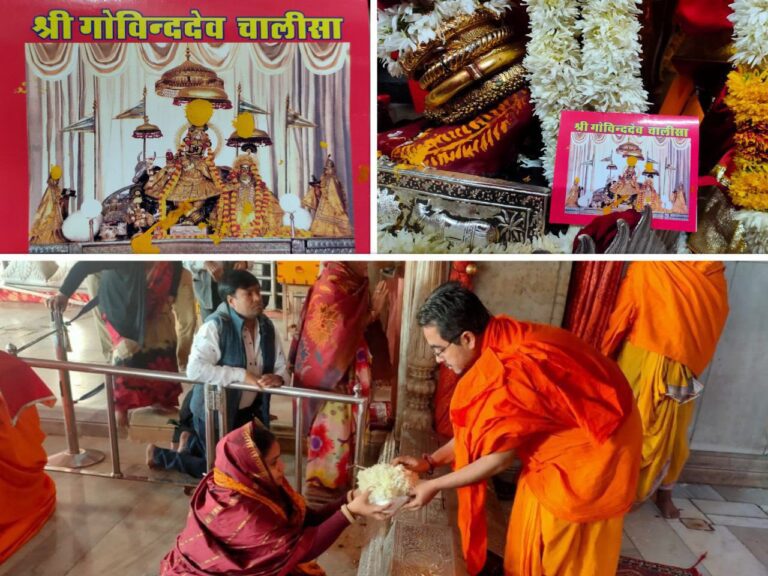
Kalyanji Temple
Kalyanji Temple in Jaipur's Chandpol Bazaar is an ancient Krishna shrine established in the 1820s, renowned for its seven daily aartis and special avatar darshan ceremonies during Akha Teej and Patottsav festivals.
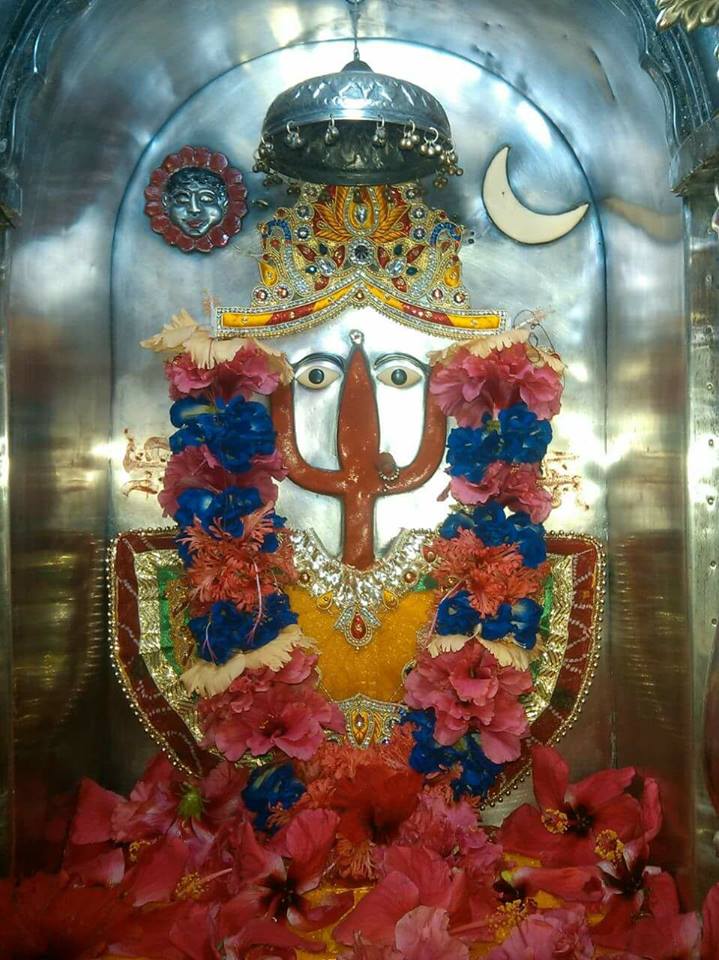
Rani Sati Mandir Mahuda
Rani Sati Mandir in Mahuda, Dhanbad District, is a Hindu temple established in 1992 that serves as a spiritual center for the local community and attracts devotees seeking blessings.