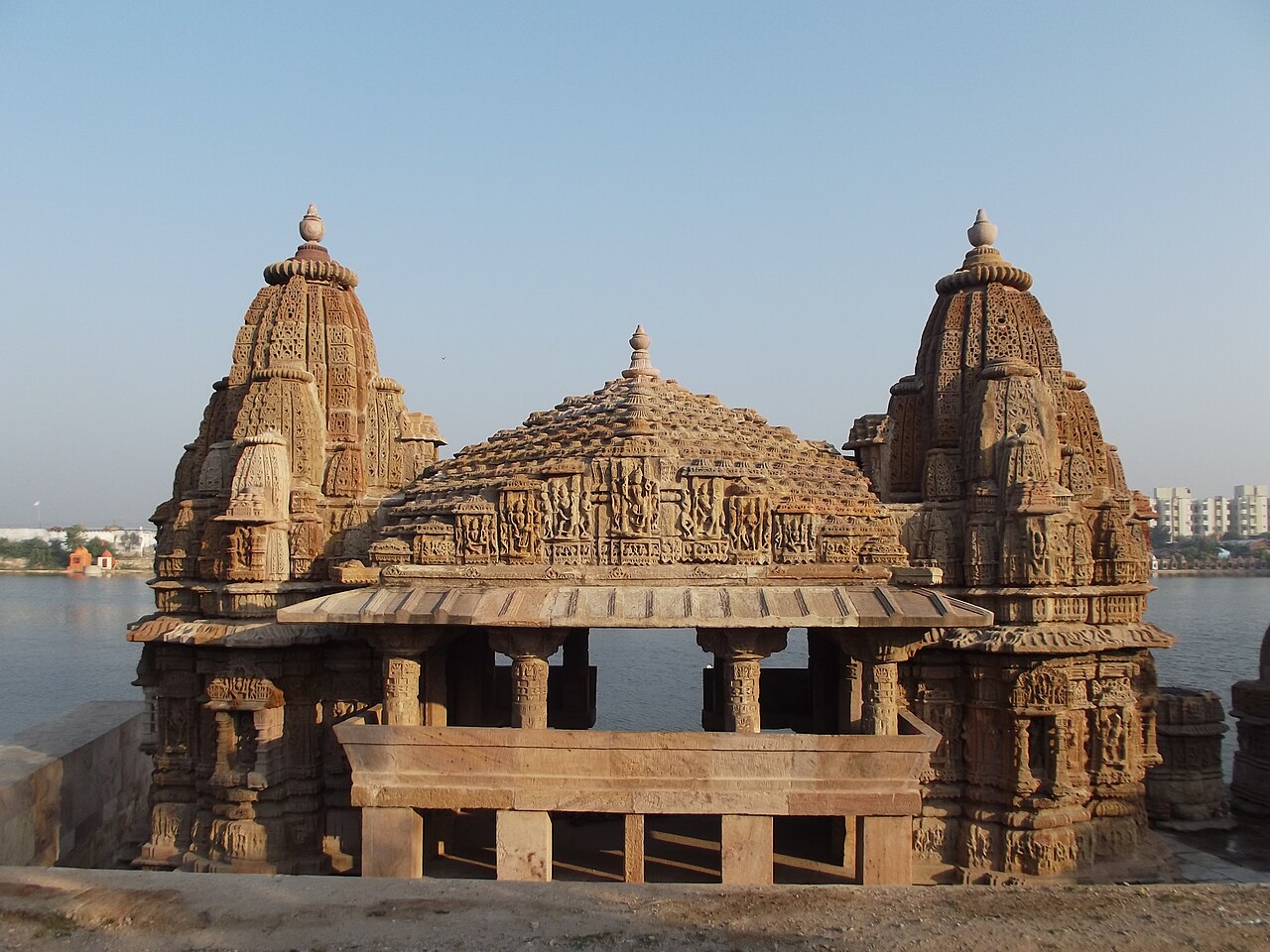
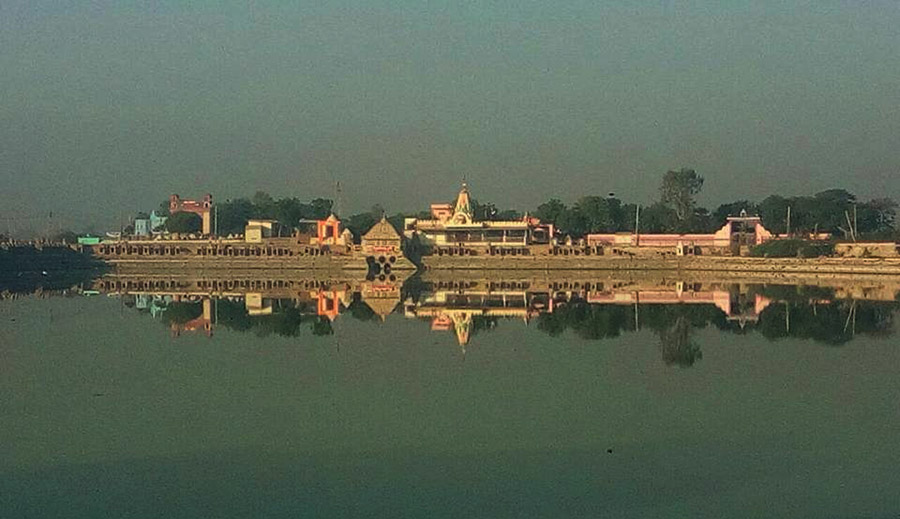
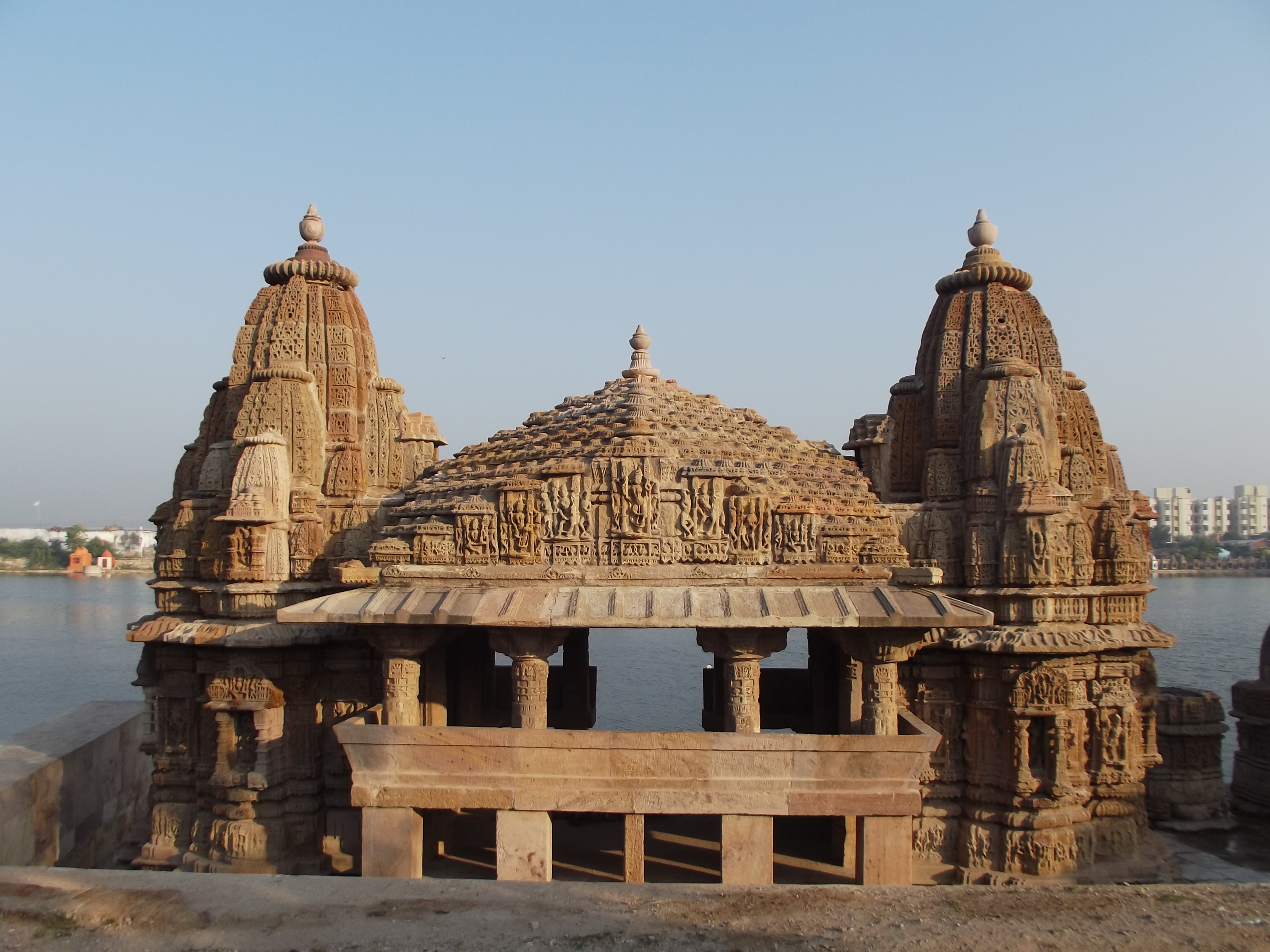
Munsar lake and shrines
About Munsar lake and shrines
The site is accessible daily from sunrise to sunset, allowing visitors to time their visit according to personal preference and the natural light available for darshan and photography. The cooler months from November through April represent the optimal period for travel to this location. During these months, the climate of Gujarat is more temperate, making outdoor exploration of the lake and surrounding shrines considerably more comfortable than during the hotter seasons.
Visitors should confirm current access arrangements directly with the shrine before travelling, as local conditions or maintenance work may occasionally affect opening hours. No formal ticketing system is recorded for this site.
The Landscape and Photography
Munsar Lake has gained recognition as a photography destination, drawing those interested in capturing both the natural setting and the devotional atmosphere of the shrines. The interplay of water, sky, and built structures creates visual compositions that appeal to photographers and visitors seeking to document their pilgrimage. The open-air nature of the site means that lighting conditions vary significantly throughout the day and across seasons, offering different aesthetic possibilities for those with cameras.
The sacred geography of the location—a lake surrounded by shrines—creates a landscape where movement and contemplation naturally occur together. Visitors typically find themselves walking the perimeter, pausing at different shrines, and absorbing the quieter rhythms of a water-centered sacred space.
Practical Information for Visitors
The precise internal layout of the shrines—which structures to visit first, the order of circumambulation, and the specific dedications of each shrine—remains unrecorded. Visitors arriving at the site should be prepared to explore and observe how other devotees move through the space, as this often provides guidance in the absence of formal signage or published maps.
Dress modestly when visiting shrines, following the general practice observed at Hindu sacred sites: covered shoulders and knees are customary. Footwear should be removed before entering shrine structures. Visitors should bring water and sun protection, particularly during the warmer months, as the site offers limited shade in many areas. Photography may be permitted, but it is respectful to observe whether other visitors or shrine attendants indicate any restrictions.
Location and Access
Munsar Lake and its shrines are situated in Viramgam Taluka within Ahmedabad District, in the state of Gujarat. The coordinates 23.122038, 72.043182 can be used with mapping applications to locate the site. Viramgam Taluka is accessible by road from Ahmedabad city, though specific transportation details and travel times should be confirmed with local resources or mapping services before departure.
The site's location in rural Gujarat means that visitors should plan their journey with attention to road conditions and local transport availability. Arriving during daylight hours is advisable, both for safety and to make full use of the sunrise-to-sunset access window.
Understanding the Site
The sources available provide limited detail about the specific history, founding dates, or individual dedications of the shrines at Munsar. This absence of recorded information is itself significant—it suggests a site whose spiritual importance may be primarily local or regional, maintained through community practice rather than documented institutional history. Many sacred sites in India function this way, their continuity ensured through generations of devotional activity rather than formal records.
Visitors approaching Munsar should come with openness to the site as it presents itself, rather than with expectations shaped by detailed prior knowledge. The combination of the lake, the shrines, and the landscape creates a devotional environment that invites contemplation and ritual participation.
How to reach
Temples near Munsar lake and shrines
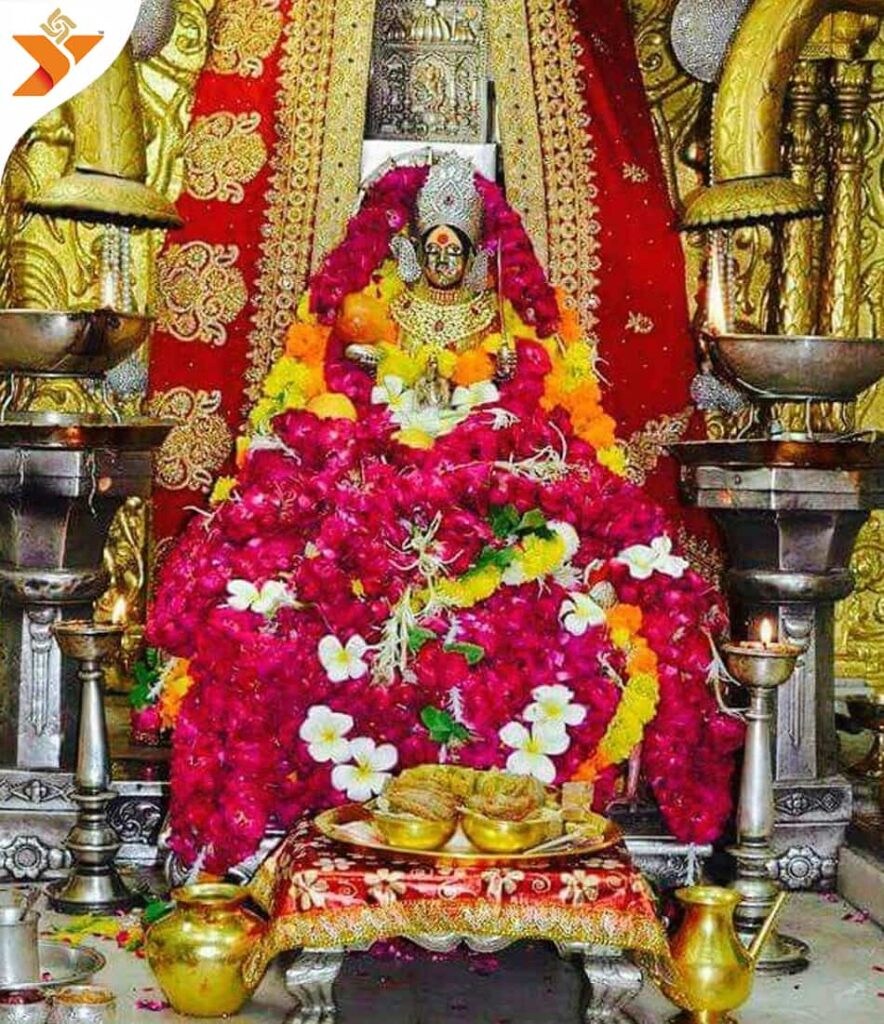
Bahuchar Mata Temple, Becharaji
Bahuchar Mata Temple in Becharaji, Gujarat, is a sacred Shakti Peetha dedicated to the goddess of fertility, revered especially by the hijra community and pilgrims seeking bless…

Sun Temple
Somnath Temple, the first of twelve sacred Jyotirlingas, stands on the Arabian Sea coast in Gujarat. Its current structure was consecrated in 1951 by India's first President.
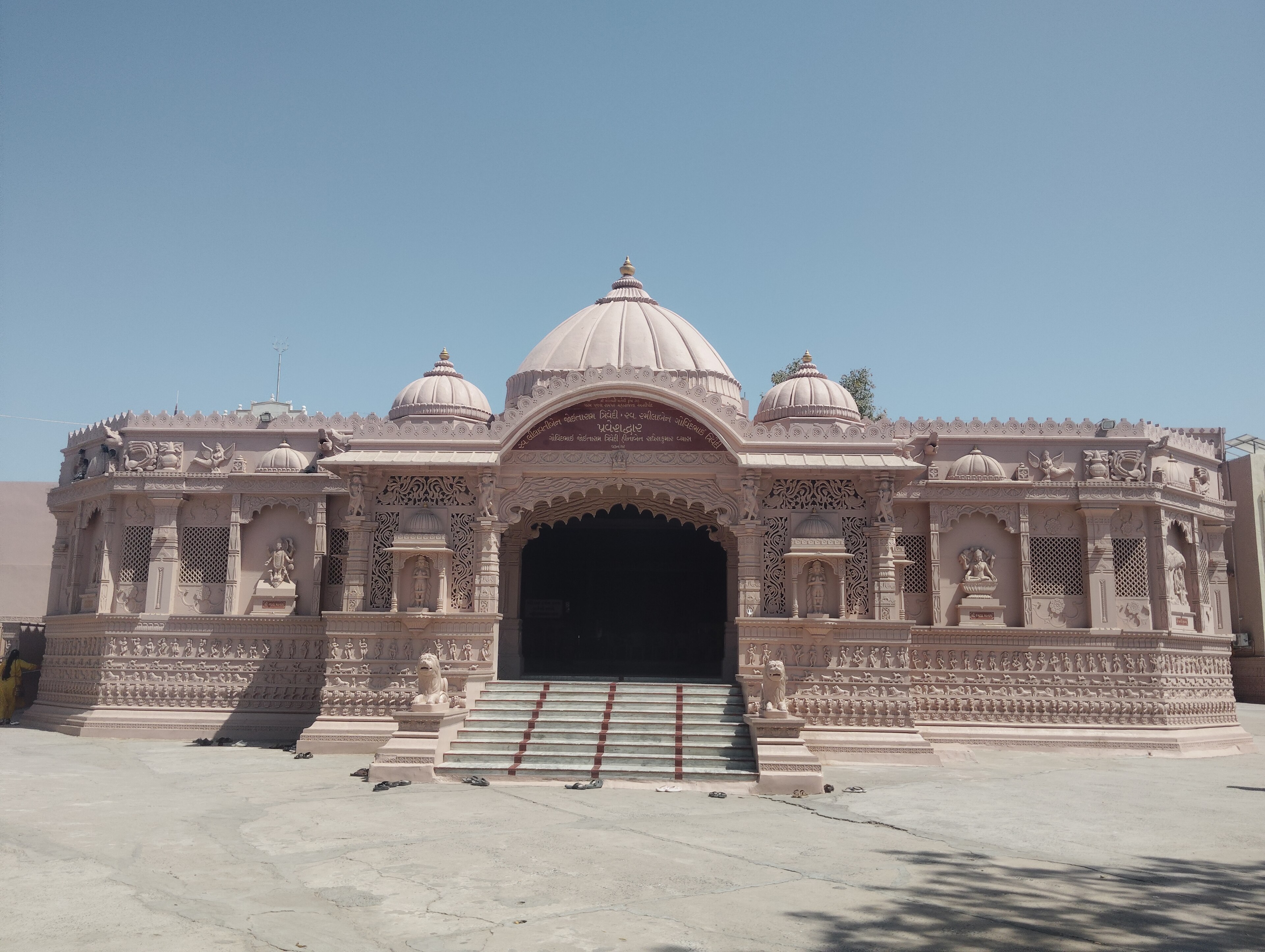
Modheshwari Temple, Modhera
Modheshwari Mata Temple in Modhera is an ancient shrine dedicated to the mother goddess Modheshwari, also known as Matangi Mata, constructed during the Solanki dynasty around 10…
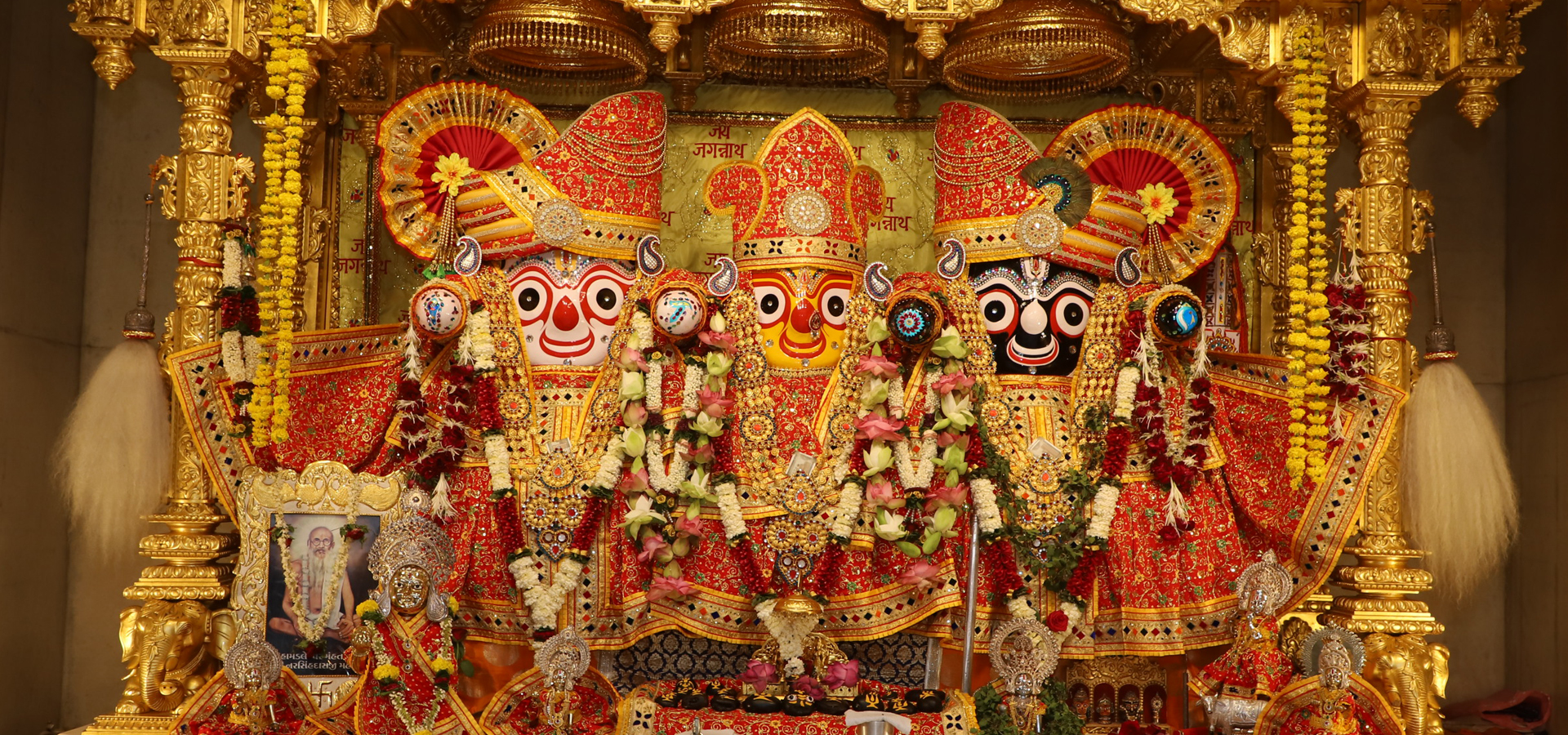
Jagannath Temple, Ahmedabad
The Jagannath Temple in Ahmedabad is renowned for hosting the third-largest Rath Yatra chariot festival in India, drawing devotees throughout the year for its extensive calendar…
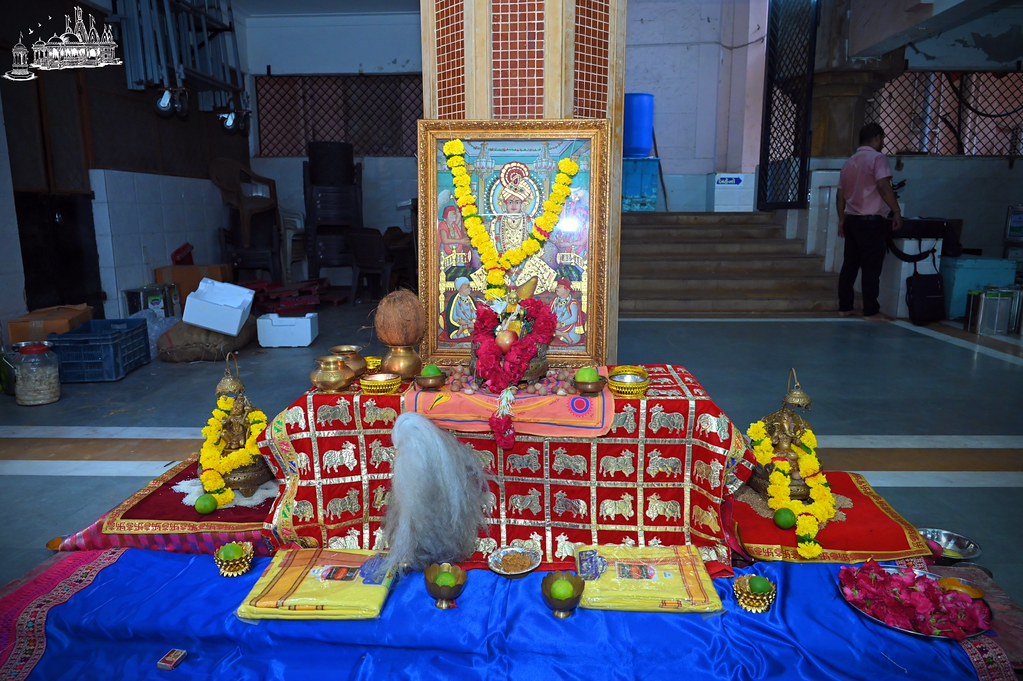
Kalupur Swaminarayan Mandir
The Kalupur Swaminarayan Mandir is the foundational temple of the Swaminarayan Sampraday, established in the early 19th century in Ahmedabad's historic Kalupur district. Built u…
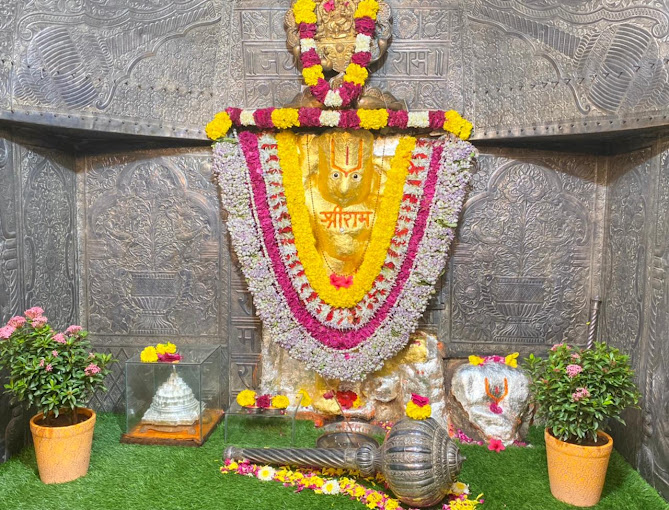
Camp Hanuman Temple
Camp Hanuman Temple is one of India's largest Hanuman temples, located in Ahmedabad Cantonment's Shahibaug area. Established in the 1920s, it serves as a major spiritual center…