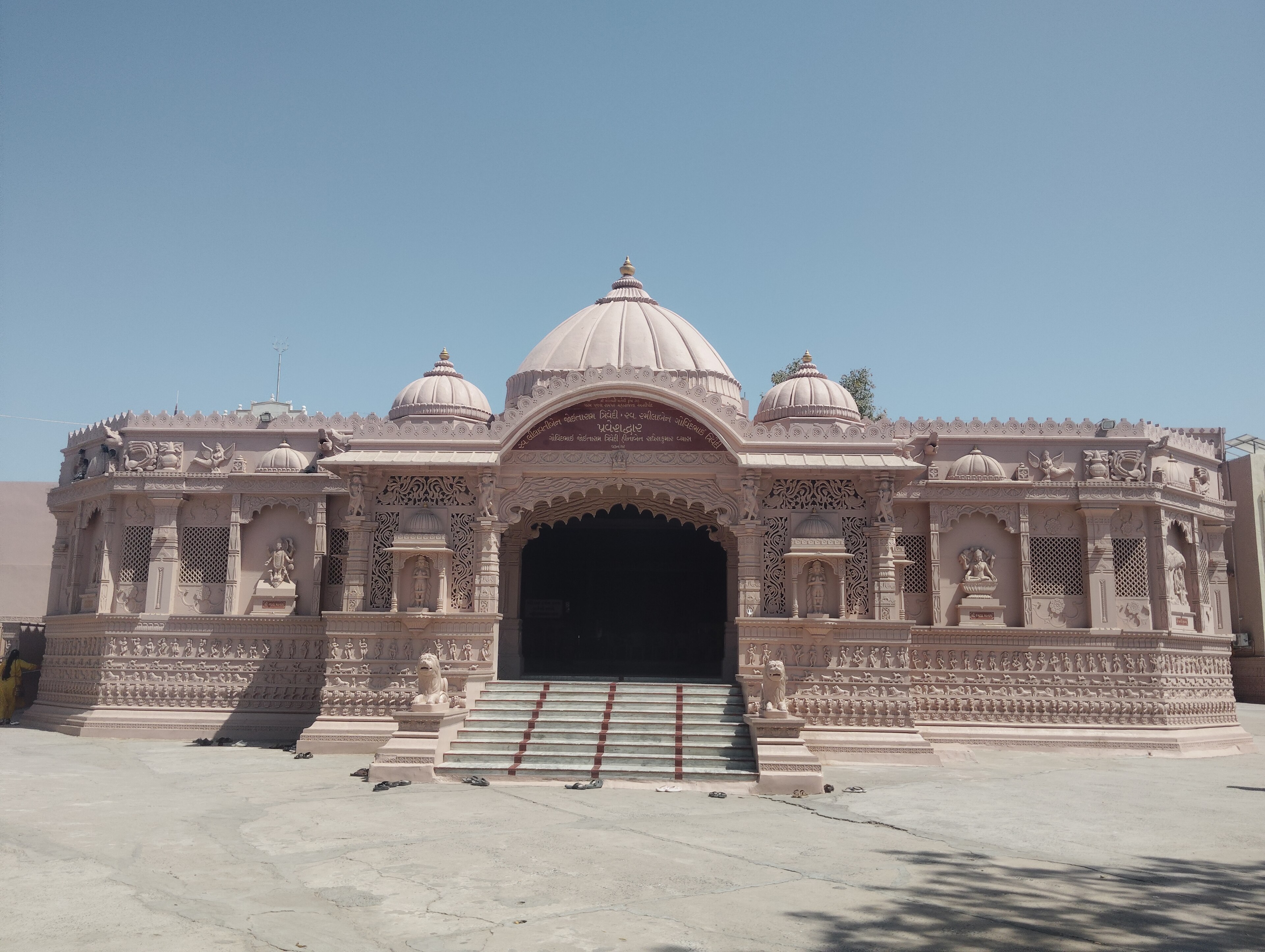
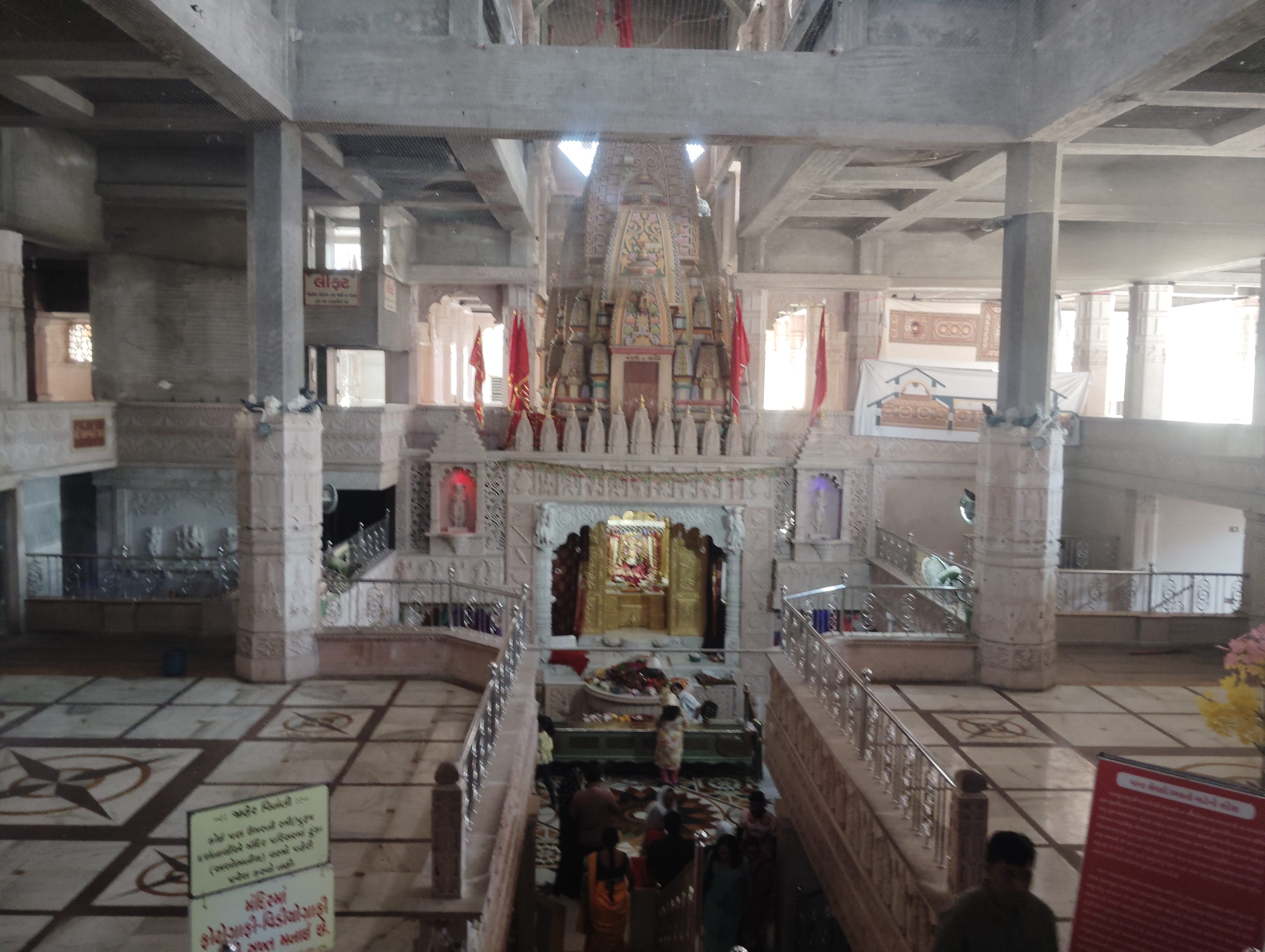
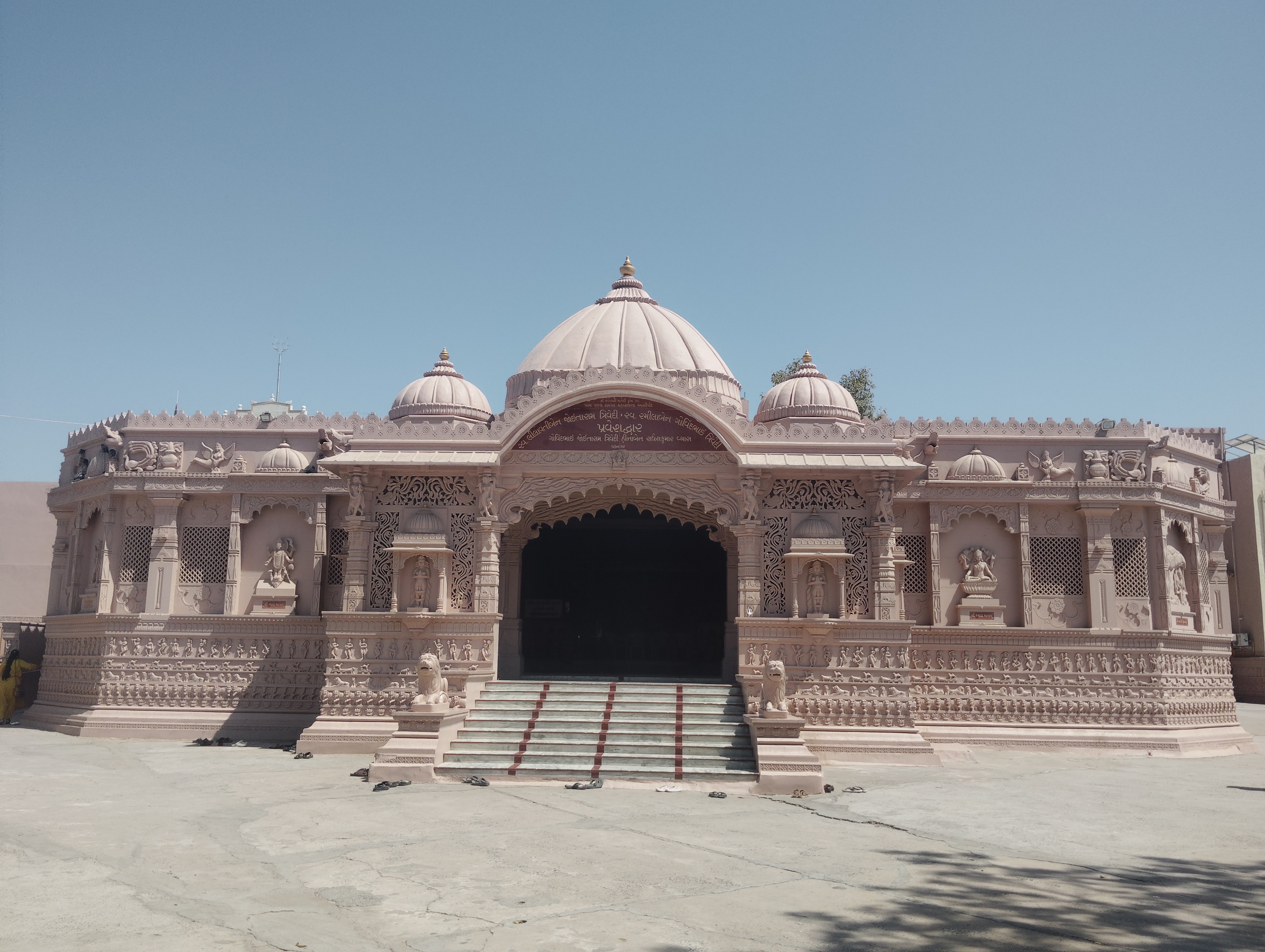
Modheshwari Temple, Modhera
About Modheshwari Temple, Modhera
The temple was built between 1026 and 1027 CE during the reign of Solanki dynasty king Bhima I, a period of significant temple construction across Gujarat. This dating places Modheshwari among the region's medieval Hindu temples, built during an era when the Solanki rulers actively patronized religious architecture. The temple thus represents both a spiritual center and a historical artifact of this dynastic period, though detailed architectural documentation from the sources is limited.
Daily Worship and Darshan
The temple maintains regular darshan hours for devotees. Morning darshan runs from 06:30 to 08:00, with the morning aarti performed at 07:30. Evening darshan is available from 19:00 to 20:00, with evening aarti at 19:00. These timings allow both early risers and those visiting after daily work to participate in worship. Visitors should plan their visit within these windows, as access outside these hours is not available.
The temple follows the ritual patterns typical of Shakti temples in Gujarat, with daily aartis marking the principal moments of worship. The aarti—the ceremonial offering of light to the deity—forms the centerpiece of devotional practice here, as in most Hindu temples.
Festivals and Celebrations
The temple comes alive during Navratri, the nine-night festival honoring the goddess in her various forms. Two Navratri periods occur annually: Chaitra Navratri (spring) and Ashwin Navratri (autumn). During these festivals, devotees gather for garba celebrations in the temple courtyard and participate in Navchandi Yagna, a ritual recitation honoring the goddess's power. These occasions draw substantial numbers of worshippers and mark the year's most significant observances at the temple.
Beyond Navratri, two other occasions receive special ritual attention. Bhai Dooj, celebrated in the Hindu calendar month of Kartik, brings crowds of devotees for darshan and special aartis. Devdiwali, observed in the same month, features elaborate worship including the mahaarti (grand aarti) performed with ceremonial implements. These festivals represent times when the temple's spiritual energy is particularly concentrated and when visitors are most likely to encounter large gatherings.
Visiting Information and Practical Details
Visitors should arrive during the published darshan hours: 06:30–08:00 in the morning or 19:00–20:00 in the evening. The temple is located in Modhera village, Mehsana district, at coordinates 23.58344, 72.1454. For inquiries, the temple can be reached at phone numbers 02734 284327 or 284214, or via email at matangimaamodheshvarimaa@gmail.com.
As with most Hindu temples, visitors are expected to remove footwear before entering the sanctum and to dress modestly. Women typically wear salwar kameez, sarees, or other traditional dress; men wear simple clothing. Photography policies should be confirmed upon arrival. The temple maintains a gaushala (cow shelter) as part of its charitable activities, reflecting the broader religious values of the institution.
Getting There
Modhera is located in Mehsana district in northern Gujarat. The village is accessible by road from Mehsana town and other nearby cities. Visitors traveling from outside the region should arrange transport to Modhera village and then to the temple location. The temple's contact information can provide specific directions and guidance for those unfamiliar with the area.
How to reach
Temples near Modheshwari Temple, Modhera

Sun Temple
Somnath Temple, the first of twelve sacred Jyotirlingas, stands on the Arabian Sea coast in Gujarat. Its current structure was consecrated in 1951 by India's first President.
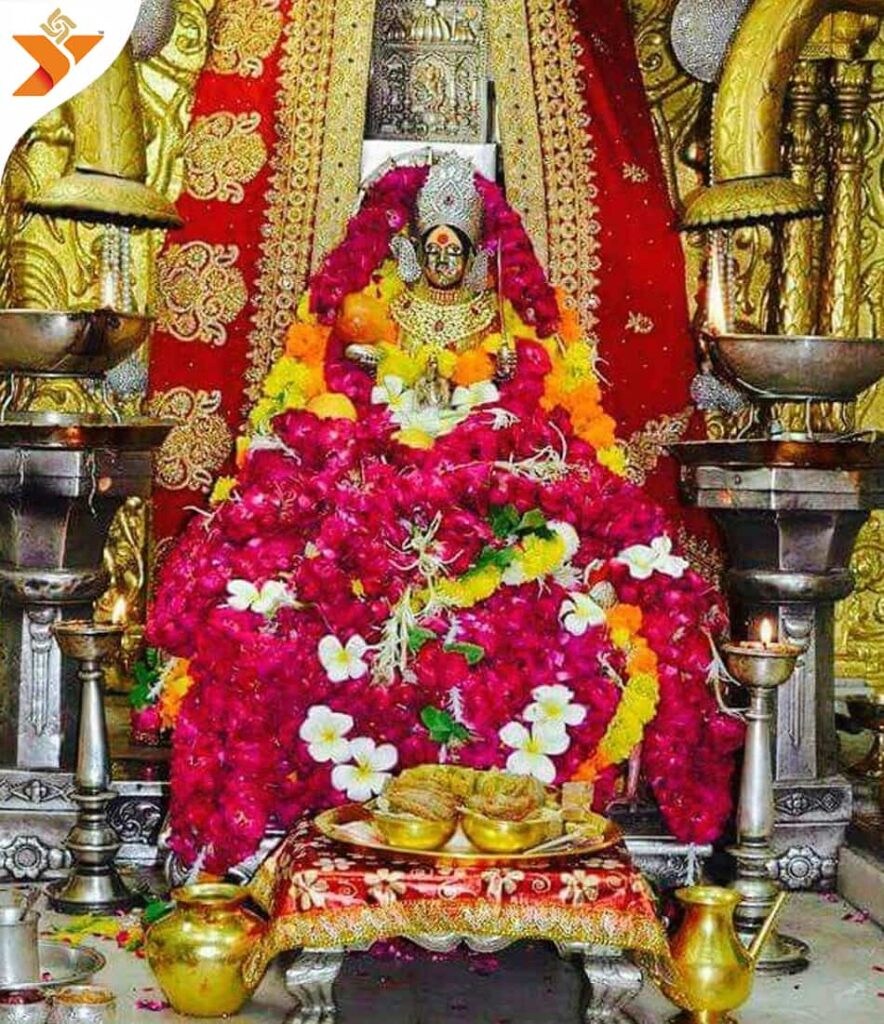
Bahuchar Mata Temple, Becharaji
Bahuchar Mata Temple in Becharaji, Gujarat, is a sacred Shakti Peetha dedicated to the goddess of fertility, revered especially by the hijra community and pilgrims seeking bless…
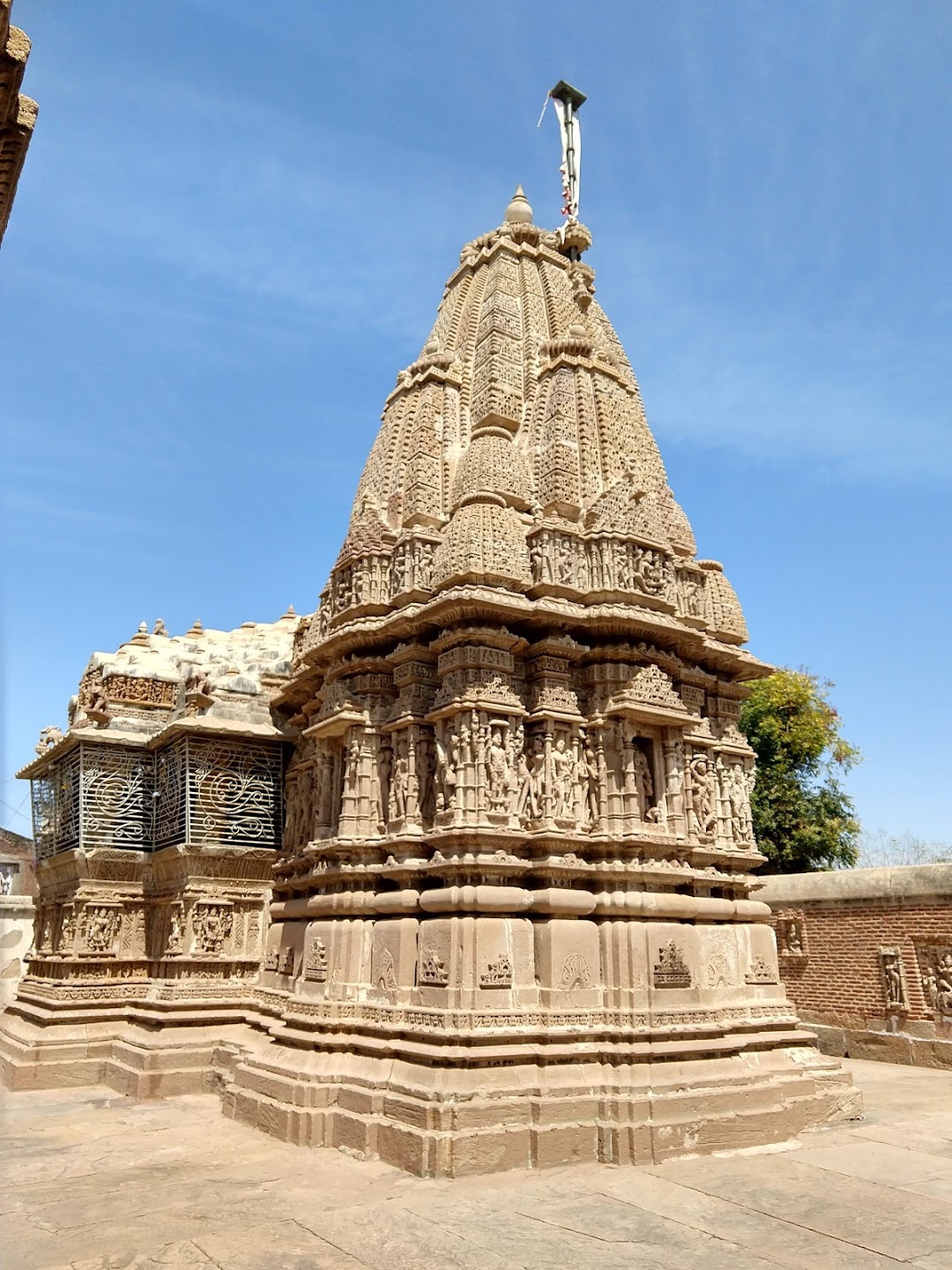
Limboji Mata Temple, Delmal
Limboji Mata Temple in Delmal, Gujarat is a revered Hindu pilgrimage site dedicated to Goddess Limboji, believed to fulfill devotees' wishes and provide spiritual protection.
Sitala Mata Temple, Butapaldi
Shitala Mata Temple in Butapaldi is a 12th-century Hindu shrine dedicated to goddess Shitala, showcasing refined Maru-Gurjara architectural craftsmanship with elaborate sculptur…
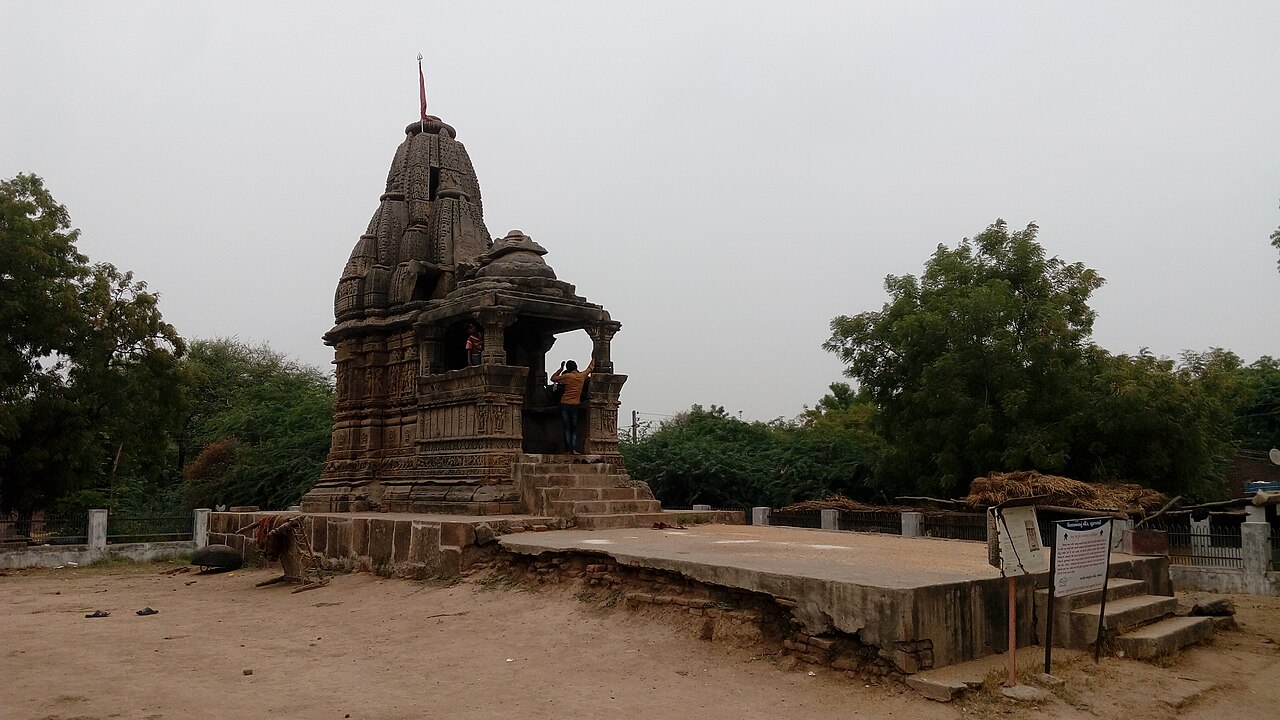
Shitala Mata Temple, Butapaldi
A twelfth-century Hindu temple in Gujarat's Mehsana district dedicated to goddess Shitala, featuring Maru-Gurjara architectural style and intricate stone carvings.
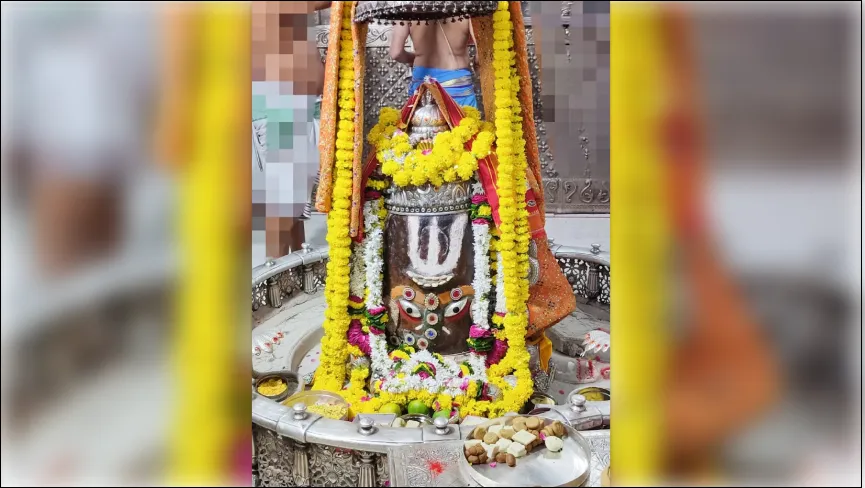
Nilkantheshwar Mahadev temple, Ruvavi
Nilkantheshwar Mahadev temple in Ruvavi, Patan, Gujarat is a Shiva shrine recognized as a Monument of National Importance, dedicated to Lord Shiva in his Nilkanth form.