
Manyamkonda
About Manyamkonda
The temple's origins are rooted in antiquity, with accounts suggesting that the cave has long been recognized as a sacred site. Local chieftains and regional rulers contributed to the temple's development over time, though specific dates and dynasties are not well documented in available sources. The modern structures surrounding the cave were constructed to accommodate the growing number of pilgrims, particularly during the annual Jathara festival when attendance increases significantly.
The temple's significance extends beyond its primary deity. Shrines dedicated to Shiva are also present at the site, reflecting what local tradition describes as a "Hari Hara" confluence—a meeting point of Vishnu and Shiva worship that is characteristic of many Hindu pilgrimage centers.
Darshan and Daily Practice
The temple opens daily from 5:00 AM to 8:00 PM, with a break from 1:00 PM to 4:00 PM. Visitors should plan their visit accordingly, as the midday closure is observed consistently. The cave setting creates a unique darshan experience, with the natural rock formations framing the shrine of the self-manifested deity.
A temple pond, known locally as the Koneru, is integral to the worship practice here. Devotees traditionally bathe in or take water from this pond as part of their spiritual observance, with the belief that such ritual bathing purifies one of accumulated sins. This practice reflects broader Hindu temple traditions where natural water sources are considered sacred and purifying.
The Annual Jathara Festival
The most significant religious observance at Manyamkonda is the annual Jathara, which coincides with Magha Masa (typically January to February). During this period, the temple experiences a substantial influx of pilgrims, and the festival is also referred to as the Brahmotsavam. The months of January and February are therefore identified as the best time to visit if one wishes to experience the temple during its most vibrant period, though visitors should be prepared for larger crowds during this season.
Devotional Intentions
Pilgrims visit Manyamkonda with various spiritual intentions. Common prayers include those for improved health, relief from financial hardship and debt, and success in new undertakings or ventures. The temple's reputation as a powerful spiritual center makes it a destination for those seeking divine intervention in life's challenges.
Practical Information for Visitors
The temple is located at coordinates 16.649622, 77.88718 in Manyamkonda, Mahabubnagar District. The hilltop location means visitors should be prepared for some walking, particularly if approaching from the base of the hill. Appropriate footwear and modest dress are advisable, as is the case at most Hindu temples. The forest setting and natural cave environment mean that the temple retains a relatively serene atmosphere outside of festival periods.
Visitors should note the midday closure and plan their darshan accordingly. The early morning hours (5:00 AM to 1:00 PM) and late afternoon to evening hours (4:00 PM to 8:00 PM) are available for worship. Those traveling from Mahabubnagar town or from Karnataka should allow time for the journey to the hilltop location.
How to reach
Temples near Manyamkonda
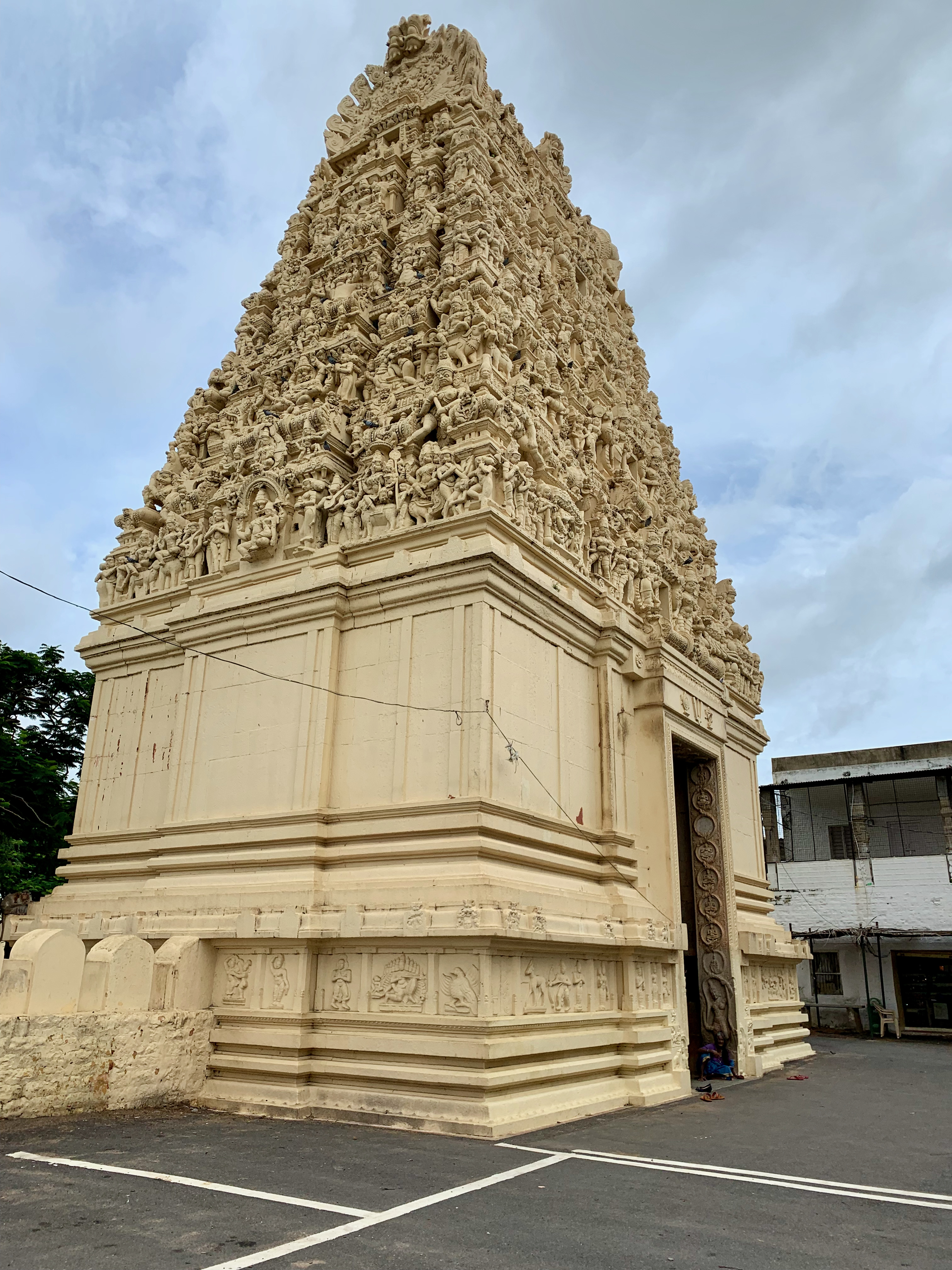
Sri Ranganayaka Swamy Temple
Sri Ranganayaka Swamy Temple, established in the 18th century AD by Raja Baheri Gopal Rao of Wanaparthy Samasthanam, is a Vaishnavite shrine dedicated to Lord Ranganatha in his…
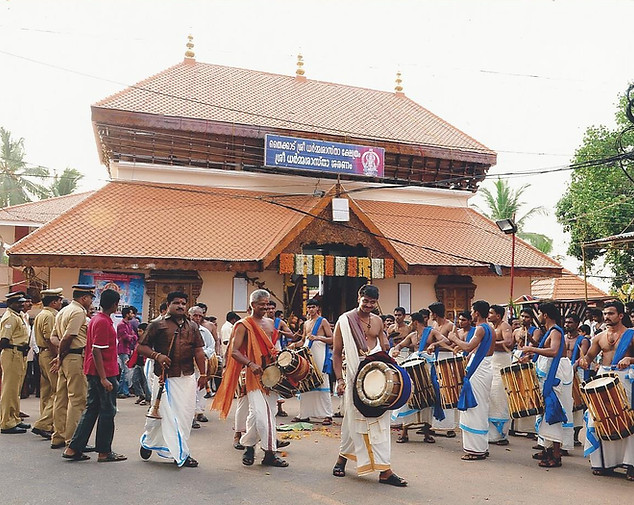
AnjaneyaSwamy Temple, Beechupally
AnjaneyaSwamy Temple in Beechupally is a 16th-century shrine dedicated to Hanuman, situated near the sacred Krishna River in Telangana's Jogulamba Gadwal District.

Alampur Jogulamba Temple
Jogulamba Temple in Alampur, Telangana, is one of eighteen Maha Shakti Peethas dedicated to Goddess Jogulamba, a manifestation of Shakti. The temple shares its complex with the…
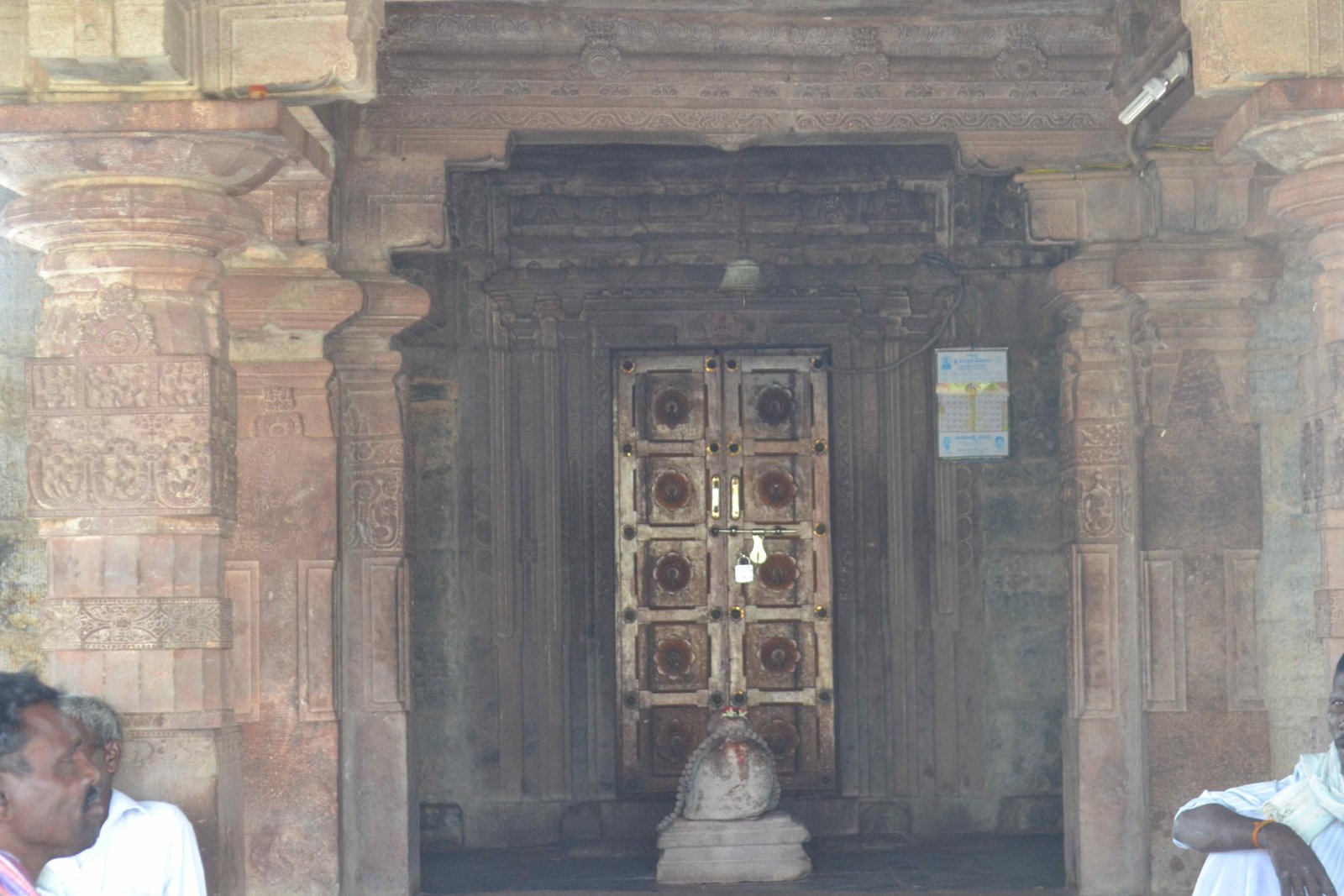
Jogulamba Temple, Alampur
Jogulamba Temple in Alampur, Telangana, is a sacred Shakti Peeth dedicated to Goddess Jogulamba and stands among eighteen of the most significant shrines in Shaktism. Located on…

Alampur Navabrahma Temples
A complex of nine early Chalukyan temples from the 7th–8th century dedicated to Shiva, located on the banks of the Tungabhadra river in Telangana. The site also houses the Jogul…
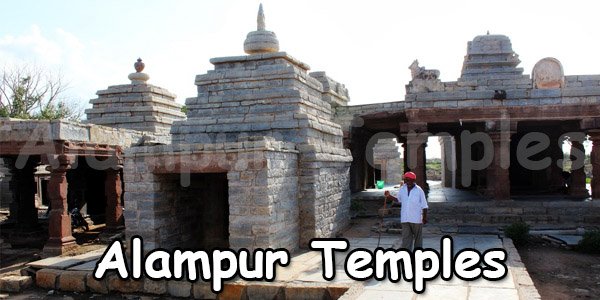
Alampur Papanasi Temples
A cluster of twenty-three Hindu temples dating from the 9th to 11th centuries, relocated to southwest of Alampuram village in Telangana, featuring Nagara architecture and dedica…