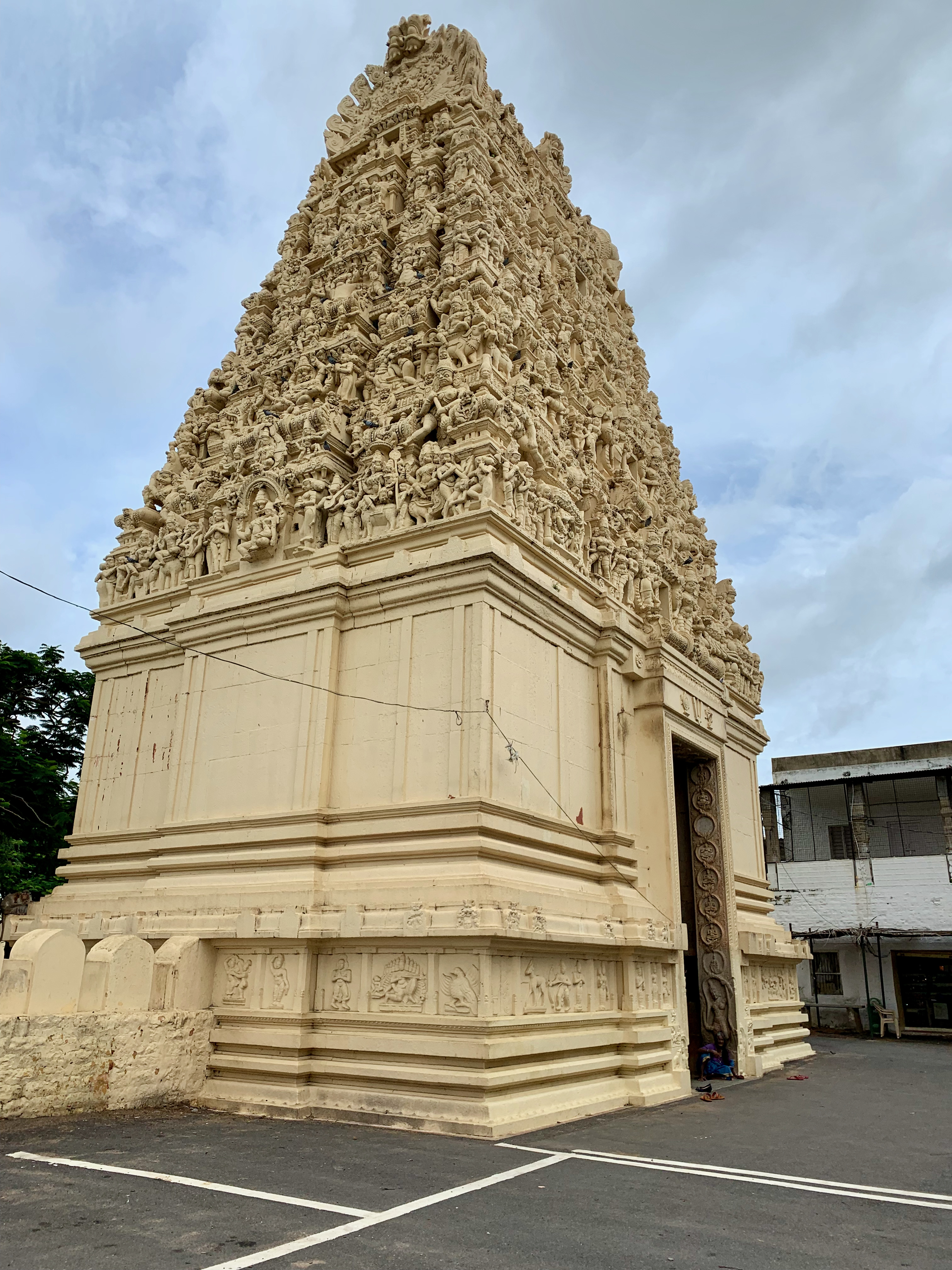
Sri Ranganayaka Swamy Temple
About Sri Ranganayaka Swamy Temple
The temple's founding by Raja Baheri Gopal Rao places it within the broader context of 18th-century temple construction in the Deccan. During this period, local rulers and administrators commissioned the building of temples as expressions of devotion and as centres for community life. The naming of the temple after Ranganatha—a form of Vishnu particularly associated with sacred temple towns—suggests the ruler's alignment with established Vaishnavite practices and theology.
The temple has endured for over two centuries, serving as a place of worship and pilgrimage for devotees in the region.
Visiting the Temple
The best time to visit is between October and March, when the weather is pleasant and suitable for travel and outdoor activities. Early morning visits are recommended for those seeking a quieter darshan experience with fewer crowds. Visitors should dress modestly and respectfully, as is customary in Hindu temples. Footwear is typically removed before entering the inner sanctum, and menstruating women may wish to check current temple practices regarding entry to certain areas, as these vary by temple tradition.
The temple's exact opening hours and darshan timings should be confirmed with temple authorities before your visit, as schedules may vary seasonally or during festivals and special rituals.
The Deity and Worship
Ranganatha, the form of Lord Vishnu worshipped here, is traditionally depicted in a reclining posture on the cosmic serpent Ananta. This iconography carries deep symbolic meaning in Vaishnavite philosophy, representing the deity's transcendent nature and his role as the sustainer of the cosmos. Temples dedicated to Ranganatha typically follow established ritual practices rooted in Vaishnavite theological traditions, with daily worship conducted according to prescribed liturgical procedures.
Devotees visit the temple to seek the blessings of the deity, and the temple serves as a focal point for spiritual practice and community gathering.
Location and Access
The temple is situated at coordinates 16.198, 78.049 in Wanaparthy District. The village of Shri Rangapur is accessible via Pebbair, which serves as a reference point for navigation. Visitors travelling from major cities in Telangana should plan their route via Wanaparthy town. Local transport options and road conditions should be checked before travel, particularly during the monsoon season outside the recommended October to March window.
Accommodation options in the immediate vicinity may be limited, so visitors are advised to enquire locally or plan stays in nearby towns with better facilities.
Practical Information for Visitors
Before visiting, confirm current temple timings and any restrictions or special observances with the temple administration. Photography policies vary by temple; it is respectful to ask permission before taking photographs inside the sanctum or during worship. Donations and offerings are typically accepted, and visitors may participate in prasadam (blessed food) distribution if available.
The temple welcomes pilgrims and visitors throughout the year. Those planning to visit during festivals or on significant dates in the Hindu calendar should verify schedules in advance, as special rituals and increased crowds may affect normal darshan arrangements.
How to reach
Temples near Sri Ranganayaka Swamy Temple
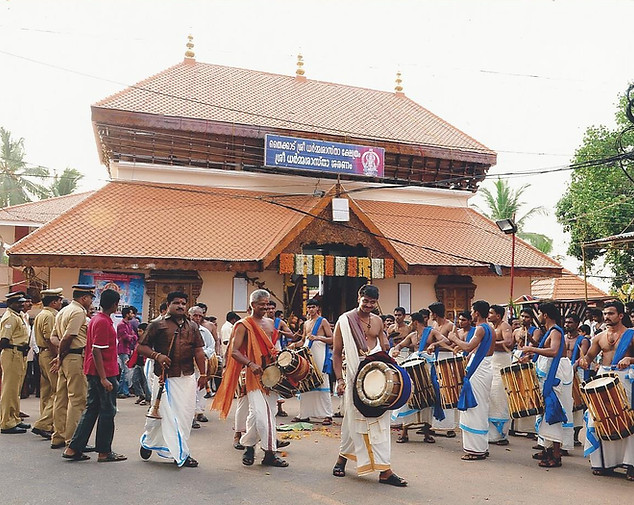
AnjaneyaSwamy Temple, Beechupally
AnjaneyaSwamy Temple in Beechupally is a 16th-century shrine dedicated to Hanuman, situated near the sacred Krishna River in Telangana's Jogulamba Gadwal District.

Alampur Jogulamba Temple
Jogulamba Temple in Alampur, Telangana, is one of eighteen Maha Shakti Peethas dedicated to Goddess Jogulamba, a manifestation of Shakti. The temple shares its complex with the…
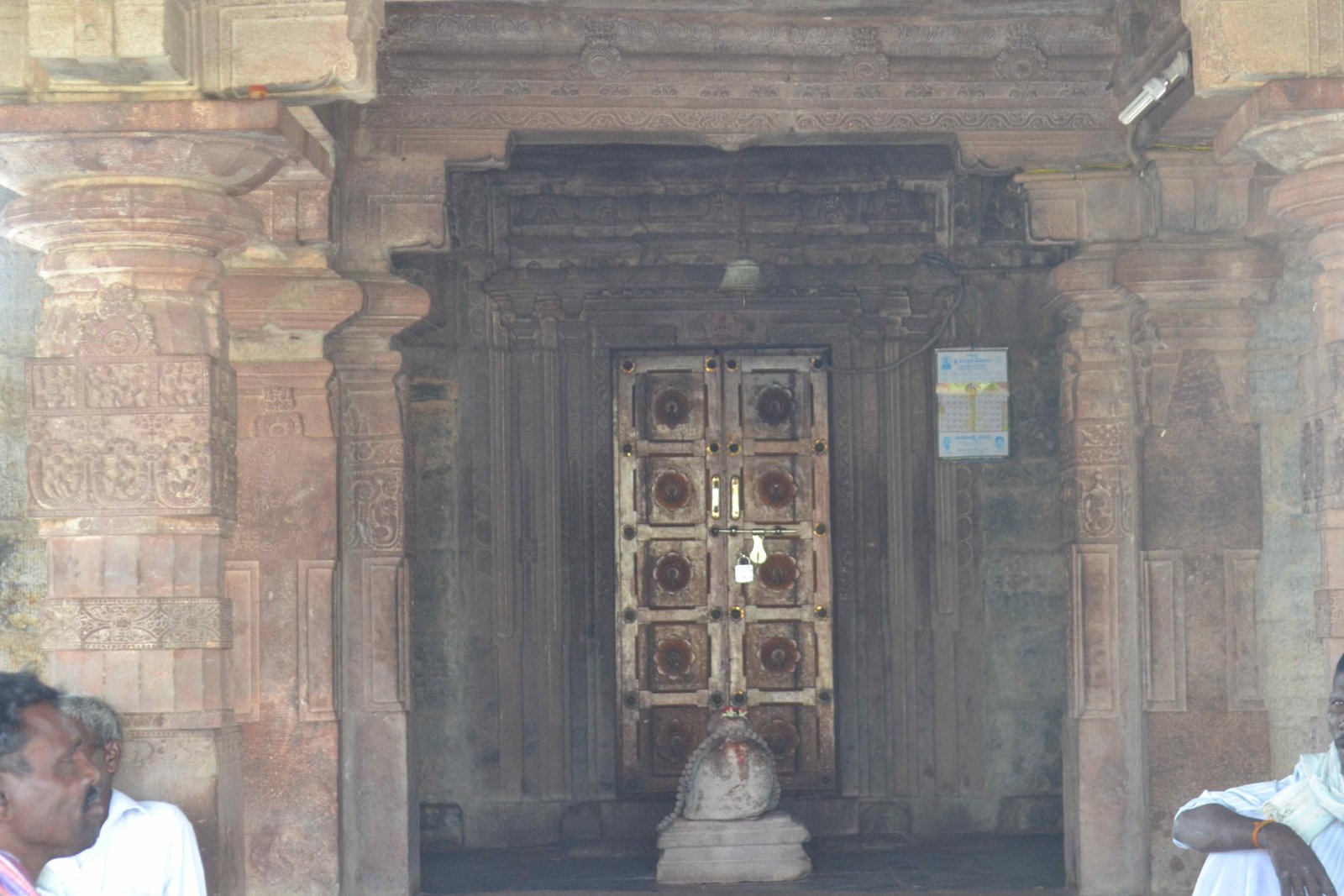
Jogulamba Temple, Alampur
Jogulamba Temple in Alampur, Telangana, is a sacred Shakti Peeth dedicated to Goddess Jogulamba and stands among eighteen of the most significant shrines in Shaktism. Located on…

Alampur Navabrahma Temples
A complex of nine early Chalukyan temples from the 7th–8th century dedicated to Shiva, located on the banks of the Tungabhadra river in Telangana. The site also houses the Jogul…
Alampur Papanasi Temples
A cluster of twenty-three Hindu temples dating from the 9th to 11th centuries, relocated to southwest of Alampuram village in Telangana, featuring Nagara architecture and dedica…
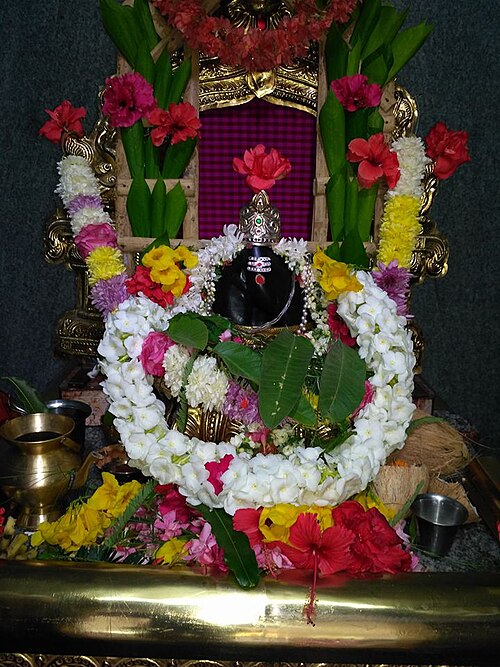
Swayambhu Sri Abhista Gnana Ganapathi Temple
The Swayambhu Sri Abhista Gnana Ganapathi Temple is a Hindu shrine dedicated to Ganesha located in Kurnool district, Andhra Pradesh, India.