Jogulamba Temple, Alampur
About Jogulamba Temple, Alampur
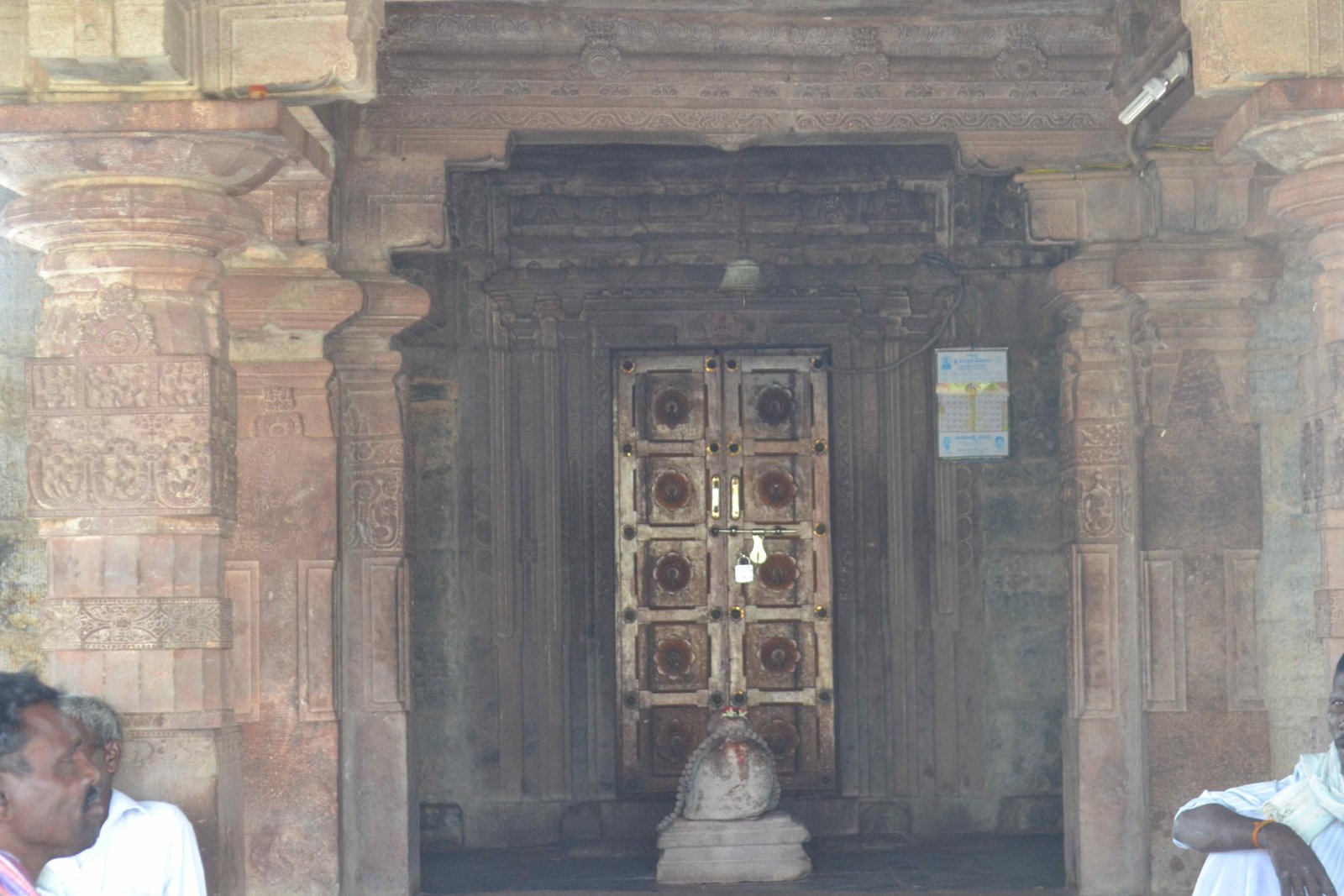
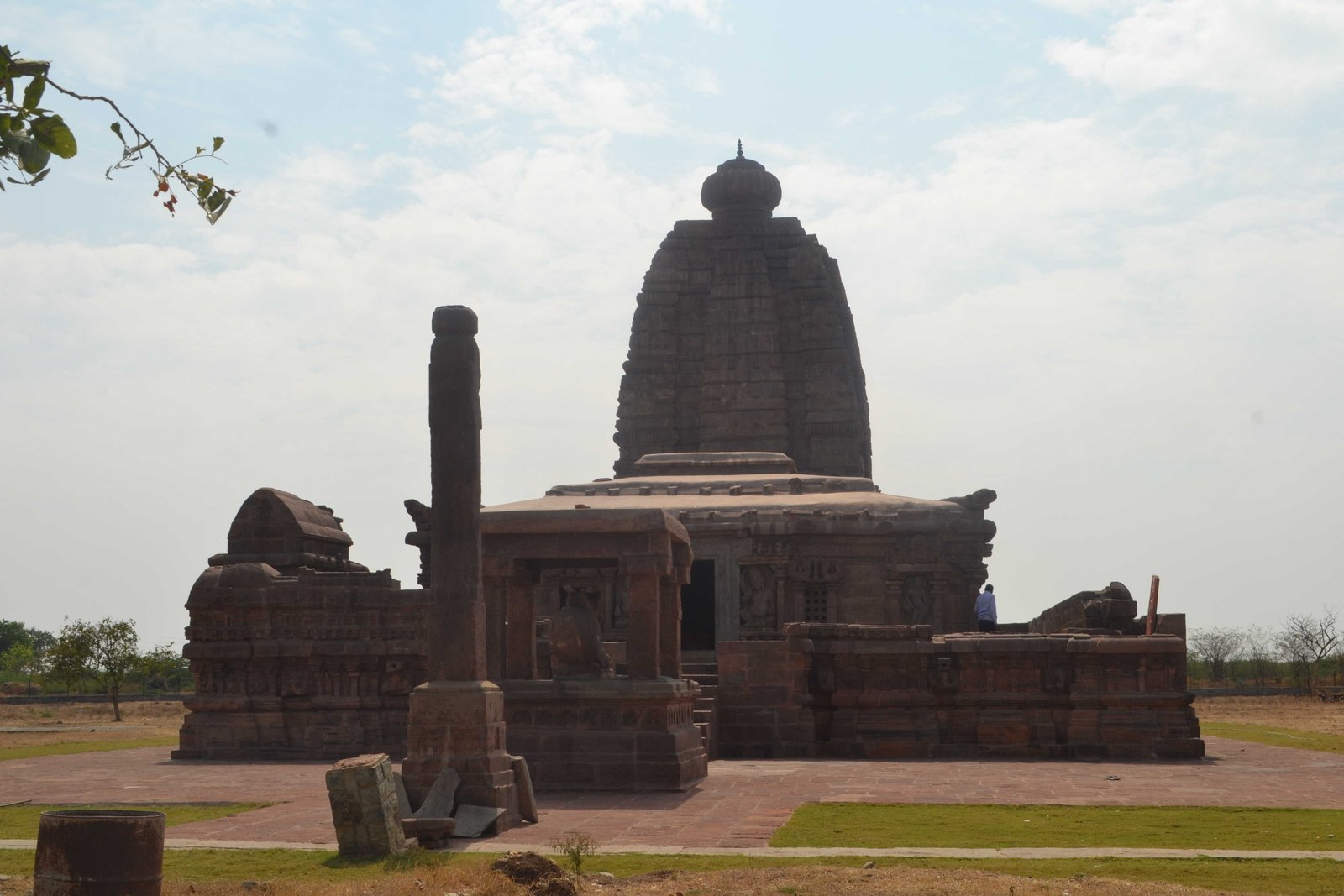
Jogulamba Temple was established between the seventh and eighth centuries CE, placing it among India's medieval-period temple constructions. The temple does not stand in isolation but forms part of a larger sacred complex—the Navabrahma Temples, a group of nine Shiva temples built during the same period. This architectural and spiritual clustering reflects the interconnected nature of Hindu sacred spaces, where different manifestations of the divine are honored within a shared sanctuary.
The antiquity of these structures speaks to centuries of continuous worship and pilgrimage at Alampur, making it a site of enduring religious significance.
Daily Darshan and Worship
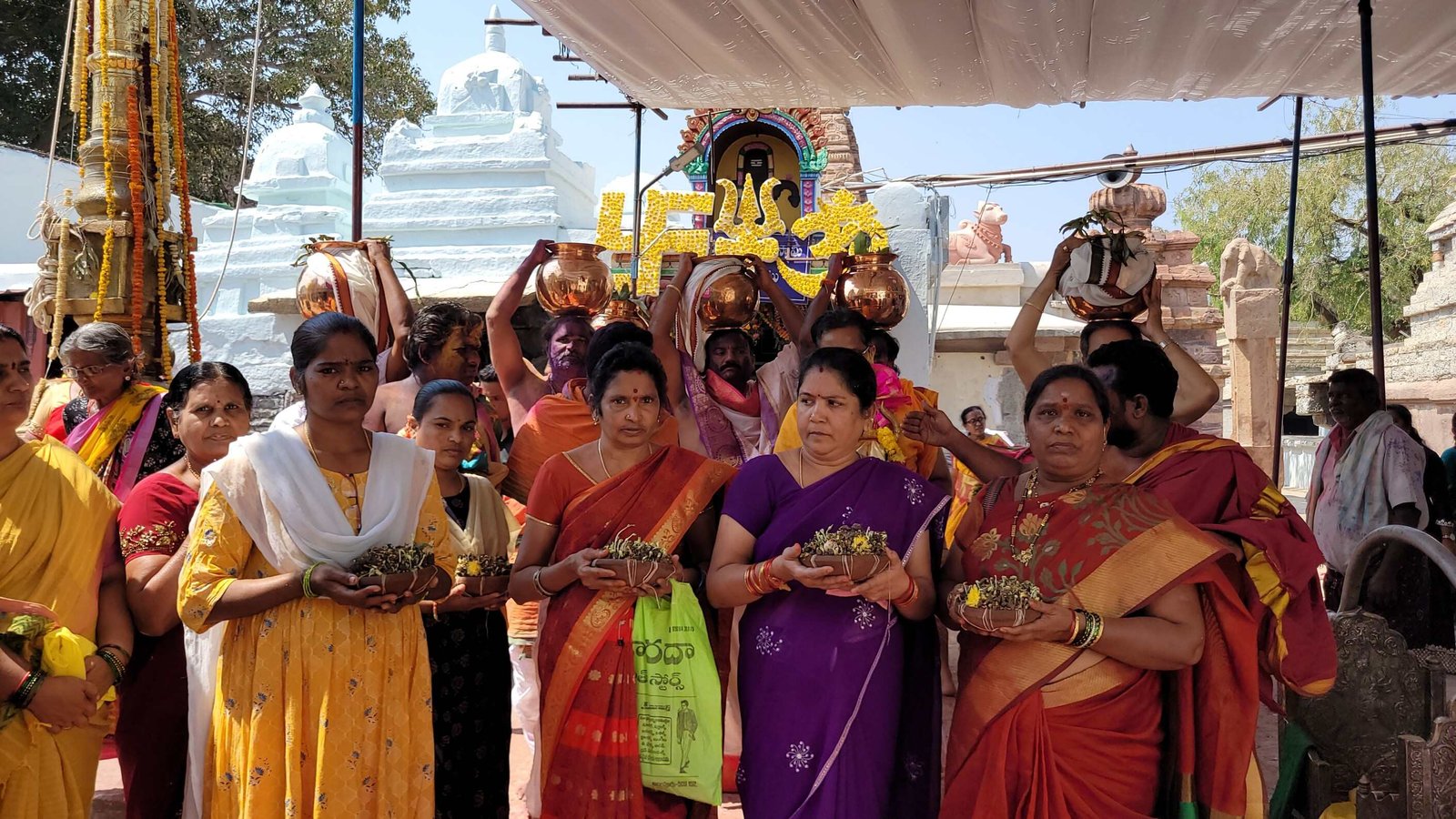
The temple maintains two daily darshan periods: morning hours from 6:00 AM to 12:00 PM, and evening hours from 4:00 PM to 9:00 PM. Both morning and evening aartis are performed, marking the principal ritual moments of the day when the deity is formally worshipped with light, sound, and devotional offerings. These aartis represent the temple's rhythm of worship and offer visitors opportunities to participate in communal religious practice.
Devotees typically plan their visits around these darshan windows, with many preferring the cooler morning hours for their pilgrimage. The specific timing of aartis may vary with seasonal changes and festival observances, so confirmation upon arrival is advisable.
Best Time to Visit
The months from October through March offer the most favorable conditions for visiting Alampur. During this period, temperatures are moderate, and the climate supports comfortable travel and extended time spent in prayer and reflection. The cooler weather also makes the riverside location more pleasant for pilgrims.
The summer months, by contrast, bring intense heat to the region, which can make outdoor pilgrimage challenging. The monsoon season brings heavy rainfall that may affect travel and access to the temple complex.
Practical Information for Visitors
Jogulamba Temple is located in Alampur, Telangana, at coordinates 15.877, 78.132. Visitors should plan to arrive during the designated darshan hours and allow sufficient time for worship without rushing. As with most Hindu temples, modest dress is customary—clothing that covers shoulders and knees shows respect for the sacred space.
The temple complex includes the Navabrahma Temples alongside the main shrine, allowing visitors to explore multiple sacred structures within the same area. Those wishing to arrange special pujas, VIP darshan slots, or assistance with logistics can contact temple coordinators in advance through official channels. The riverside setting means visitors should be prepared for outdoor walking and may wish to bring water and sun protection during warmer months.
Spiritual Significance for Pilgrims
For followers of Shaktism, a pilgrimage to one of the Maha Shakta Pithas represents a profound spiritual undertaking. Jogulamba Temple's inclusion among these eighteen most sacred shrines makes it a destination of considerable importance for those devoted to the worship of Shakti in her various forms. The temple attracts pilgrims seeking blessings, spiritual transformation, and connection with the divine feminine principle.
The convergence of the Tungabhadra and Krishna rivers adds another layer of sanctity, as river confluences hold special significance in Hindu pilgrimage tradition. Visitors often combine their temple worship with ritual bathing in these waters, a practice that deepens the spiritual experience of their journey.
How to reach
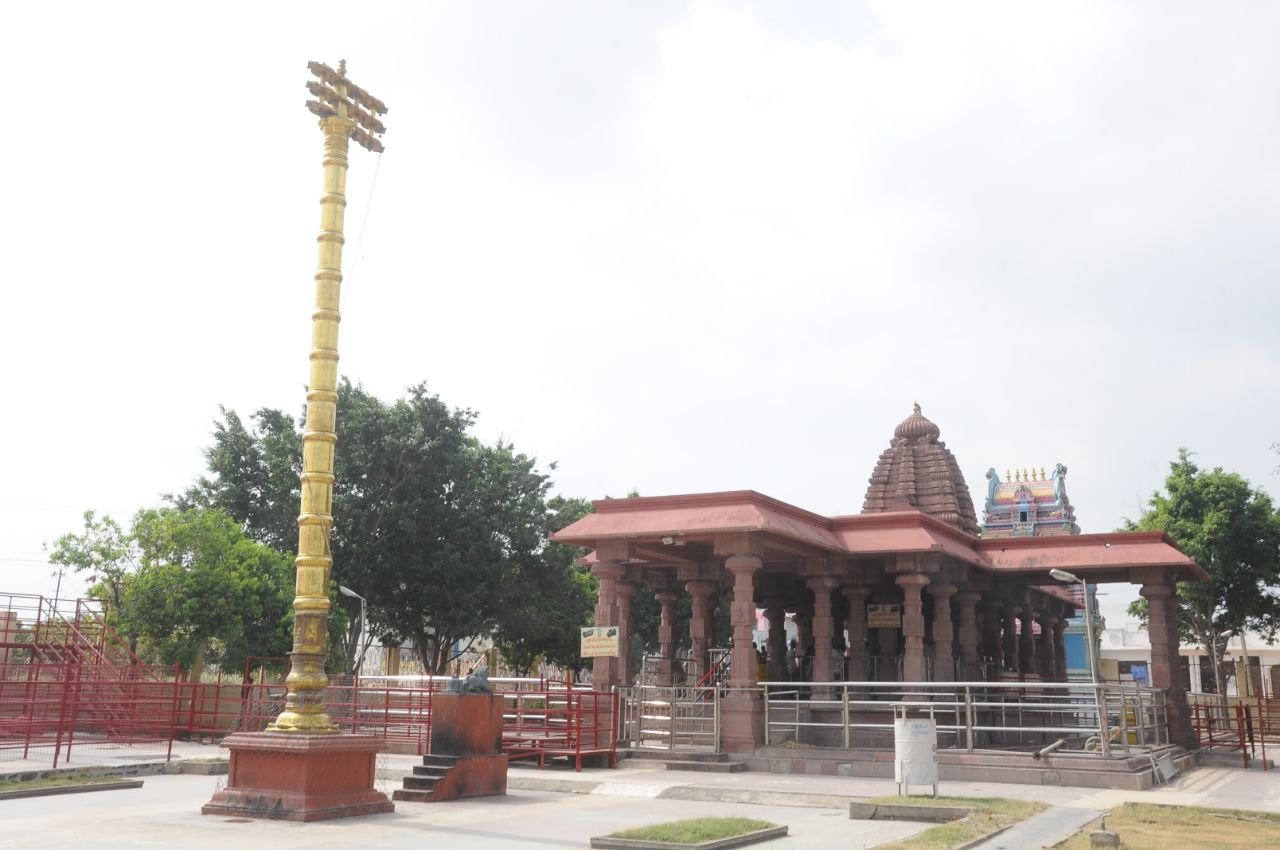

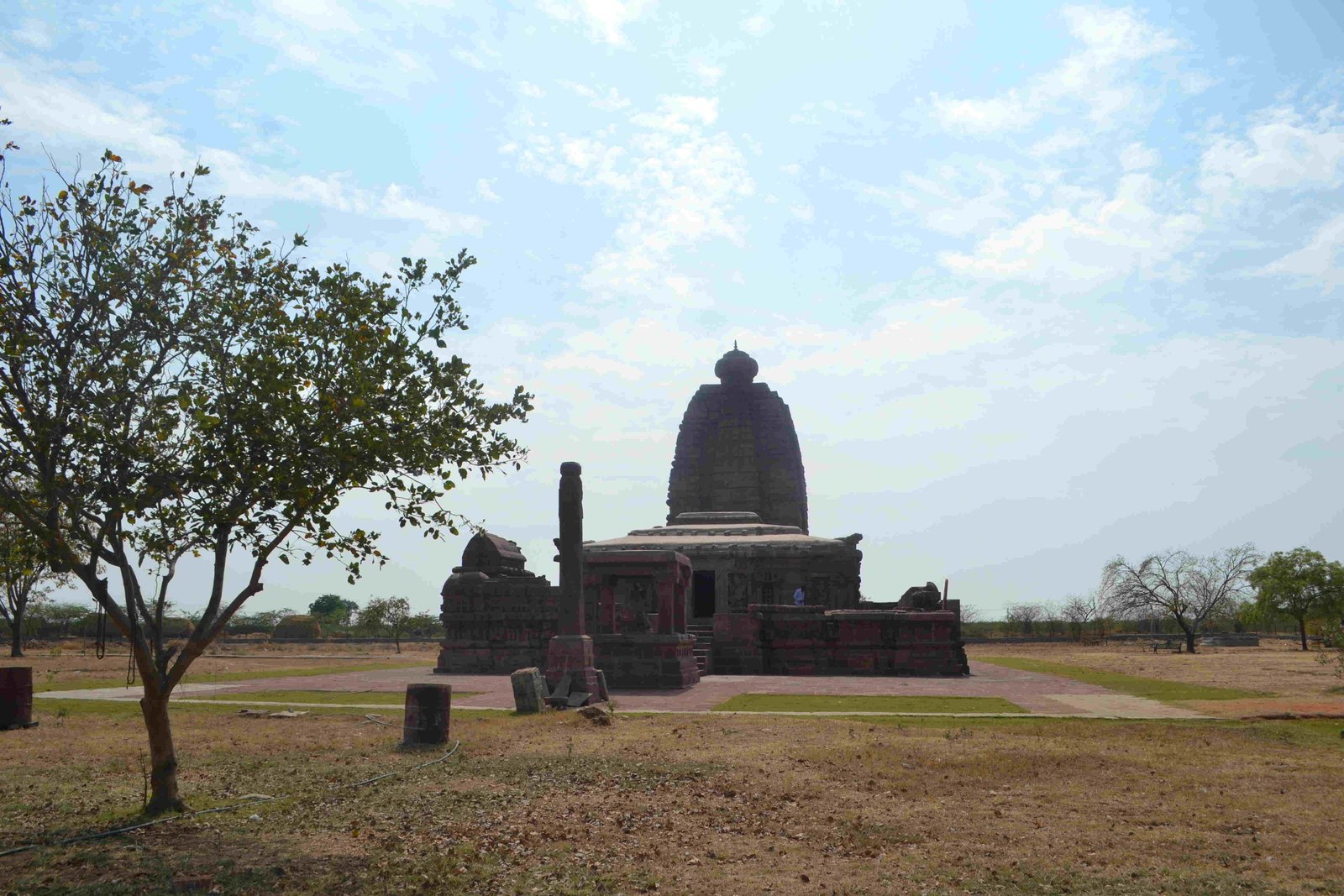
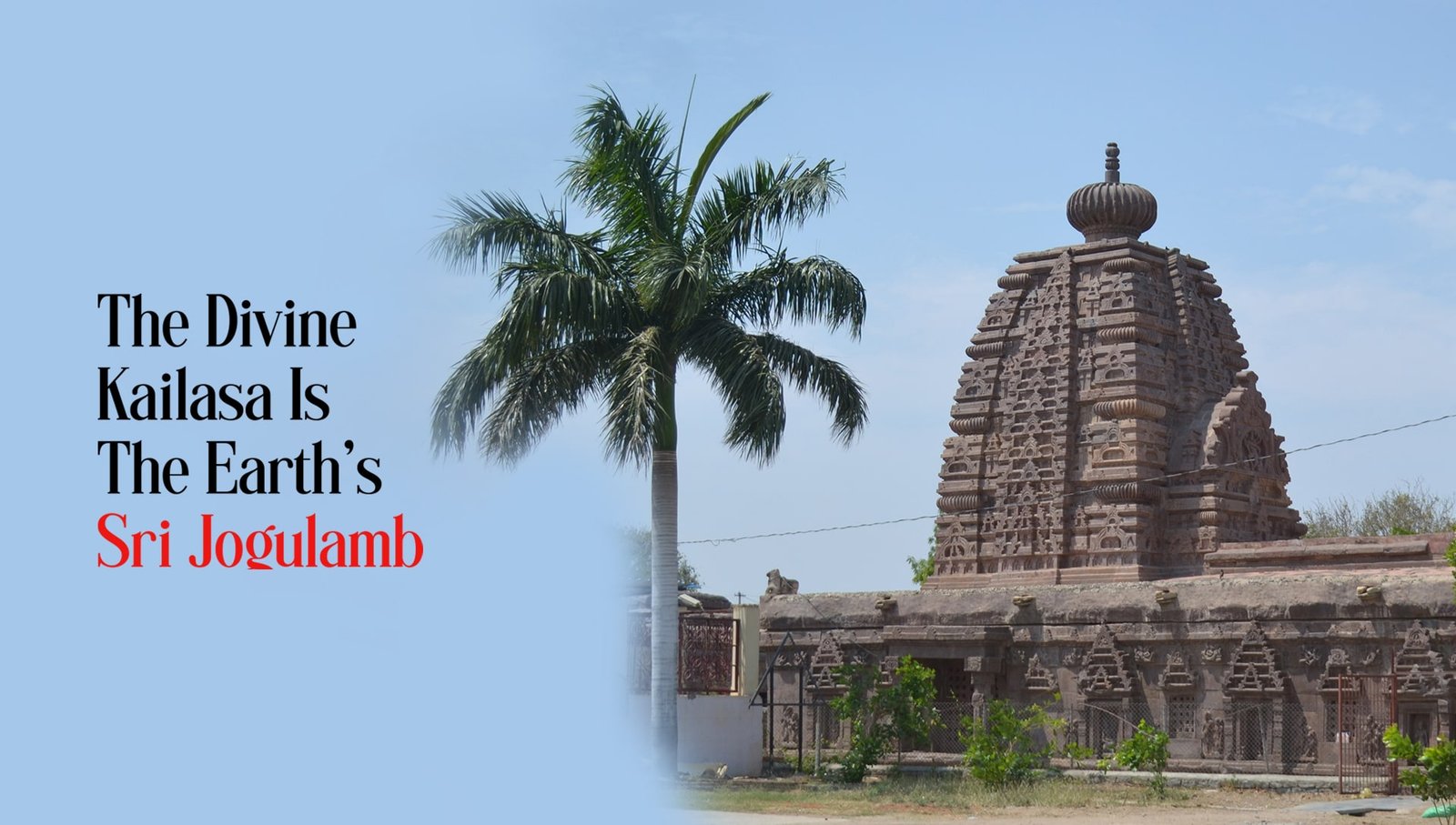
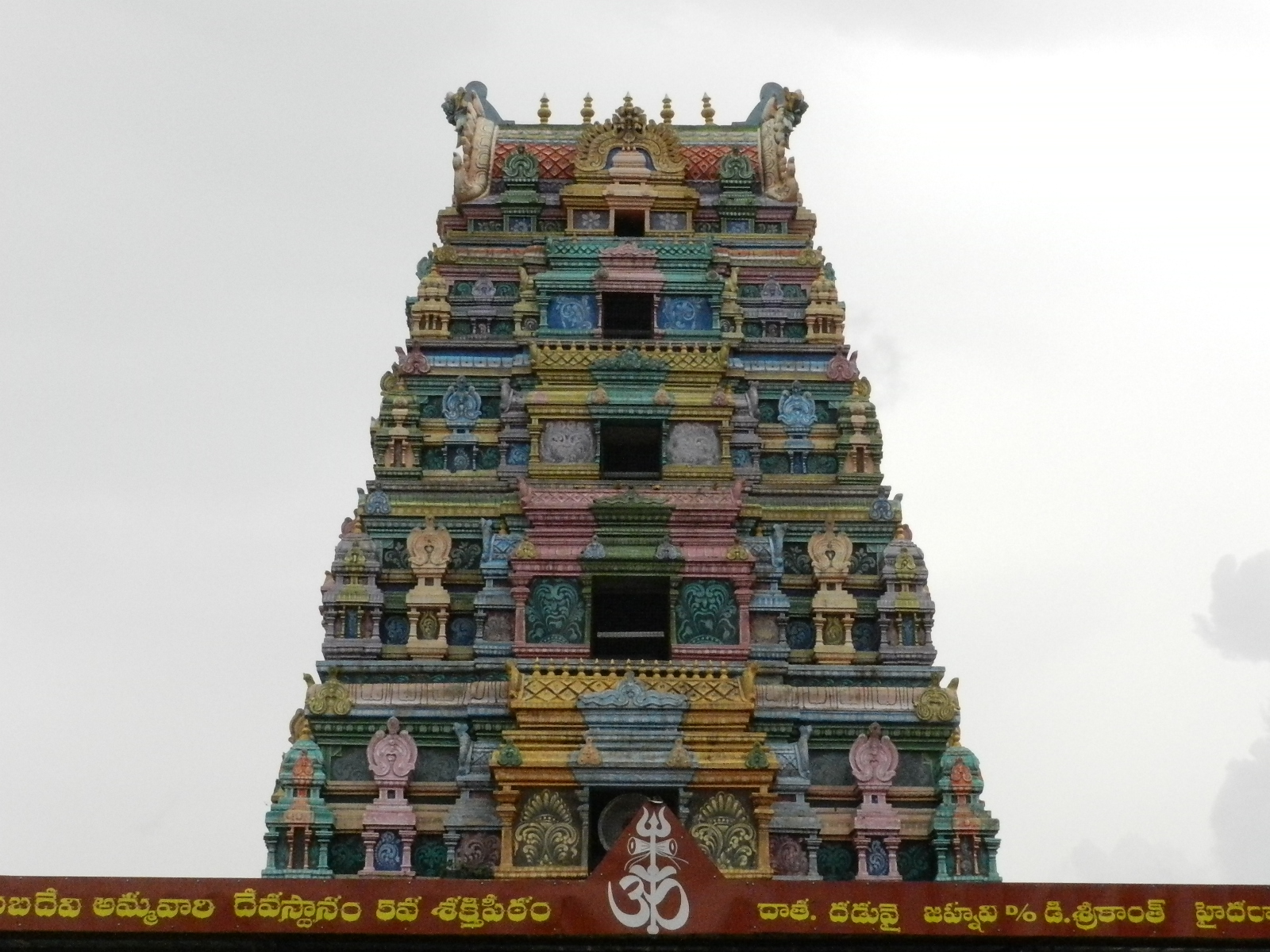
Temples near Jogulamba Temple, Alampur

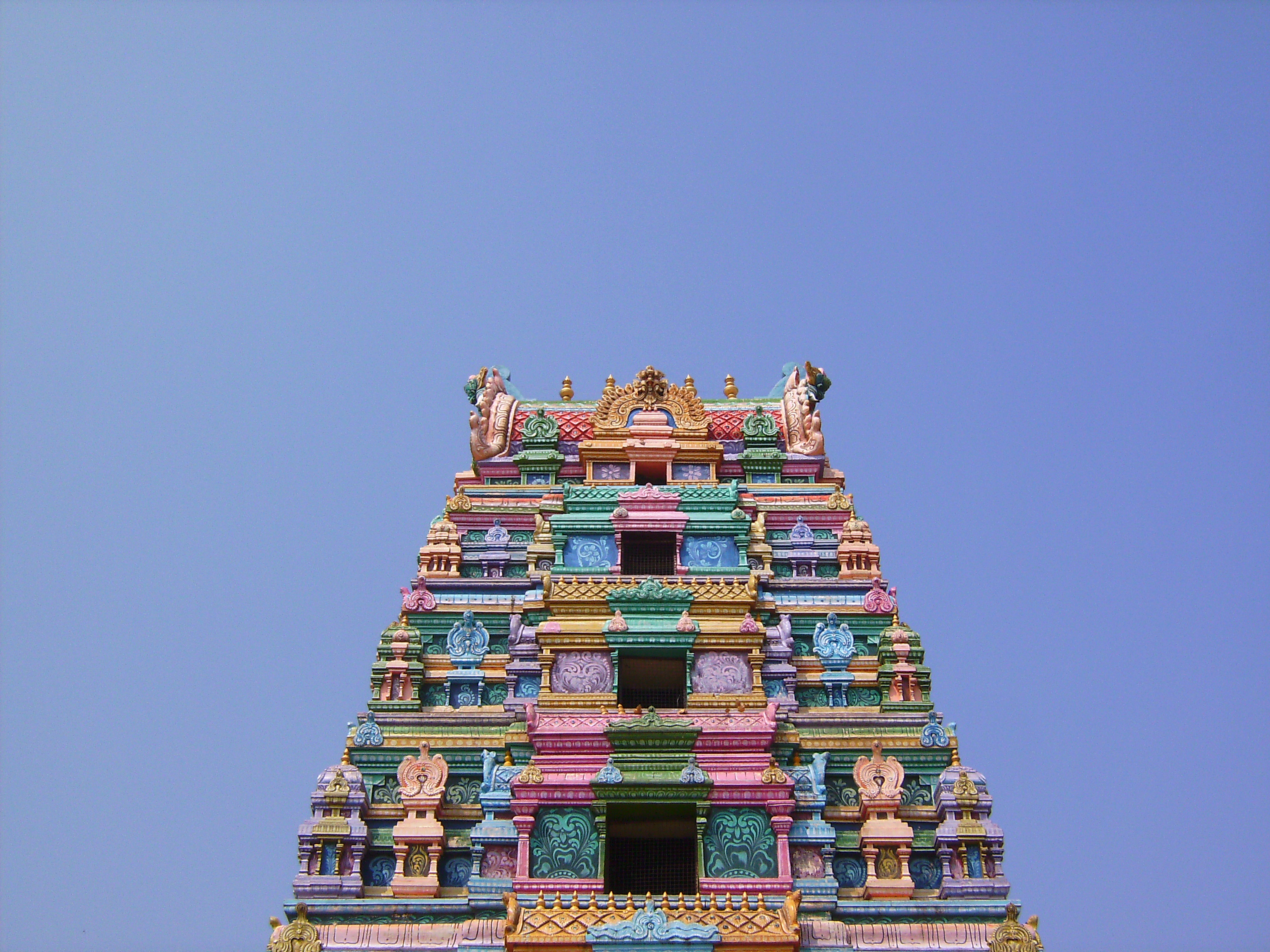
Alampur Jogulamba Temple
Jogulamba Temple in Alampur, Telangana, is one of eighteen Maha Shakti Peethas dedicated to Goddess Jogulamba, a manifestation of Shakti. The temple shares its complex with the…

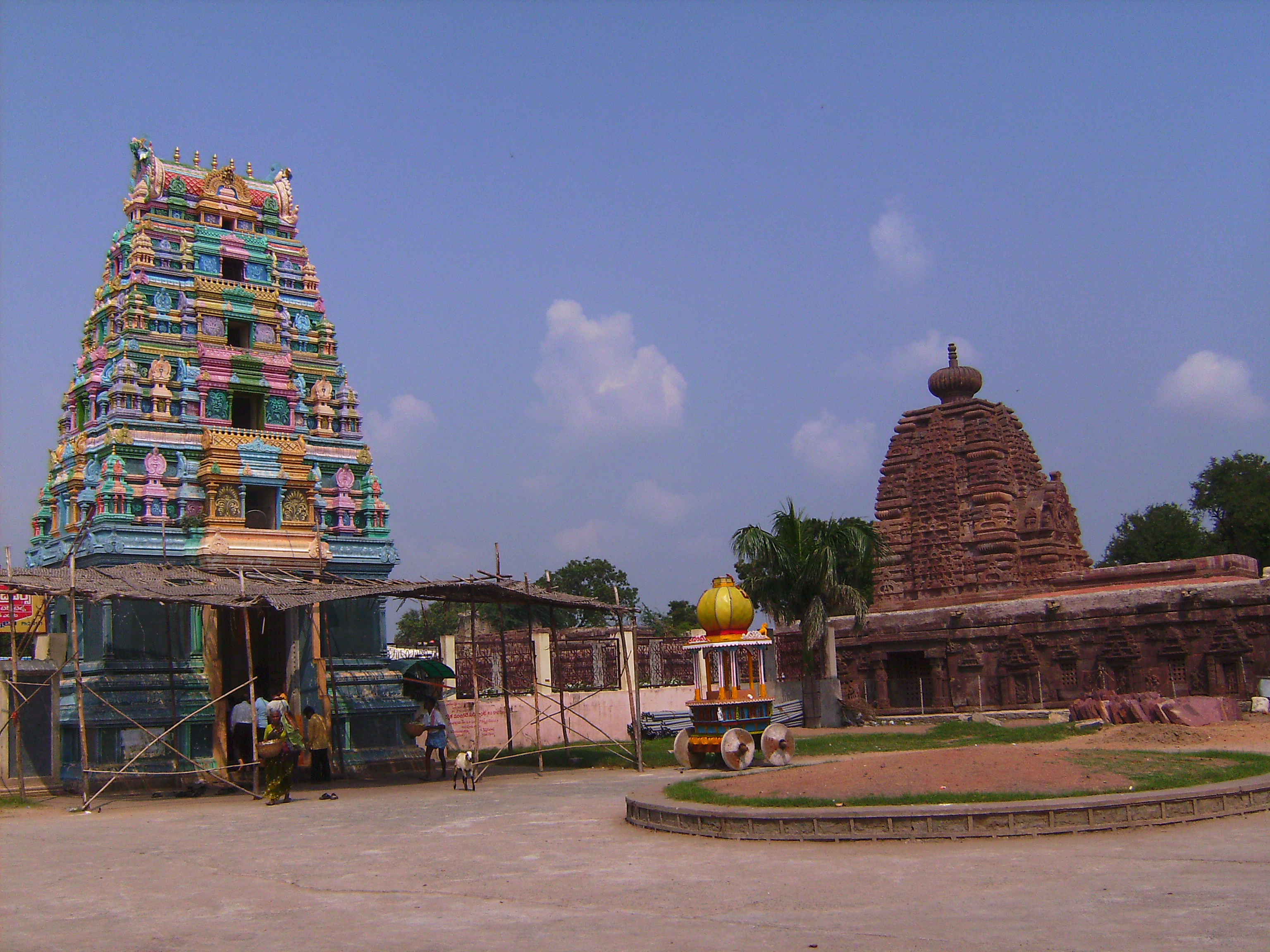
Alampur Navabrahma Temples
A complex of nine early Chalukyan temples from the 7th–8th century dedicated to Shiva, located on the banks of the Tungabhadra river in Telangana. The site also houses the Jogul…
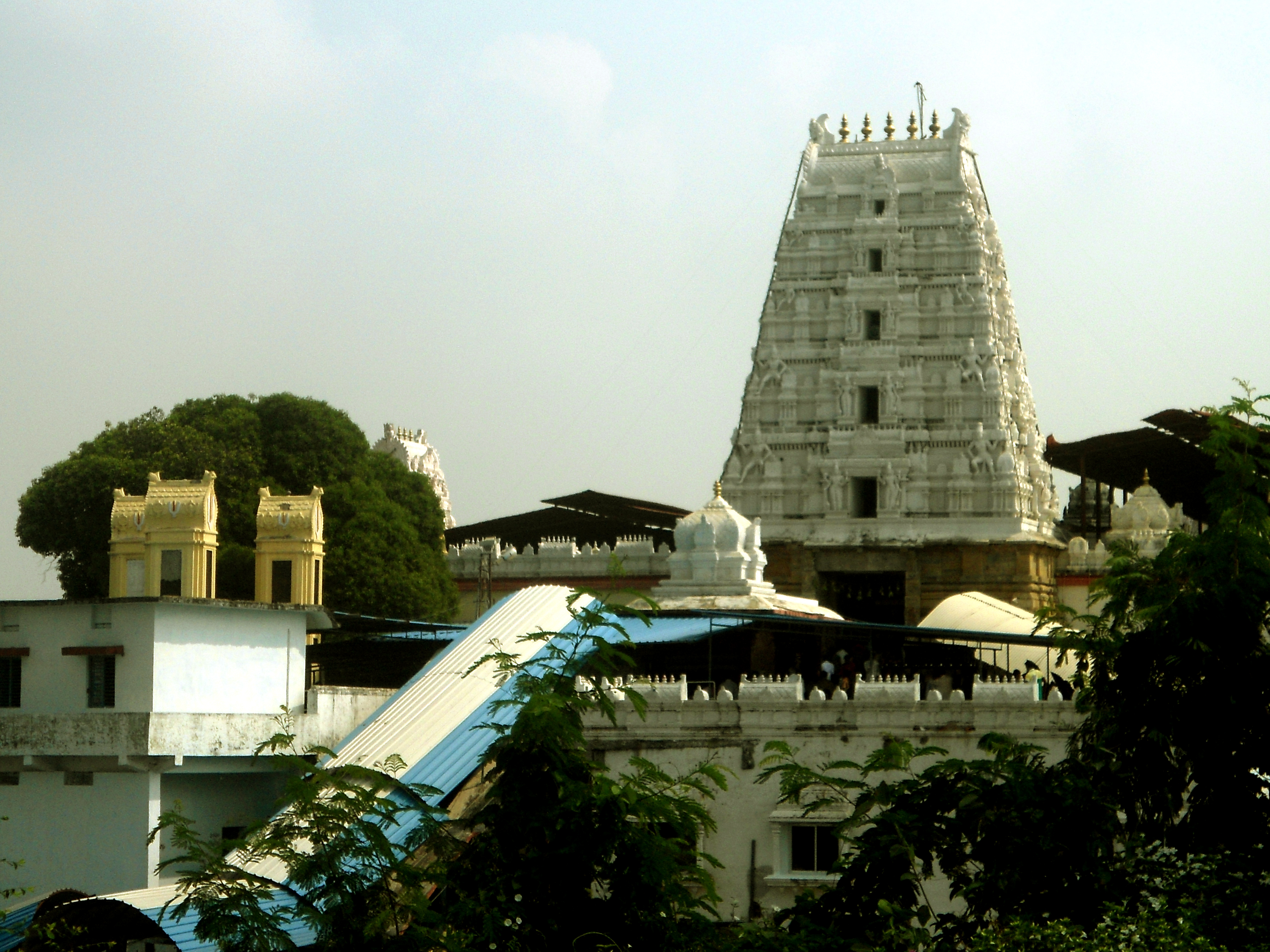
Alampur Papanasi Temples
A cluster of twenty-three Hindu temples dating from the 9th to 11th centuries, relocated to southwest of Alampuram village in Telangana, featuring Nagara architecture and dedica…
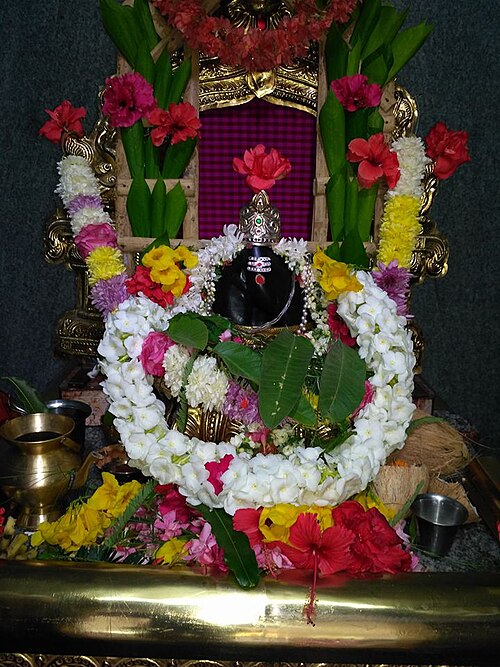
Swayambhu Sri Abhista Gnana Ganapathi Temple
The Swayambhu Sri Abhista Gnana Ganapathi Temple is a Hindu shrine dedicated to Ganesha located in Kurnool district, Andhra Pradesh, India.
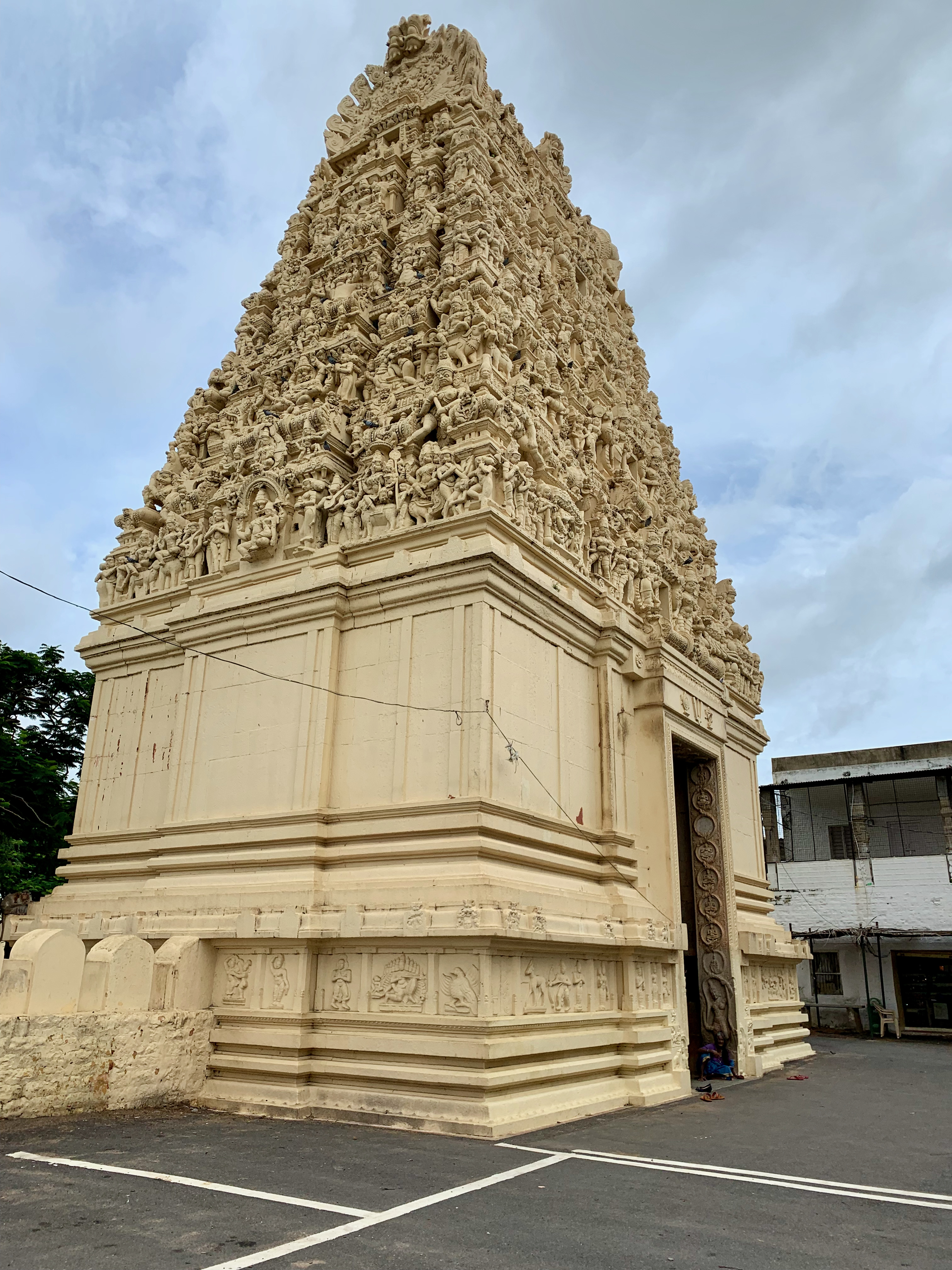
Sri Ranganayaka Swamy Temple
Sri Ranganayaka Swamy Temple, established in the 18th century AD by Raja Baheri Gopal Rao of Wanaparthy Samasthanam, is a Vaishnavite shrine dedicated to Lord Ranganatha in his…
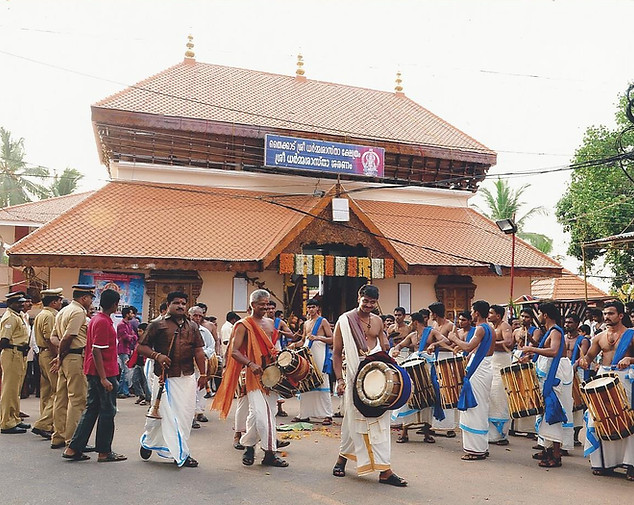
AnjaneyaSwamy Temple, Beechupally
AnjaneyaSwamy Temple in Beechupally is a 16th-century shrine dedicated to Hanuman, situated near the sacred Krishna River in Telangana's Jogulamba Gadwal District.