
AnjaneyaSwamy Temple, Beechupally
About AnjaneyaSwamy Temple, Beechupally
The temple was established during the sixteenth century, a period when the Vijayanagara empire exercised considerable influence across southern India. This dating places AnjaneyaSwamy Temple within a significant era of temple construction and religious patronage in the Deccan. The architectural heritage of temples from this period typically reflects the design conventions of their time, though specific details of this temple's structure—its gopuram, sanctum layout, or sculptural elements—remain undocumented in available sources. Visitors interested in the temple's architectural features are encouraged to observe them directly during their visit.
Daily Worship and Darshan
The temple opens at 05:30 each morning and remains accessible until 20:30 in the evening, with a break from 13:30 to 15:30 during the afternoon hours. This schedule allows devotees to visit during early morning hours, when many Hindu temples conduct their primary rituals, as well as in the evening. The midday closure is typical of many temples in rural settings, and visitors should plan their journey accordingly. As a village temple, AnjaneyaSwamy may have more limited facilities and services than larger urban shrines; visitors should come prepared with water and other necessities.
Modest dress is customary when visiting Hindu temples. Removing footwear before entering the inner sanctum is standard practice at temples of this tradition. These observances reflect respect for the sacred space and the deity worshipped within.
Seasons of Devotion
The monsoon season from June to July represents an auspicious time to visit the temple. During these months, the landscape transforms with seasonal rainfall, and the Krishna River—which flows near the temple—swells with renewed water. The river itself holds sacred significance in Hindu practice, understood as a manifestation of divine presence. Visiting during the monsoon allows a pilgrim to experience the temple within this heightened natural and spiritual context.
Hanuman Jayanthi, the birthday celebration of Hanuman, is observed as a major festival at the temple and draws devotees to mark this significant occasion in the religious calendar. This festival represents a focal point in the temple's annual cycle of worship and provides an opportunity to participate in communal observance.
The Krishna River and Sacred Geography
The temple's proximity to the Krishna River connects it to one of Hinduism's most revered waterways. Temples situated along the banks of sacred rivers typically hold enhanced spiritual significance within Hindu devotional practice. The river's presence shapes both the physical setting and the religious meaning of worship at this location. The rural environment of Beechupally, set within Telangana's landscape, offers a contemplative atmosphere distinct from urban temple settings.
Practical Information for Visitors
The temple is located at coordinates 16.160555555556, 77.929166666667 in Beechupally Village, Itikyala Mandal, Jogulamba Gadwal District, Telangana. Visitors should note the daily closure from 13:30 to 15:30 when planning their visit. The village setting means that accommodation, food, and other services may require travel to nearby towns. Visitors are advised to bring water and come prepared for the rural environment. The best times to visit align with the monsoon season (June to July) and the celebration of Hanuman Jayanthi, when the temple's spiritual atmosphere is heightened and the natural landscape is at its most vibrant.
How to reach
Temples near AnjaneyaSwamy Temple, Beechupally
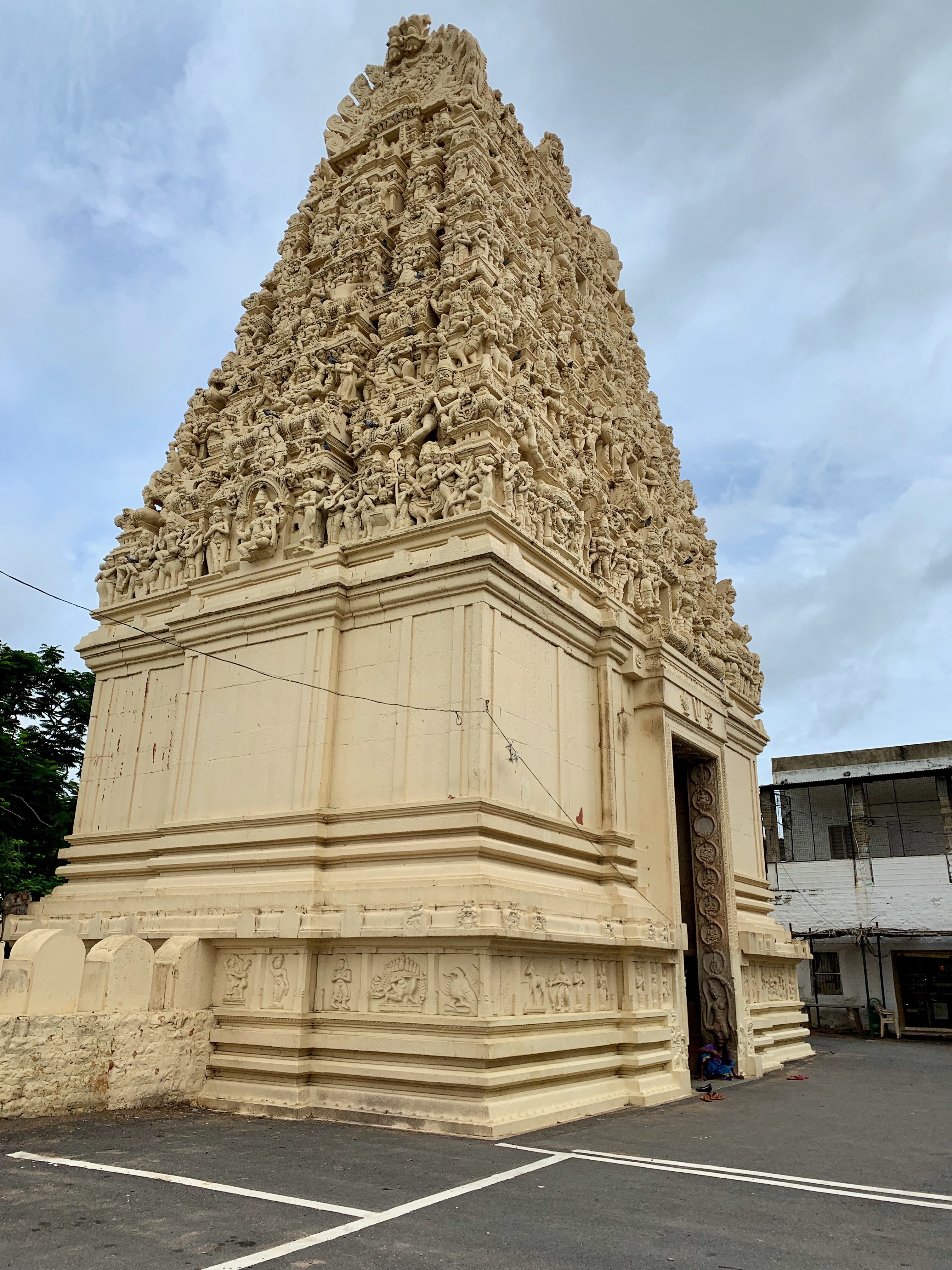
Sri Ranganayaka Swamy Temple
Sri Ranganayaka Swamy Temple, established in the 18th century AD by Raja Baheri Gopal Rao of Wanaparthy Samasthanam, is a Vaishnavite shrine dedicated to Lord Ranganatha in his…
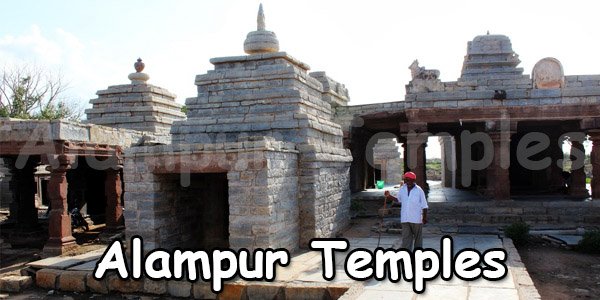
Alampur Papanasi Temples
A cluster of twenty-three Hindu temples dating from the 9th to 11th centuries, relocated to southwest of Alampuram village in Telangana, featuring Nagara architecture and dedica…

Alampur Jogulamba Temple
Jogulamba Temple in Alampur, Telangana, is one of eighteen Maha Shakti Peethas dedicated to Goddess Jogulamba, a manifestation of Shakti. The temple shares its complex with the…
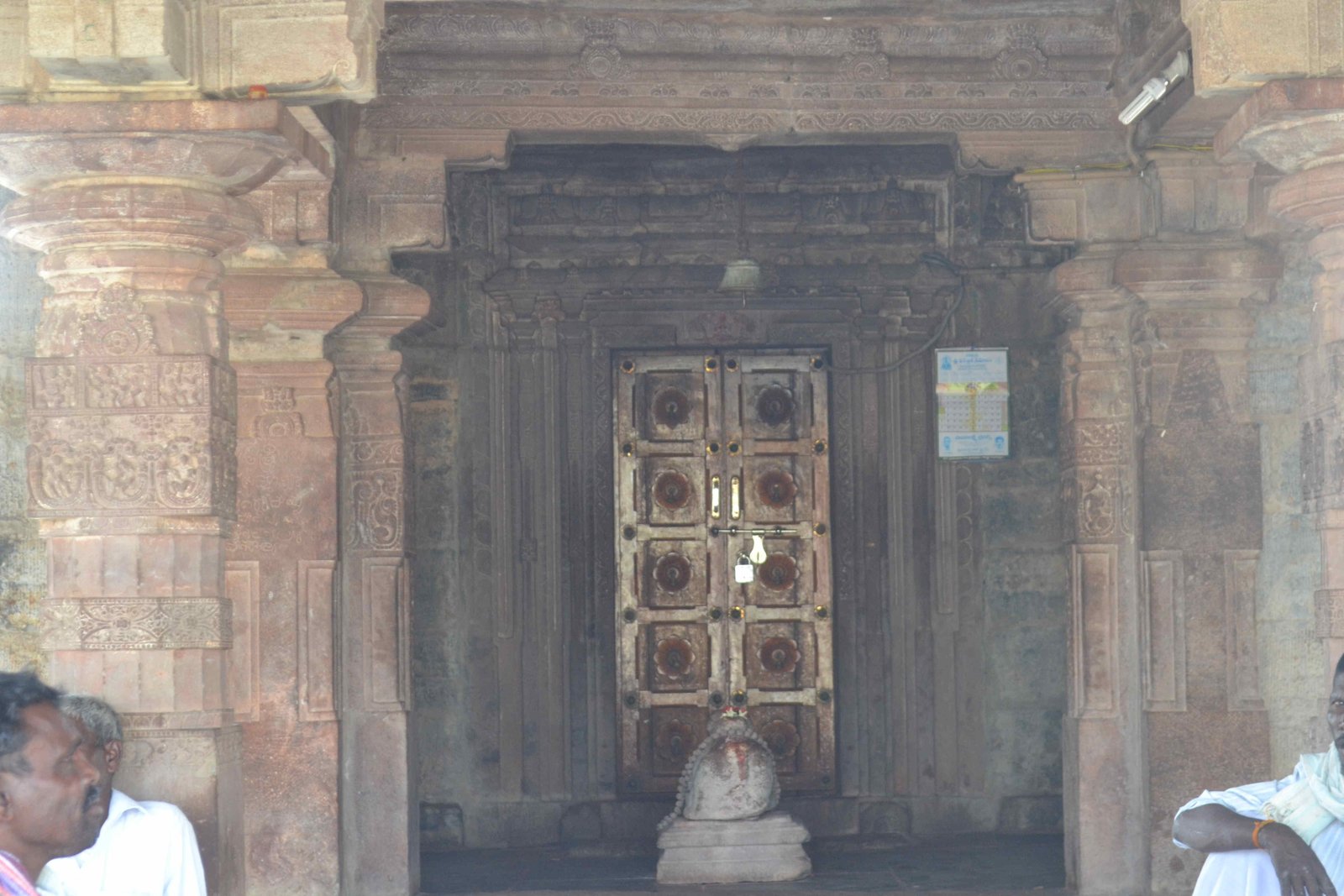
Jogulamba Temple, Alampur
Jogulamba Temple in Alampur, Telangana, is a sacred Shakti Peeth dedicated to Goddess Jogulamba and stands among eighteen of the most significant shrines in Shaktism. Located on…

Alampur Navabrahma Temples
A complex of nine early Chalukyan temples from the 7th–8th century dedicated to Shiva, located on the banks of the Tungabhadra river in Telangana. The site also houses the Jogul…
Swayambhu Sri Abhista Gnana Ganapathi Temple
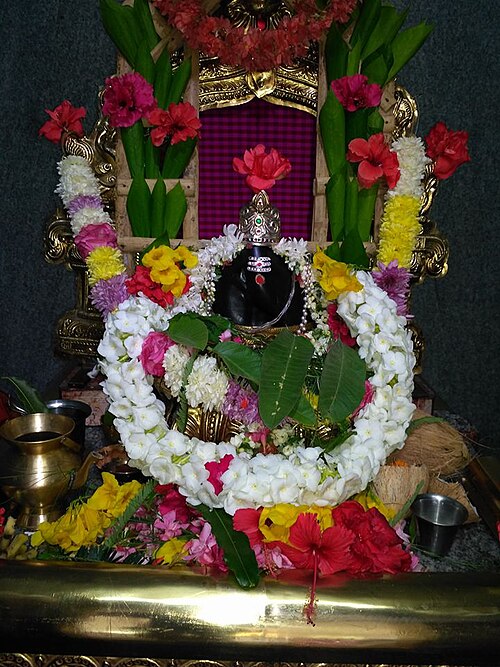
The Swayambhu Sri Abhista Gnana Ganapathi Temple is a Hindu shrine dedicated to Ganesha located in Kurnool district, Andhra Pradesh, India.