Mangala Temple
About Mangala Temple
The temple was constructed during the 19th century, making it a relatively recent addition to Bhubaneswar's religious landscape compared to the city's older shrines. It stands in the Harijan sahi neighbourhood of Patia village, now part of the greater Bhubaneswar area. What distinguishes this temple is the role of its community: the residents of Harijan sahi maintain the shrine themselves, giving it a distinctly local character. This pattern of community-led temple care reflects a long-standing practice in Hindu worship, where neighbourhoods and villages assume collective responsibility for their places of worship.
Visiting the Temple
The temple is located at coordinates 20.364208, 85.82096 in the Harijan sahi area of Patia. Visitors should approach with the respectful demeanour appropriate to any Hindu shrine. Temples of this tradition typically expect visitors to remove footwear before entering the sanctum and to dress modestly. Photography policies vary by temple; it is wise to observe what others are doing or ask a temple attendant before photographing the deity or rituals.
The sources do not provide detailed information about specific visiting hours, facilities, or formal darshan arrangements at this particular temple. Visitors planning a trip should arrive during daylight hours and may wish to contact local residents in the Harijan sahi area for current information about access and worship timings.
The Deity's Significance
Mangala, whose name relates to auspiciousness and the planet Mars in Hindu cosmology, represents divine grace and protection. The symbolic implements she holds—the conch and wheel—carry meanings rooted in Hindu philosophy. The conch is associated with the sacred sound of creation, while the wheel represents the cosmic order and the turning of time. Her dual gestures of blessing and fearlessness invite devotees to seek her grace while trusting in her protection. Worship of goddess forms like Mangala is central to Shakta traditions, which recognize the divine feminine as the ultimate creative and sustaining force.
Daily Worship and Rituals
As a community-maintained shrine, Mangala Temple likely follows the daily rhythms of worship common to neighbourhood temples in Odisha, though the sources do not specify the exact timings of puja or aarti at this location. Temples dedicated to goddess forms typically observe morning and evening worship, with the morning rituals often occurring during the brahma muhurta—the auspicious hours before dawn when the day's spiritual energy is considered most potent. Devotees visiting at these times may witness the ritual preparation and worship of the deity, though visitors should be respectful of ongoing ceremonies and not disrupt the flow of worship.
Reaching the Temple
Bhubaneswar, the capital of Odisha, is well-connected by road, rail, and air. The temple's location in Patia, within the city limits, makes it accessible by local transport. The precise coordinates (20.364208, 85.82096) can be used with mapping applications to plan a route from your accommodation or from Bhubaneswar's main transit points. As with many neighbourhood temples in Indian cities, local auto-rickshaws or taxis are the most practical means of reaching the shrine. Visitors unfamiliar with the area may benefit from showing the address or coordinates to their driver.
How to reach
Temples near Mangala Temple
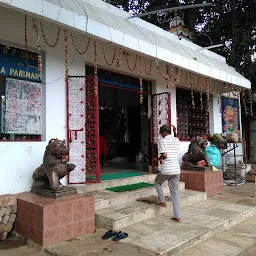
Maa Tarini Temple
Maa Tarini Temple in Bhubaneswar is a neighborhood shrine dedicated to the goddess Tarini, revered in Odia tradition as a guardian deity who tests faith and guides life decisions.

Kalikadevi Temple
Kalikadevi Temple in Bhubaneswar's Old Town enshrines a four-armed goddess manifestation of Kali, serving as an active community worship site positioned along the sacred route b…
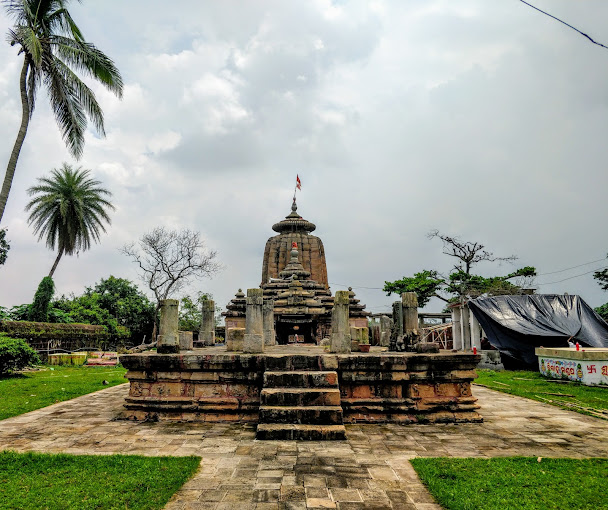
Jaleswar Siva Temple Precinct
Jaleswar Siva Temple Precinct is a 12th-century Hindu shrine dedicated to Shiva located in Old Town Bhubaneswar within the sacred Ekamra Kshetra zone, near Bindusagar Lake. The…
Kalabhairavi Temple
Kalabhairavi Temple in Bhubaneswar houses a four-armed Chamunda deity seated upon a corpse, representing a fierce manifestation of the divine feminine within the Jaleswar Siva T…
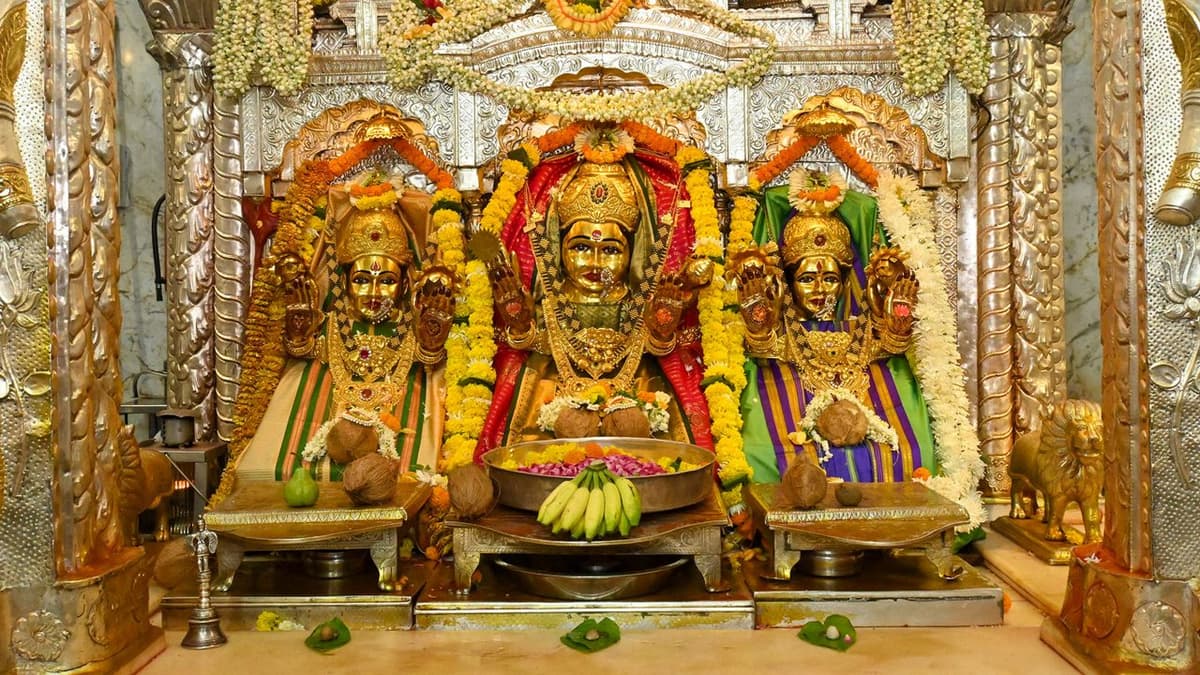
Mahalakshmi Temple
Mahalakshmi Temple in Bhubaneswar is dedicated to Goddess Lakshmi, the deity of wealth and prosperity, serving as a community spiritual center in the Sisupalgarh area.

Ram Mandir
The Ram Mandir in Ayodhya is a major Hindu temple complex believed to be situated at the birthplace of Lord Rama, one of Hinduism's principal deities, and attracts devotees from…