
Kalikadevi Temple
About Kalikadevi Temple
The temple is situated in Kancha Sahi within Bhubaneswar's Old Town, at coordinates 20.34972222, 85.83527778. It stands on the right side of Temple Road as one travels from Lingaraj Temple toward Garej chowk, making it accessible to those already visiting the major temples in the area. The Old Town location means the shrine is embedded within the historic core of Bhubaneswar rather than isolated on the city's periphery.
Visitors approaching from other parts of Bhubaneswar should plan their route through the Old Town accordingly. The temple's position along a defined road corridor makes it relatively straightforward to locate once in the vicinity of Lingaraj Temple.
Worship and Daily Practice
The temple functions as an active place of worship for the local community. Like most Hindu temples, it likely observes daily rituals centred on the deity, though specific details of the daily schedule, timings for darshan (viewing the deity), and particular ceremonies are not documented in available sources. Visitors should inquire locally or contact the temple directly to learn current timings and any restrictions on entry.
Those planning to visit should dress modestly, as is customary at Hindu temples. Removing footwear before entering the inner sanctum is standard practice. Approaching the deity with respect and following any instructions given by temple staff will ensure a respectful visit.
The Goddess in Local Tradition
Kali worship in Odisha carries its own regional character, distinct from practices in other parts of India. The local designation of the deity as simply "Kali" suggests a direct relationship between the community and this particular manifestation of the goddess. Understanding the specific stories, prayers, and devotional practices associated with this temple would require engagement with the temple community itself—the priests, regular worshippers, and local residents who maintain the shrine's traditions.
Visitors with genuine interest in the theological or mythological dimensions of the worship should plan time to speak with knowledgeable members of the temple community, as such knowledge is typically transmitted orally and through lived practice rather than through written guides.
Visiting Considerations
No information is available regarding specific facilities at the temple, such as ablution areas, seating, or accommodation. Visitors should arrive with realistic expectations and be prepared for conditions typical of neighbourhood temples in historic urban areas. The temple's location in the Old Town means it is likely a modest, community-focused shrine rather than a large pilgrimage destination with extensive infrastructure.
Photography policies, if any, should be confirmed upon arrival. Some temples restrict photography in certain areas or during particular rituals. Respectful behaviour—avoiding loud conversation, not turning one's back to the deity, and following the movements of other worshippers—will help visitors integrate appropriately into the worship space.
Nearby Temples and the Bhubaneswar Pilgrimage Circuit
The temple's position on the road between Lingaraj Temple and Garej chowk places it within a broader network of sacred sites in Bhubaneswar. Lingaraj Temple, one of Odisha's most significant shrines, lies nearby and draws substantial numbers of pilgrims. Visitors to the area may wish to combine a visit to Kalikadevi Temple with worship at other nearby temples, creating a more comprehensive experience of Old Town's religious landscape.
The proximity to established pilgrimage routes means that visiting during major Hindu festivals may bring increased crowds to the area, though specific festival observances at Kalikadevi Temple are not documented in available sources.
How to reach
Temples near Kalikadevi Temple
Mangala Temple
Mangala Temple in Patia, Bhubaneswar, enshrines the four-armed goddess Mangala and has been maintained by local residents since its 19th-century construction.
Jaleswar Siva Temple Precinct
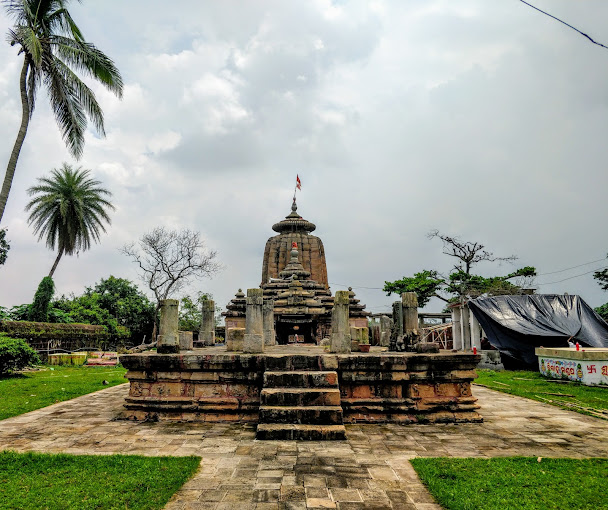
Jaleswar Siva Temple Precinct is a 12th-century Hindu shrine dedicated to Shiva located in Old Town Bhubaneswar within the sacred Ekamra Kshetra zone, near Bindusagar Lake. The…
Kalabhairavi Temple
Kalabhairavi Temple in Bhubaneswar houses a four-armed Chamunda deity seated upon a corpse, representing a fierce manifestation of the divine feminine within the Jaleswar Siva T…
Maa Tarini Temple
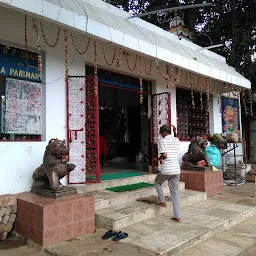
Maa Tarini Temple in Bhubaneswar is a neighborhood shrine dedicated to the goddess Tarini, revered in Odia tradition as a guardian deity who tests faith and guides life decisions.
Mahalakshmi Temple
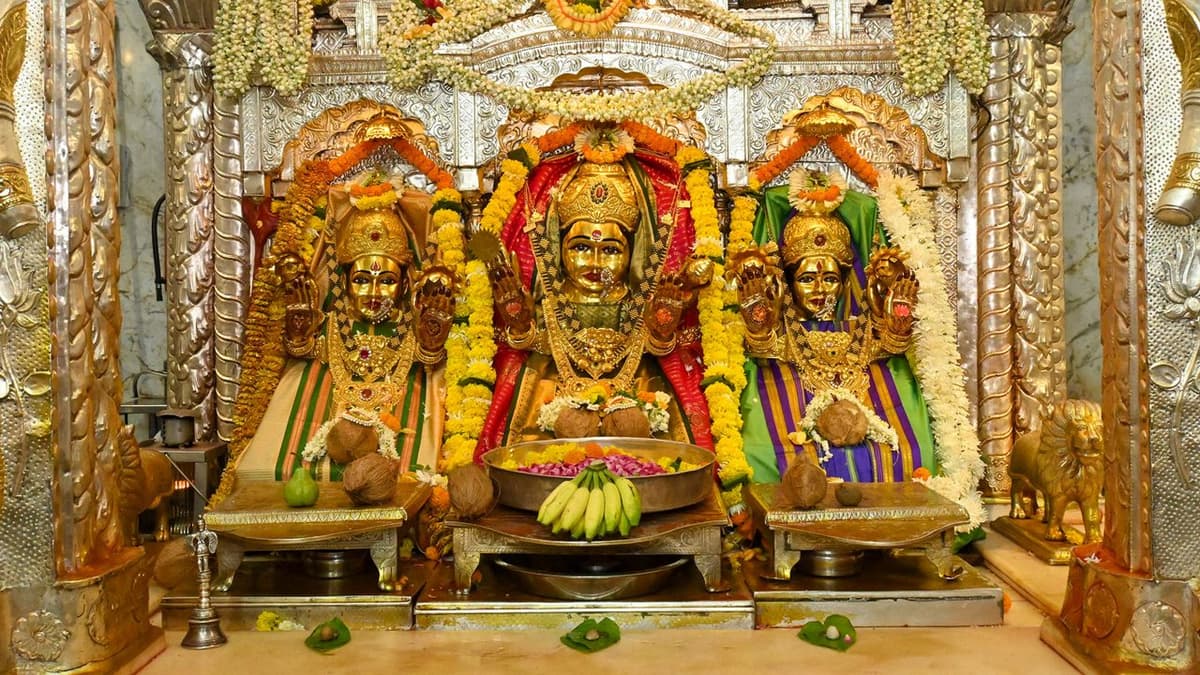
Mahalakshmi Temple in Bhubaneswar is dedicated to Goddess Lakshmi, the deity of wealth and prosperity, serving as a community spiritual center in the Sisupalgarh area.

ammavaru temple
Ammavaru Temple in Bhubaneswar is a Hindu shrine dedicated to a goddess, established in the 12th century and located on Raj Path in the city's municipal corporation area.