


Ram Mandir
About Ram Mandir
The temple maintains a structured daily rhythm of worship centred on multiple aartis—ritual ceremonies of worship and praise. The Mangal Aarti begins at 4:00 AM, followed by the Shringar Aarti at 6:00 AM, which adorns the deity. At noon, the Bhog Aarti marks a pause in general darshan, with the temple gates closing from 12:30 PM to 1:00 PM. The day concludes with the Shayan Aarti at 10:00 PM, a ceremony performed as the deity is prepared for rest. Passes are required to attend the early morning and evening aartis, though the Trust charges no fee for these passes.
Planning Your Darshan Visit
The temple opens for darshan from 7:00 AM to 9:15 PM daily, divided into seven timed slots to manage the flow of visitors. These slots run from 7:00–9:00 AM, 9:00–11:00 AM, 11:00 AM–12:00 PM, 1:00–3:00 PM, 3:00–5:00 PM, 5:00–7:00 PM, and 7:00–9:00 PM. The last entry at the T-1 gate closes at 9:00 PM. To reduce waiting times, the Trust introduced a free Sugam Darshan e-pass system in 2026, which allows visitors to book a timed slot online at online.srjbtkshetra.org using a mobile number. While this pass does not bypass the queue at the sanctum itself, it provides a fixed entry window that considerably shortens overall waiting periods.
For the most manageable experience, plan to visit during the first slot (7:00–9:00 AM) or the evening slots (7:00–9:00 PM) on weekdays outside school holidays, when crowds are lighter. Always confirm current timings with the official Trust portal before travelling, as schedules adjust for festivals, seasons, and special events.
Participation and Contributions
The temple welcomes devotees who wish to engage in voluntary seva—selfless service within the temple complex. Those interested in contributing to the upkeep and operations of the Shri Ram Janmabhoomi Teerth Kshetra can do so through the Trust's official channels. The Trust is registered under the Foreign Contribution Regulation Act (2010), meaning that donations from outside India are accepted. Donors can obtain instant receipts for contributions made through direct bank deposit by visiting the Trust's website and providing the necessary details.
Reaching Ayodhya
Ayodhya is located in Uttar Pradesh in northern India. The temple's coordinates are 20.2712869°N, 85.7837529°E. Visitors should plan their journey in advance, as Ayodhya is a major pilgrimage destination and accommodation options vary seasonally. The official Trust website provides guidance on how to reach the city and lists nearby places of interest for those wishing to explore the broader sacred geography of Ayodhya.
Visiting Etiquette and Practicalities
As with Hindu temples generally, visitors should dress modestly and respectfully. Remove footwear before entering the sanctum, and follow the directions of temple staff regarding queuing and movement through the complex. The temple operates under the management of the Shri Ram Janmabhoomi Teerth Kshetra Trust, which maintains facilities and information resources for pilgrims. Carry a valid form of identification if you plan to book an e-pass, and allow extra time for security procedures, particularly during peak visiting hours. Check the official portal for any specific guidelines or restrictions that may apply on the day of your visit.
How to reach


You may also visit
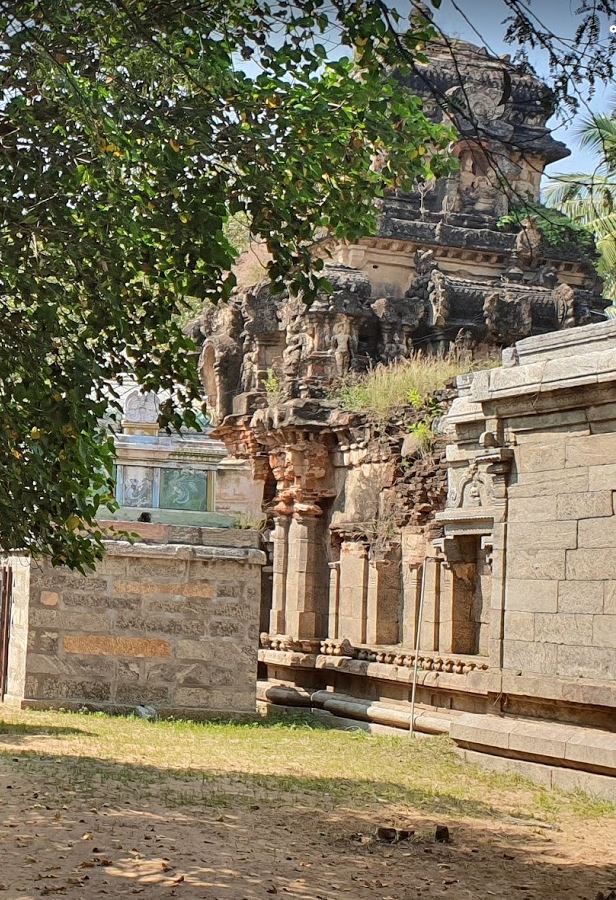
Agatheeswarar Temple, Karur
Agatheeswarar Temple in Thirumukkudalur, Karur district, is an ancient Hindu shrine dedicated to Shiva, situated at the sacred confluence of three rivers and believed to be over 1000 years old.
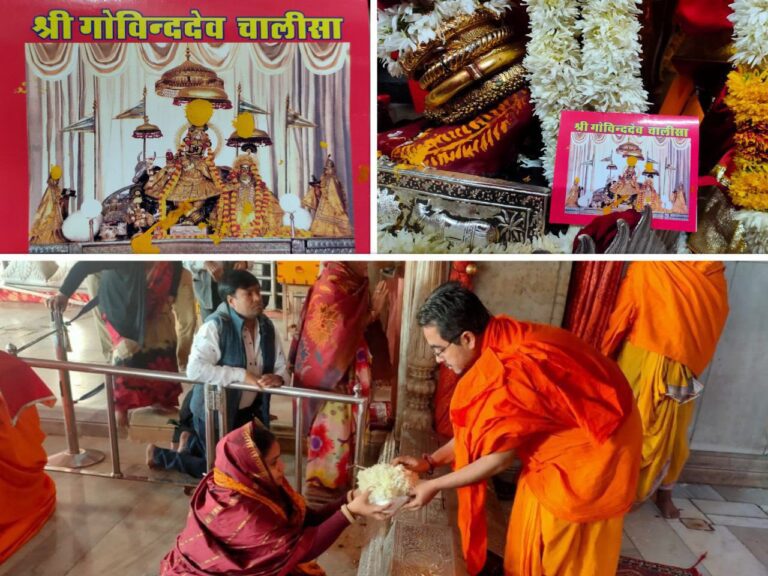
Kalyanji Temple
Kalyanji Temple in Jaipur's Chandpol Bazaar is an ancient Krishna shrine established in the 1820s, renowned for its seven daily aartis and special avatar darshan ceremonies during Akha Teej and Patottsav festivals.
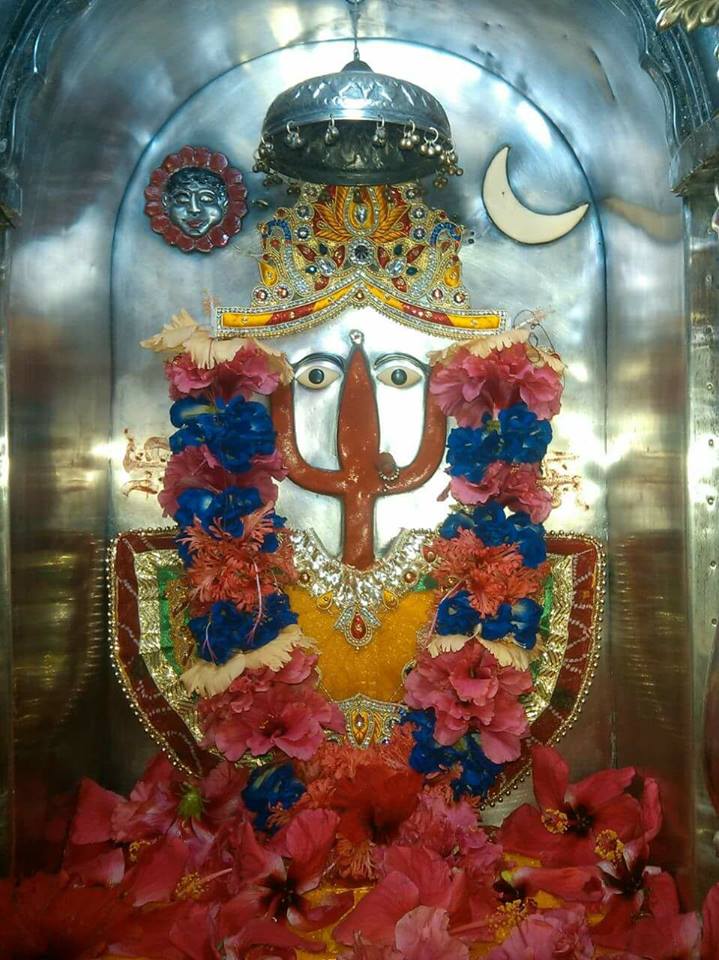
Rani Sati Mandir Mahuda
Rani Sati Mandir in Mahuda, Dhanbad District, is a Hindu temple established in 1992 that serves as a spiritual center for the local community and attracts devotees seeking blessings.