Kalabhairavi Temple
About Kalabhairavi Temple
The temple stands within the Jaleswar Siva Temple Precinct in the Kalarahanga area of Bhubaneswar, Odisha. Its placement within a larger temple complex suggests it forms part of a sacred landscape where multiple deities are worshipped. Bhubaneswar, the capital of Odisha, is a city with deep roots in Hindu pilgrimage tradition, and the Jaleswar precinct represents one of its significant religious sites. The temple's coordinates place it in the eastern part of the city, accessible to those visiting Bhubaneswar's various sacred locations.
The Sacred Image and Its Iconography
The sculptural representation of Chamunda at this temple follows classical iconographic principles. The four arms distribute different symbolic objects: the khatuanga represents spiritual authority and the power of renunciation; the serpent embodies cosmic energy and transformation; the severed head signifies the destruction of the ego and the triumph over death. The jatamukuta (matted crown) connects the goddess to ascetic traditions and to Shiva himself, while the skull garland reinforces her role as a force that transcends ordinary mortality. The pedestal upon which the image rests elevates the deity, creating a visual hierarchy that guides the devotee's gaze upward in an act of reverence.
The broken lower right hand, now incomplete, adds an element of historical authenticity to the image—a reminder that this is an ancient sculpture that has endured through centuries. Rather than diminishing the deity's power, such wear speaks to the temple's age and the continuity of worship across generations.
Visiting the Temple
Visitors to Kalabhairavi Temple should approach with the respect due to a sacred space dedicated to a fierce form of the divine feminine. Modest dress is appropriate; many devotees wear traditional clothing or simple, covered garments. The temple is located within a larger precinct, so visitors may encounter other shrines and devotees engaged in worship. It is customary to remove footwear before entering the inner sanctum and to move clockwise around the deity when circumambulating.
The specific timings for darshan (viewing the deity) and any particular rituals performed at this temple are not documented in available sources. Visitors planning a trip are advised to contact the Jaleswar Siva Temple Precinct directly or inquire locally in Bhubaneswar for current information about access hours and any special observances. Photography policies may vary, and it is respectful to ask permission before photographing the deity or the temple interior.
Reaching the Temple
Bhubaneswar is well connected by rail and road to major Indian cities. The temple's location in Kalarahanga can be reached by local transport within the city. Visitors should use the provided coordinates (20.36111111, 85.85472222) when seeking directions via GPS or mapping applications. Local taxi services or auto-rickshaws can transport visitors from Bhubaneswar's main stations and hotels to the Jaleswar Siva Temple Precinct.
A Place of Shakti Worship
Kalabhairavi Temple represents an important site within Odisha's tradition of Shakti worship. The goddess enshrined here embodies the dynamic, transformative power of the divine feminine—a force that protects devotees, destroys ignorance, and grants spiritual advancement. For those drawn to the fierce aspects of Hindu spirituality, this temple offers an encounter with one of Shakti's most potent forms.
How to reach
Temples near Kalabhairavi Temple
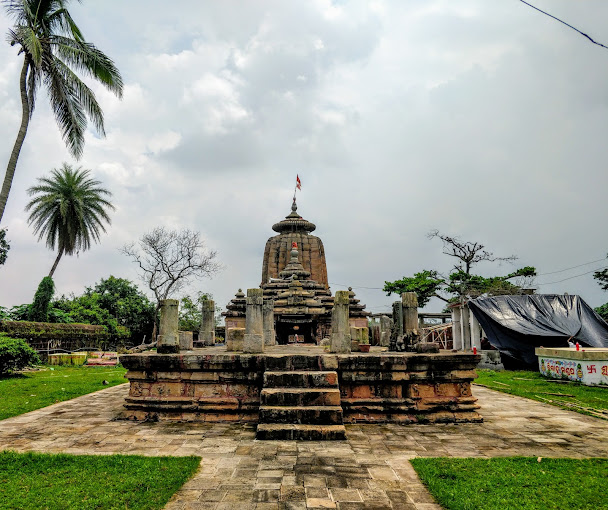
Jaleswar Siva Temple Precinct
Jaleswar Siva Temple Precinct is a 12th-century Hindu shrine dedicated to Shiva located in Old Town Bhubaneswar within the sacred Ekamra Kshetra zone, near Bindusagar Lake. The…

Kalikadevi Temple
Kalikadevi Temple in Bhubaneswar's Old Town enshrines a four-armed goddess manifestation of Kali, serving as an active community worship site positioned along the sacred route b…
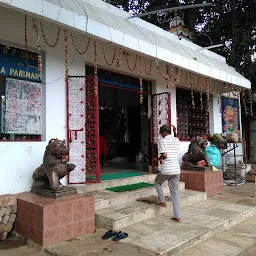
Maa Tarini Temple
Maa Tarini Temple in Bhubaneswar is a neighborhood shrine dedicated to the goddess Tarini, revered in Odia tradition as a guardian deity who tests faith and guides life decisions.
Mangala Temple
Mangala Temple in Patia, Bhubaneswar, enshrines the four-armed goddess Mangala and has been maintained by local residents since its 19th-century construction.
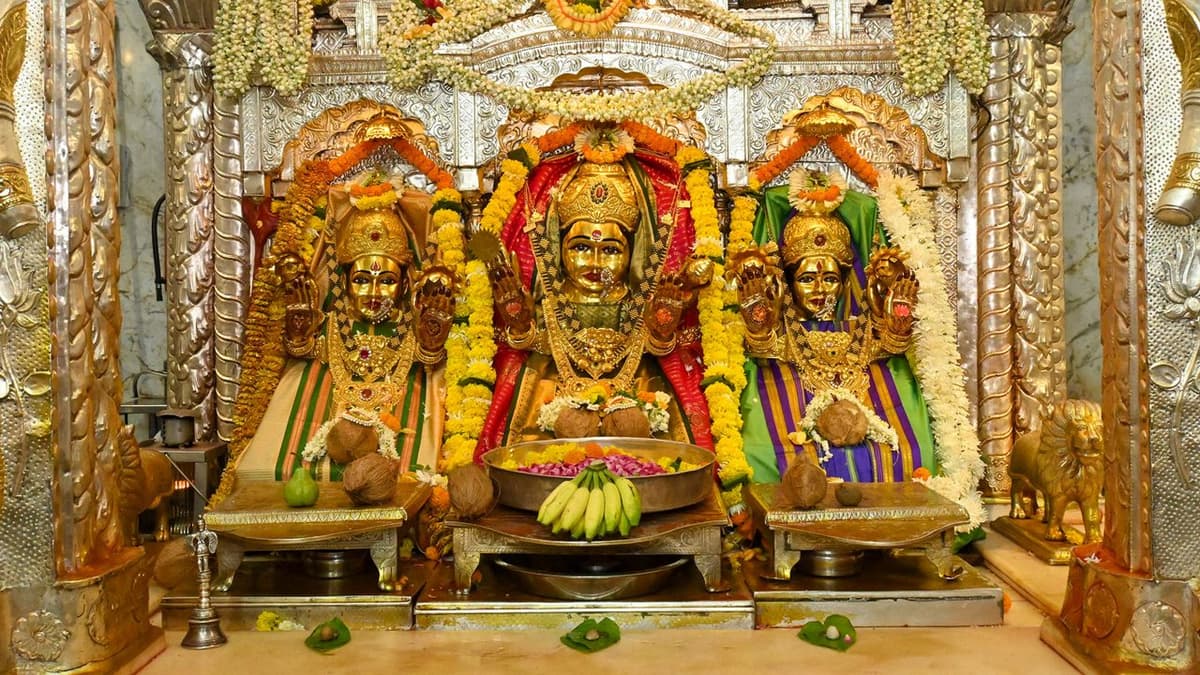
Mahalakshmi Temple
Mahalakshmi Temple in Bhubaneswar is dedicated to Goddess Lakshmi, the deity of wealth and prosperity, serving as a community spiritual center in the Sisupalgarh area.
Ghanteswara Siva Temple
Ghanteswara Siva Temple is a small shrine located within the Kapileswara temple precinct, housing a Siva-lingam enshrined on a square laterite yonipitha with distinctive archite…