Jaleswar Siva Temple Precinct
About Jaleswar Siva Temple Precinct
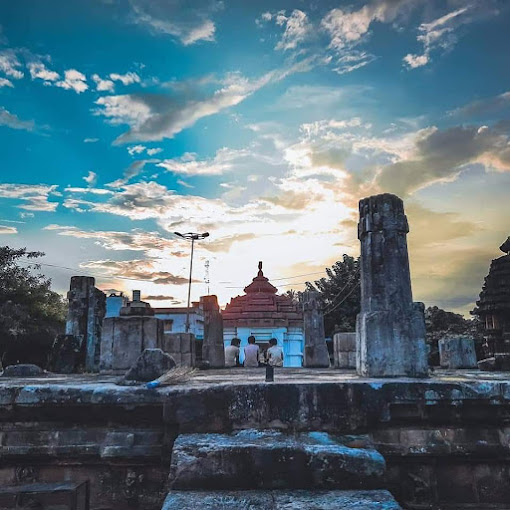
Jaleswar Siva Temple sits within Ekamra Kshetra, the ancient sacred geography that defines Bhubaneswar as a pilgrimage center. The temple occupies the southern outskirts of Kalarahanga village, approximately 2 kilometers from Patia and 6 kilometers south of Chudangagada, in the northern reaches of Bhubaneswar proper. Its proximity to Bindusagar Lake—one of the area's most significant water bodies—reinforces its role within this larger spiritual landscape.
The location places it within walking distance of Lingaraj Temple, the major shrine of the region, yet far enough removed to maintain its own distinct atmosphere. This positioning suggests the temple functioned historically as part of a network of smaller shrines serving pilgrims and residents moving through the sacred zone, rather than as an independent destination.
Daily Worship and Best Times to Visit
The temple opens at 5:30 AM and closes at noon, then reopens at 4:30 PM until 9:00 PM. Entry is free. The most rewarding time for darshan is between 6:00 AM and 8:00 AM, when soft morning light falls on the stone carvings, incense drifts through the space, and few visitors are present. During these hours, priests conduct rituals quietly, and the soundscape remains dominated by temple bells and birdsong rather than crowds.
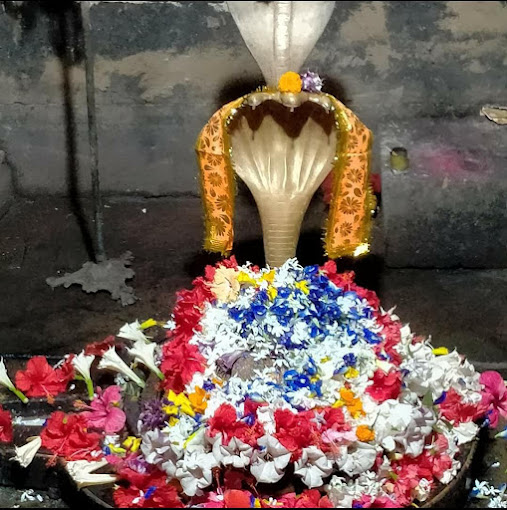
Evening visits bring somewhat more activity, particularly after work hours when local families arrive. However, the temple maintains a calm character throughout the day compared to larger Bhubaneswar temples. The intimate setting supports the kind of unhurried, personal worship that draws serious devotees. Local practice during Shravan month (the monsoon season sacred to Shiva) includes offering water at this temple after visiting Bindusagar Lake, believed to carry particular spiritual efficacy. Some visitors come simply to sit in the mandapa in early morning silence, viewing this quiet presence itself as a form of worship suited to times of emotional stress or confusion.
Architecture and Physical Setting
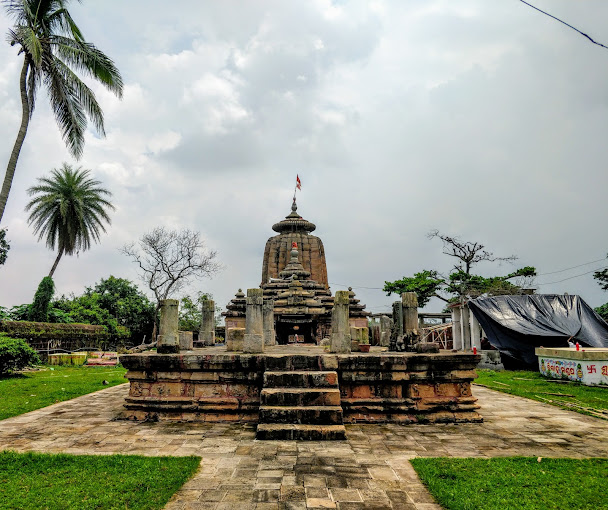
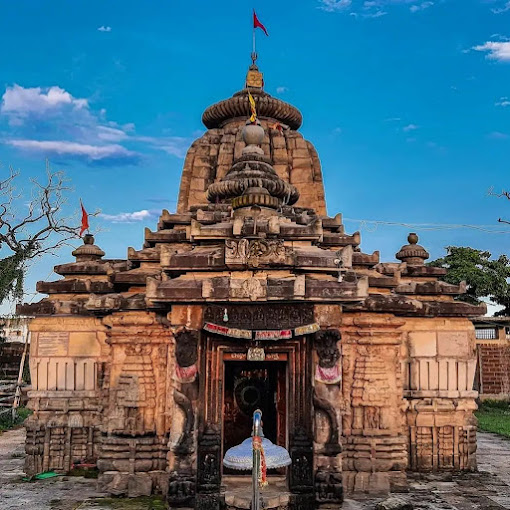
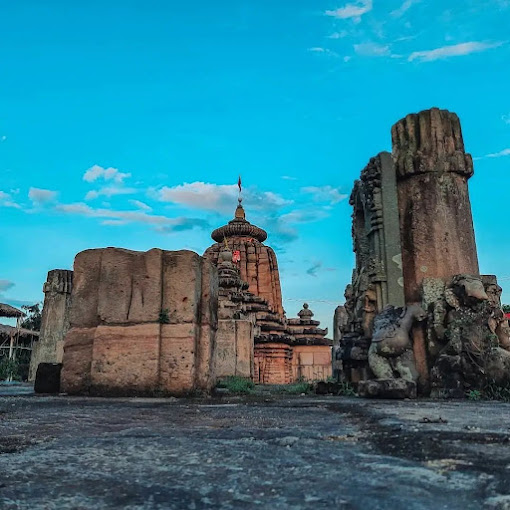
The temple dates to the later phase of Kalinga architectural tradition, a period when smaller shrines were constructed around major spiritual centers. While the sources do not detail the full architectural vocabulary of the structure, the presence of a gopuram (tower), mandapa (hall), and sanctum indicates a conventional Odia temple plan adapted to modest scale.
The carved stone elements visible in morning light suggest craftsmanship typical of 12th-century work in the region. The temple's understated design—never intended to rival Lingaraj in grandeur—reflects its historical purpose as a focused spiritual site rather than a major ceremonial hub.
Visiting Practicalities
Reaching the temple requires navigation through Old Town Bhubaneswar's narrow lanes. From Master Canteen or the railway station, an auto-rickshaw to "Old Town Bindusagar" costs approximately ₹120–₹180. From AG Square, the journey takes 10–15 minutes by auto. Those coming from Lingaraj Temple can walk in 8–10 minutes through small temple lanes. Google Maps proves unreliable in these narrow streets; instead, reach Bindusagar Lake first, then ask locals for directions to Jaleswar Mandir.
Parking is limited near the temple itself; it is better to park near Bindusagar Lake and walk. Dress modestly as at any Hindu temple. No specific dress code is mentioned in the sources, but the general practice for Shiva temples is to remove shoes before entering the sanctum and to dress conservatively. The temple accepts free entry; donations are optional. Flower shops and prasad stalls operate nearby, offering flowers and blessed food for offering and consumption.
Local Spiritual Tradition
Jaleswar represents a tradition of understated, inward-focused devotion. Unlike larger temples that draw crowds for elaborate rituals and festivals, this shrine attracts those seeking authentic, personal connection with the divine. Local belief holds that the temple served historically as a spiritual resting point for sages moving between major shrines—never meant to be grand, but meant to be intense.
During Mahashivratri, the annual festival honoring Shiva, the temple becomes notably active, though it remains more controlled and personal than larger centers. The emphasis throughout the year falls on quiet presence, water offerings during sacred seasons, and the kind of worship that requires no intermediary ritual—simply sitting, listening, and being present.
How to reach
Temples near Jaleswar Siva Temple Precinct
Kalabhairavi Temple
Kalabhairavi Temple in Bhubaneswar houses a four-armed Chamunda deity seated upon a corpse, representing a fierce manifestation of the divine feminine within the Jaleswar Siva T…

Kalikadevi Temple
Kalikadevi Temple in Bhubaneswar's Old Town enshrines a four-armed goddess manifestation of Kali, serving as an active community worship site positioned along the sacred route b…
Maa Tarini Temple
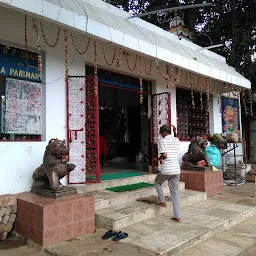
Maa Tarini Temple in Bhubaneswar is a neighborhood shrine dedicated to the goddess Tarini, revered in Odia tradition as a guardian deity who tests faith and guides life decisions.
Mangala Temple
Mangala Temple in Patia, Bhubaneswar, enshrines the four-armed goddess Mangala and has been maintained by local residents since its 19th-century construction.
Mahalakshmi Temple
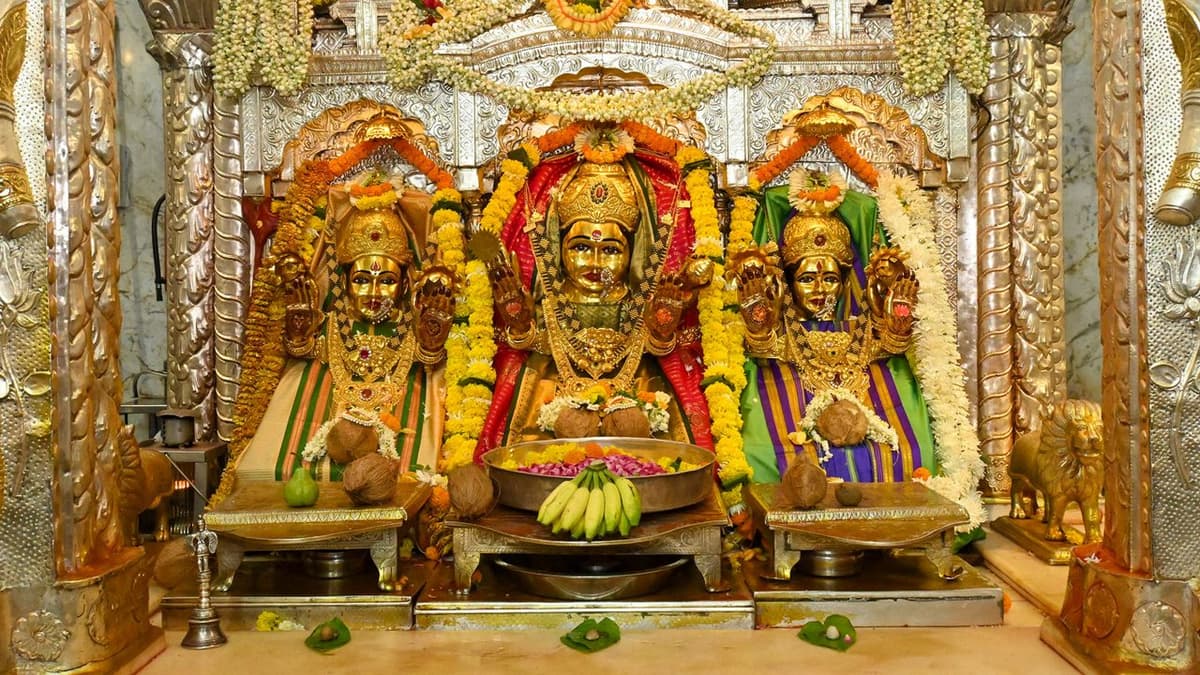
Mahalakshmi Temple in Bhubaneswar is dedicated to Goddess Lakshmi, the deity of wealth and prosperity, serving as a community spiritual center in the Sisupalgarh area.
Ghanteswara Siva Temple
Ghanteswara Siva Temple is a small shrine located within the Kapileswara temple precinct, housing a Siva-lingam enshrined on a square laterite yonipitha with distinctive archite…