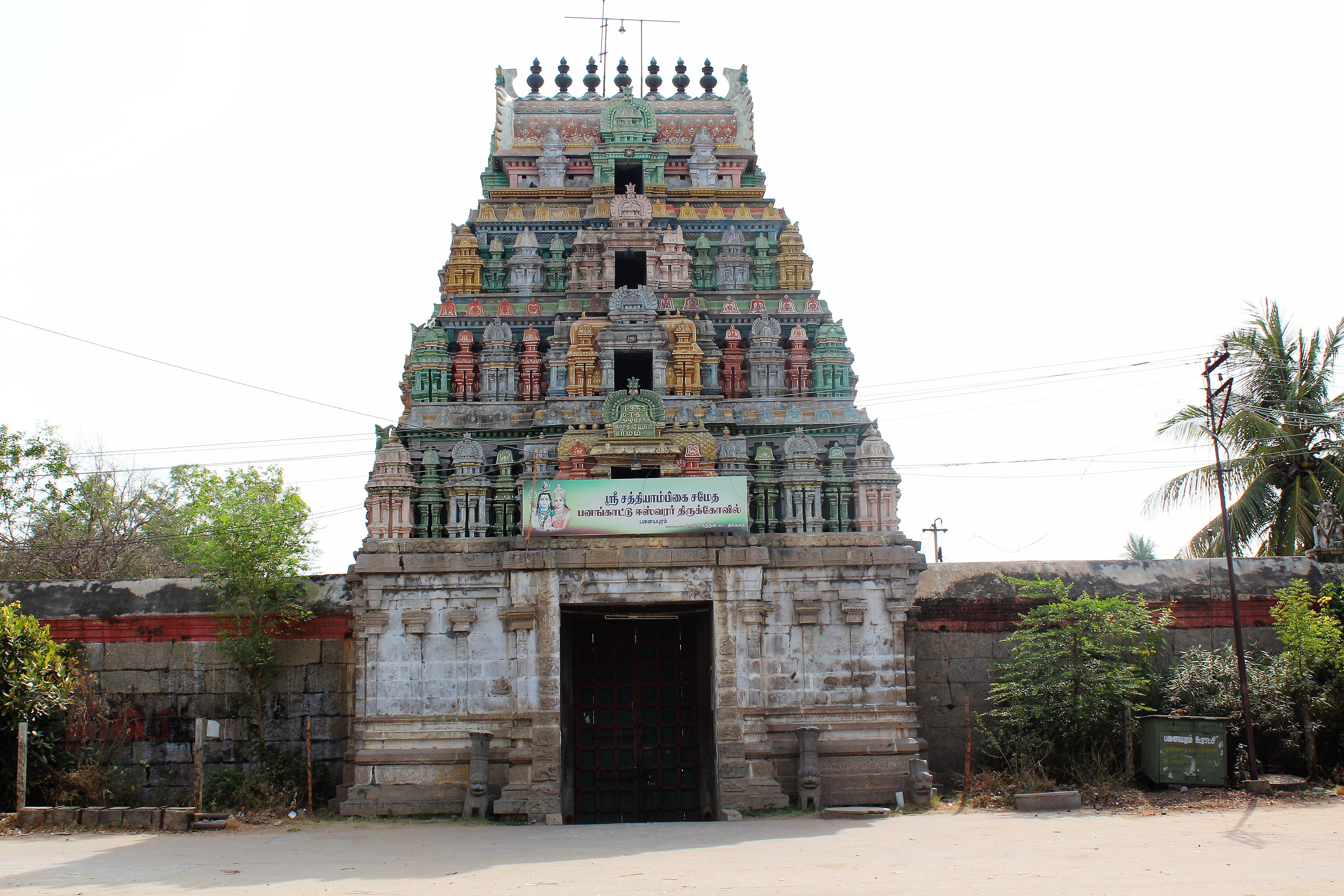
Netroddharakaswami Temple
About Netroddharakaswami Temple
The classification as a Paadal Petra Sthalam connects this temple to a broader tradition of sacred geography within Tamil Shaivism. The Nayanars, whose compositions date across several centuries, identified and praised specific temples through their verses. This recognition elevated such temples within the devotional landscape, drawing pilgrims who sought to visit the very places immortalized in saint-poetry. For visitors, this status signals that the temple holds deep roots in Tamil religious and cultural memory, though the specific Nayanar compositions associated with this site should be confirmed through temple authorities or scholarly sources.
Visiting the Temple: Dress and Etiquette
Visitors to Shiva temples in Tamil Nadu follow established conventions of dress and conduct. Men typically wear a dhoti or simple trousers paired with a shirt; women generally wear a saree or salwar kameez. Leather items—belts, shoes, bags—are not worn into the inner sanctum. Shoes are removed before entering the shrine proper. These practices reflect respect for the sacred space and the deity. Photography within the temple may be restricted, particularly in the sanctum; visitors should seek permission from temple staff before taking photographs of the deity or active rituals. The temple likely observes the Hindu lunar calendar, meaning festival dates and special worship occasions shift annually. Checking with the temple administration about upcoming observances, auspicious days, and any times when public darshan may be limited will help ensure a meaningful visit.
The Temple's Setting and Access
Panaiyapuram lies in the inland portion of Viluppuram district, away from the coast. The village location means the temple is accessible by road, though visitors should confirm current transportation options and road conditions before traveling. The nearest major town or railway station should be verified with local sources or the temple administration, as the sources do not specify these details. Visitors planning to reach the temple should gather practical information about local transport, accommodation options in nearby towns, and any seasonal factors that might affect accessibility.
Daily Worship and Darshan
As a Shiva temple, Netroddharakaswami likely follows the ritual patterns common to such shrines, though specific details about daily aarti timings, abhisheka schedules, and darshan hours are not provided in available sources. Visitors should contact the temple directly to learn about the timing of major rituals, the best times for darshan, and whether particular days or hours are reserved for specific ceremonies that might affect public access. Understanding these rhythms will help visitors plan their visit to coincide with meaningful moments of worship.
History and Architecture
The temple's establishment in the 11th century places it within a period of significant temple construction and consolidation across Tamil Nadu. Beyond this founding date and its Paadal Petra Sthalam status, detailed information about the temple's architectural features, sculptural elements, or historical development is not available from the sources provided. Visitors interested in the temple's architectural heritage and historical evolution should inquire with temple staff or consult local historical records and scholarly studies of medieval Tamil temples.
How to reach
You may also visit
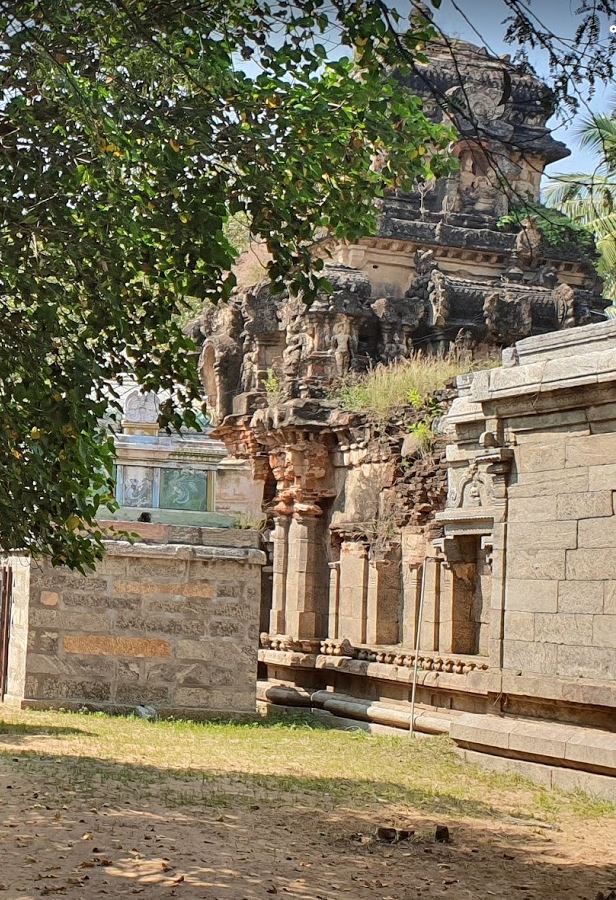
Agatheeswarar Temple, Karur
Agatheeswarar Temple in Thirumukkudalur, Karur district, is an ancient Hindu shrine dedicated to Shiva, situated at the sacred confluence of three rivers and believed to be over 1000 years old.
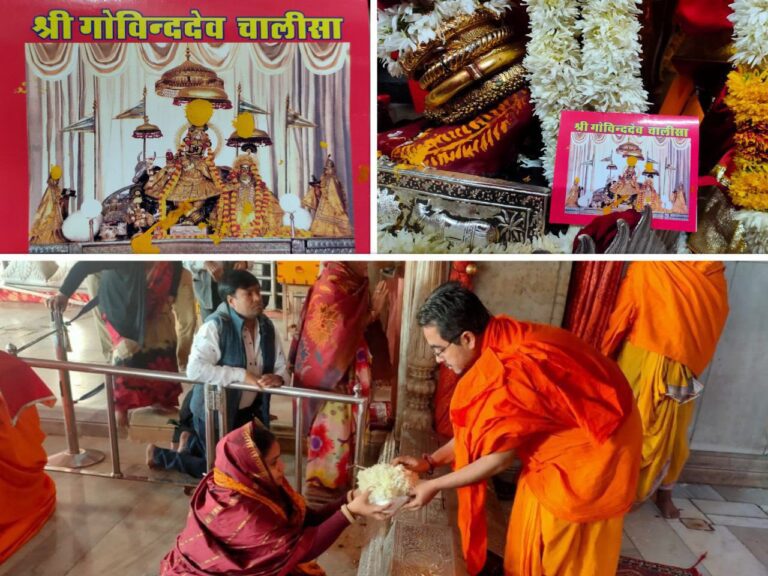
Kalyanji Temple
Kalyanji Temple in Jaipur's Chandpol Bazaar is an ancient Krishna shrine established in the 1820s, renowned for its seven daily aartis and special avatar darshan ceremonies during Akha Teej and Patottsav festivals.
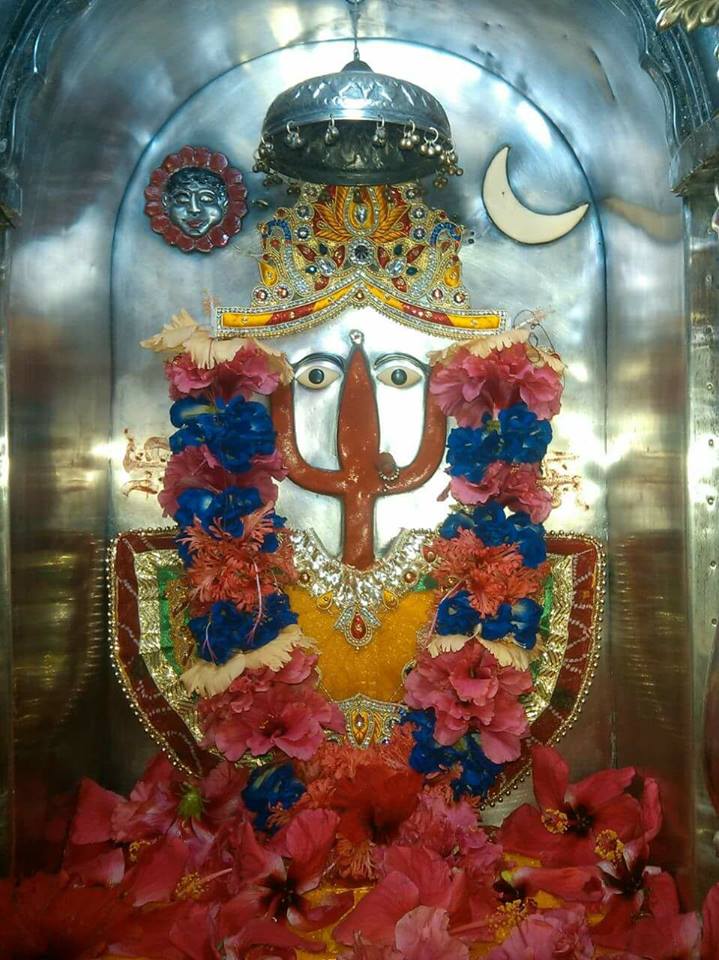
Rani Sati Mandir Mahuda
Rani Sati Mandir in Mahuda, Dhanbad District, is a Hindu temple established in 1992 that serves as a spiritual center for the local community and attracts devotees seeking blessings.