
Loyang Tua Pek Kong temple
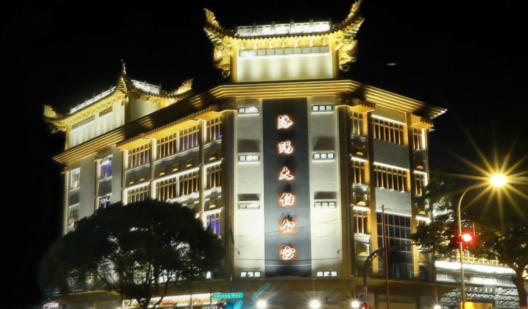
About Loyang Tua Pek Kong temple
The temple is open daily from 8:00 AM to 10:00 PM, including weekends and public holidays. This extended schedule allows devotees flexibility in timing their visits according to their personal routines. The temple is located at coordinates 1.3708333333333, 103.96972222222 in Singapore. Visitors should plan their visit within these operating hours to ensure the temple is open.
Worship and Daily Practice
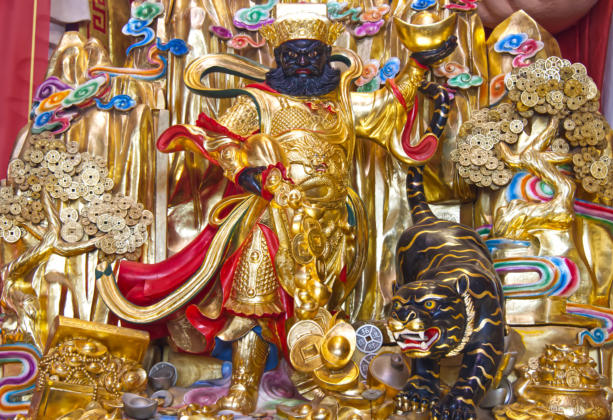
Devotees visit Loyang Tua Pek Kong to seek blessings from the God of Fortune and other deities housed within the temple. Chinese temples of this tradition typically feature altar spaces where worshippers make offerings and prayers. The specific rituals and practices observed at the temple follow the customs associated with Tua Pek Kong veneration, though detailed information about daily ceremonies is not extensively documented in available sources. Visitors are welcome to participate in worship according to their own devotional practices and understanding of temple etiquette.
Major Festivals and Celebrations
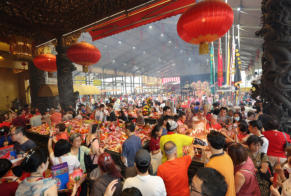
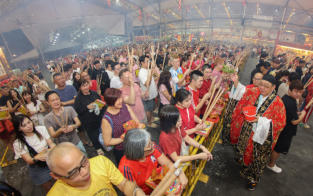
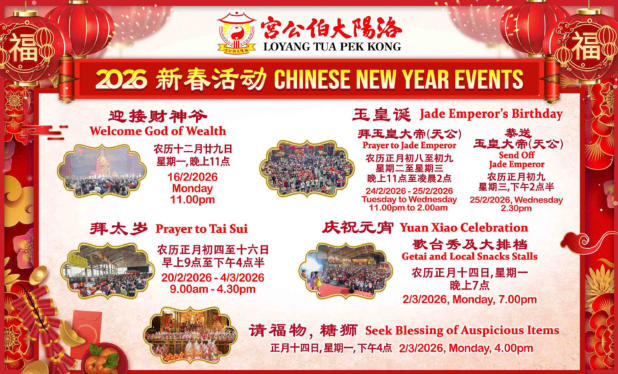
The temple observes several significant festivals throughout the year. The Fortune God's Birthday is celebrated in February, marking an important occasion for devotees to pay respects and seek blessings. The Yuan Xiao Celebration, also known as the Lantern Festival, takes place in March. The Tiger God's Birthday is also commemorated during this period. Additionally, the temple celebrates its own birthday with extended festivities spanning multiple days in March, culminating in a special dinner event. Chinese New Year is observed with prayers to welcome the God of Fortune on the eve of the celebration. These festivals draw devotees to the temple for special prayers and communal observances.
The Three Treasures
The temple identifies itself through "The Three Treasures," though specific details about what these represent in the temple's particular tradition are not fully elaborated in available sources. This concept reflects deeper spiritual principles within Chinese temple practice, and visitors interested in understanding this aspect may wish to inquire directly with temple staff during their visit.
What Visitors Should Know
Visitors to Chinese temples should approach with respect for the sacred space and the devotional practices of worshippers. Modest dress is generally appropriate when visiting temples. Photography policies vary by temple; visitors should observe any posted guidelines or ask permission before taking photographs. The temple welcomes people of all backgrounds, though visitors should be mindful of ongoing prayers and rituals. If you are unfamiliar with temple customs, observing quietly and following the example of other devotees is a respectful approach. The temple's extended hours until 10:00 PM accommodate various schedules, making it accessible for both morning and evening visits.
Planning Your Visit
Before visiting, check the temple's website or contact them directly for any specific information about current events, special prayers, or temporary closures. If you plan to visit during a festival period, arriving earlier in the day may provide a less crowded experience. The temple's location in Loyang is accessible by Singapore's public transport system. Whether you visit for personal spiritual reasons or to experience Singapore's Chinese temple culture, Loyang Tua Pek Kong offers an active and welcoming space for worship and reflection.
How to reach

Temples near Loyang Tua Pek Kong temple
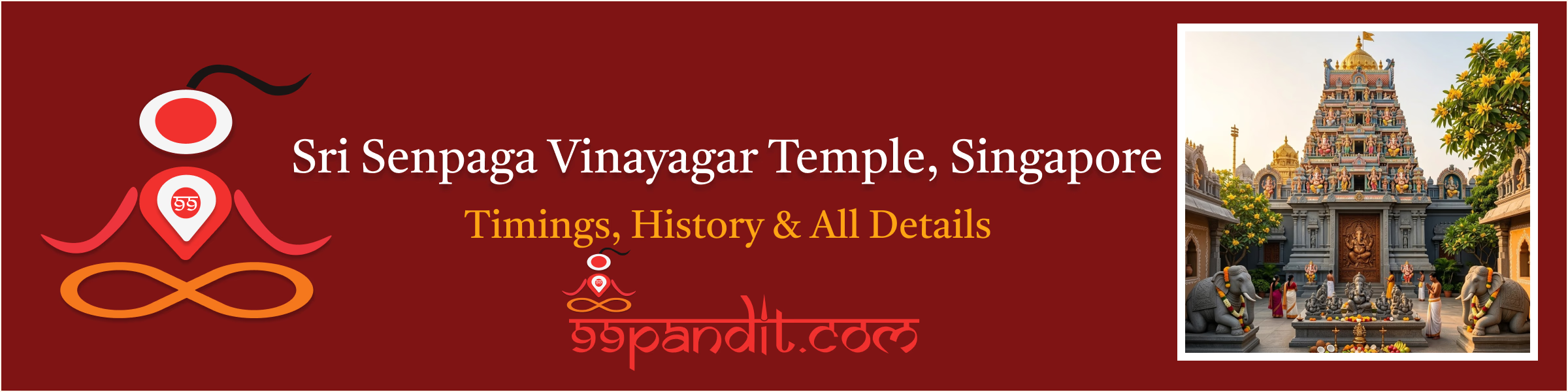
Sri Senpaga Vinayagar Temple
Sri Senpaga Vinayagar Temple is one of Singapore's oldest Hindu temples, established in the 1850s by Ceylon Tamil immigrants and dedicated to Lord Ganesha. Notable for its 21-me…
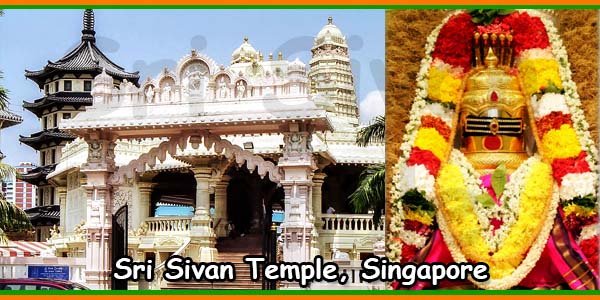
Sri Sivan Temple
Sri Sivan Temple is a Hindu temple dedicated to Shiva, established by Tamil communities in Singapore. Located near Paya Lebar MRT station in Geylang, it serves as a major center…
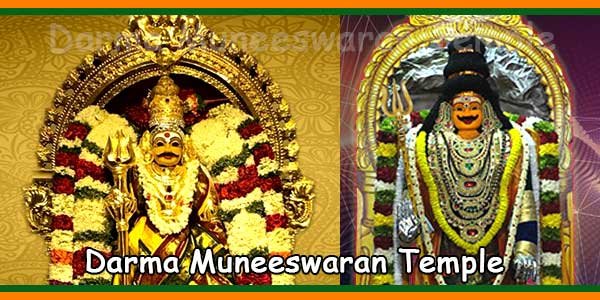
Sri Darma Muneeswaran Temple
Sri Darma Muneeswaran Temple in Serangoon North, Singapore, has served as a spiritual guardian for over a century, evolving from a simple shrine beneath a Bodhi tree into a vibr…
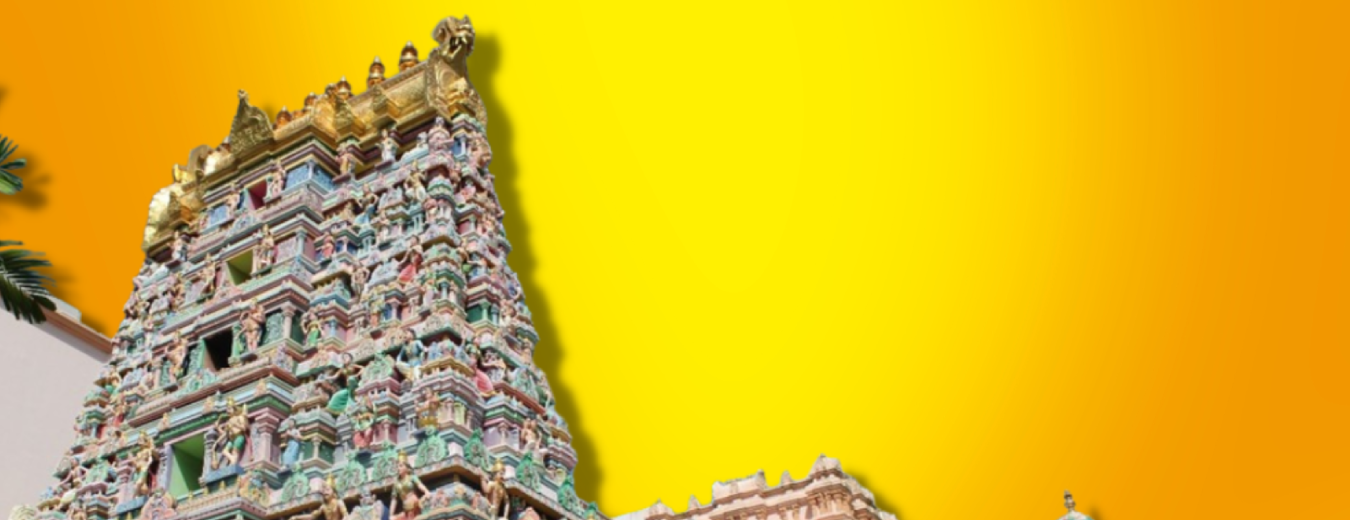
Sri Sivadurga Temple
Sri Siva Durga Temple in Singapore, established in 1906, is a Hindu temple dedicated to multiple deities including Shiva, Durga, and Murugan. The temple conducts daily poojas an…
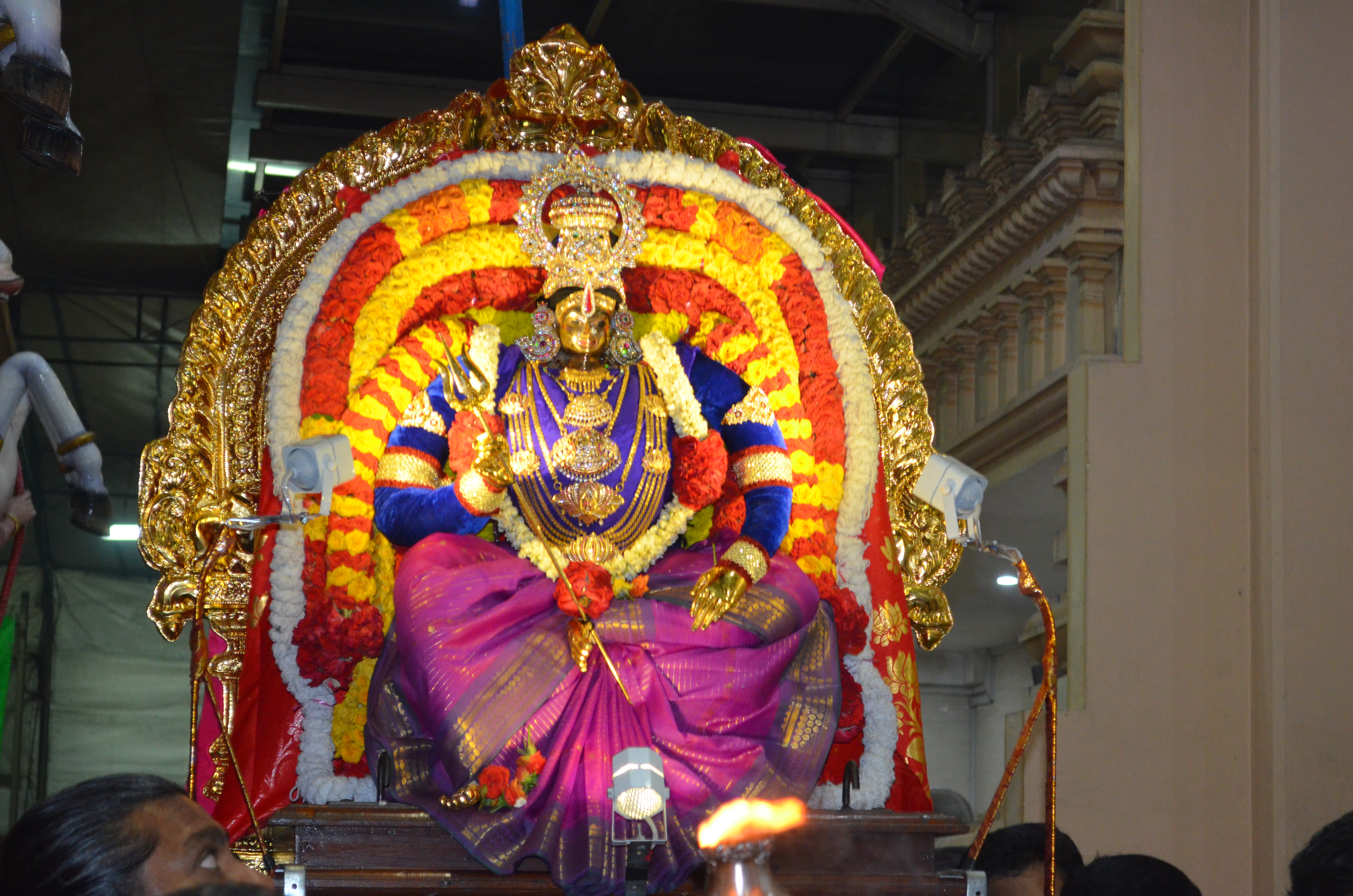
Toa Payoh Vairavimada Kaliamman Temple
Sri Vairavimada Kaliamman Temple in Toa Payoh, Singapore, is a Hindu temple dedicated to the goddess Kaliamman, established in 1982 by the Tamil-speaking community.
Sri vairavimada kaliamman temple
Sri Vairavimada Kaliamman Temple in Toa Payoh is a Hindu temple dedicated to Kaliamman, established in 1982 by the Tamil-speaking community and managed by the Hindu Endowments B…