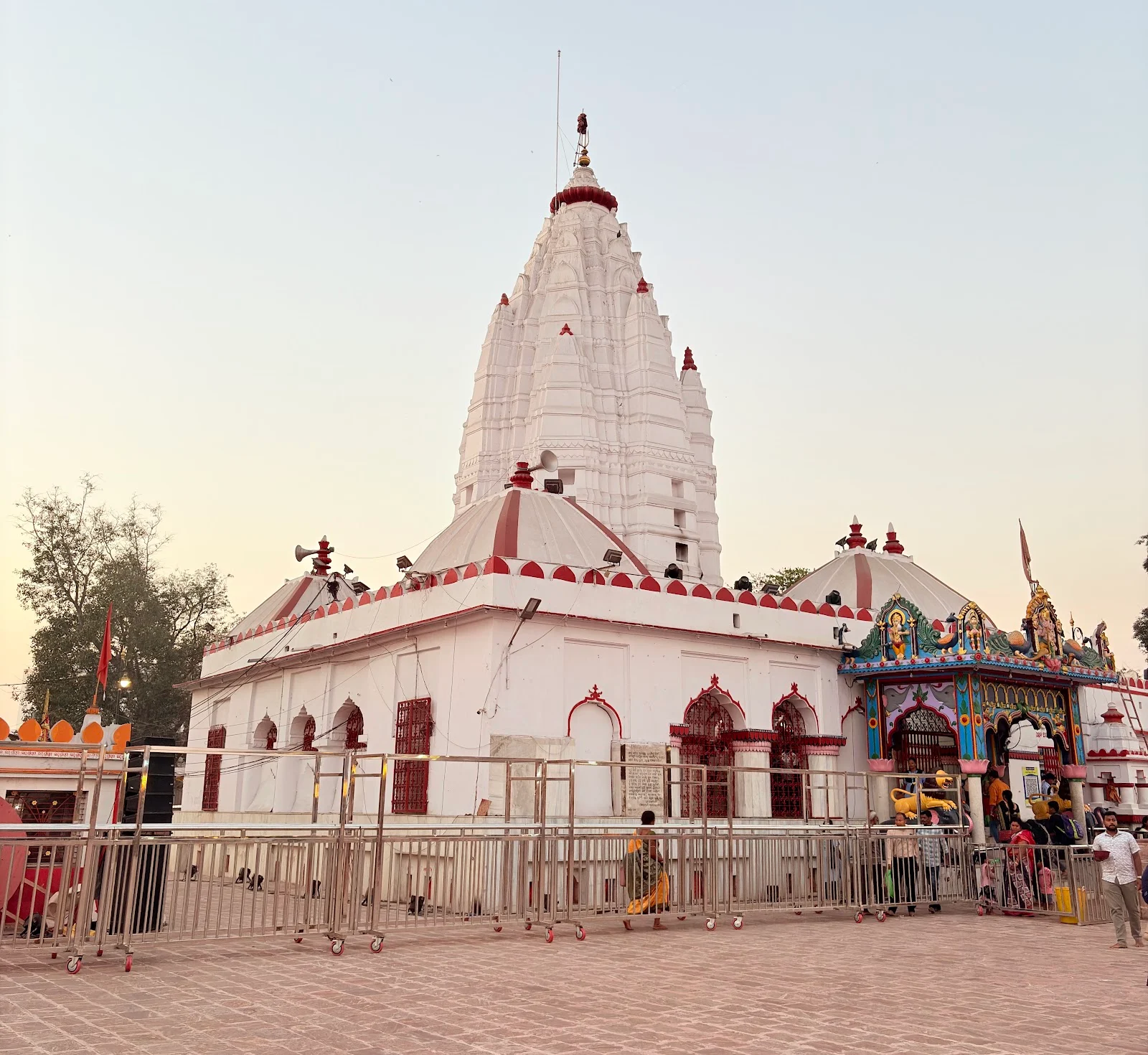
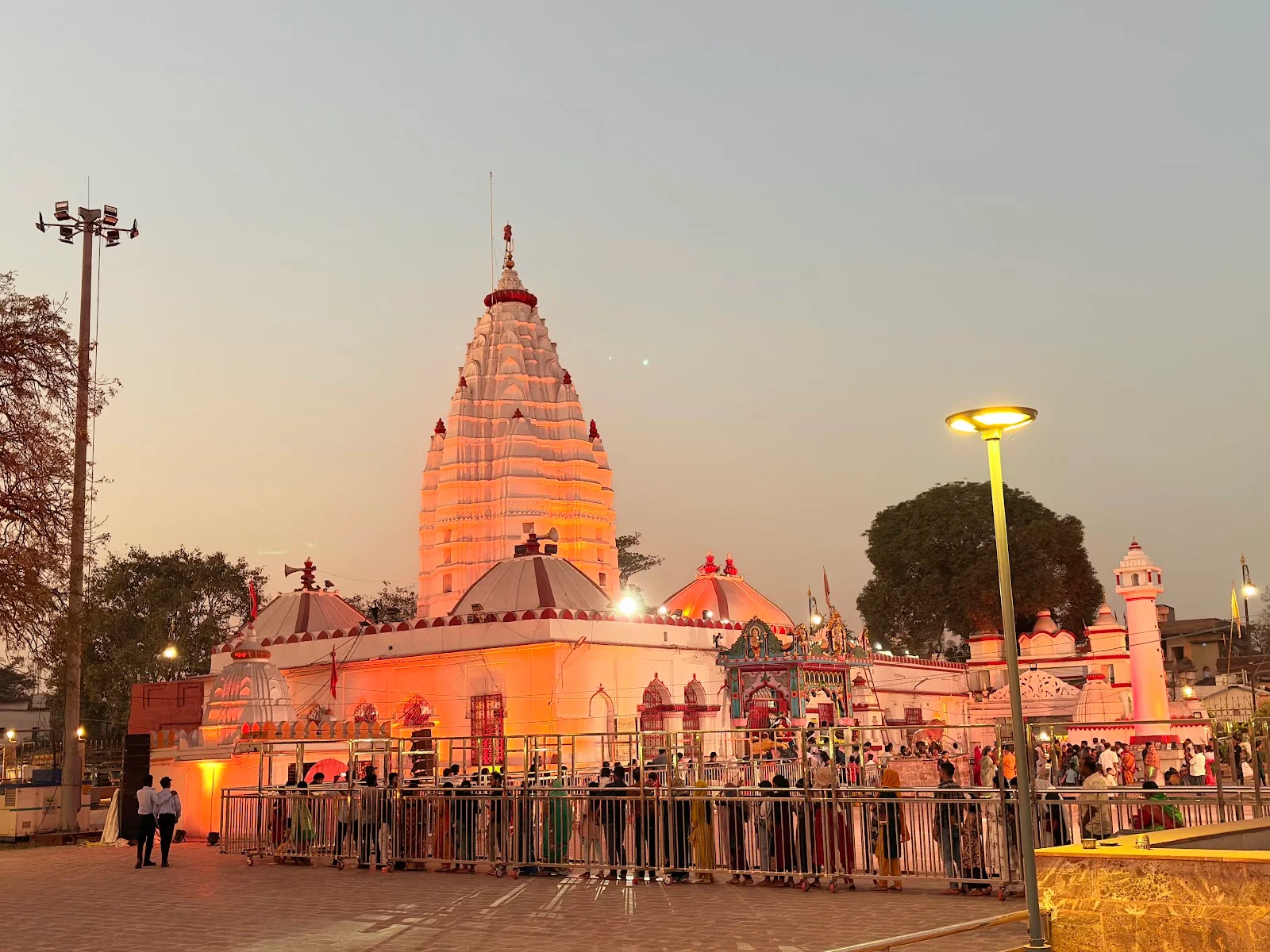
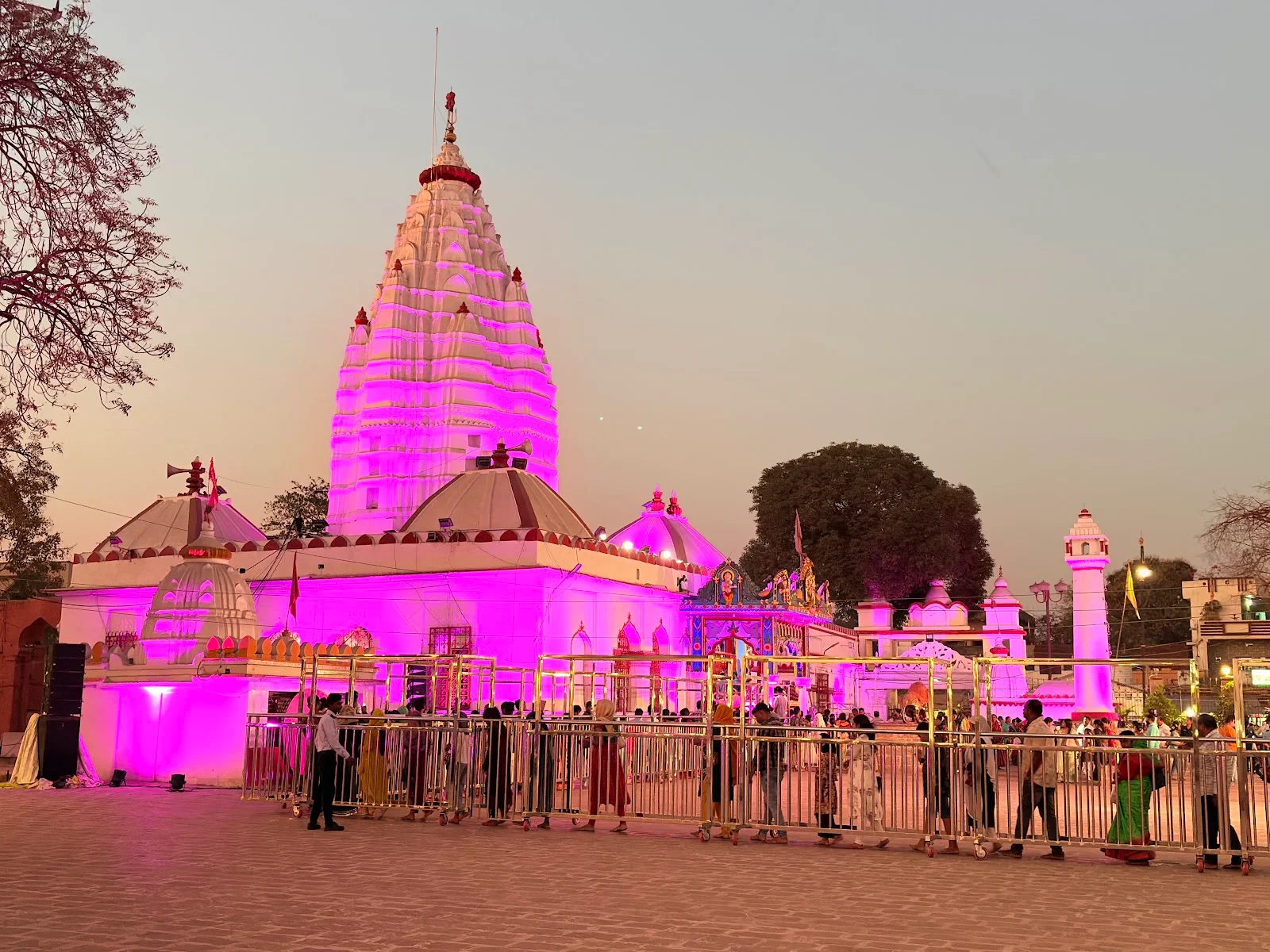
Maa Samleswari Temple
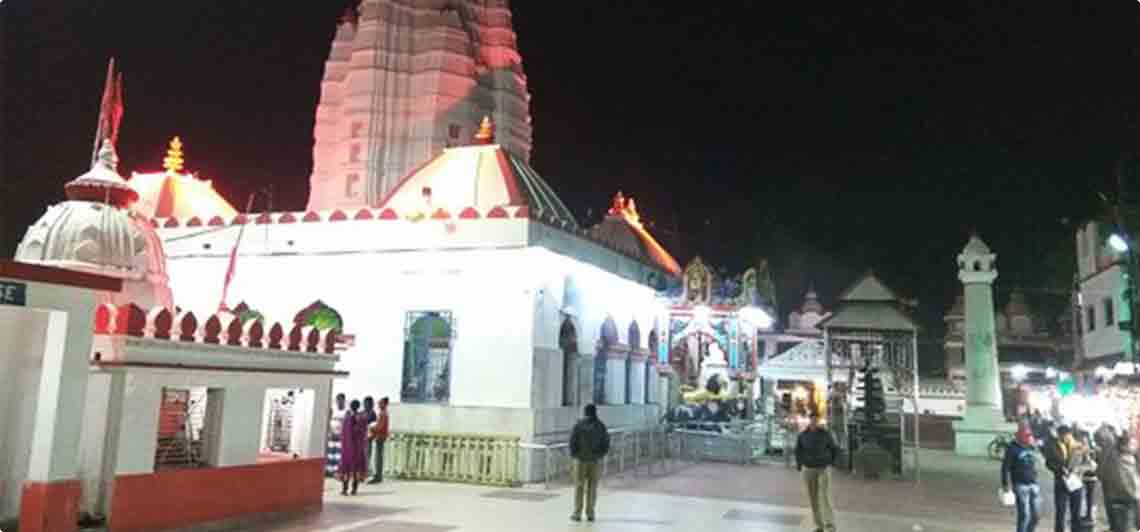
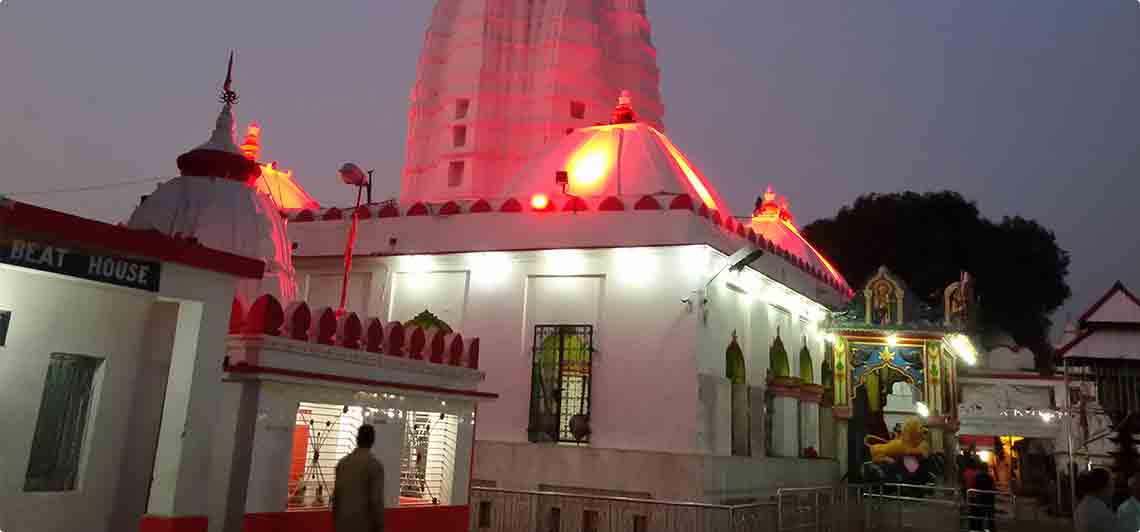
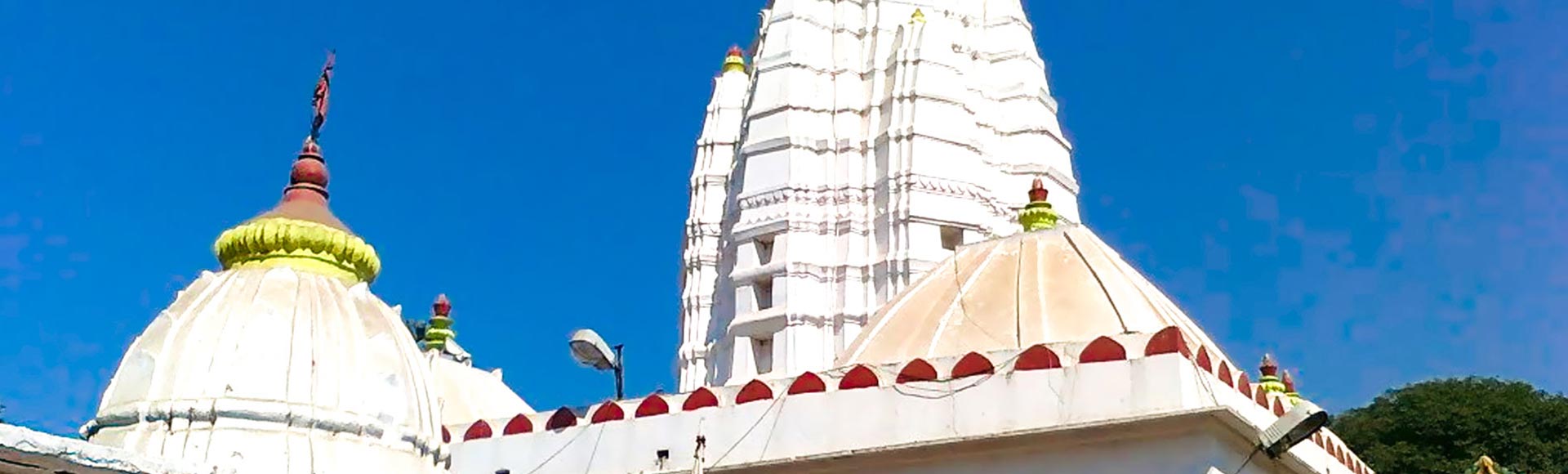
About Maa Samleswari Temple
The temple opens daily throughout the year for darshan. The primary ritual observed by visitors is the Sandhya Aarti (evening worship) at 19:00, when the goddess is honoured with ceremonial offerings and prayers. This evening ritual creates an intensified spiritual atmosphere and represents the main opportunity for most visitors to participate in formal worship. The temple maintains daily rituals beyond the evening aarti, though specific details of morning or midday ceremonies are not documented. Devotees should plan their visit around the 19:00 timing if they wish to experience the aarti.
Festivals and Celebrations
The temple observes two major festivals that transform the spiritual atmosphere and draw larger gatherings of devotees. Nuakhai, a regional harvest festival, and Navaratri, the nine-day celebration of the goddess, are noted as offering the most vibrant spiritual experiences. These periods see intensified worship with special pujas conducted throughout the festival days. Visitors planning to experience the temple at its most active should consider timing their visit for October to February, the season when both festivals typically occur and when weather conditions are also most favourable for travel.
Practical Information for Visitors
The temple is situated approximately two kilometres from Sambalpur railway station and seven kilometres from the private bus stand, making it accessible by road for those arriving by train or bus. Basic visitor facilities are available, including footwear stands and cloak rooms for securing belongings during darshan. Nearby dharamshalas and hotels provide accommodation options for pilgrims wishing to stay overnight. The best time to visit is October to February, when temperatures are moderate and the major festivals create a particularly meaningful atmosphere for worship. Visitors should dress modestly as is customary at Hindu temples, and remove footwear before entering the sanctum. Photography policies should be confirmed at the temple entrance, as restrictions may apply during active worship.
Approaching the Temple
Visitors arriving by rail should head toward the temple from Sambalpur railway station; local transport or walking is feasible given the proximity. Those using the bus stand will find the temple a short journey away. The riverbank location means the approach to the temple offers views of the Mahanadi, which adds to the pilgrimage experience. It is advisable to confirm current darshan timings and any festival-related schedule changes by contacting the temple directly before travelling, as timings may vary on festival days.
How to reach

You may also visit
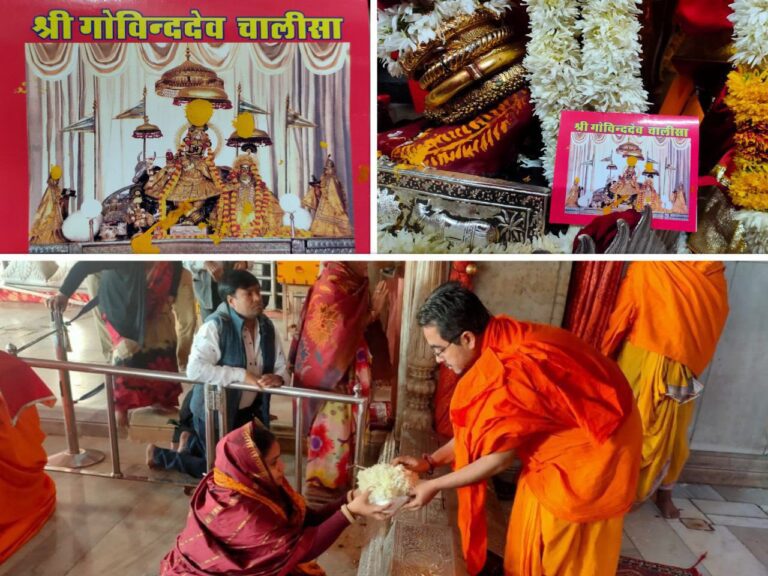
Kalyanji Temple
Kalyanji Temple in Jaipur's Chandpol Bazaar is approximately two centuries old and renowned for displaying the twenty-four avatars of Krishna, visible only twice yearly during Akha Teej and Patottsav festival.
Sastha (Ayyappan) Temple
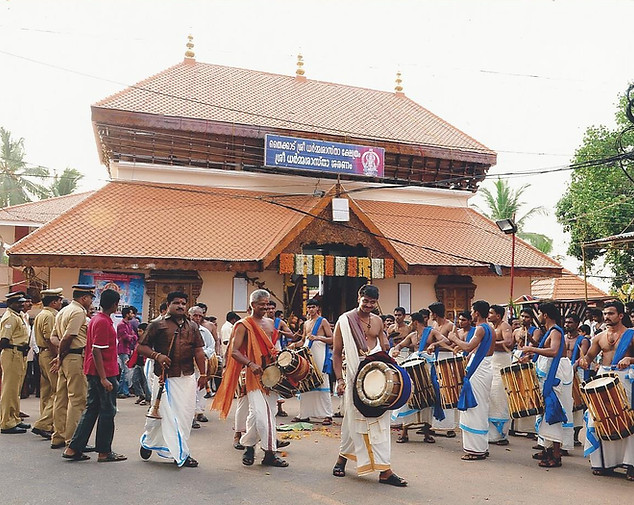
Sree Dharma Sastha Temple in Thycaud, Thiruvananthapuram, is a centuries-old shrine where the deity manifests as Dhanwanthari, the divine healer, holding the sacred blue lotus.
Govindarajaswamy Temple
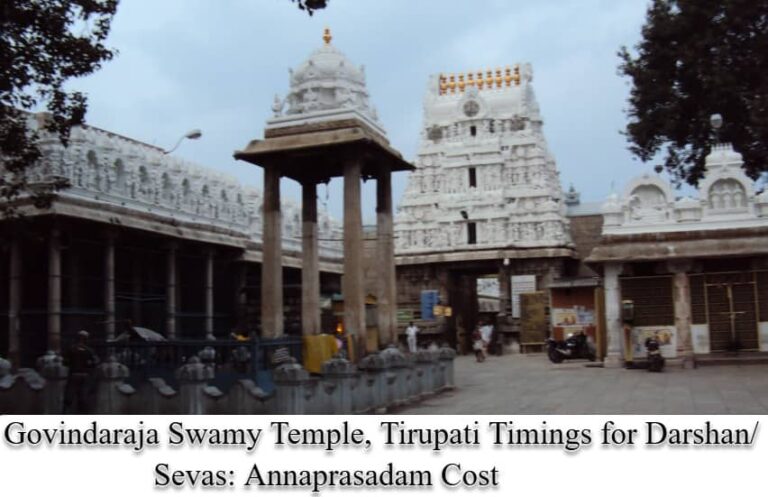
Sri Govindarajaswamy Temple in Tirupati is an ancient Vaishnavaite shrine consecrated in 1130 AD by Saint Ramanuja, where the presiding deity rests in eternal Yoga Nidra on the serpent Adisesha.