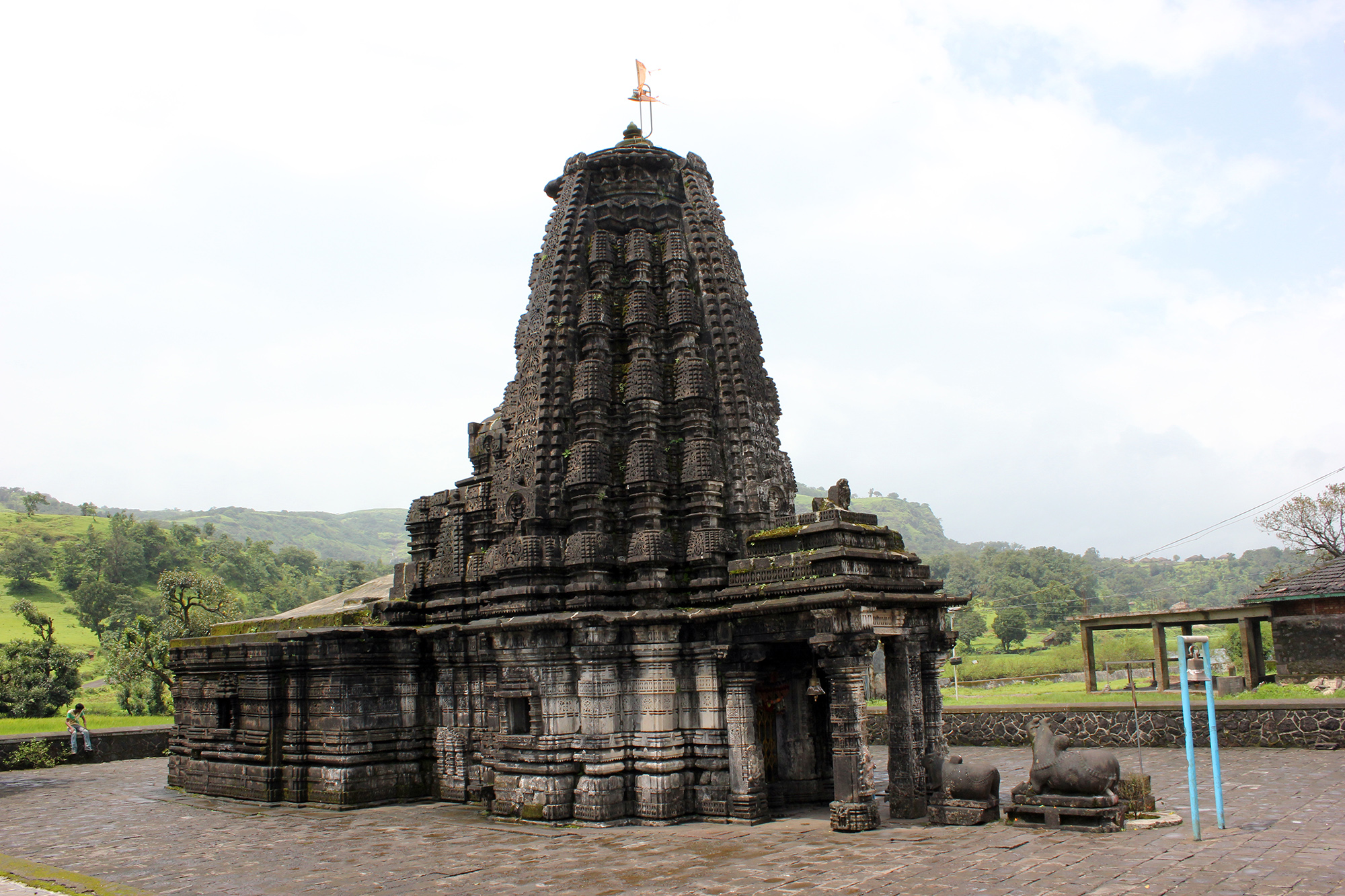

Lakhamandal temple, ruins and images
About Lakhamandal temple, ruins and images
The temple's origins extend deep into antiquity, with archaeological evidence pointing to construction activity between the 5th and 8th centuries BCE, though the main structure visible today dates to the 12th–13th century CE. Built in the Nagara architectural style characteristic of Garhwal and Himalayan hill regions, the temple reflects the North Indian temple-building tradition. The Archaeological Survey of India recognises the complex as a protected monument of national importance, preserving its historical integrity for future generations.
The site carries significance in the Mahabharata tradition. According to legend, this location marks where the Kauravas constructed the 'house of lac' with the intention of immolating the Pandava brothers. The narrative holds that the Pandavas escaped through a secret tunnel, transforming the site into a place of both danger and deliverance within Hindu epic memory.
The Graphite Lingam and Temple Features
The temple's most distinctive feature is a graphite stone lingam that possesses reflective properties—when water is offered to it, the stone shines and mirrors its surroundings. This optical quality has made it a focal point of devotion and wonder for visitors. Twin idol gatekeepers stand near the main temple entrance; local tradition associates these figures with either Bhima and Arjuna from the Mahabharata narrative, or with Jaya and Vijaya, the divine gatekeepers of Hindu cosmology. These sculptural elements anchor the temple within both epic and devotional frameworks.
Daily Worship and Rituals
The temple opens for darshan from 6:00 AM to 7:00 PM daily, with entry available free of charge. The Sandhya Aarti, an evening ritual honouring the deity, takes place at 7:00 PM. Timings may shift on festival days, so confirmation with the temple office beforehand is advisable, particularly if planning a visit around significant observances.
Early mornings between 5:00 and 8:00 AM offer the quietest and most contemplative atmosphere for darshan. Weekdays generally see fewer visitors than weekends, allowing for a more intimate experience of the sacred space. The winter and summer months provide favourable conditions for the journey to this Himalayan site.
Festivals and Sacred Seasons
The temple observes several major festivals throughout the year. Maha Shivaratri, celebrated in February or March, marks a significant occasion in Shiva worship across Hindu tradition. Baishakhi, falling on April 15, and the month of Shravan or Sawan (July–August) also draw devotees in larger numbers. During these periods, the temple receives special decoration and conducts enhanced rituals, creating occasions for community gathering and intensified spiritual practice.
Visiting Information and Access
The temple is located at Lakhamandal-Goraghati Road, Punaha Pokhari, Uttarakhand 248124. For inquiries or to confirm timings before travel, the temple office can be reached at +91 93110 52232 or +91 9310158548. The site sits at coordinates 30.7314°N, 78.0676°E, accessible via standard mapping applications.
Visitors should dress modestly, as is customary at Hindu temples—covered shoulders and knees are appropriate. The temple's location on the Yamuna's banks and its position in the Himalayan foothills means weather conditions vary seasonally; appropriate footwear for potentially uneven terrain is practical. As an ASI-protected archaeological site, visitors should treat the ruins and sculptures with care, respecting both their spiritual and historical significance.
How to reach
Temples near Lakhamandal temple, ruins and images
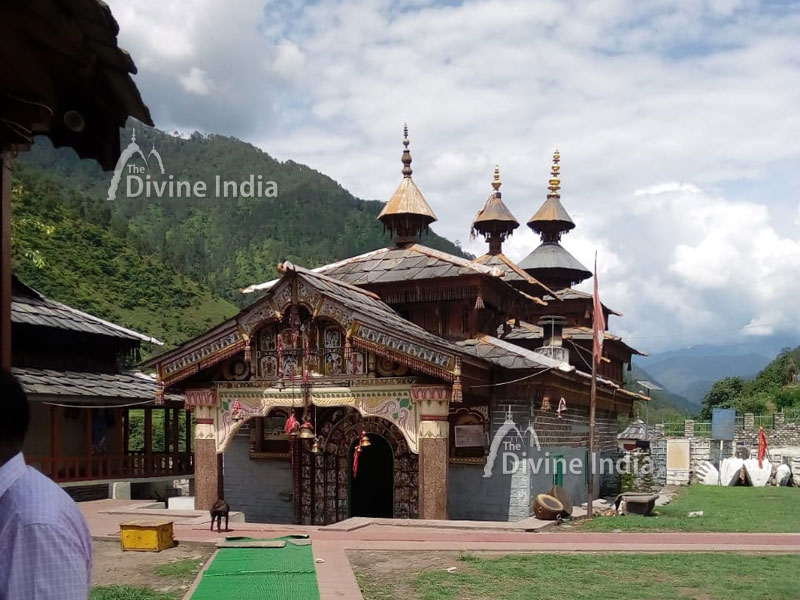
Mahasu Devta Temple
Mahasu Devta Temple stands on the eastern bank of the Tons River in Hanol village, Jaunsar, Dehradun district. Dedicated to Lord Shiva, this ancient hill temple serves as a majo…
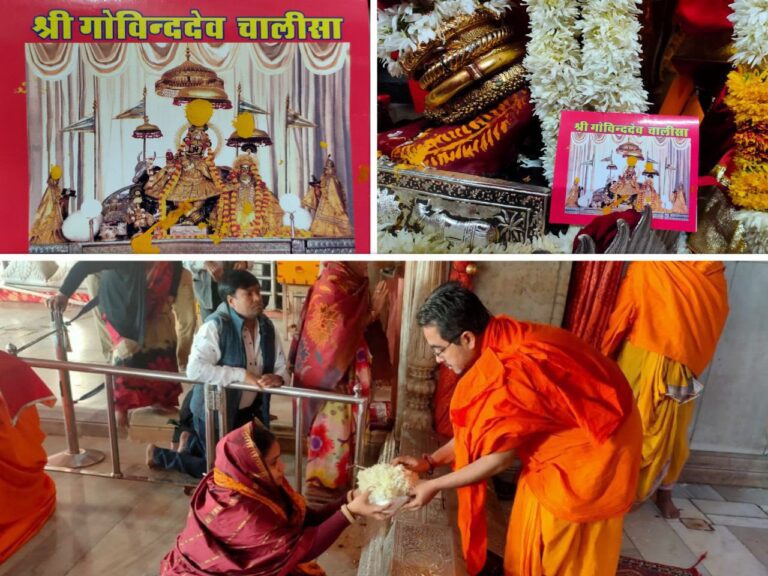
Santala devi temple
Santala Devi Temple is a Hindu shrine perched at 2,083 metres on a hilltop near Dehradun, dedicated to Goddess Santala Devi, believed to be an incarnation of Durga. Visitors asc…
Santola Devi Temple
Santala Devi Temple in Dehradun is a hilltop shrine dedicated to Goddess Durga, accessible via 700 stairs and rooted in a local legend of Princess Santala of Nepal who sought re…
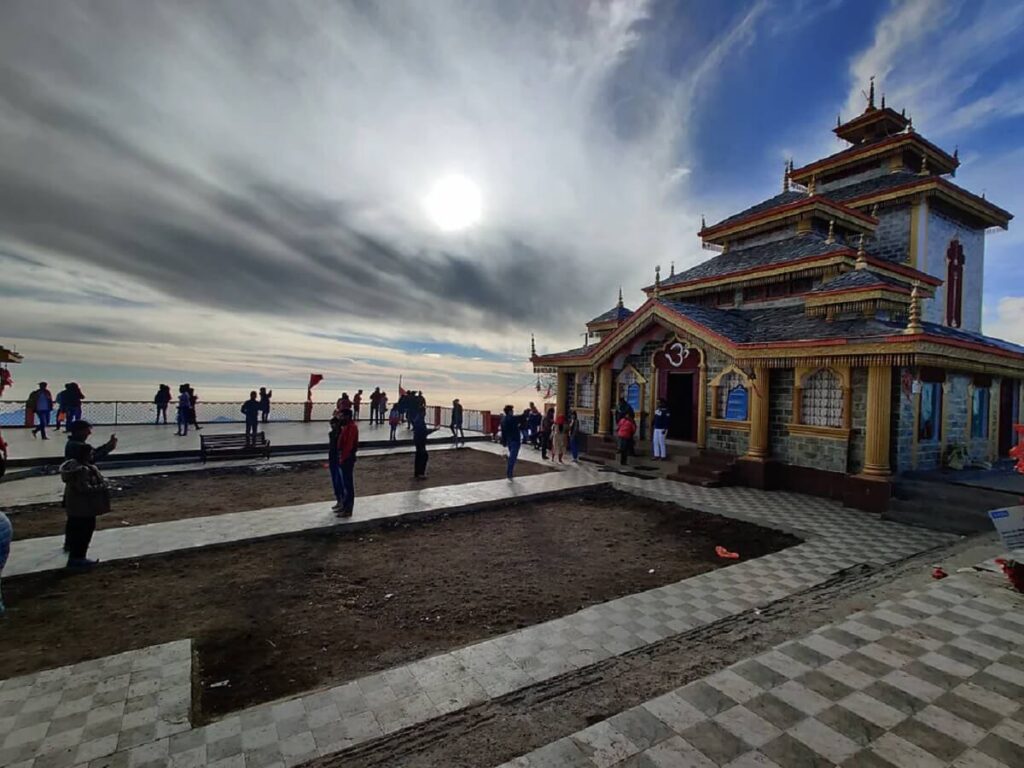
Surkanda Devi
Surkanda Devi Temple is one of India's 51 Shakti Peethas, situated at 2,700 metres in Uttarakhand's Garhwal region near Dhanaulti. Dedicated to Goddess Sati, it is believed to b…
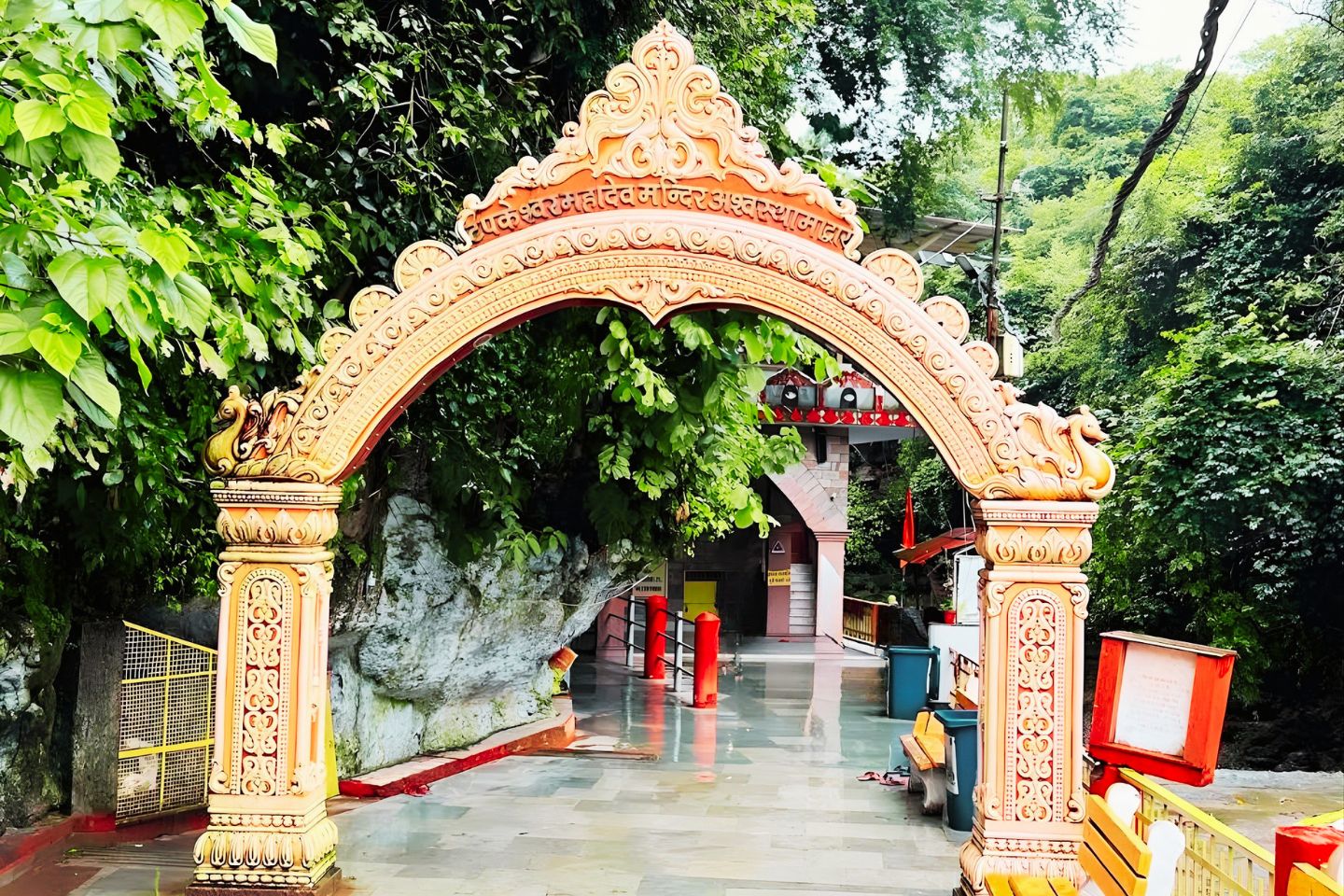
Tapkeshwar Temple
Tapkeshwar Temple is a sacred cave shrine dedicated to Lord Shiva located on the banks of the Tons River in Dehradun, where natural water droplets fall upon the temple's shivali…
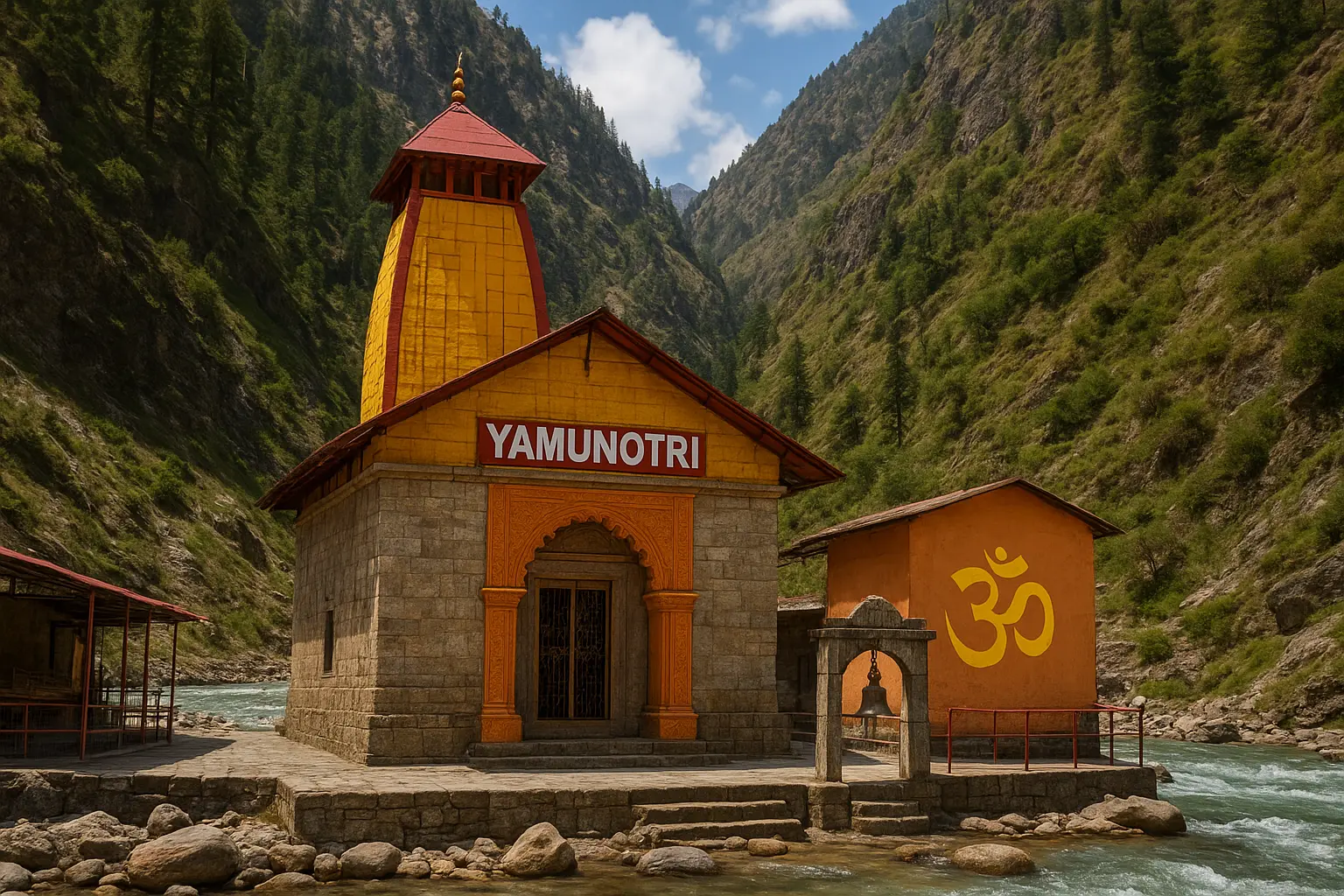
Yamunotri Temple
Yamunotri Temple is a sacred Hindu shrine dedicated to Goddess Yamuna, situated at 3,291 metres in the Garhwal Himalayas near the source of the Yamuna River, featuring a black m…