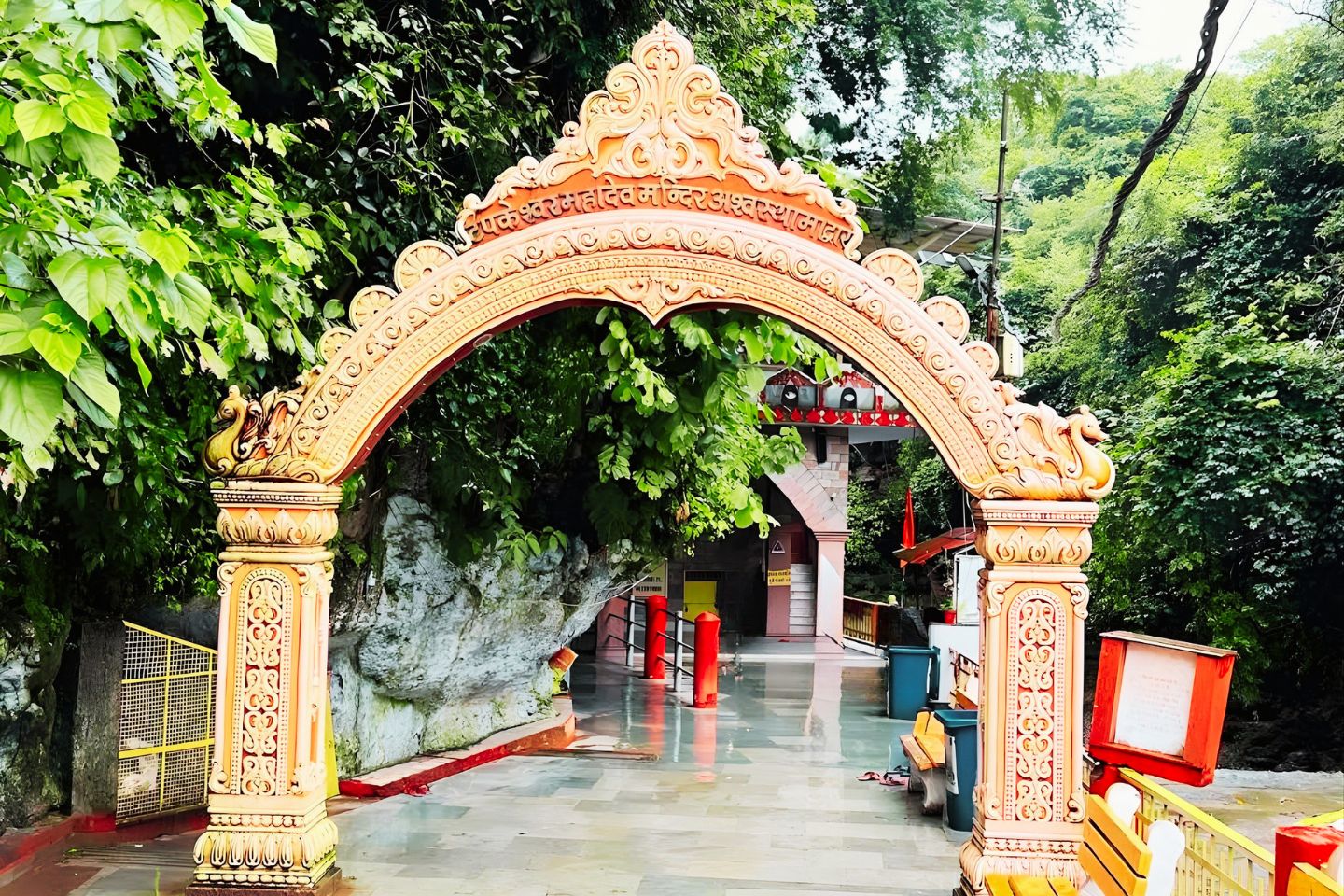
Tapkeshwar Temple
About Tapkeshwar Temple
According to tradition preserved in local accounts, the caves at this site are connected to Guru Dronacharya, the royal preceptor of the Pandavas and Kauravas in the Mahabharata. The caves themselves are sometimes referred to as the Drona caves. A legend associated with the site tells of Ashwathama, Dronacharya's son, who prayed to Lord Shiva when his mother could not provide milk to feed him. The child's devotion is said to have moved Lord Shiva to bless the caves with milk—a narrative that explains both the site's spiritual significance and its name, referencing the dripping water that characterises the location.
This connection to the Mahabharata tradition adds a layer of historical and mythological importance to the shrine, linking it to one of Hinduism's foundational texts.
Daily Worship and Darshan
The temple opens at 4:00 AM and remains accessible until 10:30 PM, allowing devotees flexibility in timing their visits. Morning and evening aartis (ritual worship ceremonies) are performed daily, marking the principal times of formal worship. These aartis follow the traditional practice of honouring the deity through light, sound, and offerings.
Darshan—the viewing of the deity—typically occurs in two windows: morning hours (approximately 6:00 AM to noon) and afternoon into evening (approximately 4:00 PM to 9:00 PM), though these times may shift with festivals and seasons. Visitors should confirm exact timings before planning their visit, particularly during significant observances. There is no entry fee to visit the temple, making it accessible to all devotees regardless of means.
Shivaratri and Annual Observances
Shivaratri, the festival dedicated to Lord Shiva, holds particular significance at Tapkeshwar and typically falls in February or March. The temple hosts the Tapkeshwar Mela (fair) during this period, drawing increased numbers of devotees for this major celebration in the Shiva tradition. The festival carries deep religious importance for those who worship Shiva, and the temple's cave setting creates a distinctive atmosphere for these observances.
Beyond Shivaratri, the temple holds an occasional annual mela, though specific dates and details of other observances are not extensively documented in available sources.
Best Times to Visit
The ideal season to visit Tapkeshwar is between February and May, when Dehradun's weather is mild and pleasant, offering relief from the intense heat that builds across North India in summer months. Shivaratri, falling within this window, represents the most spiritually significant time to visit. The monsoon season brings lush greenery to the surrounding landscape but carries risks of unexpected landslides, making travel less advisable during those months.
The cooler months from October through March also provide comfortable conditions for the short trek required to reach the temple.
Visiting Practicalities
Visitors should be prepared for a short trek to access the shrine, as it is not located at ground level but positioned above the cave. Modest dress is appropriate when visiting a Hindu temple; removing shoes before entering the inner sanctum is standard practice. The temple's location on the river bank and its cave setting mean the environment remains naturally cool and sometimes damp.
The temple's phone number is +91135-2557837 for any enquiries about specific timings or ceremonies. Dehradun itself serves as a convenient base, with the temple situated within the city's outskirts, making it accessible as part of local sightseeing. The city also functions as a stopping point for those travelling to nearby pilgrimage destinations such as Haridwar and Rishikesh.
How to reach
Temples near Tapkeshwar Temple
Santola Devi Temple
Santala Devi Temple in Dehradun is a hilltop shrine dedicated to Goddess Durga, accessible via 700 stairs and rooted in a local legend of Princess Santala of Nepal who sought re…
Santala devi temple
Santala Devi Temple is a Hindu shrine perched at 2,083 metres on a hilltop near Dehradun, dedicated to Goddess Santala Devi, believed to be an incarnation of Durga. Visitors asc…
Surkanda Devi
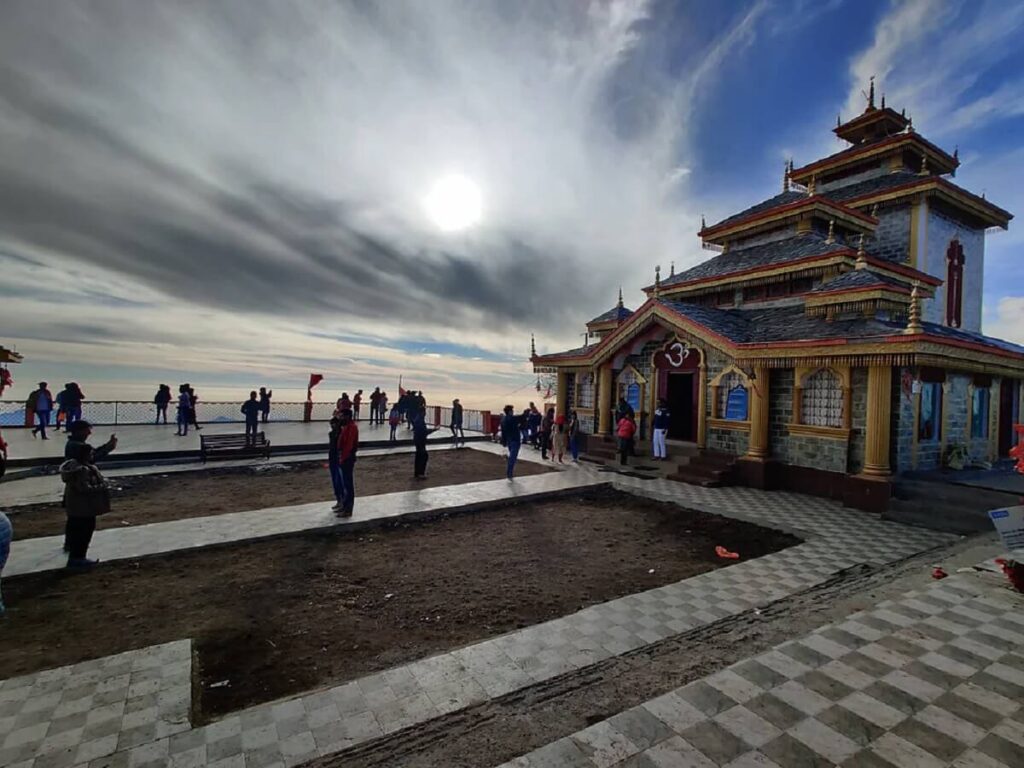
Surkanda Devi Temple is one of India's 51 Shakti Peethas, situated at 2,700 metres in Uttarakhand's Garhwal region near Dhanaulti. Dedicated to Goddess Sati, it is believed to b…
Radha Govinda Temple
Radha Govinda Temple in Rishikesh is an ISKCON shrine dedicated to Radha and Krishna, featuring a distinctive dome rising over 100 feet above the Madhuvan Ashram complex on Hari…
Shiva
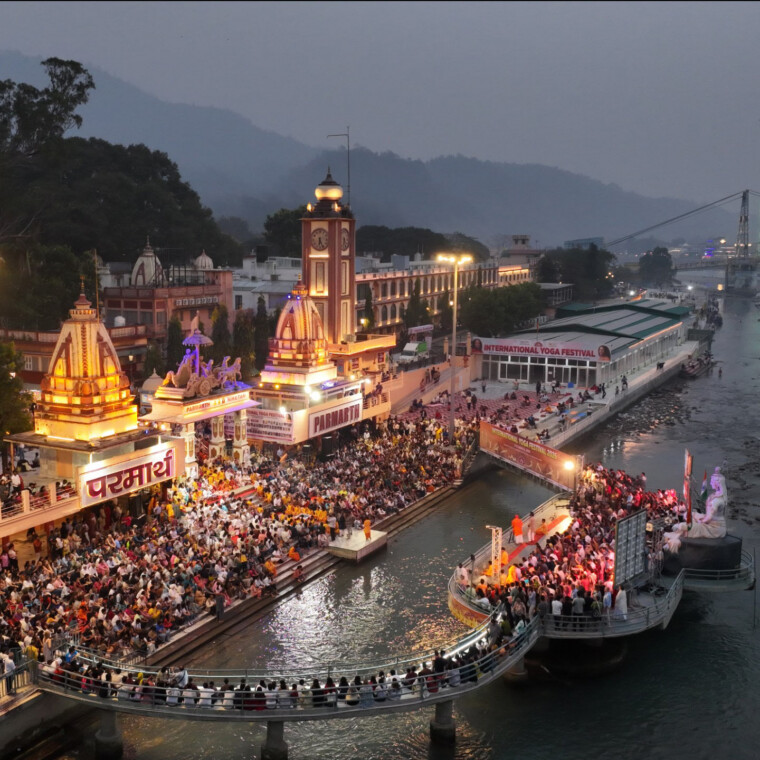
Neelkanth Mahadev Temple is a hilltop Shiva shrine in Rishikesh marking the sacred site where Lord Shiva consumed the poison from the ocean-churning. The temple draws devotees f…
Sri Bharat Mandir
Sri Bharat Mandir is the most ancient and revered temple in Rishikesh, dedicated to Lord Vishnu in his Bharat avatar. According to tradition, Adi Shankaracharya reinstalled the…