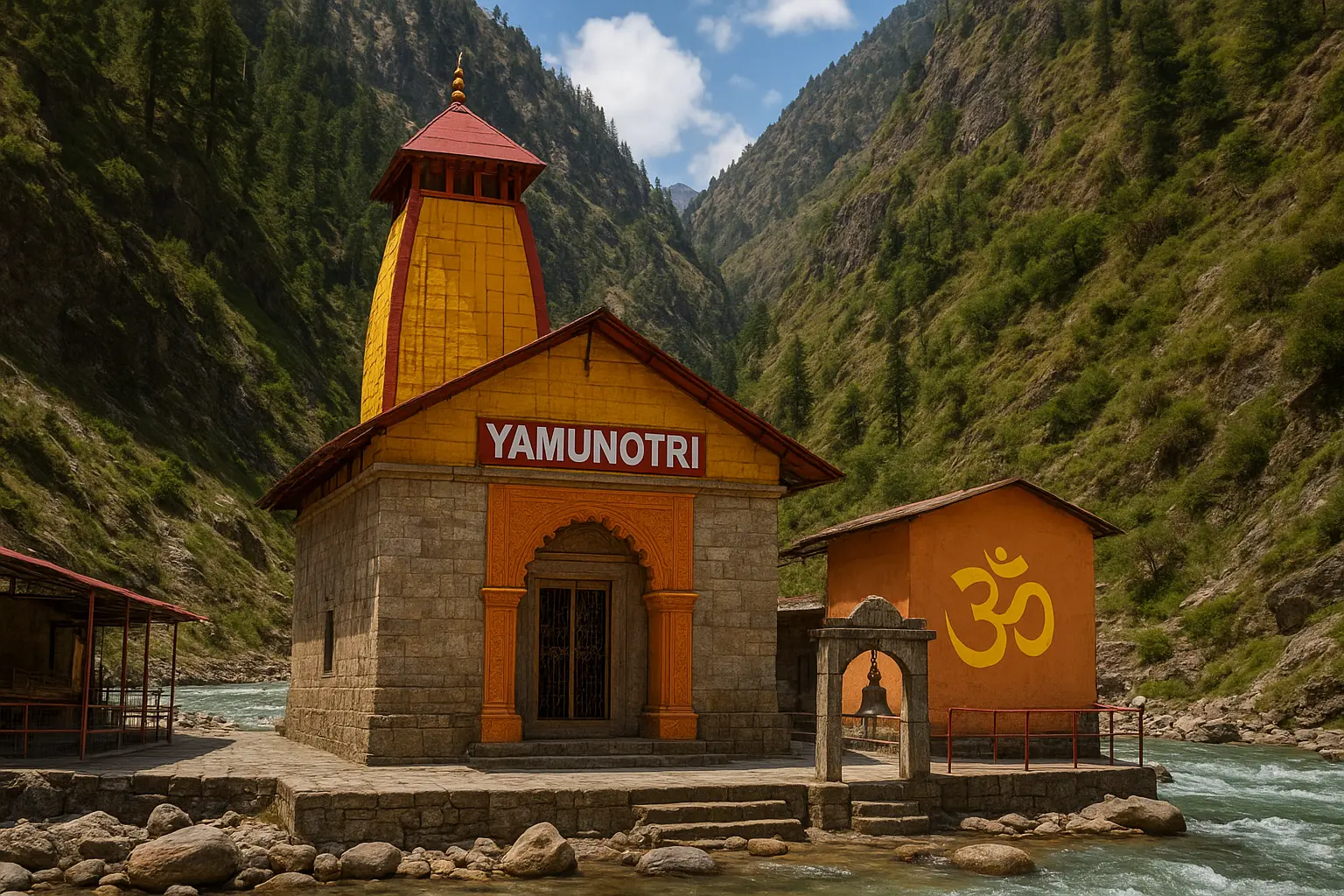
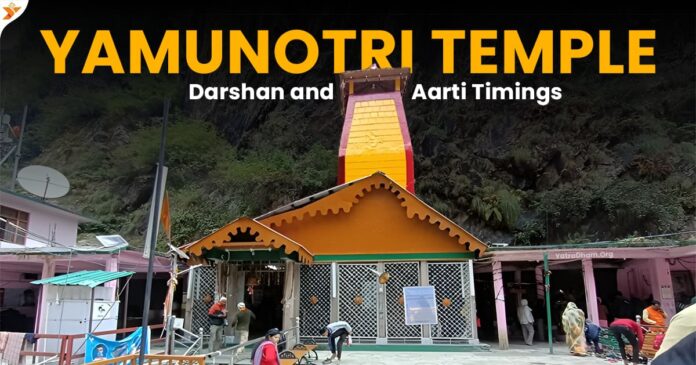
Yamunotri Temple
About Yamunotri Temple
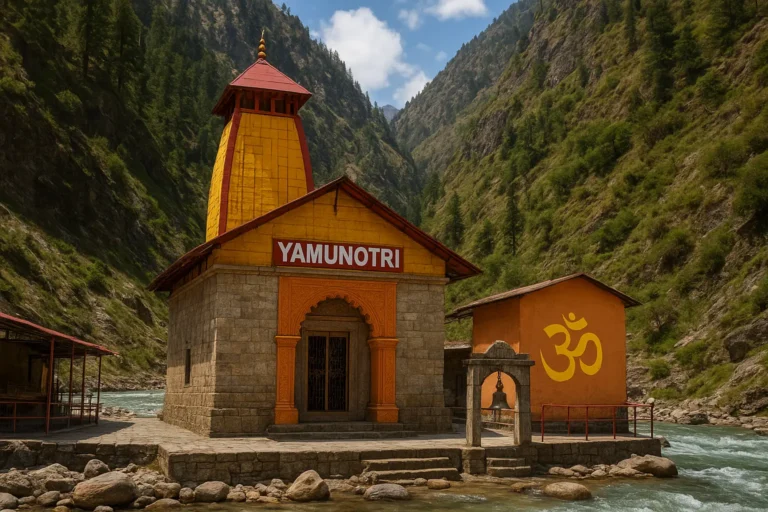
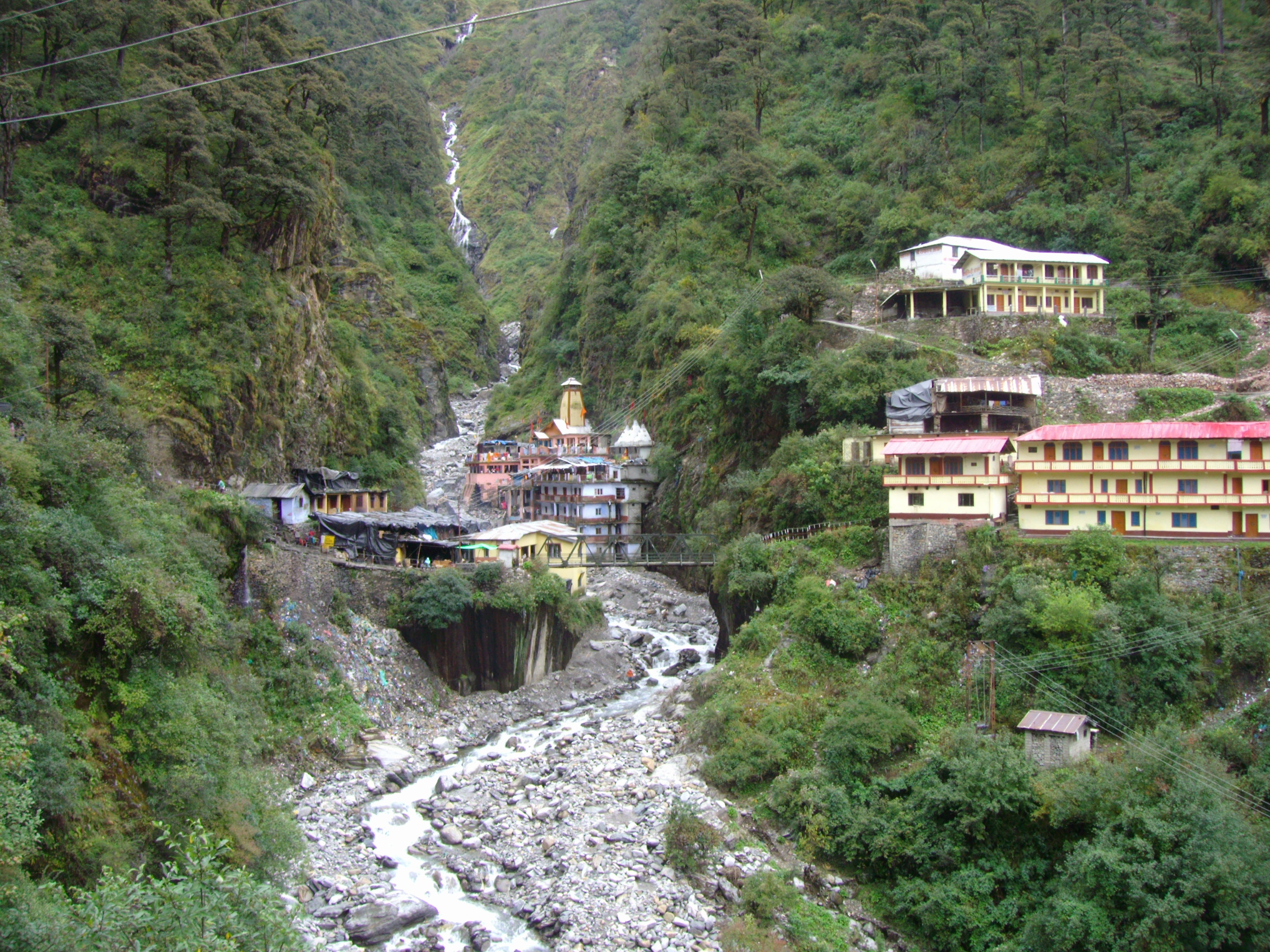
The temple sits at an altitude of 3,291 metres in Uttarkashi District, Uttarakhand, approximately 129 kilometres from Uttarkashi town. Visitors should note that Yamunotri Temple operates seasonally, opening each year on Akshaya Tritiya (typically April or May) and closing around Diwali (October or November), following the Himalayan climate. The high altitude and mountain terrain mean that access is weather-dependent; travellers should verify current conditions before planning their journey. The coordinates are 31.0167°N, 78.45°E for those using navigation tools.
Daily Darshan and Ritual Schedule
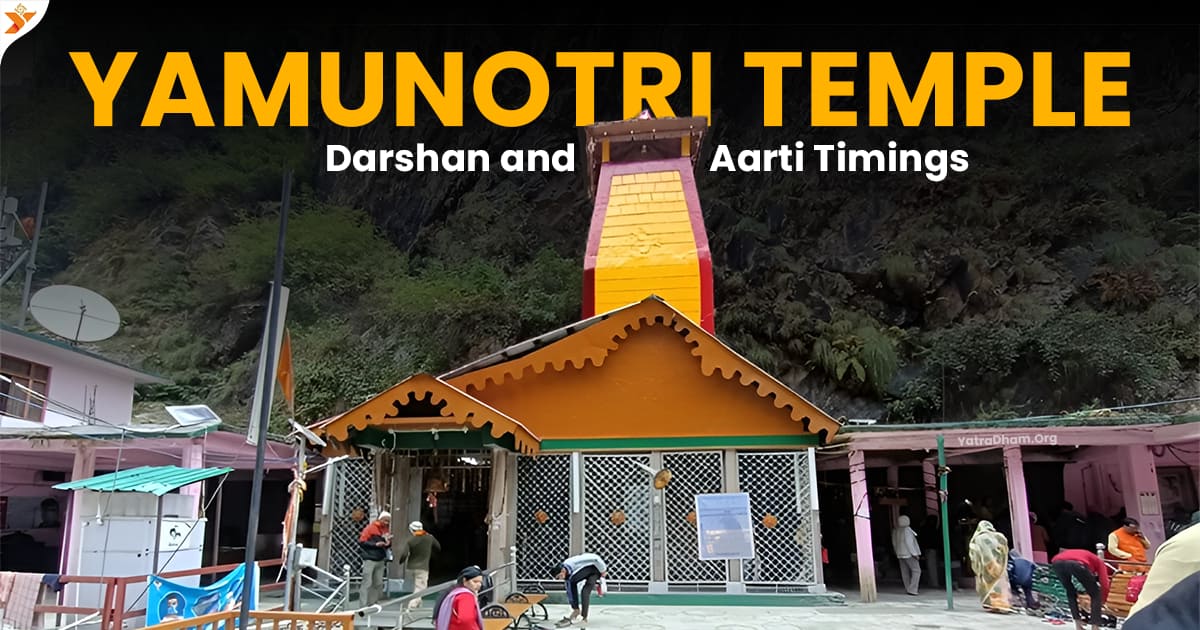
The temple opens daily at 6:00 AM and closes at 8:00 PM during the operating season. Darshan—the viewing of the deity—is available throughout these hours. Three principal aartis (ritual worship ceremonies) structure the day: the Morning Aarti (Prabhat Aarti) at 6:30 AM, a Midday Bhog and Pooja at 12:00 PM, and the Evening Aarti (Sandhya Aarti) at 7:30 PM. Early morning hours between 6:00 and 9:00 AM are recommended for darshan, when the temple atmosphere is typically quieter and more conducive to personal worship.
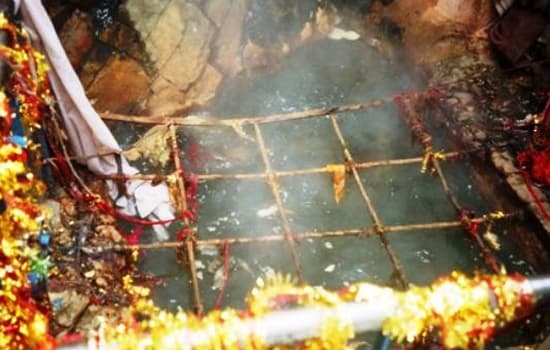
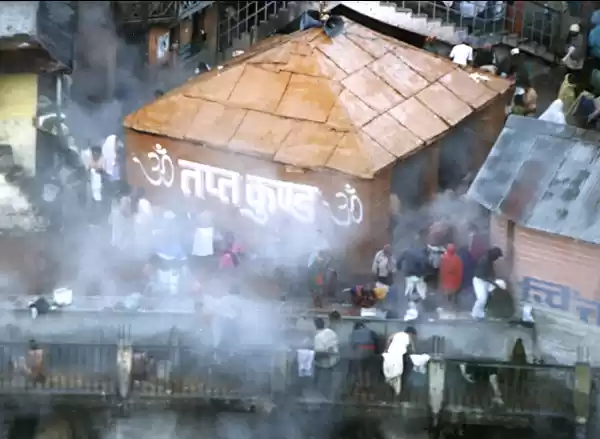
A distinctive ritual at Yamunotri involves Surya Kund, a natural hot spring where rice and potatoes are traditionally cooked in the geothermal water and offered as prasad (blessed food). This practice connects the temple's spiritual activities directly to the natural thermal features of the site. During winter months when the temple is closed to regular pilgrims, the idol is moved to Kharsali village for continued worship.
Visitor Conduct and Etiquette
Participation in aartis requires modest dress and respectful demeanor; photography is typically restricted during these sacred ceremonies. Visitors should approach the temple with the reverence appropriate to a major pilgrimage site. The high altitude means that acclimatization may be necessary for those arriving from lower elevations; adequate rest and hydration are advisable. Weather conditions can change rapidly in the mountains, so appropriate clothing for variable conditions is essential.
Seasonal Timing and Planning
The temple's annual closure from approximately November through April reflects the severe winter conditions at this elevation. Pilgrims planning a visit should target the April-May opening period through October-November, with awareness that early and late season visits may encounter unpredictable weather. The Akshaya Tritiya opening date carries special significance, marked by grand ceremonial observance. Those undertaking the full Char Dham circuit should factor Yamunotri's seasonal availability into their broader pilgrimage planning.
Accommodation and Practical Considerations
The remote mountain location means that accommodation options are limited to the immediate vicinity of the temple. Visitors should arrange lodging in advance, particularly during peak pilgrimage seasons. Food and basic supplies are available but may be limited in variety; carrying essential provisions is prudent. The altitude of over 3,200 metres requires attention to physical fitness and acclimatization, particularly for those with cardiovascular concerns or respiratory sensitivity.
The Char Dham Context
Yamunotri's place within the Char Dham Yatra positions it as the starting point for many pilgrims undertaking this sacred circuit. The four shrines—Yamunotri, Gangotri, Kedarnath, and Badrinath—form a traditional pilgrimage route deeply embedded in Hindu spiritual practice. Understanding Yamunotri as the beginning of this journey, rather than as an isolated destination, provides context for its religious significance and helps pilgrims structure their broader devotional travel.
How to reach
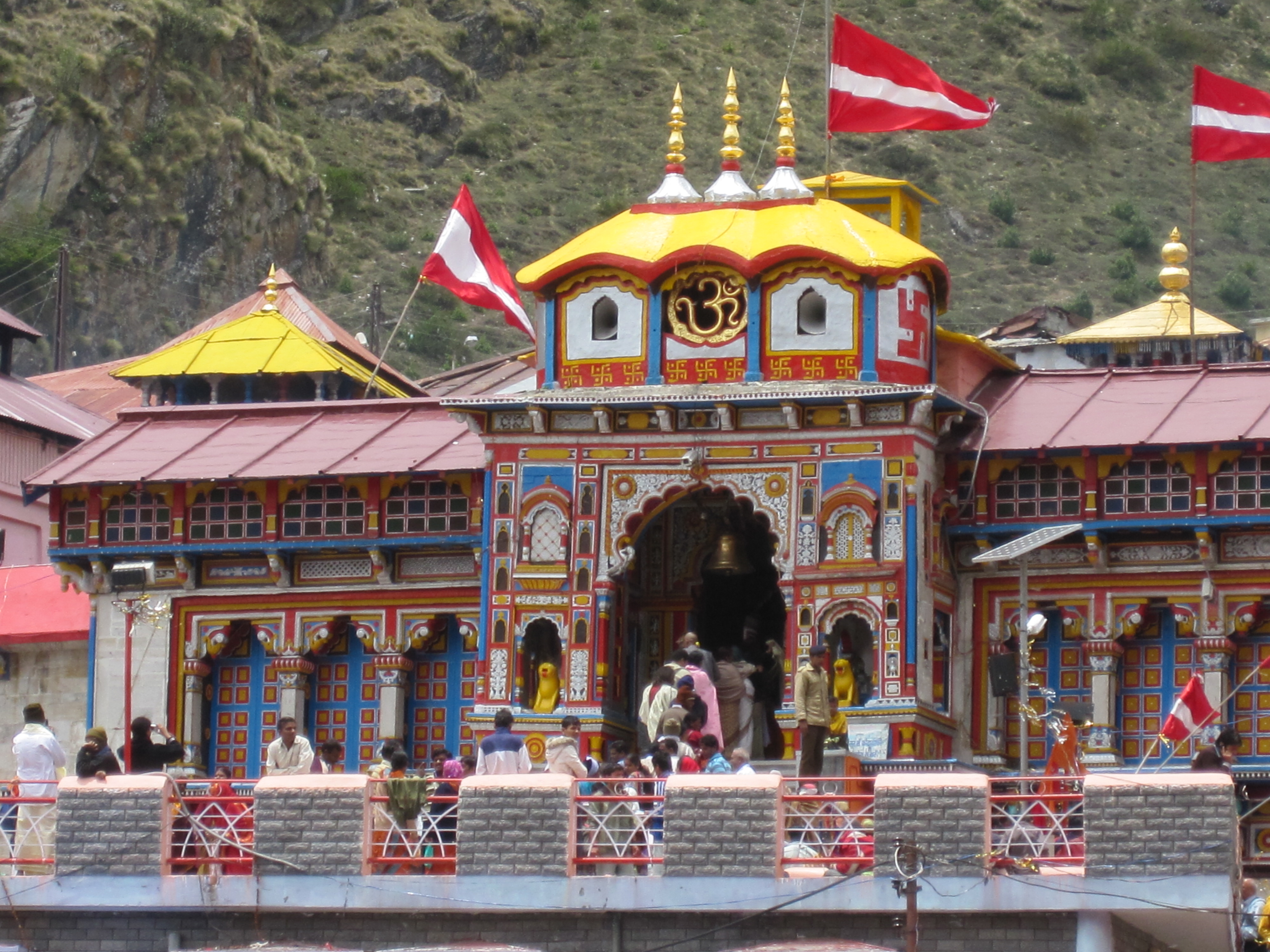
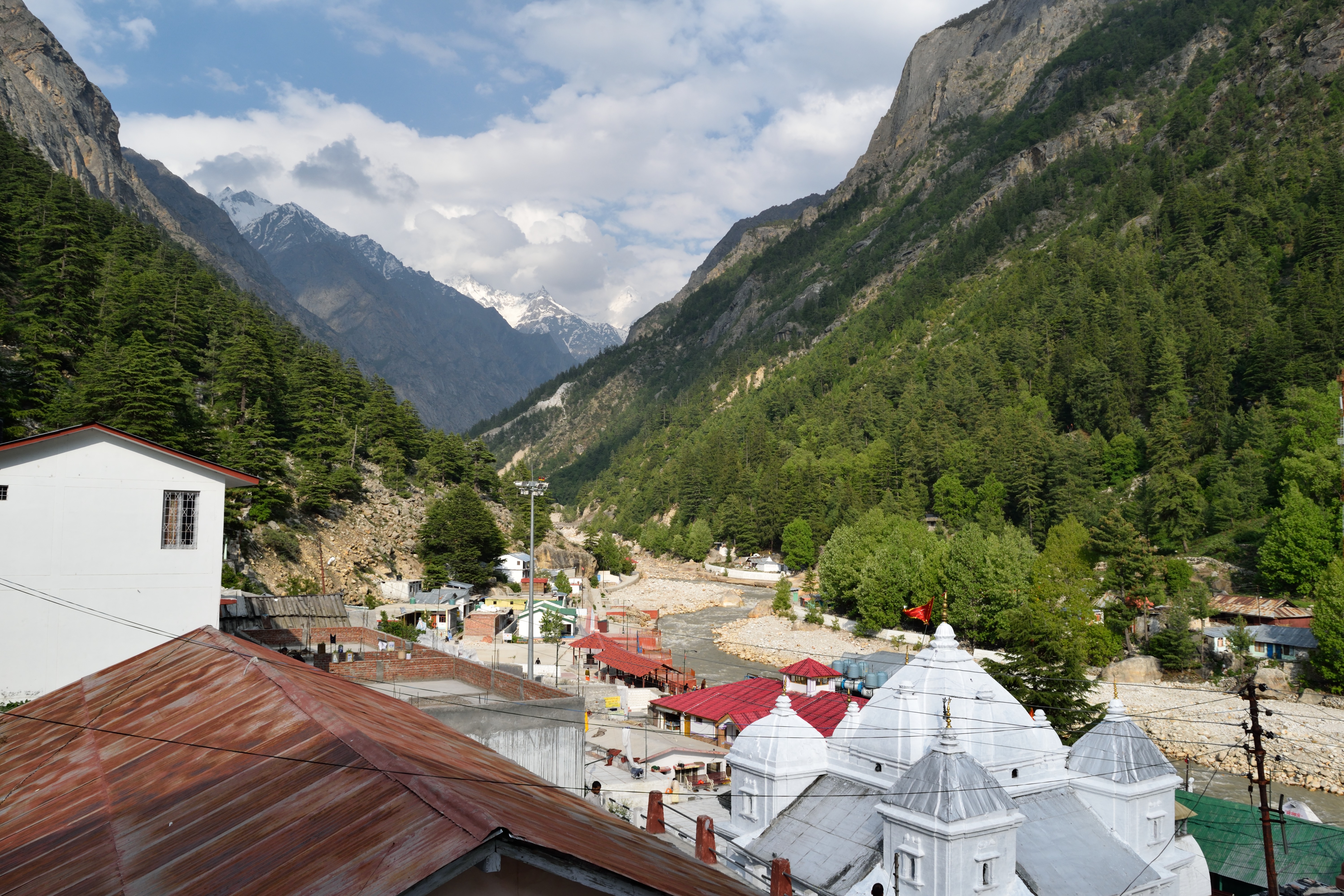
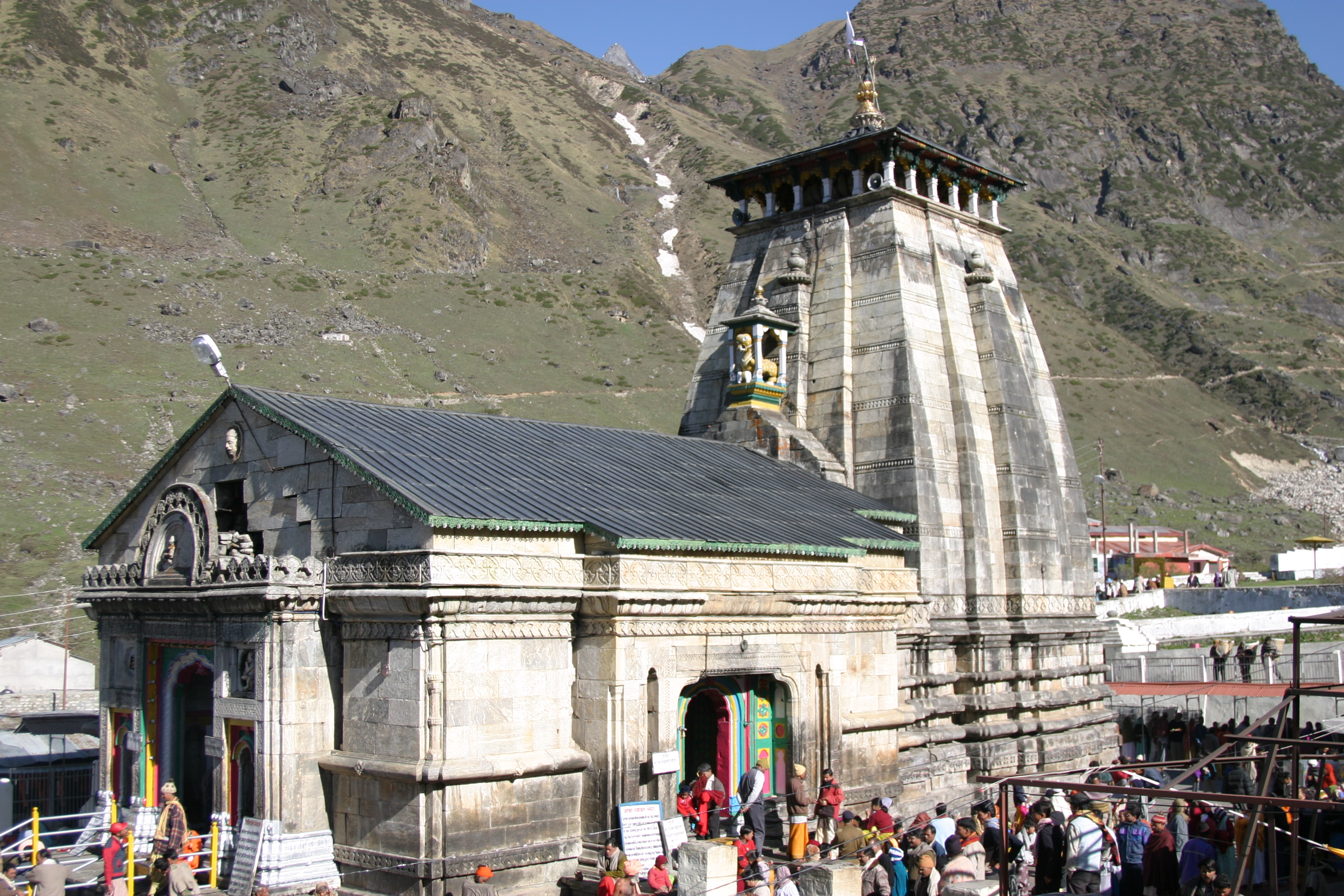
Temples near Yamunotri Temple
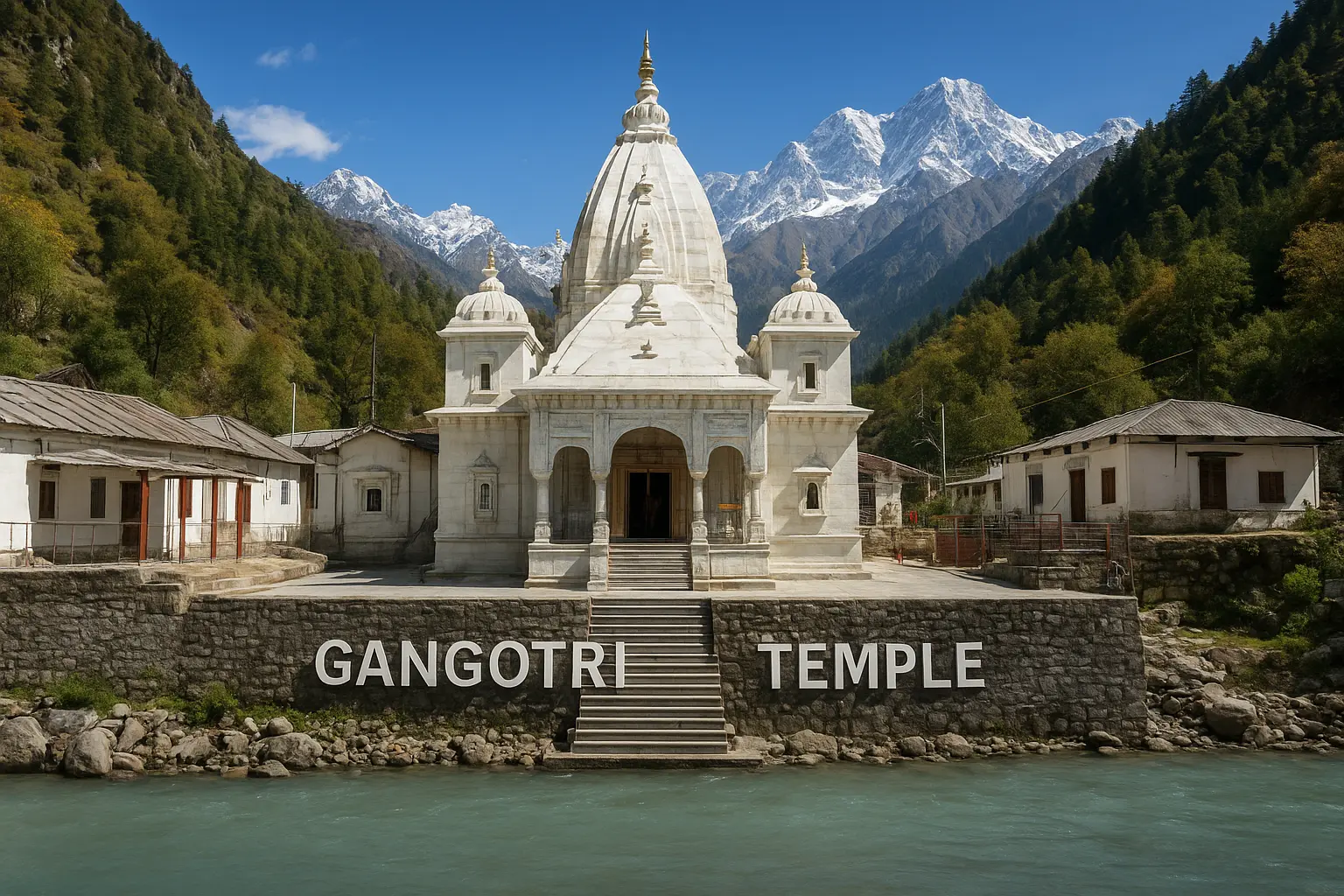
Gangotri
Gangotri Temple is a sacred shrine dedicated to Goddess Ganga, situated near the source of the Bhagirathi River in the Garhwal Himalayas. It is one of the four principal temples…
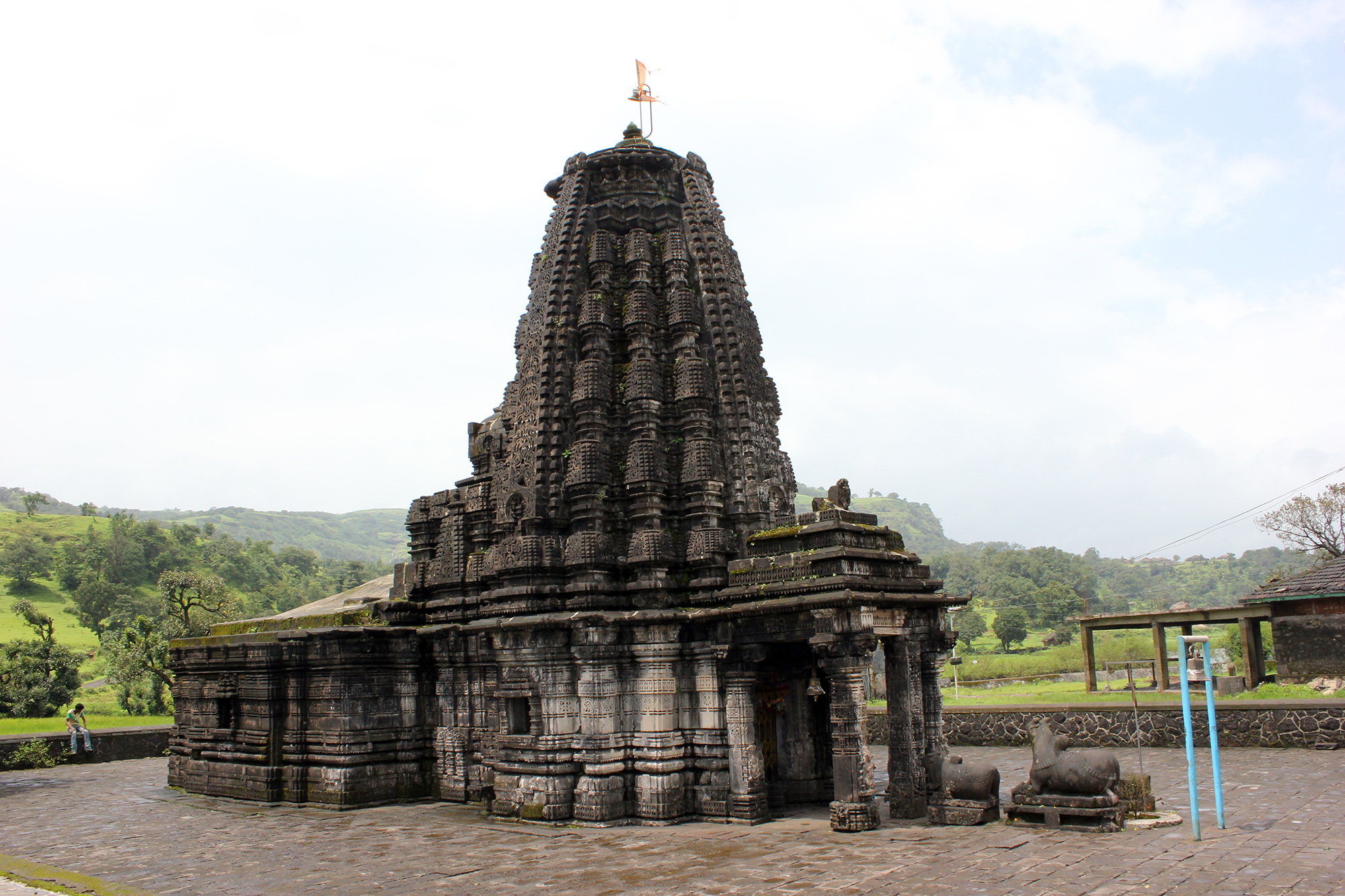
Lakhamandal temple, ruins and images
Lakhamandal Shiva Temple is an ancient hilltop shrine on the Yamuna's banks in Uttarakhand, renowned for its reflective graphite lingam and Nagara architecture. An ASI-protected…
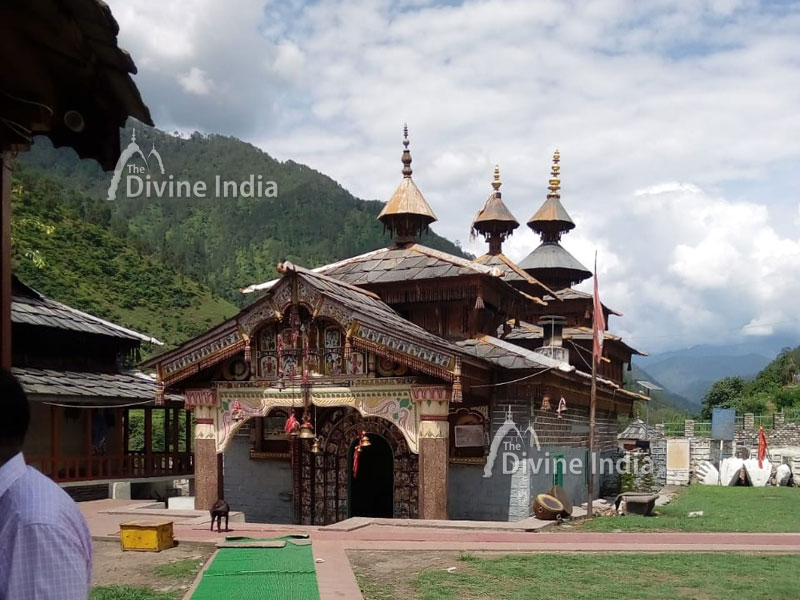
Mahasu Devta Temple
Mahasu Devta Temple stands on the eastern bank of the Tons River in Hanol village, Jaunsar, Dehradun district. Dedicated to Lord Shiva, this ancient hill temple serves as a majo…
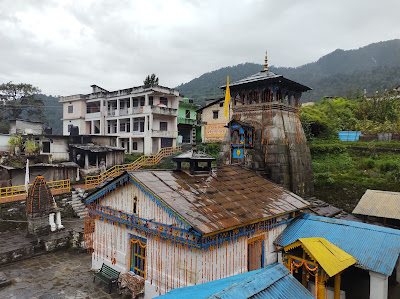
Triyuginarayan Temple
Triyuginarayan Temple in Uttarakhand's Rudraprayag district is a sacred Hindu shrine dedicated to Lord Vishnu, revered as the site where Lord Shiva married Goddess Parvati. The…
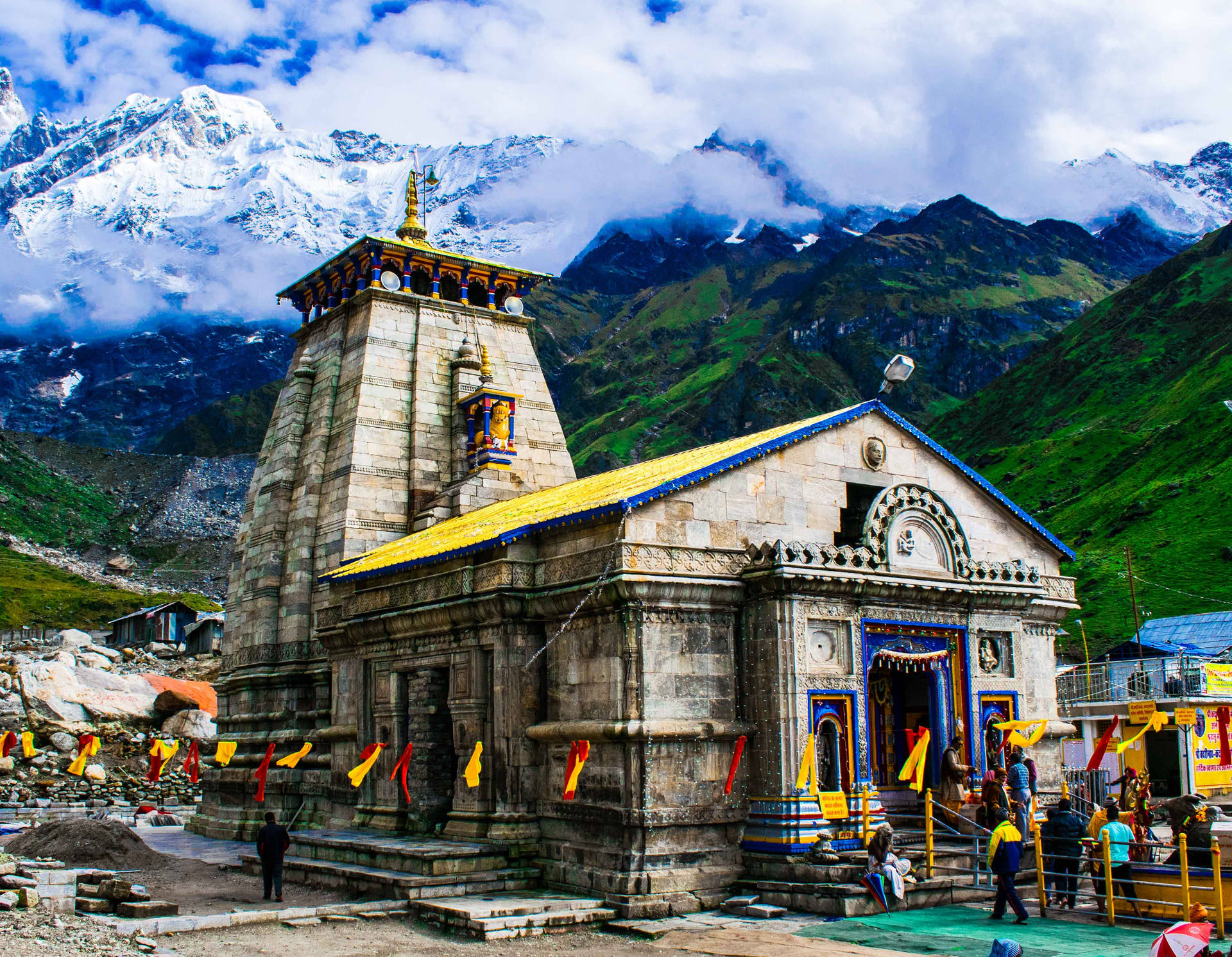
Kedarnath Temple
Kedarnath Temple is one of the twelve sacred jyotirlingas of Shiva, nestled in the Garhwal Himalayas along the Mandakini River in Uttarakhand. The temple remains open only durin…
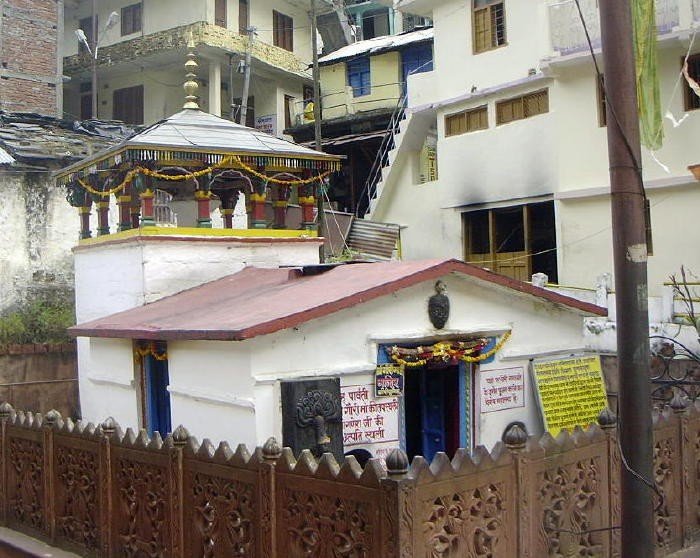
Gauri Kund
Gauri Kund is a sacred Hindu pilgrimage site nestled in the Garhwal Himalayas, housing the Gauri Devi Temple dedicated to Goddess Parvati and serving as the traditional base cam…